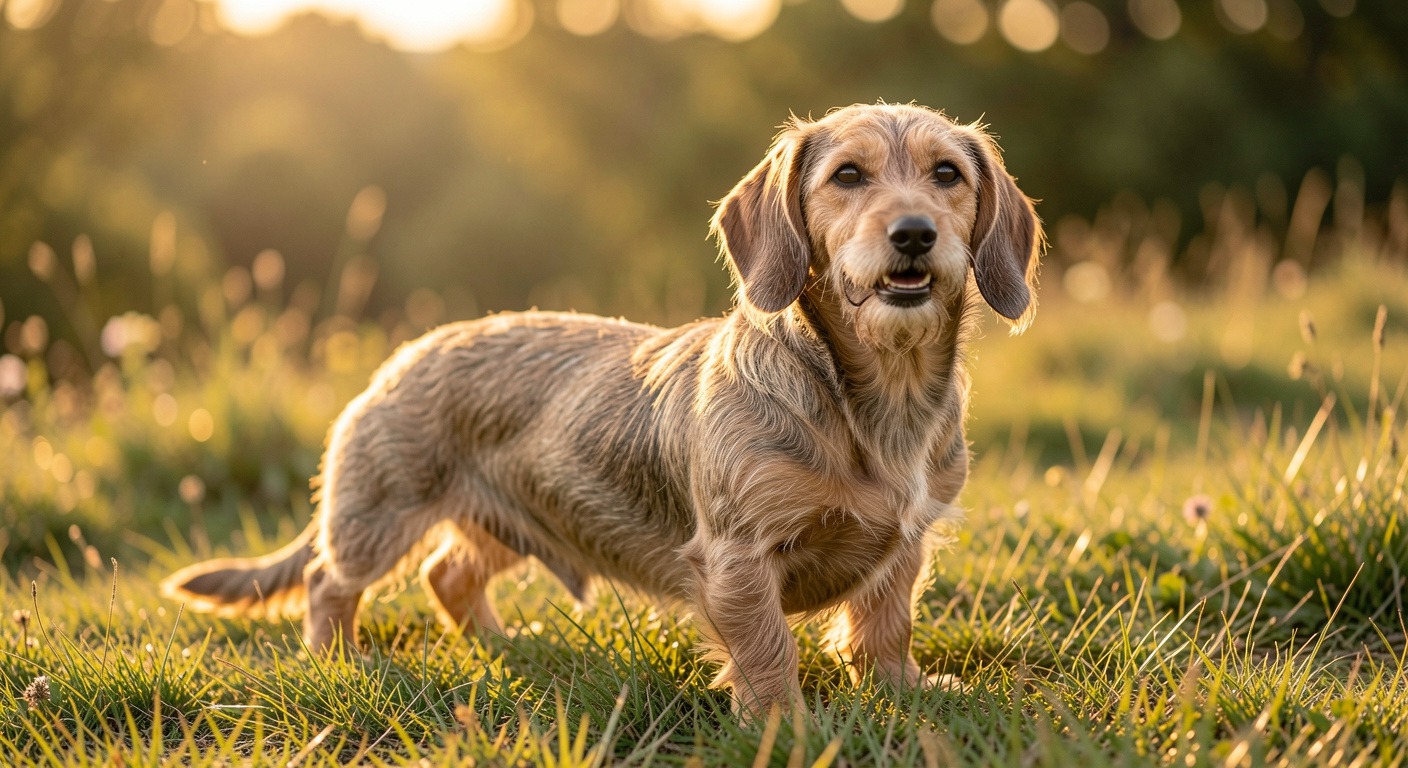
Everything to Know Before Bringing One Home
Dachshunds (also called “wiener dogs” or “doxies”) are small hound dogs originally bred to hunt badgers. They come in two sizes (standard and miniature) and three coat types (smooth, wirehaired, longhaired). They’re bold, clever, and fiercely loyal , but their long spine makes them vulnerable to Intervertebral Disc Disease (IVDD). The single most important thing a dachshund owner can do is protect that back: no jumping off furniture, use ramps instead of stairs, and maintain a lean body weight. With proper care, dachshunds live 12-16 years.
Smart but stubborn. Dachshunds are independent thinkers , training takes patience and positive reinforcement. They bark a lot , it’s in their hound DNA.
IVDD affects 1 in 4 dachshunds. Use ramps, avoid stairs, keep them lean, and never let them jump off furniture. This is the #1 health rule.
Apartment-friendly size, but they need daily walks and mental stimulation. Great for individuals, couples, and families with older children.
Dachshund at a Glance
| Trait | Detail |
|---|---|
| Size | Standard: 16-32 lbs; Miniature: under 11 lbs |
| Lifespan | 12-16 years |
| Coat Types | Smooth, wirehaired, longhaired |
| Temperament | Bold, curious, stubborn, affectionate |
| Energy Level | Moderate , daily walks + play sessions |
| Barking Level | High , hound heritage, natural watchdog |
| Good With Kids | Yes, with older children who know to be gentle |
| Trainability | Smart but independent , short, positive sessions work best |

The #1 Health Rule: Protect the Back
Dachshunds have a genetic body shape called chondrodystrophy , the same trait that gives them their adorable short legs also makes their spinal discs prone to degeneration and rupture. This condition, IVDD (Intervertebral Disc Disease), is the most common serious health problem in the breed.
If your dachshund suddenly shows any of these signs, it’s a veterinary emergency: reluctance to move or jump, yelping when picked up, hunched back, dragging back legs, or loss of bladder control. Immediate treatment (within 24 hours) dramatically improves recovery outcomes. Do not wait.
Prevention is everything:
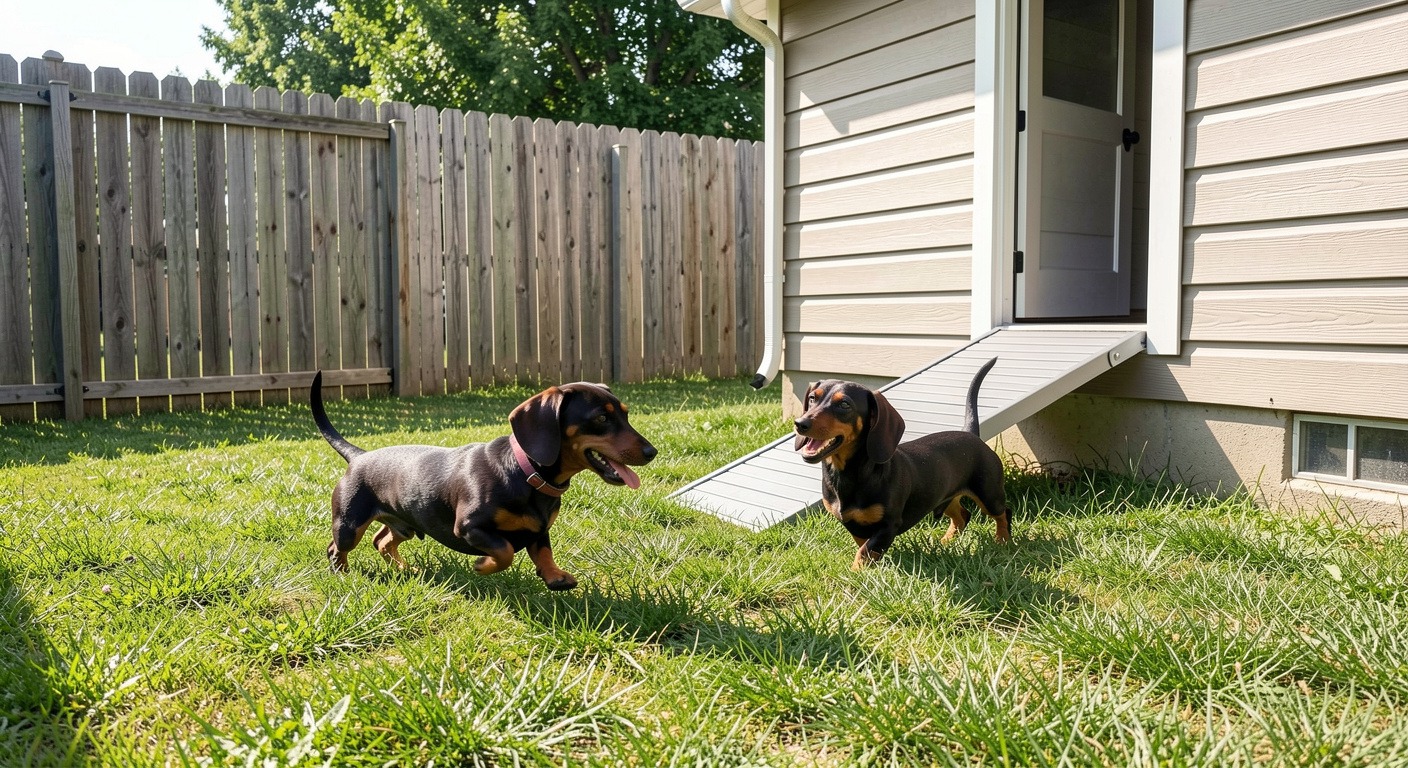
- Use dog ramps for sofa, bed, and any elevated surface. No jumping off , ever.
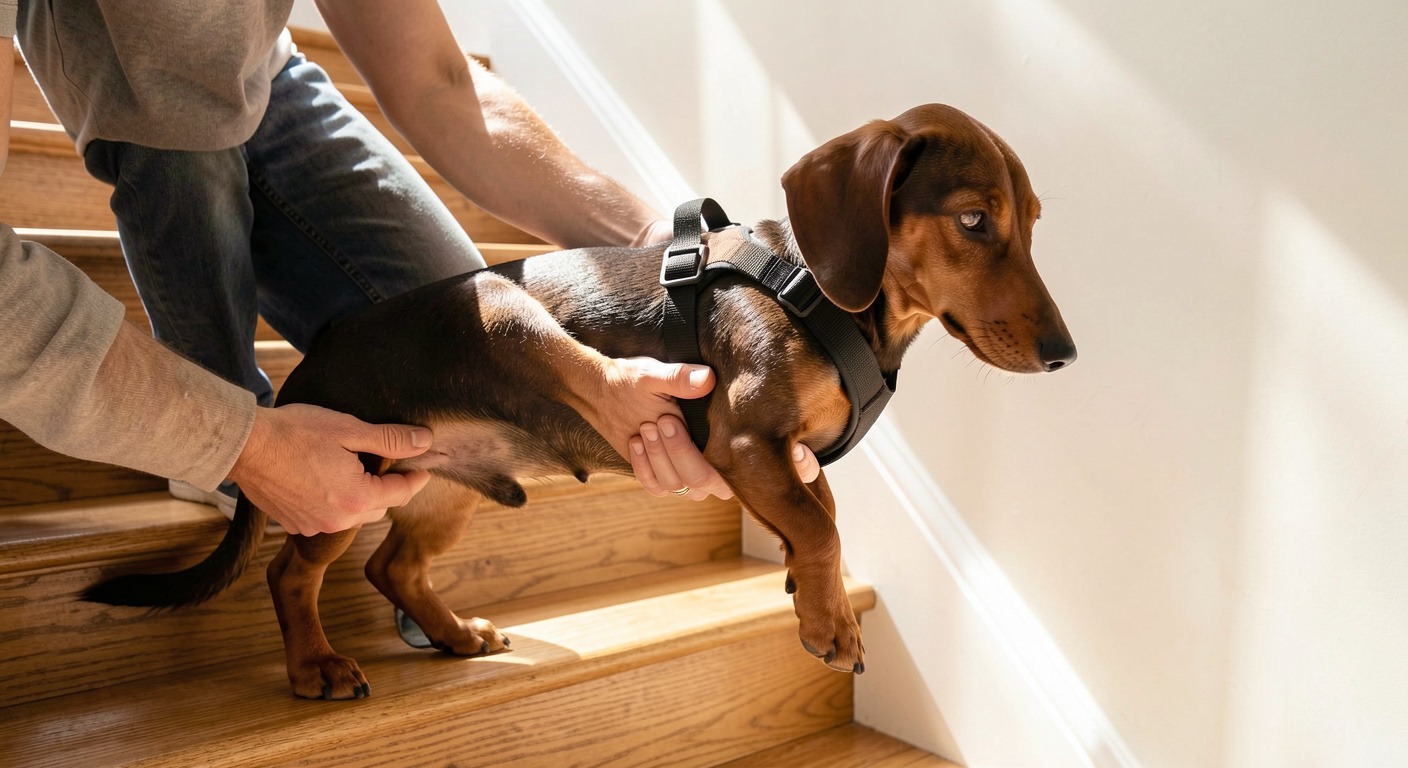
- Carry your dachshund up and down stairs, or install a baby gate to block them.
- Support both ends when picking them up , one hand under the chest, one under the hindquarters. Never lift by the front legs.
- Keep them lean. Excess weight puts constant pressure on the spine. You should be able to feel (but not see) their ribs.
- Daily exercise keeps supporting muscles strong , but avoid high-impact activities like agility jumping.
Temperament: Big Dog in a Small Body
Dachshunds were bred to hunt badgers , to go underground, face a fierce animal, and not back down. That fearless, tenacious personality is still very much alive in today’s couch-dwelling doxies.
They’re affectionate with their families, often choosing one person as their favorite. They can be reserved or suspicious with strangers , early socialization is essential. They have a surprisingly loud, deep bark for their size, which makes them excellent watchdogs (though apartment neighbors may disagree).
Training a dachshund requires creativity and patience. They’re smart and can learn anything , but they’re also independent and will ask “what’s in it for me?” before cooperating. Short, positive sessions with high-value treats work best. Harsh corrections will make them shut down or get stubborn.
Exercise: Enough, Not Too Much
A standard dachshund needs about 45-60 minutes of daily exercise split into two walks. Miniatures need about 30-45 minutes. They’re not marathon runners , think of them as energetic sprinters who enjoy exploring and sniffing rather than endurance athletes.
Scent games (hide treats around the house), puzzle toys, and short training sessions satisfy their mental needs. A bored dachshund is a destructive dachshund , they’ll dig, chew, and bark to entertain themselves.
FAQ
Are dachshunds good with children?
They can be, with supervision and education. Teach children to support the dog’s back properly, avoid rough play, and respect the dog’s space. Dachshunds generally do better with older, calmer children than with toddlers.
Do dachshunds shed a lot?
Smooth-coated dachshunds shed moderately. Longhaired dachshunds shed a bit more and need daily brushing to prevent mats. Wirehaired dachshunds shed the least but require hand-stripping a few times a year.
Are dachshunds hard to housebreak?
They have a reputation for being challenging, but it’s usually a consistency issue, not a breed defect. Stick to a strict schedule, use crate training, and reward heavily for outdoor pottying. Small dogs have small bladders , expect more frequent potty breaks than a larger breed.
🐕 Ready to Welcome a Dachshund?
These little dogs bring huge personality to every home. With the right back-safety setup and consistent training, you’ll have a loyal companion for years.
Explore More Breed Guides →