🦴 Dog Gear
Smart Picks for Every Budget and Every Dog
Everything you need to know , expert-backed, practical, and easy to follow.
🐾 Quick Answer
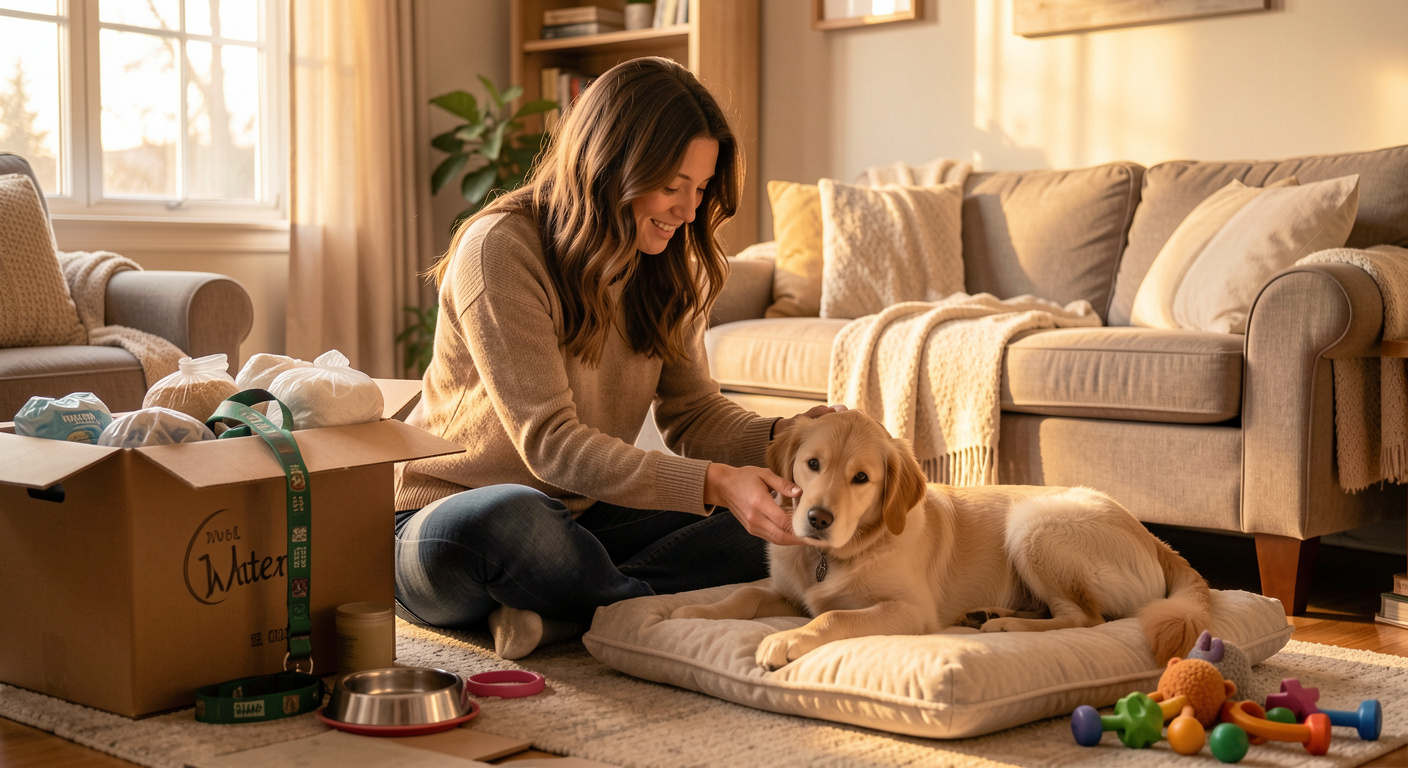
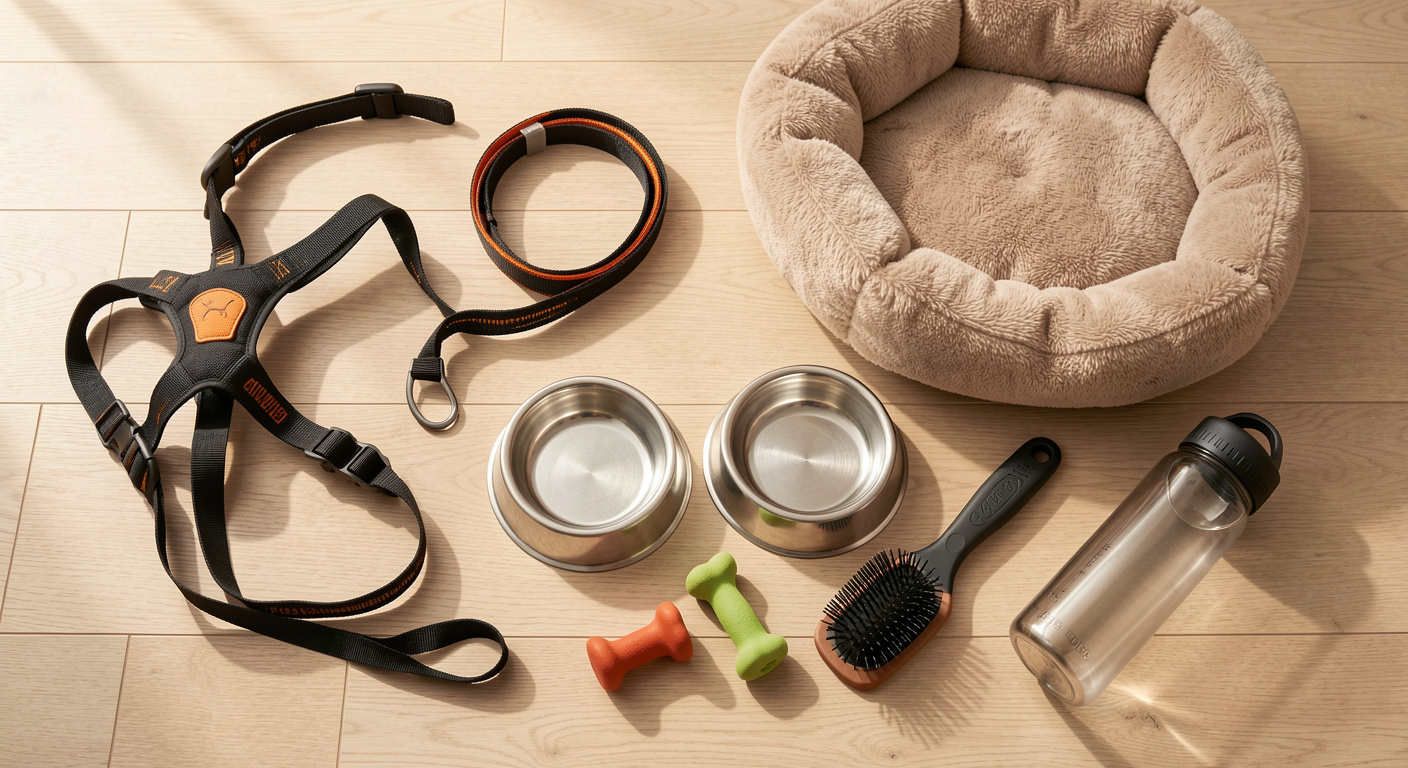
Start with safe, useful gear before buying extras: a secure collar with ID, a well-fitted harness, a strong leash, washable bedding, sturdy bowls, grooming basics, and toys that match your dog’s chewing style.
Dog Gear & Products
Dog Gear: Honest Reviews & Smart Buying Guides
From harnesses that stop pulling to beds that ease aging joints , here’s what’s worth your money and what’s marketing hype.
Collars , More Than Just a Tag Holder
A collar is a piece of safety equipment, not a fashion statement.
| Type | Best For | Watch Out For |
|---|
| Flat Collar | Everyday ID tag holder. Dogs that never pull on leash. | Can damage trachea, thyroid, and eyes if the dog pulls or the leash is jerked. Even light chronic pulling causes cumulative damage. |
| Martingale | Escape artists and sighthounds (Greyhounds, Whippets) with narrow heads. Tightens to a snug , not choking , fit when pulled. | Still applies neck pressure. Not a solution for pullers. Should never choke , adjust properly. |
| Breakaway | Dogs left unattended or playing with other dogs. The clasp releases under pressure to prevent strangulation. | Not for leash attachment , the whole point is that it releases. Use only for ID. |
❌ Avoid: Choke chains, prong/pinch collars, and shock collars. These cause pain and fear. The AVSAB and multiple international veterinary organizations recommend against them. Several countries have banned them entirely.
Harnesses , The Safer Choice for Walking
| Type | How It Works | Best For |
|---|
| Front-Clip | Leash attaches at the chest. When the dog pulls, the front attachment naturally turns them back toward you , without pain. | Dogs that pull. The recommended choice for most dogs. Safe for the trachea and spine. |
| Back-Clip | Leash attaches on the back. Comfortable and easy to put on. | Dogs that already walk politely. Small breeds with delicate tracheas. Can encourage pulling through the opposition reflex. |
| Dual-Clip | Both front and back attachment points. Use front clip for training walks, back clip for relaxed walks. | Dogs in training. Best versatility. Worth the small price premium over single-clip. |
Top Harness Picks (2026)
| Harness | Price | Best For |
|---|
| Ruffwear Front Range | $40 | All-around best. Dual-clip, padded, reflective, four adjustment points. Lifetime warranty. |
| Kurgo Tru-Fit | $30 | Best value dual-clip. Crash-tested for car safety. Steel nesting buckles. |
| PetSafe Easy Walk | $25 | Budget front-clip. Simple, effective for mild-moderate pullers. Martingale loop at chest for gentle steering. |
| Wild One Harness | $48 | Minimalist design. Lightweight, flexible coated carbon steel rings. Best for small-medium easy walkers. |
| Voyager Step-In | $15 | Budget pick for small dogs. Step-in design (no over-the-head). Soft mesh, machine washable. |
Leashes , Your Most-Used Piece of Gear
| Type | Length | Use Case |
|---|
| Standard | 4, 6 ft | Daily walks. 6 ft is the sweet spot , enough slack for sniffing, enough control for safety. |
| Long Line | 15, 50 ft | Recall training, decompression walks, open areas. Always pair with a harness , never a collar. Biothane is waterproof and doesn’t rot. |
| Hands-Free | 4, 6 ft | Running, hiking, training with treats/clicker. Belt attachment + bungee section absorbs shock. |
| Traffic Lead | 12, 18 in | Short control handle for crowded areas and heel work. Often built into standard leashes as a second handle. |
Material Comparison
| Material | Pros | Cons | Best For |
|---|
| Nylon | Affordable ($10, 20), widely available, many colors | Can cause rope burn if pulled through hands. Absorbs odors. Frays over time. | Most dogs, daily walks |
| Leather | Softens with age, comfortable grip, extremely durable (years with care) | Expensive ($30, 60+). Not for heavy chewers. Requires occasional conditioning. | Large dogs, long-term investment |
| Biothane | Waterproof, odor-proof, dirt-resistant, practically indestructible | Stiffer feel. Less color/style variety. Mid-range cost ($20, 40). | Active/outdoor dogs, water activities |
❌ Avoid retractable leashes. The thin cord can cause severe friction burns, deep lacerations, and even finger amputation. Dogs have been hit by cars when the lock mechanism failed. They teach dogs that pulling creates more leash. And in an emergency, you have zero control.
Beds & Crates
Beds , Match the Bed to the Dog
| Bed Type | Best For |
|---|
| Orthopedic / Memory Foam | Senior dogs, large breeds, dogs with arthritis or hip dysplasia. Distributes weight evenly, relieves pressure points. |
| Cooling Bed | Hot climates, brachycephalic breeds (Frenchies, Bulldogs, Pugs), thick-coated dogs. Gel-activated or water-filled. Indoor use , not a substitute for shade outdoors. |
| Donut / Bolster | Dogs that curl up to sleep or like to rest their head on something. Anxiety-prone dogs , the raised edges create a sense of security. |
| Cave / Covered | Anxious dogs, small breeds that burrow, dogs that prefer den-like spaces. |
| Elevated / Cot-Style | Outdoor use, camping, hot weather. Airflow underneath keeps dogs cool. Easy to hose off. |
Crate Sizing Guide
Your dog should be able to stand up, turn around, and lie down comfortably , but no larger. Too large and they’ll use one corner as a bathroom. For puppies, use a crate with a divider panel to adjust the size as they grow.
| Dog Weight | Crate Size | Example Breeds |
|---|
| Up to 15 lbs | 18, 22″ | Chihuahua, Yorkie, Toy Poodle |
| 15, 30 lbs | 24″ | French Bulldog, Corgi, Beagle, Boston Terrier |
| 30, 50 lbs | 30″ | Border Collie, Australian Shepherd, Bulldog |
| 50, 70 lbs | 36″ | Labrador, Golden Retriever, Boxer, Husky |
| 70, 90 lbs | 42″ | German Shepherd, Rottweiler, Doberman |
| 90+ lbs | 48″ | Great Dane, Mastiff, Saint Bernard |
Toys , Work the Body and Brain
By Purpose
| Type | What It Does | Top Picks |
|---|
| Chew Toys | Satisfies natural chewing instinct. Calming. Dental benefits. Choose rubber (KONG) for most dogs; nylon (Benebone/Nylabone) for aggressive chewers , but monitor for tooth wear. | KONG Classic ($10, 20) , stuffable, nearly indestructible. Benebone ($8, 15) , flavored, ergonomic grip. |
| Puzzle Toys | Mental stimulation. Slows eating. Reduces boredom behaviors. Start easy (level 1) and increase difficulty. | KONG Wobbler ($15) , dispenses kibble. Outward Hound Nina Ottosson ($15, 25) , multi-step puzzles. |
| Fetch Toys | Exercise and bonding. Choose size-appropriate balls (too small = choking hazard). | Chuckit! Ultra Ball ($8). West Paw Zogoflex ($15) , floats, recyclable. |
| Tug Toys | Interactive play. Builds impulse control (teach “drop it” and “take it”). | Rope toys (supervise , remove if fraying). Fleece braided tugs. |
🧠 Enrichment Tip: Rotate toys weekly , keep 3, 4 out, hide the rest. When they reappear, they’re “new” again. This prevents boredom without buying more.
Bowls & Feeders
| Material | Rating | Notes |
|---|
| Stainless Steel | 🥇 Best | Sanitary, dishwasher-safe, practically indestructible. Doesn’t harbor bacteria like plastic. The veterinary gold standard. |
| Ceramic | 🥈 Good | Heavy (won’t slide), attractive. Must inspect regularly for cracks , bacteria can colonize cracks. Glaze must be lead-free. |
| Plastic | 🥉 Avoid | Scratches easily , bacteria thrive in scratches. Linked to canine chin acne. Absorbs odors. Replace frequently. |
Specialty Feeders
| Type | Purpose | Note |
|---|
| Slow Feeder | Prevents gulping, choking, and bloat in speed-eaters. Maze or obstacle patterns force the dog to eat around barriers. | Effective for most dogs. Start with moderate difficulty. |
| Elevated Bowls | Comfort for tall dogs and dogs with arthritis, neck pain, or megaesophagus. | ⚠️ Purdue University research found elevated feeders may increase bloat/GDV risk in large and giant-breed dogs. Discuss with your vet before using, especially for at-risk breeds. |
Grooming , The Right Tool for the Coat
| Coat Type | Best Brush | Frequency |
|---|
| Smooth / Short (Labs, Beagles, Pugs) | Rubber curry brush or bristle brush | Weekly |
| Double Coat (Huskies, GSDs, Goldens) | Undercoat rake + slicker brush | 2, 3×/week (daily during shedding season) |
| Long / Silky (Yorkies, Maltese, Shih Tzus) | Pin brush + metal comb | Daily , prevents mats |
| Curly / Wooly (Poodles, Bichons, Doodles) | Slicker brush + metal comb | Daily , mats form fast in curly coats |
| Wire / Harsh (Terriers, Schnauzers) | Slicker brush + stripping knife | Weekly + professional stripping every few months |
Nail Care
Overgrown nails change the angle of the foot, causing joint stress and pain. If you can hear nails clicking on hard floors, they’re too long. Clippers: Guillotine or scissor-style. Grinders: Dremel-style , safer (gradual shortening), smoother finish, harder to cut the quick. Introduce slowly with treats. Trim every 2, 4 weeks.
Car Safety , Crash-Tested Gear
In a 35 mph collision, an unrestrained 60 lb dog becomes a 2,700 lb projectile. Unrestrained dogs also distract drivers , 84% of dog-owning drivers admit to being distracted by their dogs.
| Product | Certification | Price |
|---|
| Sleepypod Clickit Sport | CPS-certified (Child Passenger Safety standards). The only harness independently crash-tested to child safety standards. | $90, 100 |
| Kurgo Tru-Fit | Crash-tested up to 75 lbs at 30 mph. More affordable, still tested. | $30, 40 |
| Gunner Kennel | 5-star crash test rating. Double-walled rotomolded. Escape-proof door. The safest crate for travel. | $500, 800 |
Budget Picks , Quality for Less
| Category | Under $20 | Under $50 | Under $100 |
|---|
| Harness | Voyager Step-In ($15) | Kurgo Tru-Fit ($30) | Ruffwear Front Range ($40) |
| Leash | Basic nylon 6ft ($10) | Biothane 6ft ($25) | Leather 6ft ($50+) |
| Bed | Basic bolster ($18) | Orthopedic foam ($45) | Cooling memory foam ($80+) |
| Toys | KONG Classic small ($10) | Outward Hound puzzle ($20) | KONG Wobbler + Classic set ($35) |
| Bowls | Stainless steel set ($12) | Slow feeder bowl ($15) | Elevated stainless set ($40) |
| Grooming | Slicker brush ($10) | Nail grinder ($25) | Professional clipper ($80+) |
Gear Up With Confidence
You don’t need to buy everything at once. Start with the essentials , collar, leash, harness, bed, bowls, and a few quality toys. Add specialized gear as you learn what your dog actually needs and enjoys.
Explore All Gear Reviews →