Your Weekly Wellness Check, Right at Home
Learning to groom your dog at home saves money, strengthens your bond, and gives you a weekly chance to check for skin issues, lumps, or fleas. For most dogs, a simple routine of brushing, bathing, nail trims, ear checks, and tooth brushing is all you need. Start slow, use plenty of treats, and always use dog-specific products. If your dog has skin conditions, severe matting, or grooming anxiety, consult a professional groomer or your veterinarian.
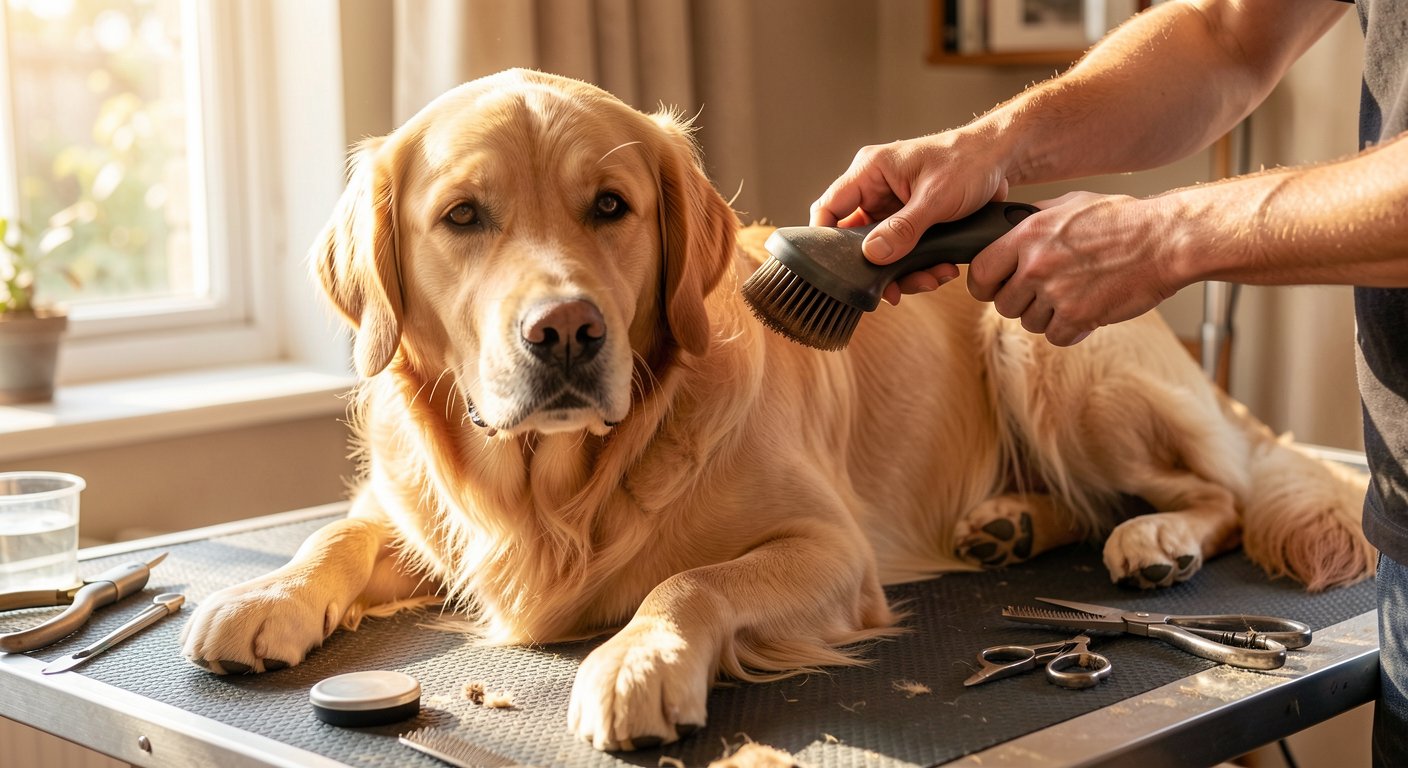
Match your brush to your dog’s coat type. A rubber curry for smooth coats, a slicker for dense fur, and a pin brush for long silky hair.
Brush first, then bathe, trim nails, clean ears, and brush teeth. Short 5-minute sessions work best for beginners.
Never use human products on your dog. Keep styptic powder nearby for nail trims. Skip cotton swabs in ears. When in doubt, call your vet.
Know Your Dog’s Coat Before You Pick Up a Brush
Different coat types need different tools and routines. Understanding dog coat types grooming differences is the foundation every beginner needs before buying a single tool.
Smooth and Short Coats
Beagles, Boxers, and Dalmatians are the easiest to maintain at home. A rubber curry brush loosens dead skin and dirt, followed by a bristle brush for loose hair. Weekly brushing is usually enough, making these breeds ideal for first-time groomers learning the at-home dog grooming routine step by step.
Short and Dense Coats
Labs, Goldens, and Rottweilers shed steadily. Start with a slicker brush for tangles and dead undercoat, then a bristle brush for surface hair. During shedding season, brush two to three times per week with an undercoat rake.
Long and Silky Coats
Yorkies, Maltese, and Collies need daily brushing. Use a slicker brush to detangle, then wide-tooth and fine-tooth combs for the full length. Check behind ears and under legs daily, these are where mats form fastest.
Curly and Wool Coats
Poodles, Bichons, and Doodles need daily to every-other-day brushing with a slicker brush and metal comb, working in sections down to the skin. Curly coats mat easily at the root. These breeds need professional grooming every four to eight weeks in addition to home brushing.
Wrinkled Skin Breeds
Pugs, Bulldogs, and Shar Peis need skin fold care more than coat brushing. Clean between every fold with a damp cotton cloth, then dry each fold thoroughly. Trapped moisture causes infections that need veterinary treatment. Do this weekly, or more often if folds stay damp.
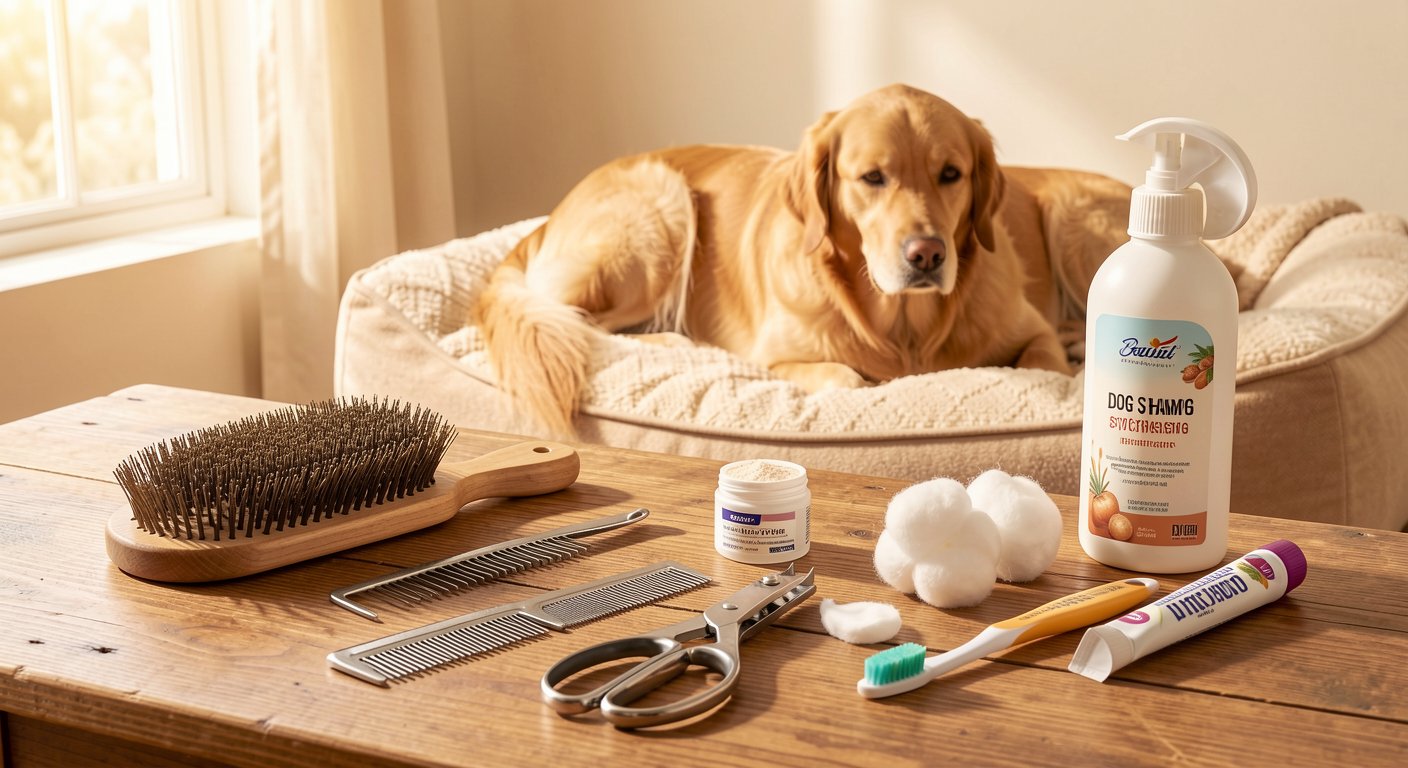
Bristle brush, slicker brush, metal comb, nail clippers, styptic powder, dog shampoo, cotton balls, towel, dog toothbrush, and dog toothpaste. These dog grooming tools for beginners cover any coat type.
Undercoat rake for shedding breeds, nail grinder for anxious dogs, detangling spray for long coats, and ear cleaning solution for floppy-eared breeds.
Assemble all tools before starting. Keep treats within reach and use them often.
Your Step-by-Step How to Groom Your Dog at Home Routine
Follow this order every time. Brushing always comes first, water tightens mats and makes them harder to remove.
Step 1: Brushing
Brush all the way down to the skin, working in sections with the right tool. While you brush, scan for burrs, mats, cuts, skin issues, fleas, or flea dirt. For tangled areas, gently tease apart with a slicker brush. If mats are severe and tight against the skin, see a professional groomer rather than cutting them yourself.
Step 2: Bathing Made Simple
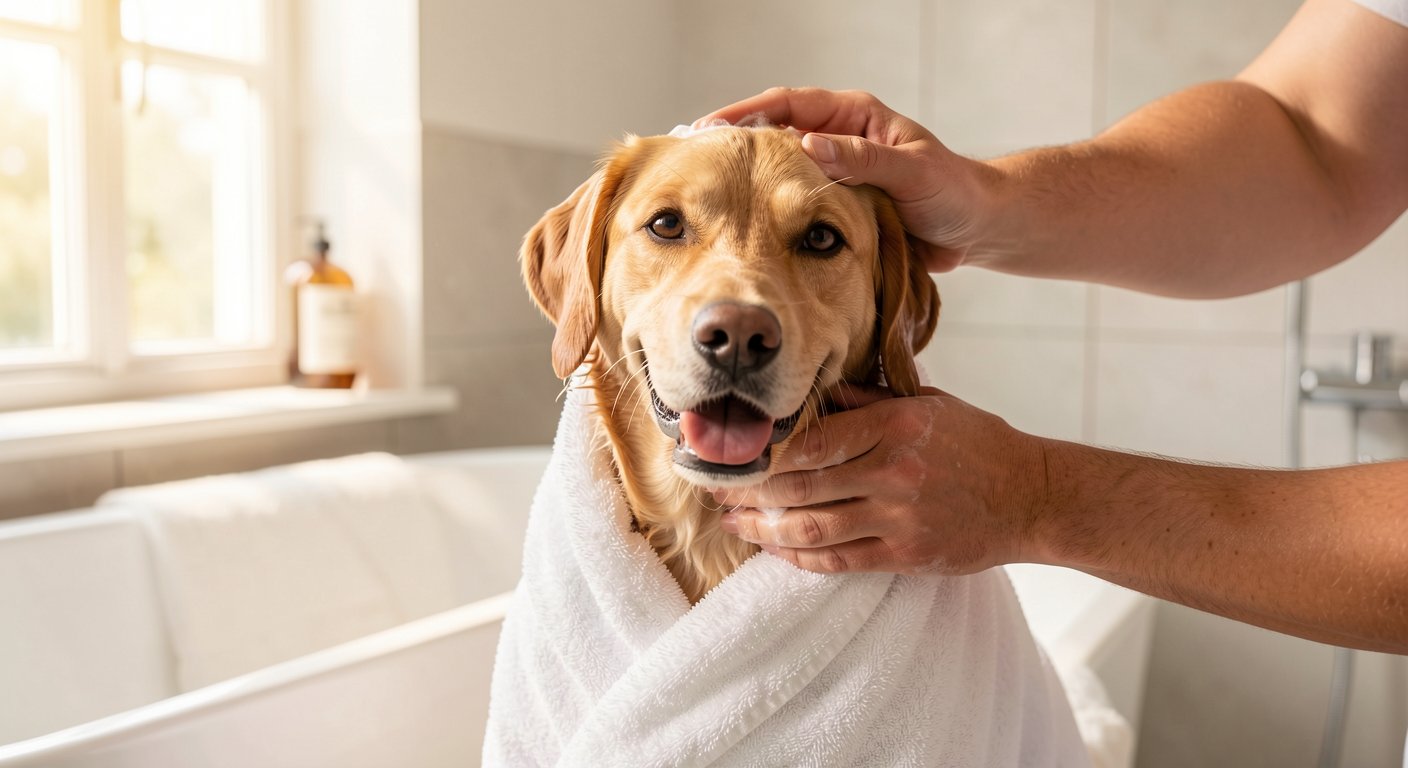
Fill your tub with three to four inches of lukewarm water. Place a cotton ball in each ear to block water. Wet your dog thoroughly, avoiding the eyes, ears, and nose. Apply dog shampoo from the neck back and lather gently, using a damp washcloth for the face. Rinse until the water runs completely clear, leftover shampoo causes skin irritation. Towel dry vigorously. If using a blow dryer, keep it on low or no heat. Remove the cotton balls and dry the ears thoroughly.
Step 3: Nail Trimming Without Fear
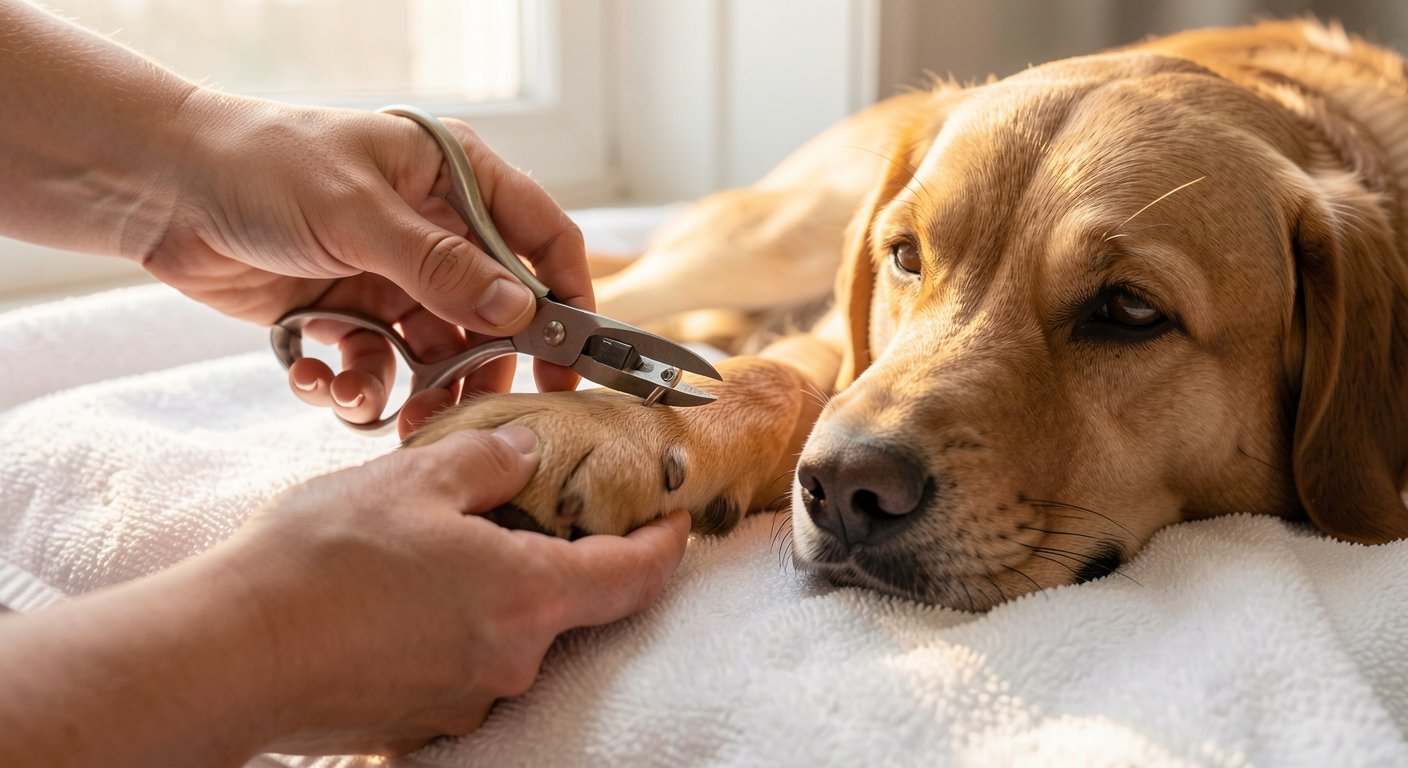
Learning how to trim dog nails safely avoid quick cuts takes practice. Hold the paw firmly. Place your thumb on the toe pad and forefinger on top of the toe. Push up slightly to extend the nail. Clip only the hook-like tip, cutting straight across. On white nails you can see the pink quick. On dark nails, look for a chalky white ring and stop there. Cut in small slivers, include the dewclaws, and always have styptic powder ready. If you cut the quick, apply styptic powder with pressure. Most dogs need nail trims every three to four weeks.
Step 4: Ear Cleaning Done Right
Following dog ear cleaning safety tips prevents common grooming injuries. A healthy ear is pink, odorless, and not inflamed. Only clean when you notice buildup or odor. Fill the ear canal with veterinary-formulated ear cleaning solution. Massage the base for about thirty seconds, you will hear a squishing sound. Let your dog shake, then wipe the outer ear with a cotton ball, no deeper than one knuckle. Never use cotton swabs or hydrogen peroxide. If you see redness, swelling, discharge, or smell something yeasty, see your veterinarian instead of cleaning.
Step 5: Tooth Brushing Basics
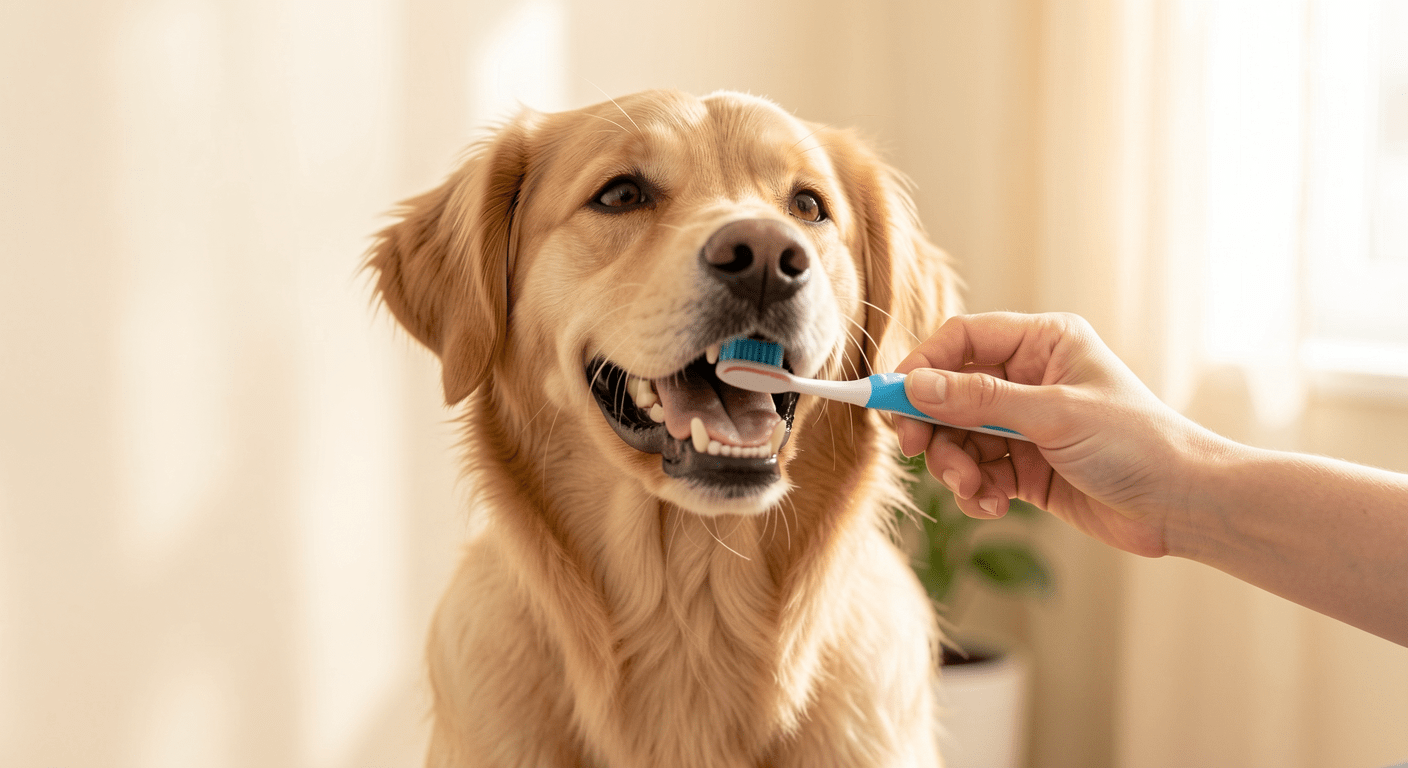
Use only dog toothpaste, human toothpaste contains xylitol and fluoride. Start with a finger brush and let your dog taste the toothpaste first. Gradually work up to a dog toothbrush at a forty-five degree angle to the gumline, cleaning in small circular motions on the outer surfaces. Aim for daily brushing but two to three times per week is the practical minimum.
Bonus: Paw Pad and Hygiene Care
Check paw pads for dryness or cracking. Trim excess hair between the toes with blunt-end scissors. Wipe mud from the coat with a damp towel between baths. Do not attempt to express your dog’s anal glands yourself, leave that to a professional.
Weekly brushing, basic baths for short-coated dogs, spot cleaning muddy paws, monthly ear checks, daily tooth brushing, and nail trims if your dog tolerates paw handling.
Severe matting close to the skin, breed-specific haircuts, anxious dogs who resist nail trims, anal gland expression, and dogs showing aggression during grooming.
Even if you use a professional groomer regularly, home maintenance between visits keeps your dog comfortable. This DIY dog grooming vs professional groomer balance is the gold standard.
How Often to Groom Your Dog by Breed and Coat Type
| Coat Type | Breed Examples | Best Brush | Frequency |
|---|---|---|---|
| Smooth / Short | Beagle, Boxer, Dalmatian | Rubber curry + bristle brush | Once per week |
| Short / Dense | Lab, Golden, Husky | Slicker + bristle + undercoat rake | Weekly (more during shedding season) |
| Long / Silky | Yorkie, Maltese, Collie | Slicker + bristle + wide/fine combs | Daily |
| Curly / Wool | Poodle, Bichon, Doodle | Slicker + metal comb | Daily to every other day |
| Wrinkled Skin | Pug, Bulldog, Shar Pei | Damp cotton cloth for folds | Weekly (more if folds stay damp) |
Puptify provides general education, not diagnosis or medical advice. Always use dog-specific products. Never clean ears with cotton swabs or hydrogen peroxide. Never shave a double-coated breed. If your dog shows signs of pain, infection, or severe anxiety during grooming, stop and contact your veterinarian. For nail quick bleeding that does not stop with styptic powder, seek veterinary care immediately.
Frequently Asked Questions
Q: How often should I groom my dog at home?
It depends on coat type. Smooth-coated dogs like Beagles need weekly brushing and baths every three months. Long-haired breeds like Collies need daily brushing. Curly-coated breeds like Poodles need daily brushing plus professional grooming every four to eight weeks.
Q: My dog hates having his paws touched. How do I trim his nails?
Start with a week-long desensitization plan. Touch his paws gently while giving treats. Let him sniff the clippers with rewards. Touch the clippers to his nails without cutting for several days. When you finally trim, do one nail at a time with a treat after each. If he remains extremely resistant, ask your vet for a demonstration.
Q: Can I use baby shampoo on my dog?
No. Human products, including baby shampoo, have a different pH balance than dog skin. They strip natural oils and cause irritation. Use only dog-formulated shampoo. Ask your vet for a recommendation if your dog has skin sensitivities.
Q: What if I accidentally cut my dog’s nail too short?
Stay calm and apply styptic powder to the bleeding tip with gentle pressure for thirty to sixty seconds. Most bleeding stops quickly. If it continues beyond a few minutes, contact your veterinarian. Always have styptic powder open and ready before you start trimming.
Q: Is at-home grooming enough, or do I still need a professional groomer?
Short-coated breeds can often be maintained entirely at home. Curly-coated and long-haired breeds need professional grooming every four to eight weeks in addition to home brushing. The ideal setup is consistent home maintenance between professional visits.
Keep Reading

Ready to Build Your Grooming Kit?
Browse our dog gear guides for tool recommendations and everything you need to keep your pup looking and feeling great.
Explore All Dog Gear Guides →