Everything You Actually Need Before Bringing Home a Puppy
The practical, no-fluff checklist for new puppy parents , and what you can safely Crate & Bedding.
🐾 Quick Answer
Pet stores will sell you $500 worth of things you don’t need. Here’s what actually matters: a properly sized crate, high-quality puppy food, safe chew toys, enzymatic cleaner for accidents, a 6-foot leash and flat collar with ID tag, stainless steel food and water bowls, and puppy-proofing supplies (baby gates, cord covers, trash can with lid). Start with these essentials. You can add beds, puzzle toys, and grooming supplies once the puppy is home and you know their specific needs.
🛏️
Food & Feeding
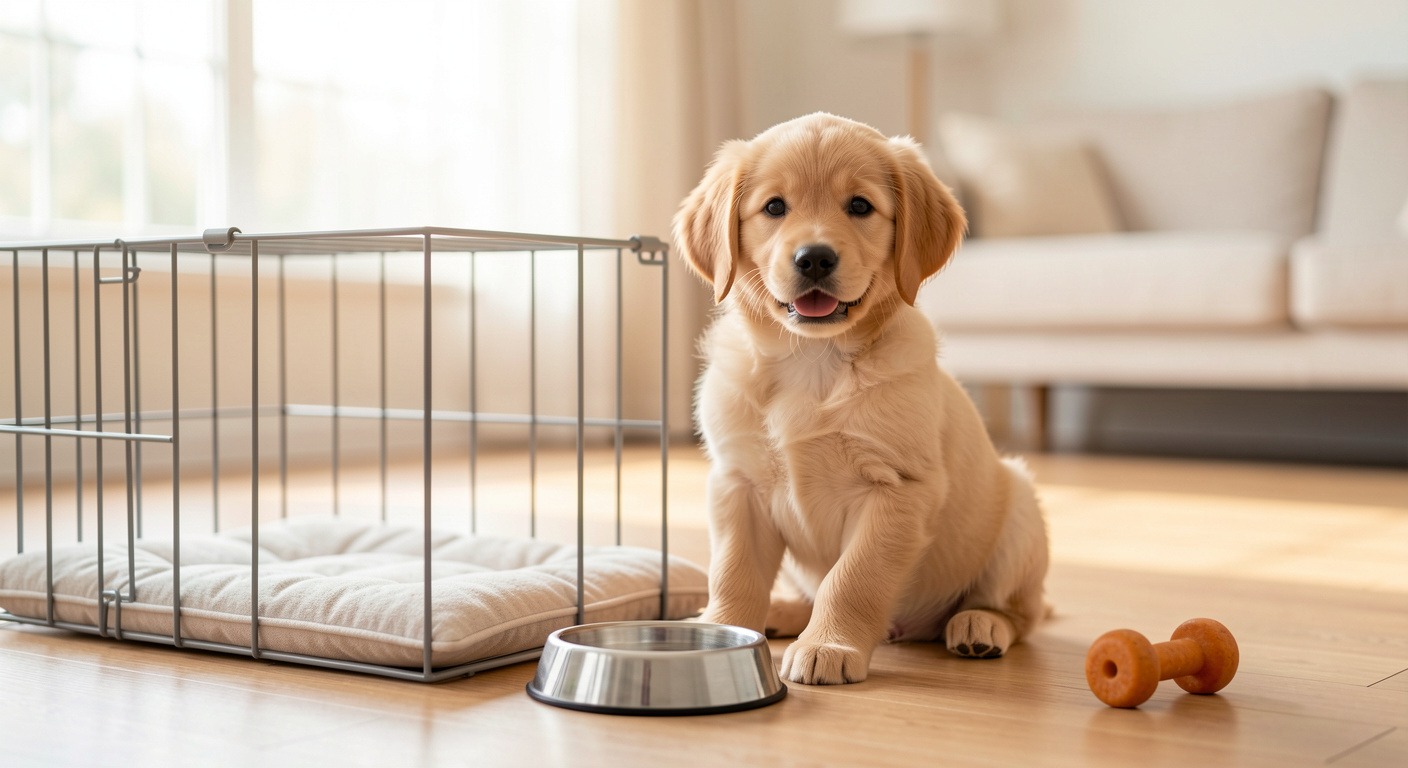
A wire crate with a divider (so it grows with your puppy), a washable crate pad, and a crate cover for nighttime. Skip expensive designer beds , puppies chew and have accidents.
🍽️
Puppy-Proofing
Puppy-specific food (AAFCO “growth” or “all life stages”), stainless steel bowls (not plastic , they harbor bacteria), and high-value training treats in tiny pieces.
🪥
Safety & Cleaning
Enzymatic cleaner (Nature’s Miracle or similar , regular cleaners don’t remove the scent that draws puppies back to accident spots), baby gates, cord protectors, and a secure trash can.
The
Essential Shopping List
Here’s everything you actually need, organized by priority. Buy these before your puppy comes home.
Top Priority: Buy Before Pickup Day
Crate: Wire crate with a divider panel. Size it so the puppy can stand, turn around, and lie down , no bigger, or they’ll use one corner as a bathroom. For most breeds, a 36-inch crate with divider works for the puppy stage; large breeds may need a 42-inch eventually.
Food: Start with whatever the breeder or rescue has been feeding. Sudden food changes cause diarrhea. After a week, you can gradually transition to your preferred brand over 7-10 days.
Leash and collar: A 6-foot nylon or leather leash (not retractable , you need control, especially during training). A flat buckle collar with an ID tag that includes your phone number. Get the tag BEFORE pickup day.
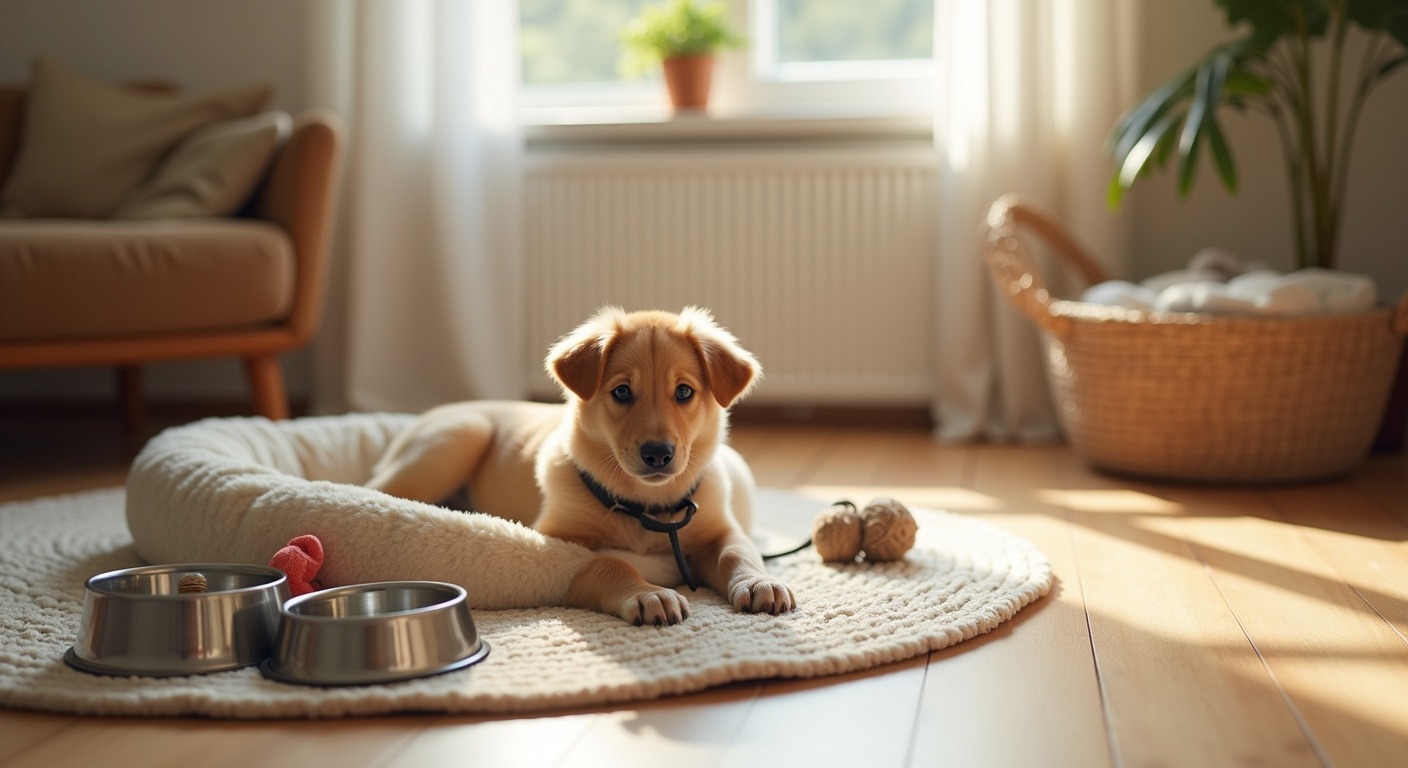
Food and water bowls: Stainless steel. They’re dishwasher-safe, don’t harbor bacteria like plastic, and can’t be chewed. Heavy-bottomed ones prevent tipping.
Enzymatic cleaner: Regular household cleaners won’t remove the protein-based scent of urine. Your puppy will smell their old accident spots and return to them. Enzymatic cleaners break down those proteins completely.
Chew toys: Puppies explore the world with their mouths. Without appropriate chew toys, they’ll use your furniture, shoes, and hands. Start with: a Kong (stuffed with kibble and frozen), a Nylabone for teething, and a soft plush toy for comfort. Avoid rawhide (choking hazard), cooked bones (splinter), and anything small enough to swallow.
Second Priority: Buy Within the First Week
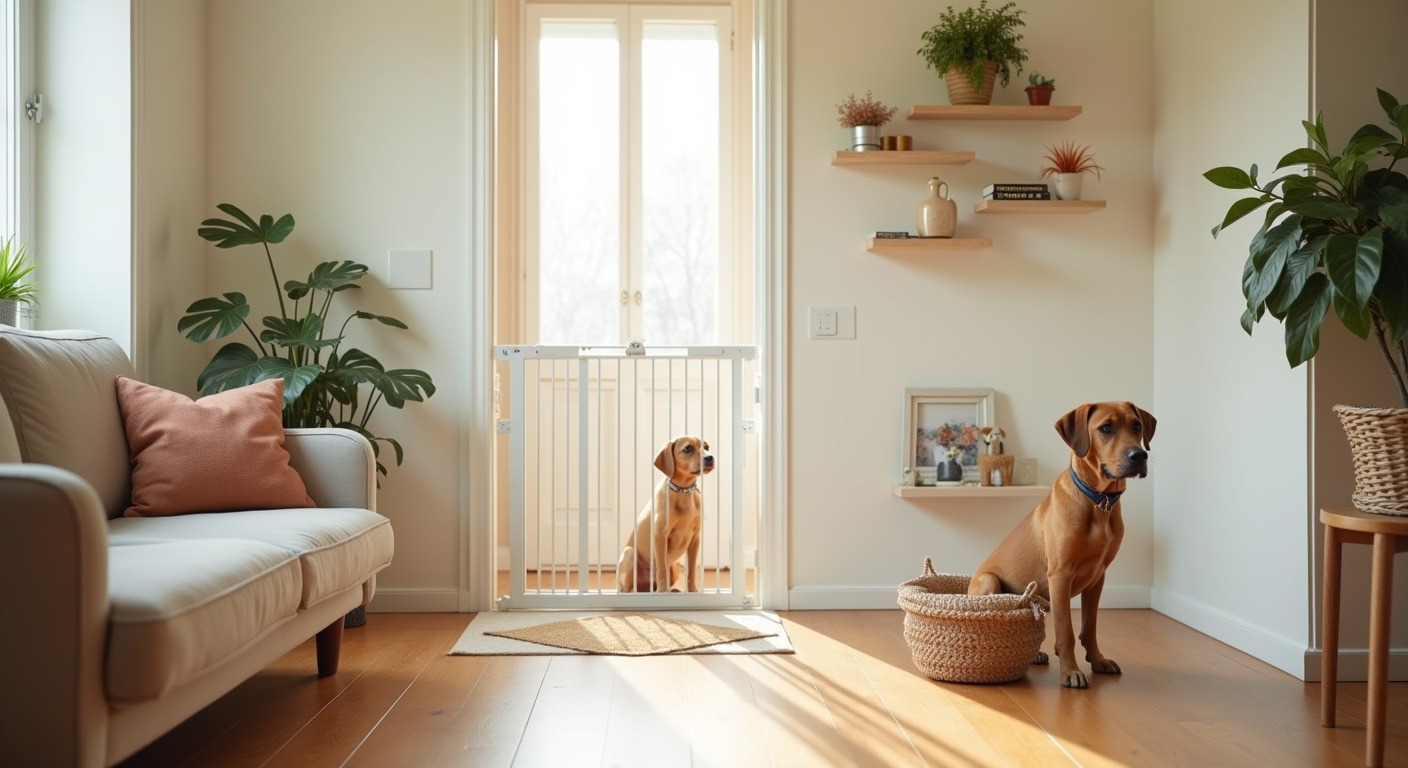
Baby gates: Block off rooms you don’t want the puppy in. Pressure-mounted gates work for most doorways. You need at least one.
Training treats: Tiny, soft, and smelly. Cut larger treats into pea-sized pieces. A puppy will go through hundreds of treats in the first month of training.
Poop bags and holder: Buy in bulk. You’ll use 3-5 per day, every day, for years.
Grooming basics: A soft brush appropriate for your puppy’s coat type, puppy-safe shampoo, and nail clippers or a grinder. Start handling paws, ears, and mouth gently from day one to make grooming a normal part of life.
Nice to Have, But Wait
Dog bed: Wait until you know your puppy’s chewing habits. Many puppies destroy expensive beds within days. A crate pad or old towels work fine for the first few months.
Puzzle toys and advanced enrichment: Start with a Kong. Add complexity as you learn what engages your specific puppy.
Clothing and accessories: Bandanas, sweaters, and booties are fun but not essential. Wait until you know your puppy’s size and tolerance for wearing things.
skip Your Home
Get on your hands and knees and look at your home from a puppy’s eye level. Electrical cords, houseplants (many are toxic , check the ASPCA toxic plant list), medications on nightstands, shoes in entryways, kids’ toys with small parts, remote controls (batteries are dangerous if chewed) , these all need to be secured or removed.
Secure trash cans with lids. Cover or block access to electrical cords with cord protectors or PVC pipe. Put cleaning supplies, laundry pods, and any chemicals in cabinets with childproof latches. One dishwasher pod can be fatal to a puppy.
The Cost Reality
Initial supplies typically cost $200-500 depending on quality. But the real costs come after: first-year veterinary care (vaccines, spay/neuter, microchip, preventatives) runs $500-1,500. Monthly costs (food, preventatives, treats, waste bags) average $80-150. Training classes: $100-300 for a basic 6-week course. Emergency fund: keep $1,000-2,000 accessible for unexpected vet bills.
Budget for these before bringing a puppy home. The purchase price or adoption fee is the cheapest part of dog ownership.
⚠️ Puppy safety essentials: Puppy-proof BEFORE the puppy arrives , not after the first accident. Keep the ASPCA Animal Poison Control number (888-426-4435) saved in your phone. Know the location of your nearest 24-hour emergency veterinary hospital. Never leave a puppy unsupervised with: electrical cords, cleaning products, human medications, toxic foods (chocolate, grapes, xylitol, onions, garlic), string/yarn/ribbon (can cause intestinal blockages), or small objects they could swallow. Puppies explore with their mouths , if it fits in their mouth, it’s a hazard.
FAQ
Q: How big a crate should I buy?
Get a crate sized for your puppy’s ADULT size with a divider panel. For most medium breeds (30-60 lbs adult), a 36-inch crate works. Large breeds (60-90 lbs) need 42 inches. Giant breeds (90+ lbs) need 48 inches. The divider lets you expand the space as the puppy grows. Too much crate space = bathroom accidents.
Q: What’s the one thing most new puppy owners forget?
An ID tag. Puppies escape. Doors get left open. Get a tag with your phone number before pickup day. Microchipping (done at the vet) is the backup , the tag is the first line of defense. Also: enzymatic cleaner. Nobody thinks about it until the first accident on the carpet.
Q: Should I buy pet insurance before bringing the puppy home?
Yes, or within the first week. Most policies have waiting periods (14 days for illness, 2-3 days for accidents), and pre-existing conditions are excluded. The earlier you enroll, the more coverage you’ll have. Puppies are accident-prone , foreign body ingestion from eating socks and toys is one of the most common $2,000-5,000 emergency surgeries.