Living With a Siberian Husky: What No One Tells You
Siberian Huskies are gorgeous, friendly, and high-maintenance. They need at least 2 hours of vigorous exercise daily, a securely fenced yard (they’re escape artists), and an owner who understands that Huskies were bred to RUN , not to obey. They’re pack dogs who love everyone (terrible guard dogs), shed constantly, and can clear a 6-foot fence when bored. If you can provide the exercise, cold-weather adventures, and patience for a dog who may never have perfect recall, a Husky can be an incredibly rewarding companion.
Born to Run
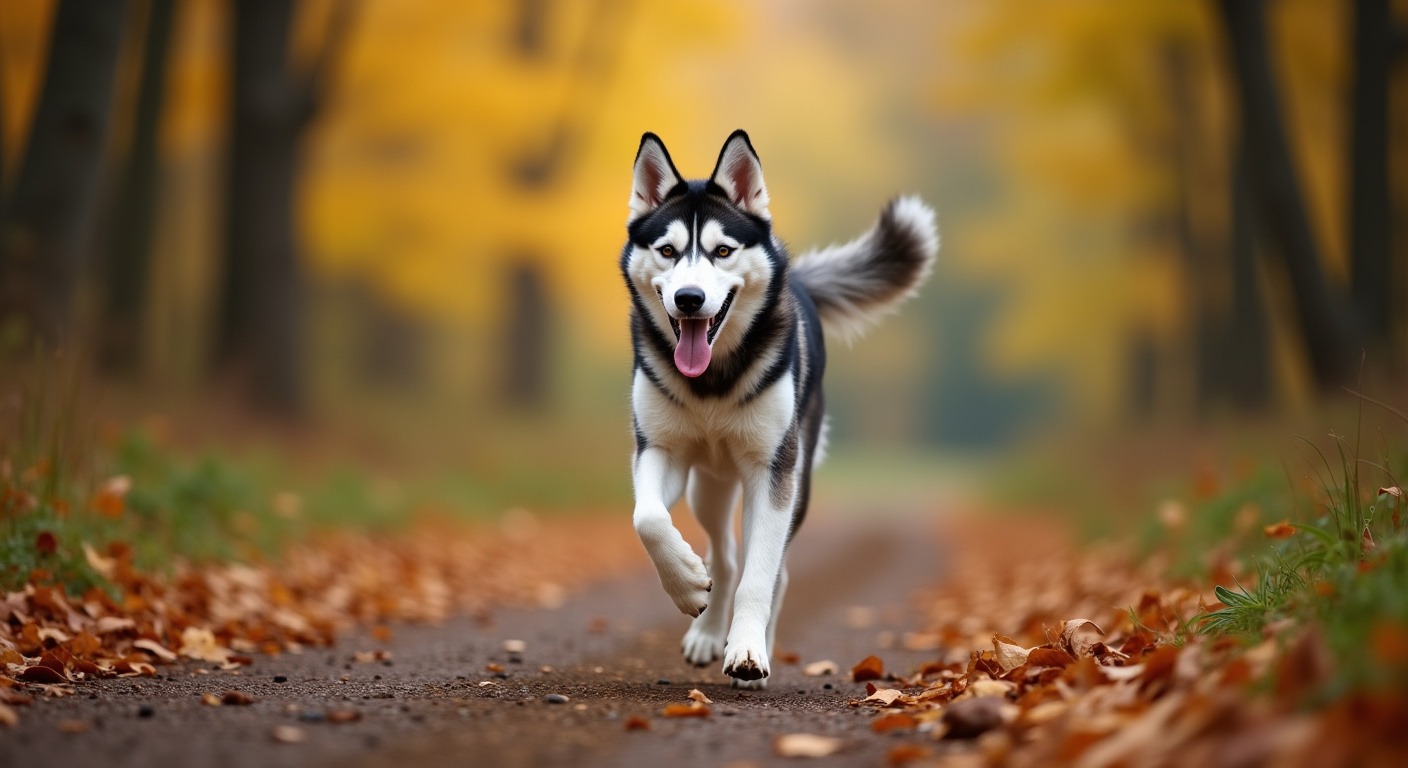
Huskies were bred to pull sleds across hundreds of miles. A 20-minute walk doesn’t cut it. They need running, pulling sports (canicross, bikejoring, sledding), or hours of off-leash play in secure areas daily.
Talkers, Not Barkers
Huskies rarely bark , they howl, yodel, and “talk” in dramatic vocalizations. They’ll argue with you and tell you exactly how they feel. This is charming to some owners, unbearable to others.
Escape Artists
Huskies can jump, dig under, or climb over fences that contain most other breeds. They need 6-foot minimum fences with underground barriers and self-closing gates. Microchip and ID tag are non-negotiable.
Breed Overview
The Siberian Husky originated with the Chukchi people of northeastern Asia, who developed them as endurance sled dogs capable of covering vast distances in extreme cold while consuming minimal food. They arrived in North America during the 1908 Alaskan gold rush and gained fame during the 1925 serum run to Nome (though Balto was the hero, the longest and most dangerous leg was run by Togo, another Husky).
Size: Males 45-60 lbs, 21-24 inches tall. Females 35-50 lbs, 20-22 inches.
Lifespan: 12-15 years.
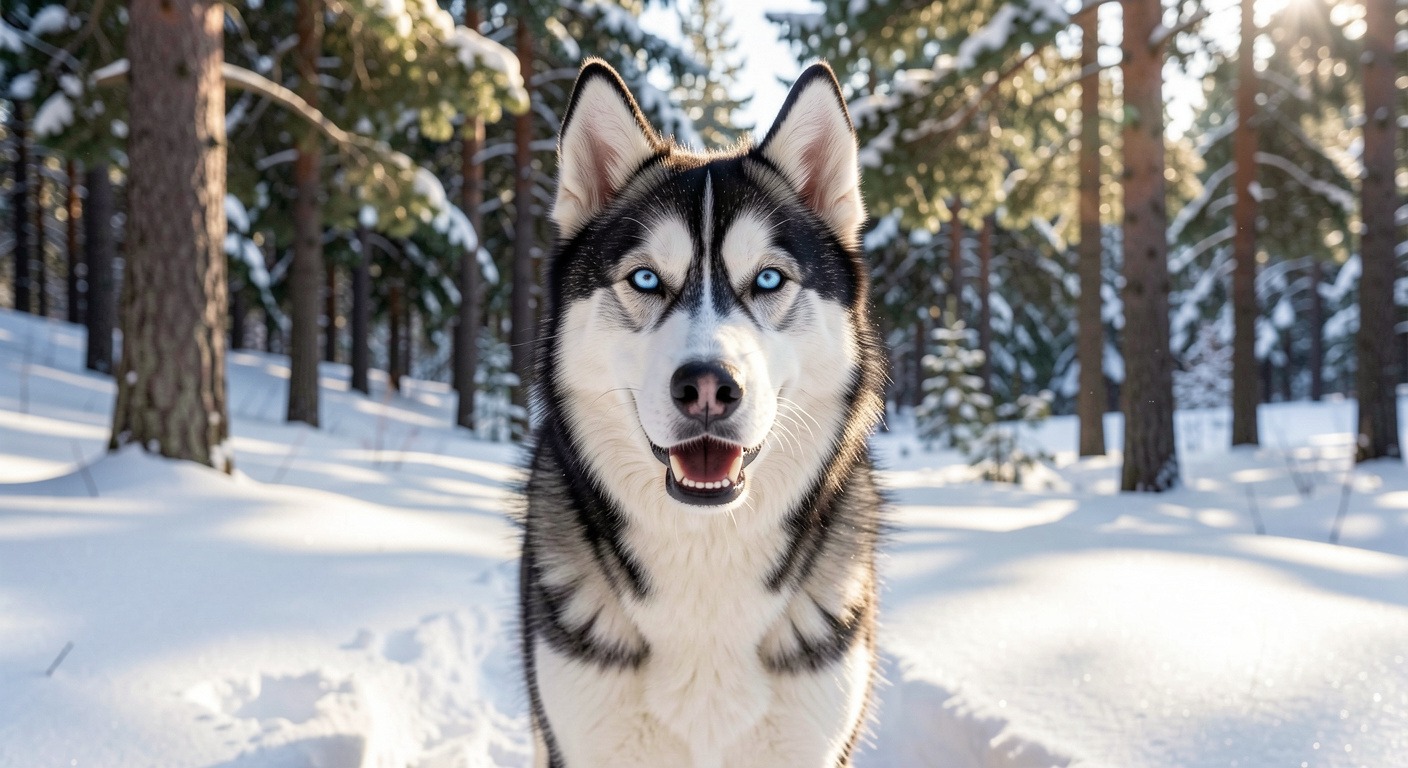
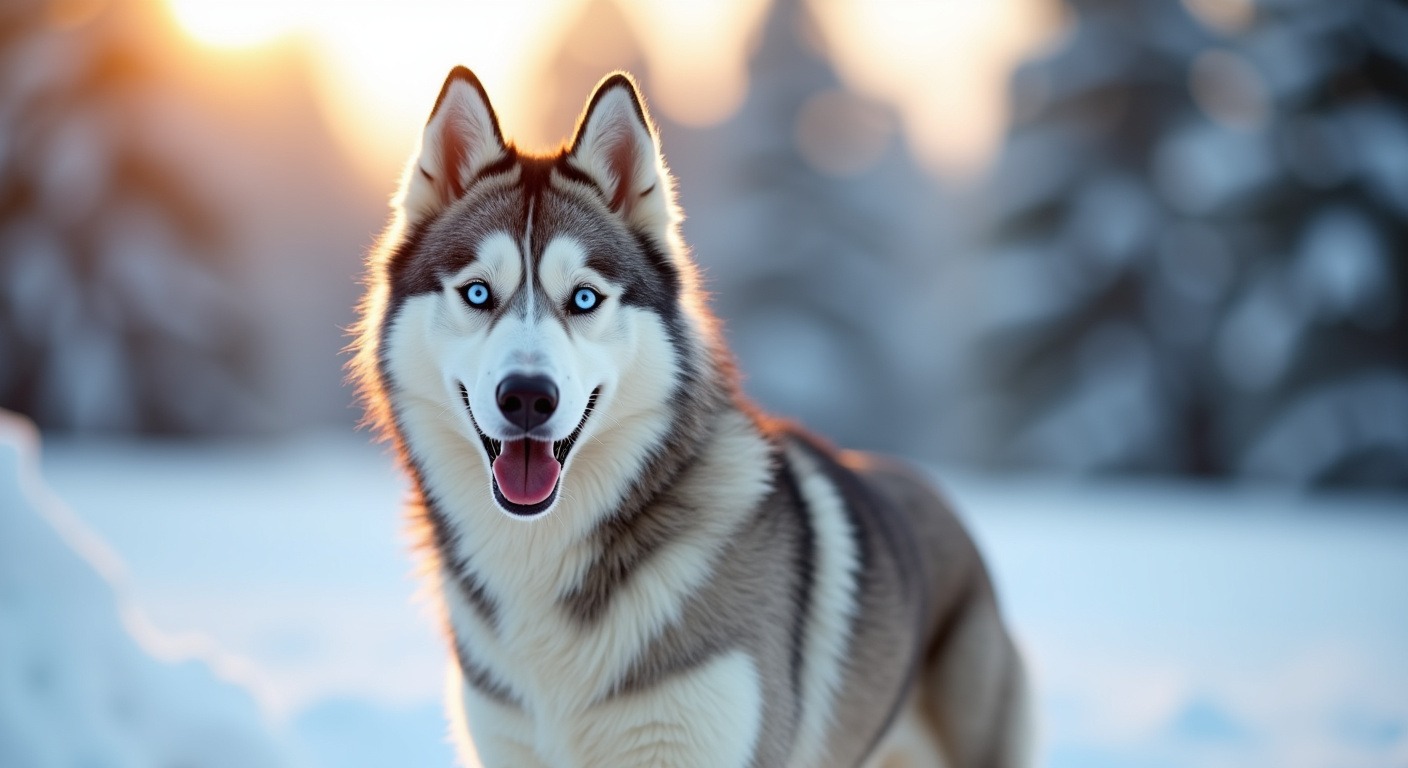
Coat: Thick double coat , dense undercoat with medium-length guard hairs. Colors range from black and white to copper-red, grey, sable, and pure white. Most have striking facial masks.
Eyes: Blue, brown, amber, or one of each (heterochromia) , the blue eyes are iconic but not universal.
Shedding: Twice a year they “blow coat” , fur comes out in tumbleweed-like clumps for 2-3 weeks. The rest of the year, moderate but constant shedding.
Husky Temperament: Friendly, Not Obedient
This is the most misunderstood aspect of the breed. Huskies are incredibly friendly, social dogs who love everyone , strangers, children, delivery drivers. This makes them terrible guard dogs. They will welcome a burglar with wagging tails.
They’re also independent thinkers. Huskies weren’t bred to obey commands , they were bred to run in a team and make split-second decisions about ice conditions and trail safety. A musher gives direction, but the lead dog has autonomy. That autonomy is baked into Husky DNA. Your “sit” command will receive a thoughtful evaluation: Is this worth my time? What’s in it for me?
This doesn’t mean they can’t be trained. It means training requires patience, creativity, and the understanding that a Husky’s cooperation is a negotiation, not unquestioning obedience. Positive reinforcement works. Punishment-based methods backfire , Huskies are sensitive and will shut down or become avoidant.
Exercise: The Non-Negotiable
A tired Husky is a good Husky. An under-exercised Husky is a destructive, howling, fence-climbing nightmare. They need:
Minimum 2 hours of vigorous exercise daily. Walking on a leash isn’t enough. Think: running alongside a bike, pulling sports (canicross, bikejoring, sledding), long hikes with a backpack, or serious fetch sessions in a large fenced area.
Mental stimulation. Puzzle toys, scent work, obedience training sessions, and “jobs” like carrying a backpack on hikes. A bored Husky will create their own entertainment , usually involving destruction.
Never off-leash in unfenced areas. Huskies have high prey drive and poor recall. They will chase squirrels, cats, and deer for miles without looking back. Many Husky rescues come from dogs who slipped a leash or escaped a yard.
Health Considerations
Huskies are generally healthy with fewer genetic issues than many purebreds, but they have specific vulnerabilities:
Hip dysplasia , common in medium-large breeds. Choose a breeder who screens breeding dogs through OFA or PennHIP.
Eye conditions , juvenile cataracts, corneal dystrophy, and progressive retinal atrophy (PRA) appear in some lines. Annual eye exams by a veterinary ophthalmologist are recommended.
Hypothyroidism , underactive thyroid gland causing weight gain, hair loss, and lethargy. Treatable with daily medication.
Zinc-responsive dermatosis , Huskies can have trouble absorbing zinc, leading to skin lesions and hair loss. Supplementation under veterinary supervision resolves most cases.
Heat sensitivity: Huskies are built for -60°F, not 90°F. In warm climates, exercise during cool hours only, provide air conditioning and cooling mats, and never shave their coat (it protects against both cold AND heat).
Is a Husky Right For You?
Ask yourself honestly:
Can you provide 2+ hours of active exercise every day, rain or shine, for the next 12-15 years? Do you have a securely fenced yard or access to safe running spaces? Can you handle a dog who may never be trusted off-leash? Are you okay with dog hair on every surface of your home? Do you have experience with independent, strong-willed breeds?
If you answered yes to all of these, a Husky could be your dream dog. They’re joyful, affectionate, hilarious, and endlessly entertaining. They make terrible couch potatoes but incredible adventure partners.
FAQ
Q: Do Huskies shed a lot?
Yes. Twice a year they “blow” their entire undercoat over 2-3 weeks , think fur tumbleweeds. The rest of the year, moderate shedding. You will find Husky hair in places your Husky has never been. Weekly brushing helps; daily brushing during coat-blowing season is essential.
Q: Can Huskies live in warm climates?
They can, but it requires serious commitment: air conditioning, exercise only during cool hours (early morning/late evening), cooling mats, plenty of water, and never shaving their coat (it provides insulation against heat as well as cold). If you live in consistently hot areas (Arizona, Florida, Texas), consider whether a cold-weather breed is fair to the dog.
Q: Are Huskies good with cats and small animals?
Generally no. Huskies have extremely high prey drive. Some Huskies raised with cats from puppyhood coexist peacefully, but many will chase and potentially harm cats, rabbits, or other small pets. Never leave a Husky unsupervised with small animals.
Q: How do I find a responsible Husky breeder?
Look for breeders who: perform OFA hip and eye certifications on breeding dogs (check the OFA database), let you meet the puppy’s parents, raise puppies in their home (not kennels), ask YOU extensive questions about your lifestyle, and have a contract requiring you to return the dog to them if you can’t keep it. Avoid breeders who always have puppies available, won’t show health clearances, or sell through pet stores.
Ready for the Adventure?
A Husky isn’t just a pet , they’re a lifestyle. If you’ve got the energy, the fence, and the sense of humor, there’s nothing quite like them.
Explore More Breeds →