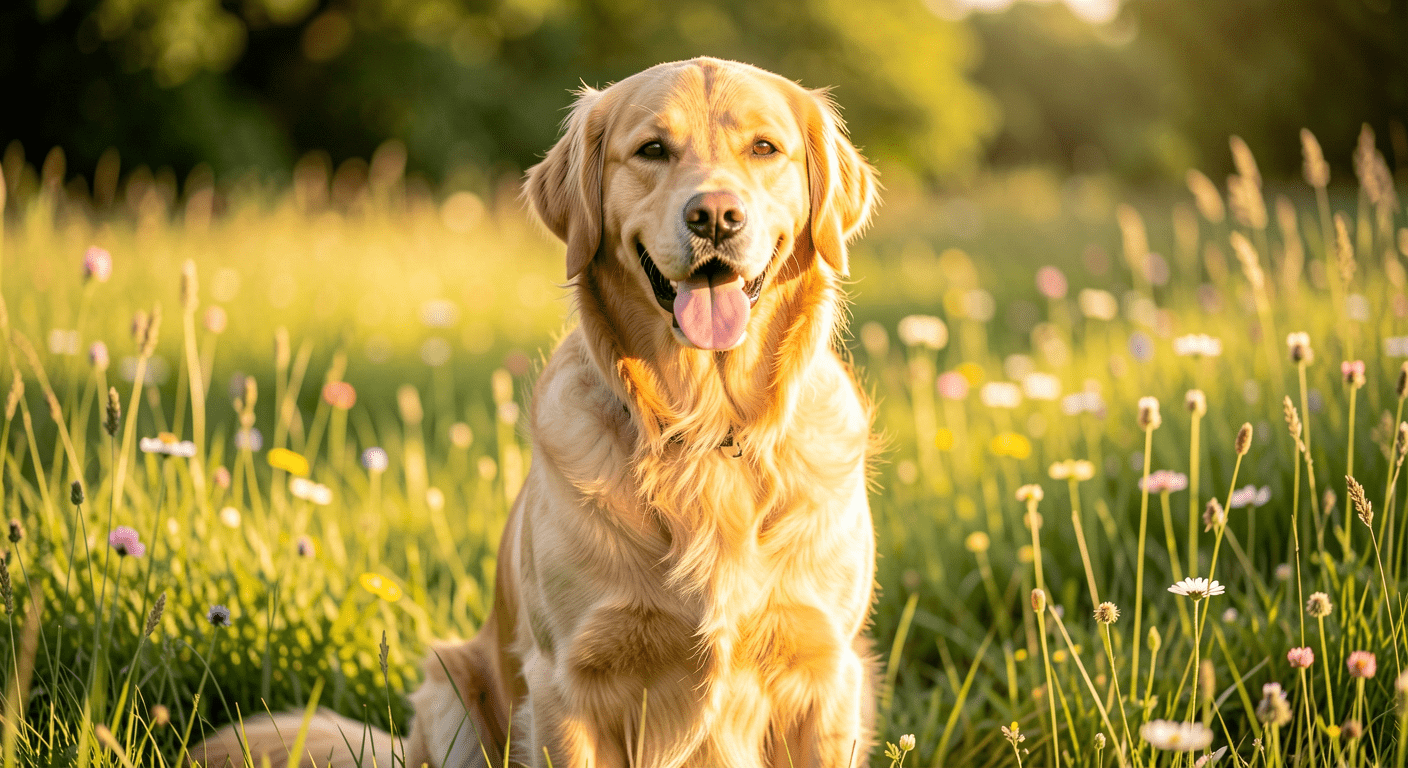
America’s Heart Dog
Golden Retrievers are medium-to-large sporting dogs (55 to 75 lbs) with a 10 to 12 year lifespan. They are famously friendly, patient, and eager to please, making them one of the most popular family dogs for active homes. But they shed heavily, need at least 60 minutes of daily exercise, and carry breed-specific health risks including elevated cancer rates. A well-bred Golden from health-tested parents is a wonderful companion, but only if you are ready for the fur, the energy, and the long-term commitment.
Friendly, patient, eager to please. Excellent with children and other pets. Not a guard dog — will greet strangers warmly.
10 to 12 years. Prone to cancer, hip dysplasia, ear infections, and bloat. Health testing of parent dogs is essential.
60 to 90 minutes daily. Swimming, fetch, and off-leash running are ideal. An under-exercised Golden becomes restless and destructive.
Quick Answer: Is a Golden Retriever a Good Dog for You?
If you want a loyal, affectionate dog who thrives on family time and outdoor activity, a Golden Retriever can be an excellent match. These dogs are warm, eager to please, and deeply bonded to their people. They are among the most trainable breeds and one of the top choices for first-time dog owners who are ready to put in the daily work.
But the trade-offs are real. Golden Retrievers shed constantly. They need real exercise every day, not a quick walk around the block. They can develop separation anxiety if left alone for long hours. And their breed-specific health risks, particularly cancer, mean you should budget for pet insurance or an emergency fund from day one.
This guide covers everything you need to decide: temperament details, exercise requirements, grooming realities, health concerns, lifetime costs, puppy care, and how Goldens compare to Labrador Retrievers. By the end, you will know whether a Golden Retriever is the right dog for your home.
Golden Retriever Breed Snapshot
| Trait | Golden Retriever at a Glance |
|---|---|
| Breed Group | Sporting (AKC) |
| Height | Males 23 to 24 in; Females 21.5 to 22.5 in at shoulder |
| Weight | Males 65 to 75 lbs; Females 55 to 65 lbs |
| Lifespan | 10 to 12 years |
| Coat Type | Dense, water-repellent double coat in shades of cream to dark gold |
| Shedding Level | Heavy — year-round shedding with seasonal coat blows twice a year |
| Exercise Needs | High — 60 to 90 minutes of daily exercise |
| Trainability | Excellent — among the most trainable breeds; food-motivated and eager to please |
| Barking Level | Moderate — barks to greet or during play, not prone to nuisance barking |
| Good with Children | Excellent — patient and gentle; supervision recommended with young children |
| Good with Other Pets | Excellent — social and non-confrontational with other dogs and pets |
| Best For | Active families, homes with a yard, first-time owners committed to training, outdoor enthusiasts |
| Not Ideal For | Sedentary owners, apartment dwellers without access to outdoor space, people who dislike dog hair, those seeking a guard dog |

Golden Retriever Temperament and Personality
Golden Retrievers were developed in Scotland to retrieve waterfowl alongside hunters. That working history shaped their core personality: cooperative, eager to please, and famously soft-mouthed. They bond deeply with their people and do not do well when left alone for long stretches.
Here is the honest day-to-day reality: a Golden will follow you from room to room. They will drop a tennis ball at your feet dozens of times a day. They will greet every visitor like a long-lost friend. They mature slowly, often keeping their goofy puppy energy until age 3 or 4. And they shed everywhere. If you love black clothing and spotless floors, this breed will test your patience daily.
Golden Retrievers are one of the most popular family dogs for active homes because of their patient, gentle nature. But no breed is perfect for every household. The sections below break down how Goldens behave in specific situations so you can judge whether this temperament fits your life.
With Family
Goldens are deeply devoted to their families. They want to be part of everything, from morning routines to evening relaxation. They are not one-person dogs; they typically bond with every family member and thrive on inclusion in daily activities. After exercise needs are met, they are calm and affectionate indoors, happy to rest near you.
With Children
Golden Retrievers are famously patient and gentle with children, which is why so many families choose them. Their tolerant nature and soft mouth (bred for carrying game birds without damage) make them less likely to react sharply to accidental grabs or tugs. However, their size and happy energy mean an excited Golden can accidentally knock over a toddler with a wagging tail or a friendly body bump. Always supervise interactions and teach children how to respect a dog’s space.
With Other Dogs
Most Goldens get along well with other dogs. Their social, non-confrontational nature makes them good candidates for multi-dog homes and dog parks. Early socialization helps, but their default orientation is usually friendly and playful.
With Strangers
Golden Retrievers are not guard dogs. They will warmly greet delivery people, neighbors, and houseguests with the same enthusiasm they show you. If you want a dog that is wary of unfamiliar people, this is not the breed. If you want a dog that makes everyone feel welcome, a Golden is exactly that.
Are Golden Retrievers Good for First-Time Owners?
Yes, Golden Retrievers are one of the best breeds for first-time dog owners who are genuinely prepared for daily exercise, consistent training, heavy shedding, and breed-specific health awareness. Their eagerness to please and patient temperament forgive new-owner mistakes. But they are not low-maintenance — this breed needs time, energy, and financial commitment every single day.
Golden Retrievers are forgiving and trainable, which makes them an excellent first-dog choice. Their food motivation and desire to please make training more rewarding and less frustrating for a new owner. Puppy classes and basic obedience are worth every dollar, both for the skills your dog learns and the confidence you build as a handler.
However, first-time owners must be genuinely prepared for:
- Daily exercise. A short walk around the block is not enough. Plan for 60 to 90 minutes of real activity every day.
- Heavy shedding. Fur will be on your clothes, furniture, and floors. Daily brushing during shedding season is not optional.
- Training consistency. Their size and adolescent enthusiasm can be overwhelming without structure. Puppy classes and early socialization are essential.
- Health costs. Budget for pet insurance or an emergency fund. Cancer rates in Goldens are higher than in many other breeds.
If you are ready for all of that, a Golden Retriever is one of the most rewarding first dogs you can choose. If you are hoping for a low-maintenance companion who is fine with minimal exercise, this is not the right breed for you. Our new dog owner guide covers more of what first-time owners should expect.
Golden Retriever Exercise Needs
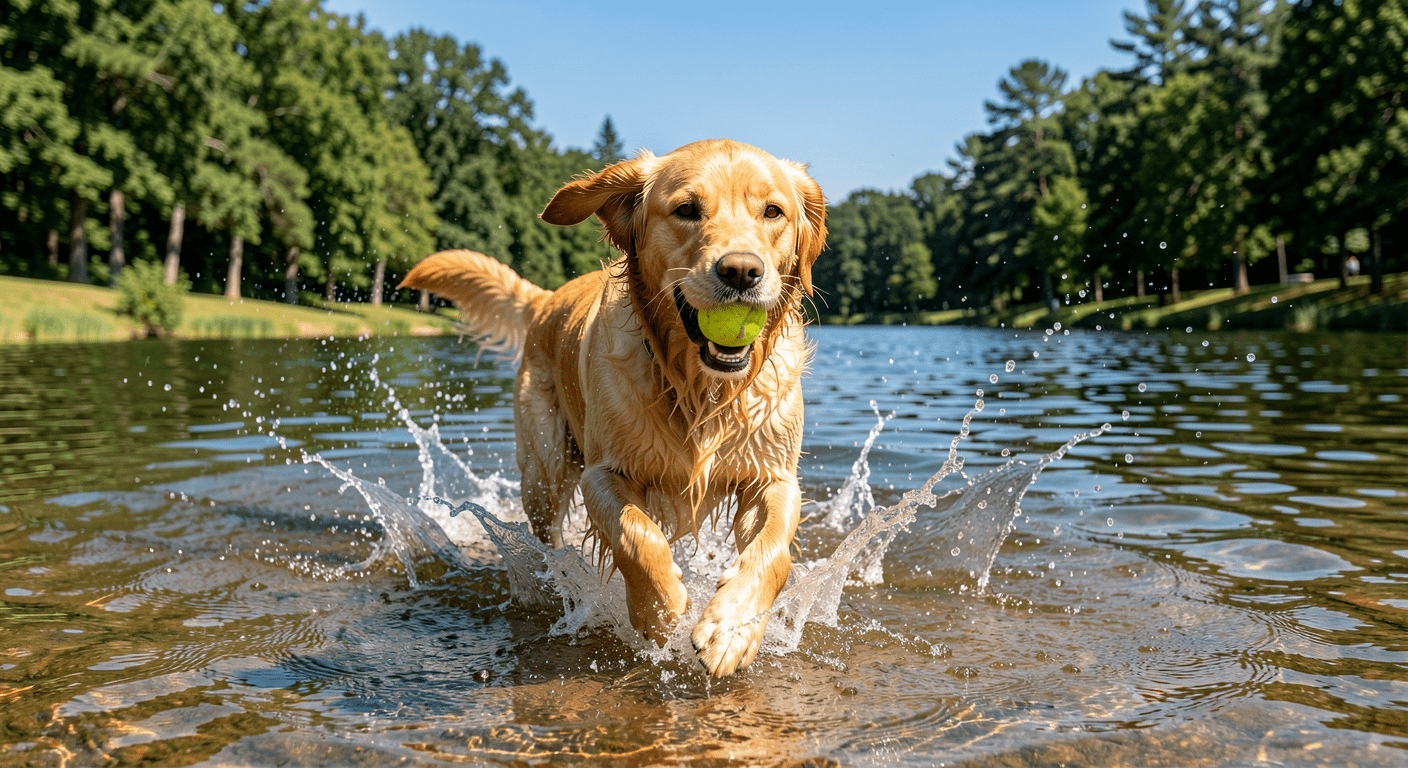
Adult Golden Retrievers need at least 60 minutes of real exercise every day. A short leashed walk around the neighborhood is not enough. They thrive on swimming, fetch, off-leash running, and mental stimulation like puzzle toys and scent work. Without adequate daily exercise, Goldens become restless, destructive, and may develop behavior problems.
A tired Golden is a happy, calm Golden. These dogs were bred for long days of retrieving in the field, and that work ethic lives in every Golden today. Here is what a good exercise routine looks like:
- Swimming. Goldens are natural water dogs. Swimming is low-impact, burns energy fast, and protects their joints — ideal for dogs with or at risk for hip dysplasia.
- Fetch and retrieving games. This is what they were bred to do. A Chuckit launcher and open space equal pure Golden happiness.
- Off-leash running. A securely fenced yard or a safe dog park gives them the freedom to sprint and explore.
- Mental stimulation. Puzzle toys, scent work, and short training sessions tire out their brain as much as their body. A mentally bored Golden finds trouble.
An under-exercised Golden will create their own entertainment. Digging, chewing furniture, and counter-surfing are common complaints from owners who skip the daily workout. Puppies and adolescents need even more structured activity, broken into shorter sessions throughout the day. For more on building a solid exercise and training routine, see our complete dog training guide.
Golden Retriever Training Needs
Golden Retrievers are among the easiest breeds to train. They are intelligent, highly food-motivated, and genuinely want to please you. Positive reinforcement — treats, praise, and play — works beautifully. Harsh corrections or punishment-based methods are both unnecessary and counterproductive with a dog this sensitive and willing.
Goldens are a trainer’s dream. Their combination of intelligence, food drive, and eagerness to please means they pick up commands quickly and retain them well. Positive reinforcement methods produce the best results with this breed. They shut down under harsh handling and thrive under encouragement.
Key training priorities for Golden Retriever puppies and adolescents:
- Loose-leash walking, early. An adult Golden that pulls can easily overpower most handlers. Start leash manners the day you bring your puppy home.
- Impulse control. Their enthusiasm for food and greetings needs patient, consistent boundary work. A “wait” or “leave it” command is essential.
- Reliable recall. Their retrieving instincts make them prone to chasing squirrels and birds. A rock-solid recall keeps them safe off-leash.
- Socialization. Expose your puppy to different people, friendly dogs, environments, surfaces, and sounds during the critical socialization window (8 to 16 weeks).
Puppy kindergarten followed by basic obedience classes are worth every dollar. The mental engagement and bonding time benefit both you and your dog. For detailed training techniques and schedules, check our dog training guide and positive puppy crate training guide.
Golden Retriever Grooming and Shedding
Yes, Golden Retrievers shed heavily. They have a dense double coat that sheds moderately year-round and blows out heavily twice a year during seasonal changes. Expect fur on your furniture, clothes, and floors regardless of how often you clean. Daily brushing during shedding seasons with an undercoat rake is essential. Professional grooming or at-home baths every 6 to 8 weeks helps manage the coat.
The Golden Retriever’s beautiful golden coat comes with a price: constant shedding. Here is what a realistic grooming routine looks like for this breed:
- Brushing: Daily during shedding seasons (spring and fall); 3 to 4 times per week otherwise. An undercoat rake is the tool that actually reaches and removes the loose undercoat fur. A slicker brush alone will not cut it.
- Bathing: Every 6 to 8 weeks, or when noticeably dirty. Bathing too frequently strips natural oils from the coat and can cause dry, irritated skin.
- Ear care: Clean and dry after every swim, bath, or wet outdoor adventure. Those floppy ears trap moisture and are prone to bacterial and yeast infections.
- Nail trims: Every 3 to 4 weeks. Long nails are uncomfortable and can affect gait and joint health over time.
- Dental care: Brush teeth several times a week. Dental chews help between brushings but do not replace brushing. See our dog dental care guide for a full routine.
Invest in a high-quality vacuum cleaner designed for pet hair. You will use it often. If you are particular about a fur-free home, a Golden Retriever will challenge that expectation daily. For tool recommendations, see our best dog grooming tools guide.
Golden Retriever Health Problems
Golden Retrievers are predisposed to several serious health conditions, with cancer being the leading cause of death in the breed (affecting roughly 60% of Goldens). Other common concerns include hip and elbow dysplasia, ear infections, progressive retinal atrophy, hypothyroidism, and bloat. Health testing of parent dogs significantly reduces but does not eliminate these risks. Pet insurance and regular veterinary checkups are strongly recommended.
Like all purebred dogs, Golden Retrievers have known breed predispositions. These are risks, not guarantees — but they are risks you should understand before bringing a Golden into your home. Responsible breeding makes a significant difference in reducing the likelihood of many of these conditions.
Common health concerns in Golden Retrievers:
- Cancer (hemangiosarcoma, lymphoma, osteosarcoma). The number one cause of death in Golden Retrievers, affecting an estimated 60% of the breed. The Morris Animal Foundation Golden Retriever Lifetime Study is the largest observational study ever conducted in veterinary medicine and is actively researching why cancer rates are so high in Goldens. Some research suggests early spay/neuter may influence cancer risk — discuss timing with your veterinarian.
- Hip and elbow dysplasia. Common developmental joint conditions in larger breeds. Responsible breeders screen with OFA or PennHIP certifications before breeding. Keeping your Golden at a lean body weight throughout life reduces stress on joints. Learn more from Cornell’s canine hip dysplasia resource.
- Ear infections. Floppy ears trap moisture and create a warm, dark environment where bacteria and yeast thrive. Weekly ear checks and thorough drying after swimming or bathing are your best defense.
- Progressive Retinal Atrophy (PRA) and cataracts. Inherited eye conditions that can lead to vision loss. Annual eye exams by a board-certified veterinary ophthalmologist are recommended for breeding dogs and beneficial for pets.
- Hypothyroidism. An underactive thyroid gland, manageable with daily medication and regular blood monitoring once diagnosed.
- Gastric Dilatation-Volvulus (GDV / bloat). A life-threatening emergency where the stomach fills with gas and twists. Goldens, like many deep-chested breeds, are at higher risk. Feed two or three smaller meals instead of one large meal, avoid vigorous exercise right after eating, and know the warning signs. Read the VCA Bloat/GDV guide for emergency symptoms.
- Obesity. Goldens love food and gain weight easily. Measure portions, limit treats to no more than 10% of daily calories, and keep your dog lean. Even a few extra pounds increase joint stress and can shorten lifespan.
Puptify provides general breed education, not veterinary diagnosis or individual health advice. The breed health risks described above are predispositions, not guarantees. Health-tested parents reduce risk but do not remove it. For your dog’s specific health concerns, diet, exercise limits, joint care, ear care, spay/neuter timing, or any symptoms, consult your veterinarian. If your dog shows signs of bloat (distended abdomen, unproductive retching, restlessness), seek emergency veterinary care immediately.
Health Testing Before Buying a Golden Retriever Puppy
If you are buying from a breeder, demand proof of health clearances. Responsible Golden Retriever breeders screen their breeding dogs for inherited conditions and share the results openly. The Golden Retriever Club of America (GRCA) and the Orthopedic Foundation for Animals (OFA) maintain searchable databases of health testing results.
A responsible Golden Retriever breeder provides:
- Hip evaluation (OFA or PennHIP certification) for both parents
- Elbow evaluation (OFA certification) for both parents
- Annual eye examination by a board-certified veterinary ophthalmologist (CAER certification)
- Cardiac (heart) screening for both parents
- Genetic testing for breed-relevant inherited conditions where available
- All OFA records publicly searchable or provided on request
Red flags when talking to breeders: cannot or will not provide health clearances, dismisses the importance of testing, breeds dogs under age 2 (before certain health screens are valid), sells puppies based on color (“rare white Golden”) or price alone, or has multiple litters available at all times. A good breeder will ask you questions too — they want to place puppies in the right homes. For breed standard details, see the AKC Golden Retriever breed standard.
Golden Retriever Lifespan
The average Golden Retriever lifespan is 10 to 12 years. Some well-bred Goldens from healthy lines live to 13 or 14, but cancer shortens many lives before age 10. Factors that support a longer, healthier life include maintaining lean body weight, regular veterinary care, consistent exercise, a high-quality diet, and choosing a puppy from health-tested parents.
Ten to twelve years is the typical lifespan for a Golden Retriever. The breed’s elevated cancer risk means many Goldens do not reach the upper end of that range. This is one reason why choosing a responsible breeder who health-tests matters so much. It does not eliminate the risk, but it stacks the odds in your dog’s favor.
What you can do to support your Golden’s longevity: keep them lean (you should be able to feel ribs easily), provide consistent daily exercise, feed a high-quality diet appropriate for their life stage, stay current on veterinary checkups and preventive care, and pay attention to dental health. For a comprehensive overview of keeping your dog healthy, see our dog health guide.
Golden Retriever Feeding and Nutrition
Golden Retrievers are enthusiastic eaters. This is both a training advantage (food motivation makes teaching easier) and a weight management challenge (they will overeat given the chance). Feed a high-quality dog food appropriate for their life stage:
- Puppies (up to 12 to 18 months): Large-breed puppy formula to support controlled, steady growth and healthy joint development. Follow the feeding guide on the package and adjust based on your puppy’s body condition. Rapid growth increases orthopedic risks in large breeds.
- Adults (1 to 7 years): 2 to 3 cups of high-quality dry food per day, split into two meals. The exact amount depends on your dog’s size, activity level, metabolism, and the calorie density of the specific food.
- Seniors (7+ years): Consider a senior formula with joint support ingredients like glucosamine and chondroitin. Monitor weight closely — older Goldens gain weight easily as activity naturally decreases.
Important feeding practices: Avoid free-feeding (leaving food out all day). Goldens will overeat. Use measured portions. Limit treats to no more than 10% of daily calories. Feed at least two meals per day rather than one large meal to reduce bloat risk. Always provide access to fresh, clean water. Avoid vigorous exercise for at least one hour after meals. For detailed nutrition guidance, read our complete dog nutrition guide. If you are unsure about the right food or portion for your individual dog, ask your veterinarian.
Golden Retriever Puppy Care
Golden Retriever puppies are adorable, fluffy, and intense. The puppy stage lasts longer than many new owners expect — Goldens often act like big, goofy puppies until age 2 to 3. Here is what to know and prepare for:
- Expect high energy and mouthiness. Golden puppies explore the world with their mouths. Nipping, chewing, and carrying objects are normal behaviors that need patient redirection, not punishment.
- Start bite inhibition training early. Teach your puppy that human skin is sensitive. When puppy teeth touch skin, yelp and pause play briefly. This mimics how littermates teach each other.
- Use positive reinforcement from day one. Reward calm behavior, sitting politely, and gentle mouthing of toys. Goldens thrive on praise and treats.
- Start grooming handling early. Touch your puppy’s paws, ears, and mouth gently every day. Introduce the brush as a positive experience while your puppy is young. This prevents grooming struggles with a 70-pound adult.
- Begin gentle brushing, ear handling, and nail touching early. Even if they do not need a full groom, short positive sessions build acceptance for lifelong care routines.
- Feed large-breed puppy food. Formulas labeled for large breeds help control growth rate and support joint development. Rapid growth increases the risk of hip and elbow dysplasia.
- Avoid over-exercising growing joints. Puppies need play and short walks, but avoid forced running on hard surfaces, excessive stair climbing, and high jumps until growth plates close (around 12 to 18 months).
- Start puppy classes and socialization early. Enroll in a positive-reinforcement puppy kindergarten class as soon as your veterinarian clears your puppy (typically after the second round of vaccinations, around 10 to 12 weeks). Controlled exposure to different people, friendly vaccinated dogs, sounds, and environments builds a confident adult dog.
The puppy phase demands time, patience, and consistency. But every hour you invest in training, socialization, and handling during the first year pays dividends for the next 10 to 12 years. For a structured approach to the early days, see our first 30 days settling guide (applies to puppies too) and our positive puppy crate training guide.
Best Home Environment for a Golden Retriever
Golden Retrievers can adapt to apartment living if their owner is deeply committed to providing 60 to 90 minutes of outdoor exercise daily, including off-leash running time. However, they truly thrive in homes with a securely fenced yard, an active family, and plenty of time with their people. They do poorly when left alone for 8+ hours daily or when their exercise needs are neglected.
Active families who see their dog as a full family member. Homes with a fenced yard. Owners who enjoy outdoor activities like hiking, running, or swimming. Multi-dog households. Families with children (with supervision). First-time owners committed to training and daily exercise.
Apartments with a dedicated owner who provides 60 to 90 minutes of outdoor exercise daily plus mental stimulation. City living with access to parks and trails.
People who hate dog hair and shedding. Sedentary owners who prefer short walks only. Homes where the dog will be left alone for 8+ hours daily. Anyone seeking a guard dog or protective breed. Owners unwilling to budget for potential health care costs. Low-maintenance apartment seekers without outdoor access.
A Golden Retriever does best when treated as a family member, not a backyard accessory. They want to be with you — inside, involved, and included. They need daily exercise beyond a short walk, consistent grooming, and regular veterinary care. If that sounds like the right kind of partnership, this breed will reward you with loyalty, joy, and companionship for a decade or more.
Cost of Owning a Golden Retriever
| Expense Category | Estimated Annual Cost |
|---|---|
| High-quality dog food | $500 to $900 |
| Grooming supplies or professional grooming | $200 to $500 |
| Routine veterinary care (checkups, vaccines, preventives) | $400 to $800 |
| Pet insurance (strongly recommended for Goldens) | $400 to $800 |
| Toys, chews, and supplies | $200 to $400 |
| Training classes (puppy kindergarten + basic obedience) | $150 to $400 |
| Total Estimated Annual Cost | $1,850 to $3,800 |
The initial purchase price from a responsible breeder typically ranges from $1,500 to $3,000. This reflects the cost of health testing, quality care, and responsible breeding practices — not just the puppy. Adoption through a Golden Retriever rescue organization is a lower-cost alternative ($200 to $500) that gives an adult dog a second chance.
Pet insurance is strongly recommended for Golden Retrievers given their elevated cancer risk and predisposition to orthopedic issues. A single emergency surgery for bloat or a cancer treatment plan can cost $5,000 to $10,000 or more. Insurance shifts that risk to a manageable monthly or annual premium. For budget-friendly ways to set up your home, see our guide to the best dog beds and other essentials.
Golden Retriever Pros and Cons
| Pros | Cons |
|---|---|
| Exceptionally friendly and patient with family members | Heavy shedding year-round with seasonal coat blows |
| Highly trainable, food-motivated, and eager to please | High exercise needs — not a low-energy or couch-potato breed |
| Great with children and other pets when properly socialized | Elevated cancer risk compared to many other breeds |
| Excellent first-time owner dog with proper preparation | Can be mouthy and rambunctious as puppies and adolescents |
| Joyful, optimistic, warm personality | Prone to separation anxiety if left alone for long hours |
| Thrives in active, engaged family life | Not a guard dog — will warmly greet strangers and intruders alike |
| Adaptable to various activities: hiking, swimming, therapy work, obedience sports | Matures slowly — puppy-like behavior often continues until age 3 or 4 |
Golden Retriever vs Labrador Retriever
Golden Retrievers and Labrador Retrievers are often compared as two of the most popular family dogs. Both are retrieving breeds with similar origins, but they differ in important ways that may make one a better fit for your home.
| Trait | Golden Retriever | Labrador Retriever |
|---|---|---|
| Temperament | Softer, more sensitive, eager to please. Thrives on approval. More emotionally attuned to owner’s mood. | More boisterous, confident, and independent. Equally friendly but less sensitive to tone. |
| Energy Level | High — needs 60 to 90 minutes daily. Enthusiastic but settles indoors after exercise. | High to very high — needs 60 to 90+ minutes daily. Often more driven and intense in activity. |
| Shedding | Heavy year-round. Long fur tends to form tumbleweeds on floors and cling to fabric. | Heavy year-round. Short, coarse fur that weaves into fabric and is hard to remove. |
| Grooming | Higher maintenance. Long double coat needs frequent brushing, regular ear care, and occasional professional grooming. | Lower maintenance. Short coat needs weekly brushing. Still sheds heavily but requires less coat management. |
| Trainability | Excellent — eager to please, very food-motivated. Sensitive to handler’s tone and corrections. | Excellent — extremely food-driven (often to a fault). More resilient to training mistakes. |
| Family Suitability | Excellent with gentle, patient nature. Better with young children who may be unpredictable. | Excellent but more rambunctious. May accidentally knock over small children with enthusiasm. |
| Exercise Needs | High. Loves swimming, fetch, hiking. Enjoys variety and mental challenges. | Very high. More intense drive for retrieving and running. Benefits from job-like activities. |
| Health Concerns | Cancer (hemangiosarcoma, lymphoma), hip/elbow dysplasia, ear infections, bloat. | Hip/elbow dysplasia, obesity, ear infections, exercise-induced collapse (EIC), bloat. |
| Best Owner Fit | Active families who want a sensitive, attentive companion. Owners who enjoy grooming and training. Homes where someone is usually present. | Active individuals or families who want a high-energy, durable partner for outdoor adventures. Owners comfortable managing a more driven dog. |
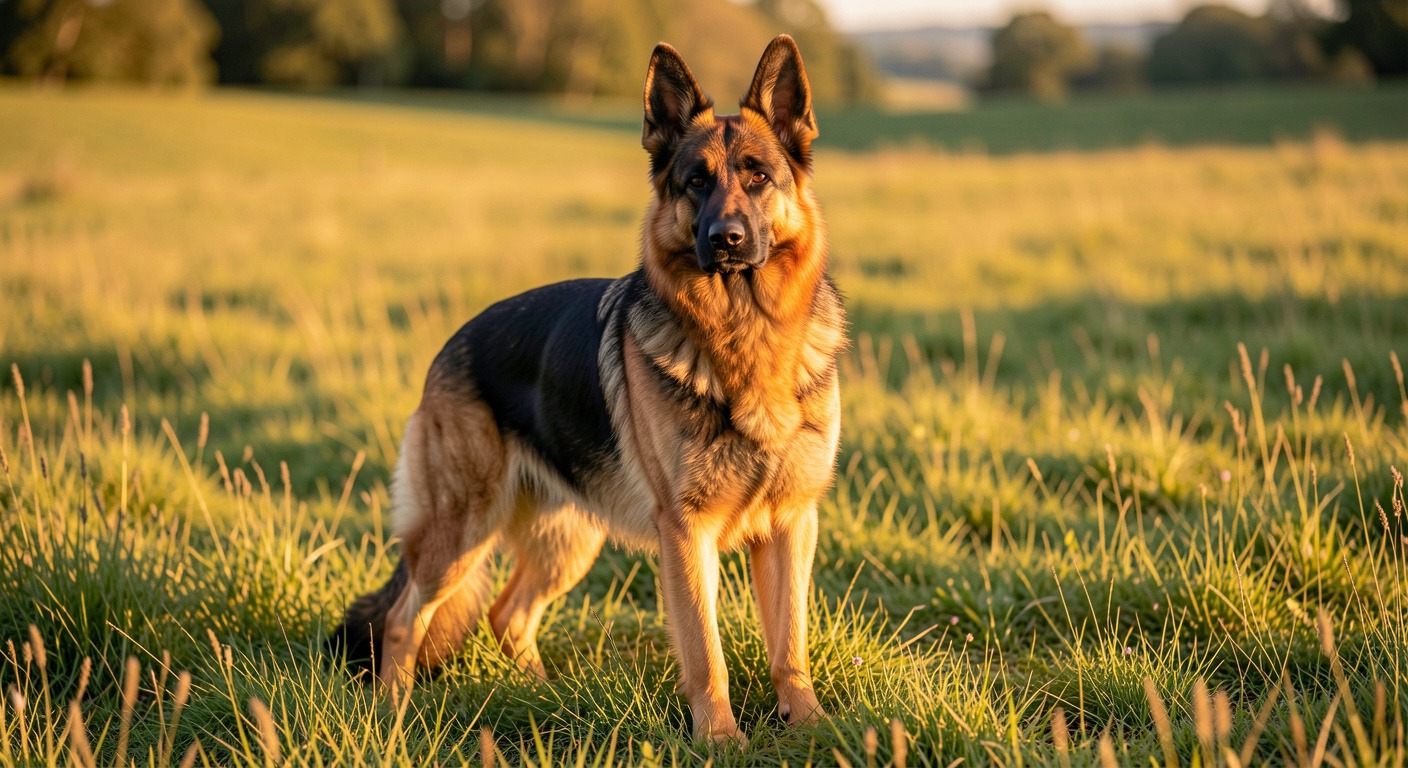
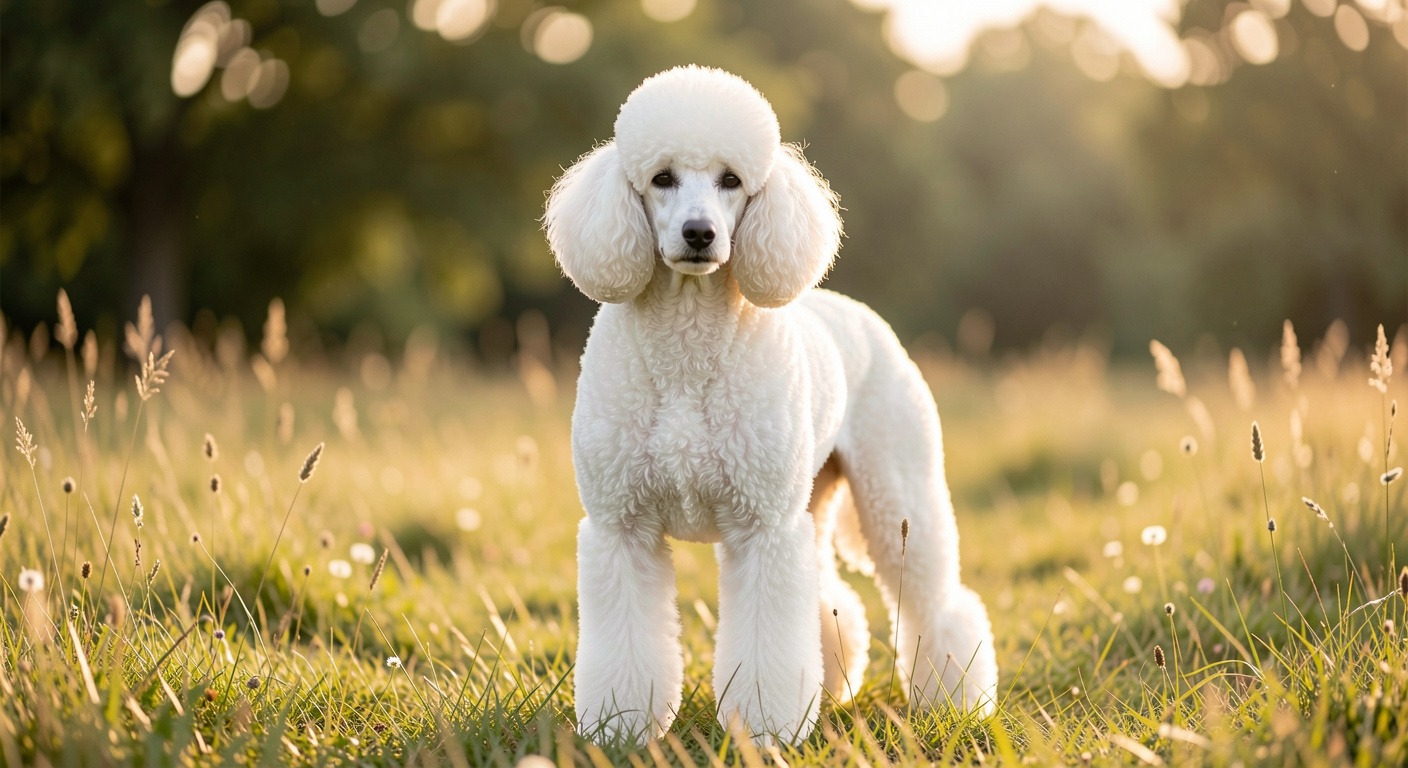
Both breeds are wonderful family dogs. The Golden tends to be softer and more sensitive; the Labrador tends to be more boisterous and food-obsessed. If you are torn between the two, spend time with adult dogs of both breeds before deciding. For a deeper look at the Labrador, read our Labrador Retriever breed guide. Also compare with the German Shepherd and Poodle breed guide if you are considering other active, intelligent breeds.
Should You Get a Golden Retriever?
A Golden Retriever is a wonderful choice if you want a loyal, affectionate, family-oriented dog — and you are genuinely ready for the daily exercise, the constant shedding, the training commitment, and the long-term health awareness. They fit best with active owners who see their dog as a full family member and include them in daily life.
This breed gives back everything you put in and more. But they need you to put it in — every day, for 10 to 12 years. If the daily commitment of exercise, grooming, and companionship sounds like the right kind of partnership, a well-bred Golden Retriever from health-tested parents is one of the best decisions you can make. If the fur, the energy, or the time commitment feel like too much, consider a lower-energy breed instead.
Frequently Asked Questions
Q: Are Golden Retrievers good family dogs?
Yes. Golden Retrievers are one of the most popular family dogs for active homes because of their patient, gentle, and friendly nature. They form strong bonds with every family member and are typically excellent with children. All interactions between dogs and young children should be supervised regardless of breed.
Q: Are Golden Retrievers good with kids?
Golden Retrievers are famously patient and gentle with children. Their tolerant nature and soft mouth make them less reactive to accidental handling. However, their size and happy energy mean an excited Golden can accidentally knock over a toddler. Always supervise interactions and teach children how to respect a dog’s space.
Q: Do Golden Retrievers bark a lot?
No, Golden Retrievers are moderate barkers. They may bark to greet visitors, during excited play, or to alert you to someone at the door, but they are not prone to nuisance barking or excessive, purposeless vocalization.
Q: Are Golden Retrievers good apartment dogs?
It is possible but not ideal. A Golden can adapt to apartment living if the owner is deeply committed to providing 60 to 90 minutes of outdoor exercise every day, including off-leash running time in a safe area. Without that level of daily exercise, an apartment Golden is likely to develop restlessness and behavior problems from pent-up energy. A home with a fenced yard is a better fit.
Q: Are Golden Retrievers easy to train?
Yes, Golden Retrievers are among the easiest breeds to train. They are intelligent, highly food-motivated, and genuinely want to please their people. Positive reinforcement methods work beautifully with this breed. Puppy classes and basic obedience are strongly recommended to channel their enthusiasm productively.
Q: Do Golden Retrievers shed a lot?
Yes, heavily. Golden Retrievers have a dense double coat that sheds moderately year-round and blows out heavily twice a year during seasonal transitions. Daily brushing during shedding season and a high-quality vacuum are essential. If you are particular about fur-free furniture and clothing, this breed will frustrate you regardless of how often you clean.
Q: How much exercise does a Golden Retriever need?
Adult Golden Retrievers need at least 60 minutes of real exercise every day. A short leashed walk around the neighborhood is not sufficient. They thrive on swimming, fetch, off-leash running in safe areas, and mentally stimulating activities like puzzle toys and scent work. Without adequate daily exercise, Goldens become restless and may develop destructive behaviors.
Q: How long do Golden Retrievers live?
The average Golden Retriever lifespan is 10 to 12 years. Some well-bred Goldens from healthy lines live to 13 or 14. Cancer is the leading cause of death in the breed and shortens many lives before age 10. Maintaining lean body weight, providing regular exercise and veterinary care, and choosing a puppy from health-tested parents all support a longer, healthier life.
Q: What health problems do Golden Retrievers have?
The most significant health concerns in Golden Retrievers are cancer (hemangiosarcoma, lymphoma, osteosarcoma — affecting roughly 60% of the breed), hip and elbow dysplasia, ear infections, progressive retinal atrophy, hypothyroidism, and bloat (GDV). Health testing of breeding dogs reduces but does not eliminate these risks. Pet insurance is strongly recommended for this breed.
Q: Are Golden Retrievers high maintenance?
Yes, in terms of grooming, exercise, and attention needs. They require daily brushing during shedding seasons, at least 60 minutes of exercise daily, regular ear cleaning, and consistent training. They also need significant time with their people and do not do well when left alone for long hours. They are not a low-maintenance breed.
Q: Do Golden Retrievers have separation anxiety?
Golden Retrievers are prone to separation anxiety because they bond so deeply with their people. They were bred to work closely alongside humans and do not do well when isolated for long periods. Gradual alone-time training, mental stimulation, and not leaving them for 8+ hours daily are important. Some Goldens do better with a canine companion.
Q: How much does a Golden Retriever cost?
A well-bred Golden Retriever puppy from a responsible breeder typically costs $1,500 to $3,000. Annual care costs (food, grooming, veterinary care, insurance, supplies, training) range from $1,850 to $3,800. Adoption through a Golden Retriever rescue is a lower-cost alternative at $200 to $500. Pet insurance is strongly recommended given the breed’s health risks.
Q: What is the best food for a Golden Retriever?
A high-quality commercial dog food appropriate for the dog’s life stage is the best choice for most Goldens. Large-breed puppy formula for growing puppies, adult maintenance formula for dogs aged 1 to 7, and senior formula for dogs 7 and older. Look for foods that meet AAFCO standards and consult your veterinarian for personalized recommendations based on your dog’s health, weight, and activity level.
Q: How often should you groom a Golden Retriever?
Brush daily during heavy shedding seasons (spring and fall) and 3 to 4 times per week during the rest of the year. Bathe every 6 to 8 weeks. Clean ears after swimming or bathing. Trim nails every 3 to 4 weeks. Professional grooming every 8 to 12 weeks can help manage the coat, especially during shedding season.
Q: Are male or female Golden Retrievers better?
Neither gender is objectively better. Individual personality matters far more than sex. In general, males tend to be slightly larger, more affectionate, and may retain puppy-like goofiness longer. Females tend to be slightly more independent and may mature a bit faster. The best choice depends on the individual dog’s temperament and your lifestyle fit, not gender alone.
Q: What age do Golden Retrievers calm down?
Most Golden Retrievers begin to settle mentally around age 2 to 3, though many retain playful energy well into their senior years. Consistent exercise, training, and mental stimulation help channel their enthusiasm productively at every age. A Golden is rarely a “couch potato” even as a senior — expect an active, engaged companion throughout their life.
Q: What should I ask a Golden Retriever breeder?
Ask to see OFA or PennHIP hip and elbow clearances for both parents, CAER eye exam results, cardiac screening results, and any available genetic testing. Ask about cancer history in the pedigree. Ask how puppies are socialized before going home. A responsible breeder will welcome these questions, provide documentation, and likely ask you questions about your home and lifestyle too. Walk away from any breeder who cannot or will not provide health clearances.
Q: Is a Golden Retriever better than a Labrador?
Neither breed is objectively better — they suit different owners. Golden Retrievers tend to be softer, more sensitive, and more emotionally attuned to their people. Labrador Retrievers tend to be more boisterous, more food-driven, and more resilient. Goldens require more grooming; Labs are slightly lower-maintenance in coat care. If you value a sensitive, gentle companion, a Golden may edge ahead. If you want a durable, high-drive outdoor partner, a Lab may fit better. Meeting adult dogs of both breeds is the best way to decide.
Final Verdict: Is a Golden Retriever Right for You?
The Golden Retriever is one of the most beloved breeds for good reason. They are warm, loyal, trainable, and bring joy to nearly every interaction. For an active family or individual who wants a devoted companion and is ready for the daily commitment of exercise, grooming, and health care, a Golden is an outstanding choice.
But this breed is not for everyone. If you are turned off by heavy shedding, cannot commit to daily exercise, or are looking for a low-maintenance dog, choose a different breed. A Golden deserves an owner who is all-in — and when they get that, they return the investment tenfold for 10 to 12 wonderful years.
Keep Learning About Dog Breeds and Care
- Labrador Retriever breed guide — compare with America’s other favorite retriever
- German Shepherd breed guide — another intelligent, loyal working breed
- Poodle breed guide — compare sizes, temperament, and shedding
- Complete dog training guide — positive training methods that work for Goldens
- Complete dog nutrition guide — what to feed your Golden at every life stage
- Dog health guide — preventive care and wellness for every breed
- Best dog beds buying guide — comfortable beds for large breeds
- Best dog grooming tools guide — brushes and tools for heavy shedders
Keep Reading

Ready for a Golden?
If you want a joyful, family-loving dog and you are okay with fur on every surface and daily walks that look more like workouts, a Golden Retriever might be your perfect match. The key is a responsible breeder who health-tests their dogs — or giving a rescue Golden a second chance.
Explore More Breed Guides →