Find the Perfect Fit for Walks Without the Pulling
The best dog harness fits snugly without rubbing, lets your dog move naturally, and matches how your dog walks. Front-clip harnesses can help pullers, while back-clip harnesses are better for calm everyday walks.
Best Dog Harnesses 2025: No-Pull, Front-Clip, and Everyday Picks
A proper harness transforms walks from a tug-of-war into a peaceful stroll. Here’s how to choose the right one , plus our top recommendations for pullers, puppies, and every body type.
Why a Harness Instead of a Collar?
For many dogs, a collar is fine , until it isn’t. Dogs who pull, lunge, or startle can generate enough force on a collar to damage the trachea, esophagus, and thyroid gland. A 2019 study in the Journal of the American Animal Hospital Association found that even a single incident of collar-induced tracheal damage can cause chronic coughing and breathing difficulty. Brachycephalic breeds (French Bulldogs, Pugs, Boxers) and small dogs with delicate tracheas are at highest risk.
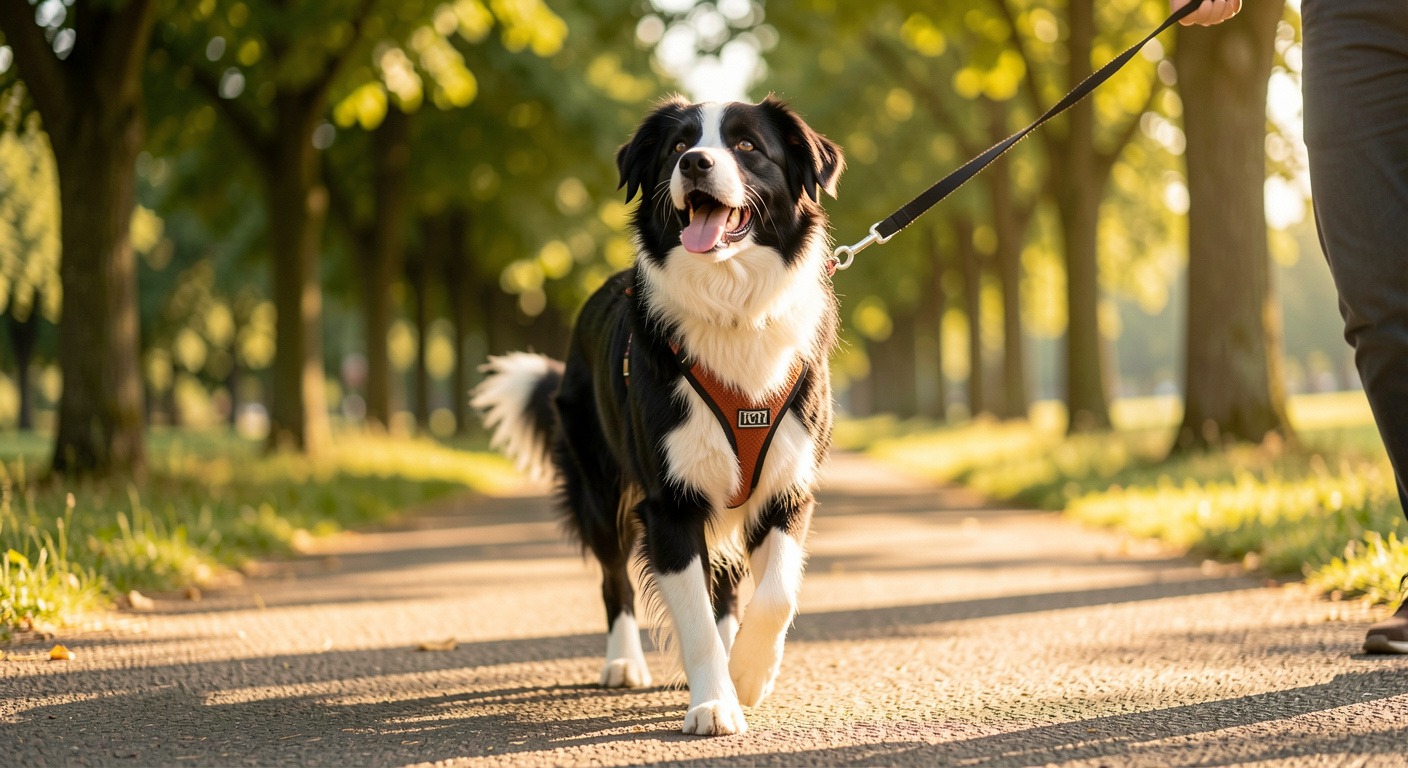
Harnesses distribute force across the chest and shoulders , a much larger, less vulnerable surface area. For dogs who pull, a properly fitted harness is simply safer. A harness also gives you better control during emergencies: grabbing the back handle of a harness keeps your dog close while you assess a dropped leash or an approaching off-leash dog.
Harness Types Explained
Back-Clip Harness
The leash attaches to a D-ring on the dog’s back. These are the most common and most comfortable for dogs who already walk politely on a loose leash. The downside: back-clip harnesses can actually encourage pulling. When a dog pulls forward, the back attachment creates an opposition reflex , the dog pushes into the pressure like a sled dog. Not ideal for pullers.
Front-Clip / No-Pull Harness
The leash attaches to a D-ring on the dog’s chest. When the dog pulls, the front attachment gently redirects them to the side, breaking the pulling momentum. This is the most effective mechanical solution for dogs learning loose-leash walking. The trade-off: some front-clip harnesses can chafe under the armpits if poorly designed or fitted. Check for padded chest straps.
Dual-Clip Harness
Both front and back D-rings , the best of both worlds. Use the front clip during training and for pullers; use the back clip for relaxed walks, running, and attaching ID tags. Most of our top recommendations below are dual-clip designs.
Step-In Harness
The dog steps into the harness and it buckles over the back. Best for small dogs or dogs who dislike harnesses going over their head. Generally back-clip only, so not ideal for pullers. Popular with small-breed owners for convenience.
Tactical / Working Harness
Heavy-duty harnesses with MOLLE webbing, handles, and multiple attachment points. Built for working dogs, service dogs, and dogs who need extra control. Overkill for a casual neighborhood walk but excellent for hiking, search-and-rescue, and dogs with mobility issues who need help getting into cars.
Top Picks by Category
| Harness | Type | Price | Best For |
|---|---|---|---|
| Ruffwear Front Range | Dual-clip | $40 | All-around best. Padded, durable, reflective trim. Fits most body types. |
| Blue-9 Balance Harness | Dual-clip | $50 | Fully adjustable (6 points). Excellent for unusual body shapes , deep-chested, long-bodied dogs. |
| 2 Hounds Design Freedom No-Pull | Dual-clip | $35 | Best for dedicated pullers. Comes with a double-connection training leash. Velvet-lined underside prevents chafing. |
| Kurgo Tru-Fit Smart Harness | Dual-clip | $30 | Budget pick with crash-test certification. Doubles as a car restraint. |
| Rabbitgoo No-Pull Harness | Dual-clip | $20 | Amazon bestseller. Affordable, reflective, handle-equipped. Decent for casual use; less durable than premium options. |
| Puppia Soft Harness | Back-clip | $18 | Best for small dogs and puppies. Soft mesh, step-in design. Not for pullers. |
| Julius-K9 IDC Powerharness | Back-clip | $35 | European working-dog standard. Heavy-duty, customizable velcro patches. Handle strength rated for lifting. |
How to Fit a Harness Correctly
A poorly fitted harness is useless at best and dangerous at worst. Too loose and your dog slips out. Too tight and it chafes skin, restricts breathing, or causes pain that makes walks worse. Here’s the fitting checklist:
- The two-finger rule. You should be able to slide two fingers flat between the harness and your dog’s body at every strap point , neck, chest, and belly. If you can’t, it’s too tight. If you can fit three or more, it’s too loose.
- No armpit contact. The chest strap should sit above the dog’s sternum, not ride up into the armpits. This is the most common fitting failure. Check after walking 50 yards , harnesses shift during movement. If the strap migrates into the armpit, adjust or try a different style.
- Shoulders free. The neck opening should clear the shoulder blades. A harness that restricts shoulder movement can alter gait and cause long-term orthopedic issues. Your dog should be able to extend their front legs fully without the harness pulling tight.
- No escape routes. For Houdini dogs, test the harness indoors first. Put it on, give treats, and gently apply light pressure in different directions. If your dog can back out or duck their head through, tighten or try a harness with a third belly strap (“escape-proof” design).
- Re-check monthly. Dogs gain and lose weight. A harness that fit perfectly in January may be loose by March. Make harness fit checks part of your monthly routine.
Front-Clip vs Back-Clip: Which Should You Use?
The short answer: if your dog pulls, start with a front clip. The front attachment changes the physics of pulling , instead of pulling you forward, a front-clip leash turns the dog sideways when they hit the end, naturally discouraging the behavior without pain or force.
Once your dog walks consistently on a loose leash, you can transition to the back clip for comfort and freedom of movement. Many owners keep the front clip for high-distraction environments (busy streets, near squirrels) and use the back clip for quiet neighborhood walks. There’s no rule that says you must use only one attachment point forever.
Harness vs Head Halter: When to Upgrade
If a front-clip harness isn’t enough , your 80 lb Lab still drags you down the street , a head halter (Gentle Leader, Halti) may be the next step. Head halters work like a horse halter: where the nose goes, the body follows. They give you control of 80+ lbs with minimal force.
However, head halters require careful conditioning. Many dogs initially hate the sensation of something on their muzzle. You must spend 1–2 weeks desensitizing with treats before using one on a walk. Never jerk a head halter , the leverage can injure the dog’s neck. Head halters are a training tool, not a permanent solution. The goal is always to graduate back to a harness or collar once loose-leash walking is reliable.
For Specific Dog Types
Small Dogs and Toy Breeds
Tracheal collapse is a genuine risk in toy breeds , Chihuahuas, Yorkies, Pomeranians. A soft, lightweight harness is non-negotiable. Look for step-in designs with wide, padded chest straps. Avoid anything heavy or bulky. The Puppia Soft Harness and Gooby Comfort X are excellent small-dog options.
Deep-Chested and Large Breeds
Greyhounds, Great Danes, Dobermans, and Boxers have unusually deep chests and narrow heads , a combination that makes standard harnesses slip right off. Look for harnesses with a third belly strap or martingale-style tightening at the chest. The Ruffwear Web Master is purpose-built for deep-chested escape artists.
Brachycephalic Breeds
French Bulldogs, Pugs, and English Bulldogs already have compromised airways. A harness should never add pressure to the throat. Choose Y-shaped chest designs that clear the neck entirely, like the Blue-9 Balance Harness. Avoid any harness with a horizontal chest strap that rides up toward the throat during pulling.
Car Safety: Harnesses That Double as Restraints
An unrestrained dog in a 30 mph crash becomes a projectile with the force of a baby elephant. The Center for Pet Safety conducts independent crash testing of dog harnesses , and many “car harnesses” on the market fail catastrophically in testing. The only harnesses that passed CPS certification as of 2024: the Sleepypod Clickit Sport and the Kurgo Tru-Fit (with the carabiner attachment, not the standard seatbelt loop). If your dog rides in the car, this is not optional equipment.
Gear Up Your Pup
From leashes to beds and everything in between , honest reviews and recommendations for every dog.
Browse All Gear Guides →