The Complete Puppy Socialization Checklist: 100 Experiences in the First 16 Weeks
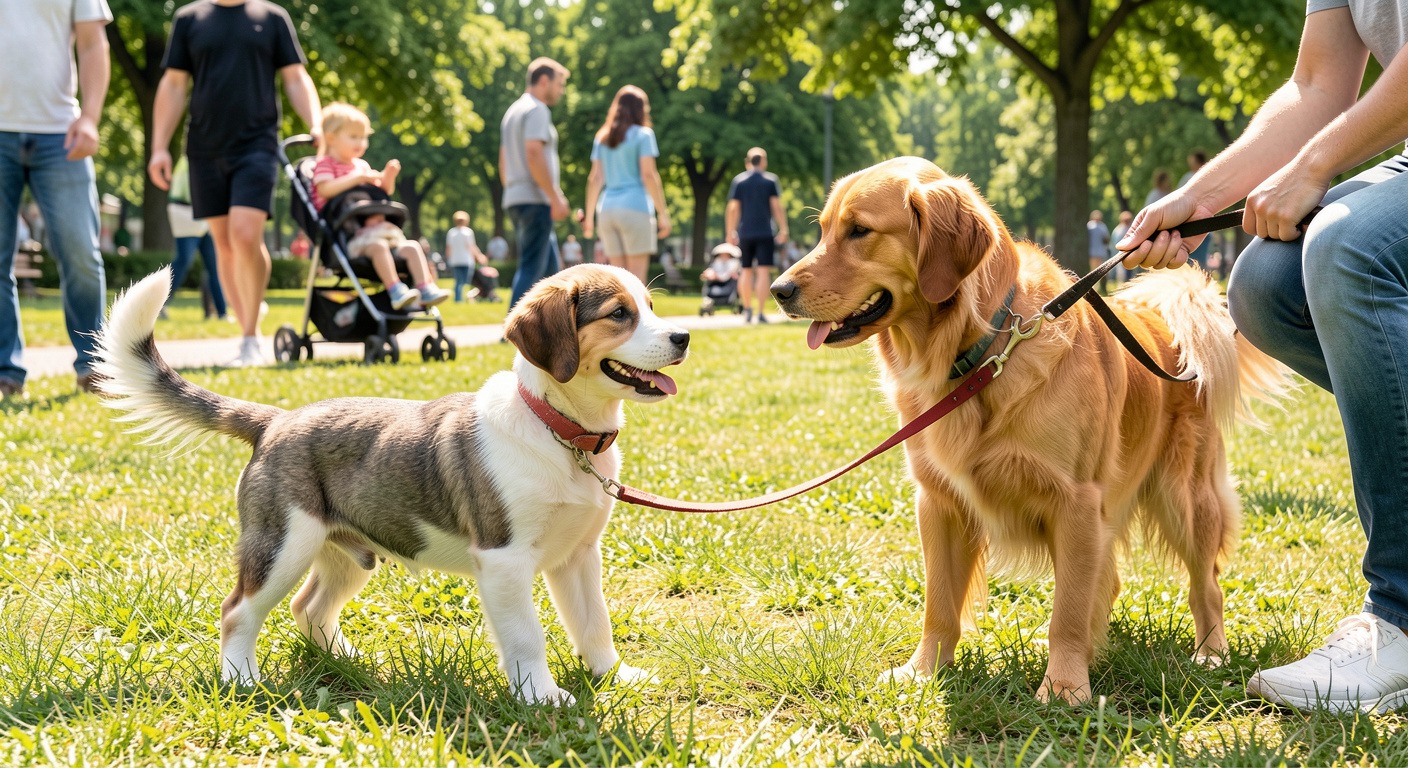
Puppy socialization is the process of safely exposing your puppy to new people, dogs, environments, sounds, and experiences during the critical developmental window of 3 to 16 weeks of age. Puppies who are properly socialized grow into confident, resilient adult dogs. Under-socialized puppies are at much higher risk for fear, anxiety, and aggression later in life. The goal is 100 positive exposures before 16 weeks , here’s exactly how to do it.
The prime socialization period closes at 16 weeks. Start early, go at your puppy’s pace, and make every experience positive.
Aim for 100 different people, places, sounds, surfaces, and situations. Use treats to create positive associations with each new experience.
Before full vaccination, carry your puppy or use a stroller in public. Avoid dog parks and high-traffic areas until vaccines are complete.
Why Socialization Matters So Much
The American Veterinary Society of Animal Behavior states that behavioral issues , not infectious diseases , are the number one cause of death for dogs under three years old. The vast majority of these issues stem from inadequate socialization during puppyhood. A well-socialized puppy is not just a “nice to have” , it’s the single most important thing you can do to prevent fear, anxiety, and aggression.
The 100-Experience Checklist
Here are the categories to cover. Aim for variety within each:
People (20+ exposures)
- Men and women of different ages
- Children (supervised, gentle interactions)
- People with hats, sunglasses, beards
- People in uniforms (mail carriers, delivery drivers)
- People using wheelchairs, walkers, canes
- People of different ethnicities
- People carrying umbrellas or large bags
Environments (15+ exposures)
- Different flooring: carpet, hardwood, tile, grass, gravel, concrete
- Stairs (up and down)
- Elevators
- Car rides (short, positive trips ending somewhere fun)
- Vet clinic (just for treats and pets, not procedures)
- Pet-friendly stores
- Outdoor cafes and patios
Sounds (15+ exposures)
- Vacuum cleaner (start from a distance, reward calm behavior)
- Doorbell and knocking
- Thunder (use recordings at low volume)
- Fireworks (recordings, gradually increasing volume)
- Traffic noise
- Babies crying
- Kitchen appliances (blender, dishwasher)
Handling (10+ exposures)
- Touch paws and nails (prepares for nail trims)
- Examine ears and mouth
- Gentle restraint (hugging, holding for exams)
- Brushing and grooming tools
- Wearing a harness or collar
Safety Rules During Socialization
Before your puppy is fully vaccinated (typically 16 weeks), avoid high-risk areas like dog parks, pet stores with heavy dog traffic, and areas with unknown dog waste. Carry your puppy or use a stroller in public spaces. Puppy socialization classes are safe because all puppies are at similar vaccination stages and the facility is cleaned between classes.
⚠️ Important Safety NoteNever force your puppy into a situation that scares them. Socialization is about creating positive associations , not just exposure. If your puppy shows fear (cowering, tail tucking, trembling), increase distance from the trigger and use high-value treats to rebuild confidence. Forcing a scared puppy to “face their fear” can create lifelong phobias. If you’re unsure, work with a certified professional dog trainer or veterinary behaviorist.
Frequently Asked Questions
Q: When should I start socializing my puppy?
Start the day you bring your puppy home , typically 8 weeks. The critical window closes at 16 weeks, so you have 8 weeks to provide the bulk of socialization experiences.
Q: Can I socialize my puppy before vaccinations are complete?
Yes , and you should. The risk of behavioral problems from under-socialization is higher than the risk of disease when proper precautions are taken. Avoid high-risk areas (dog parks, unknown dog waste) and carry your puppy or use a stroller in public.
Q: What if my puppy seems scared of something?
Increase distance from the trigger, use high-value treats to create a positive association, and go at your puppy’s pace. Never force interaction. If fear persists, consult a professional trainer.
Q: How do I socialize my puppy with other dogs safely?
Puppy socialization classes are ideal , all puppies are at similar vaccination stages. Arrange playdates with known, vaccinated, dog-friendly adult dogs. Avoid dog parks until 16+ weeks and full vaccination.
Q: What happens if I miss the socialization window?
You can still socialize an older puppy or adult dog , it just takes more time, patience, and often professional help. The principles are the same: gradual exposure, positive associations, and never forcing interaction.
Keep Reading

Raise a Confident, Happy Dog
From socialization to training to health , we’ve got the guides to help you through every stage of puppyhood.
New Dog Owner Guides →