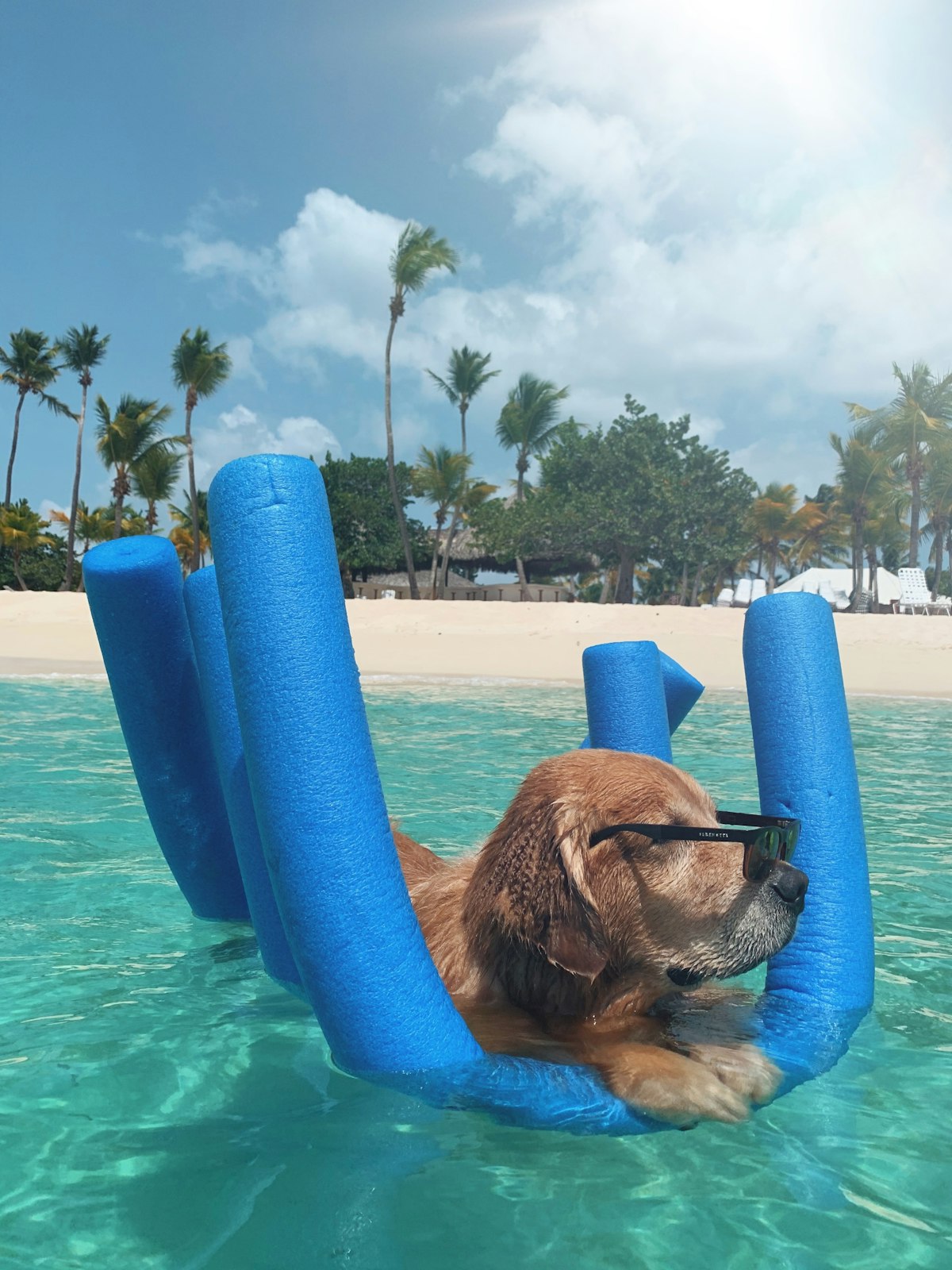
8 Essential Tips to Keep Your Dog Safe All Summer Long
Summer heat is dangerous for dogs because they can’t sweat like humans , they cool primarily through panting. The three biggest threats are heatstroke (watch for heavy panting, bright red gums, and weakness), paw pad burns from hot pavement (always do the 7-second hand test), and dehydration (carry fresh water on every walk). Never leave your dog in a parked car, create a cool indoor retreat, and prepare for fireworks season before it arrives. If your dog shows signs of heatstroke , act immediately and contact your veterinarian.
Press the back of your hand to the pavement for 7 seconds. If it’s too hot for you, it’s too hot for paw pads.
Carry fresh water on every walk. Skip the lakes and puddles , standing water can harbor parasites and toxic algae.
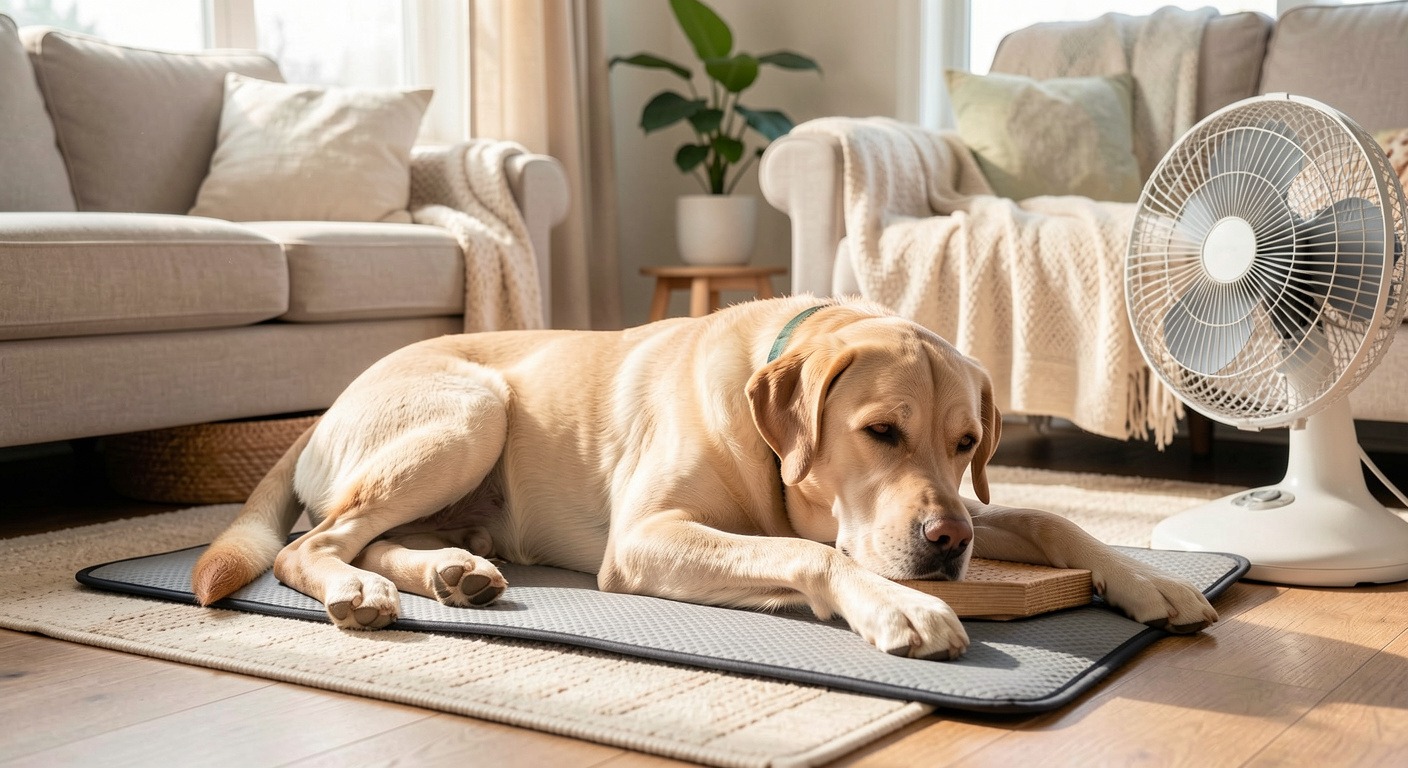
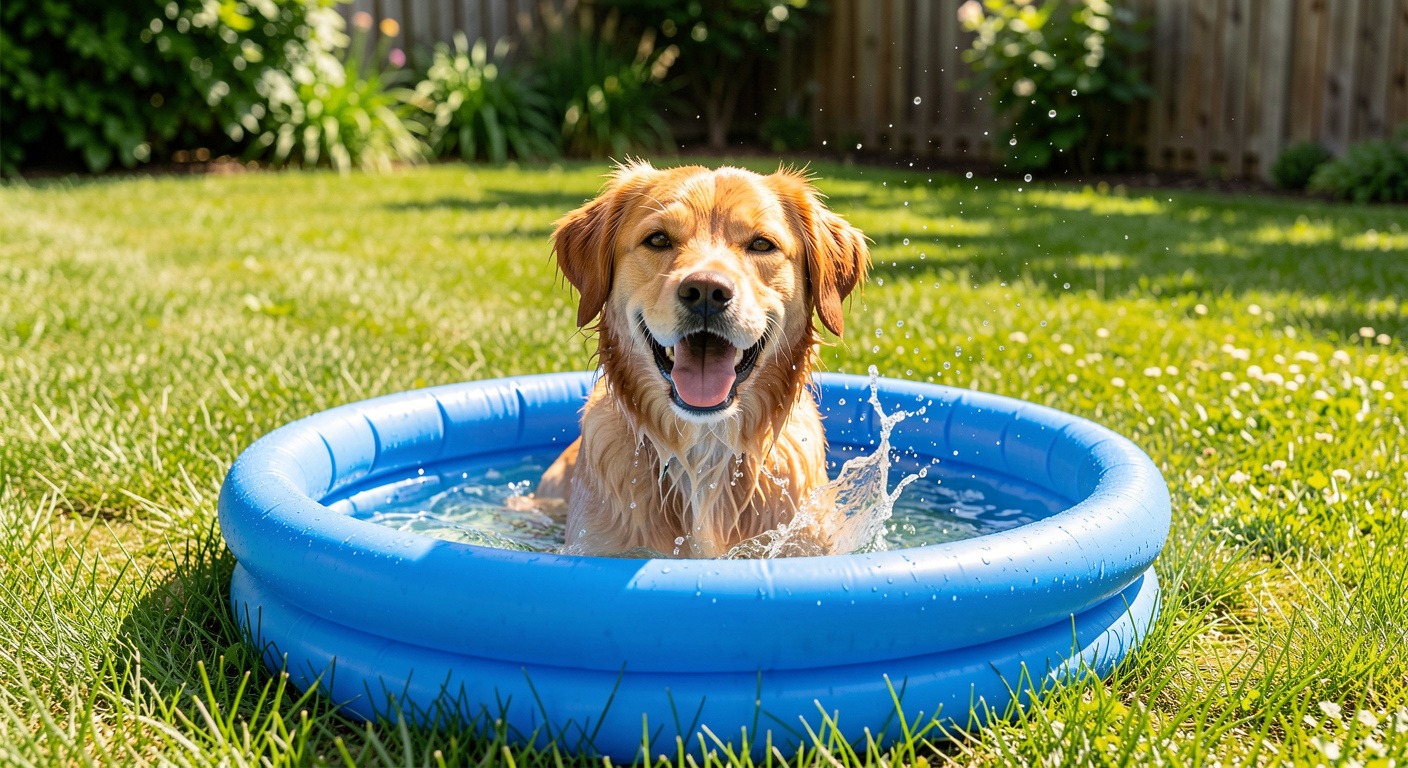
Set up a fan, cooling mat, and shaded retreat indoors. A kiddie pool in the yard gives your dog a place to splash safely.
1. Master the 7-Second Pavement Test
Here’s a startling fact: when the air temperature is just 77°F, asphalt can heat up to a blistering 125°F. On a sunny 87°F day, pavement can reach 143°F , hot enough to burn your dog’s paw pads in under a minute. Before every walk, do the 7-second test: press the back of your bare hand against the pavement. If you can’t hold it there comfortably for seven seconds, it’s too hot for your dog’s paws.
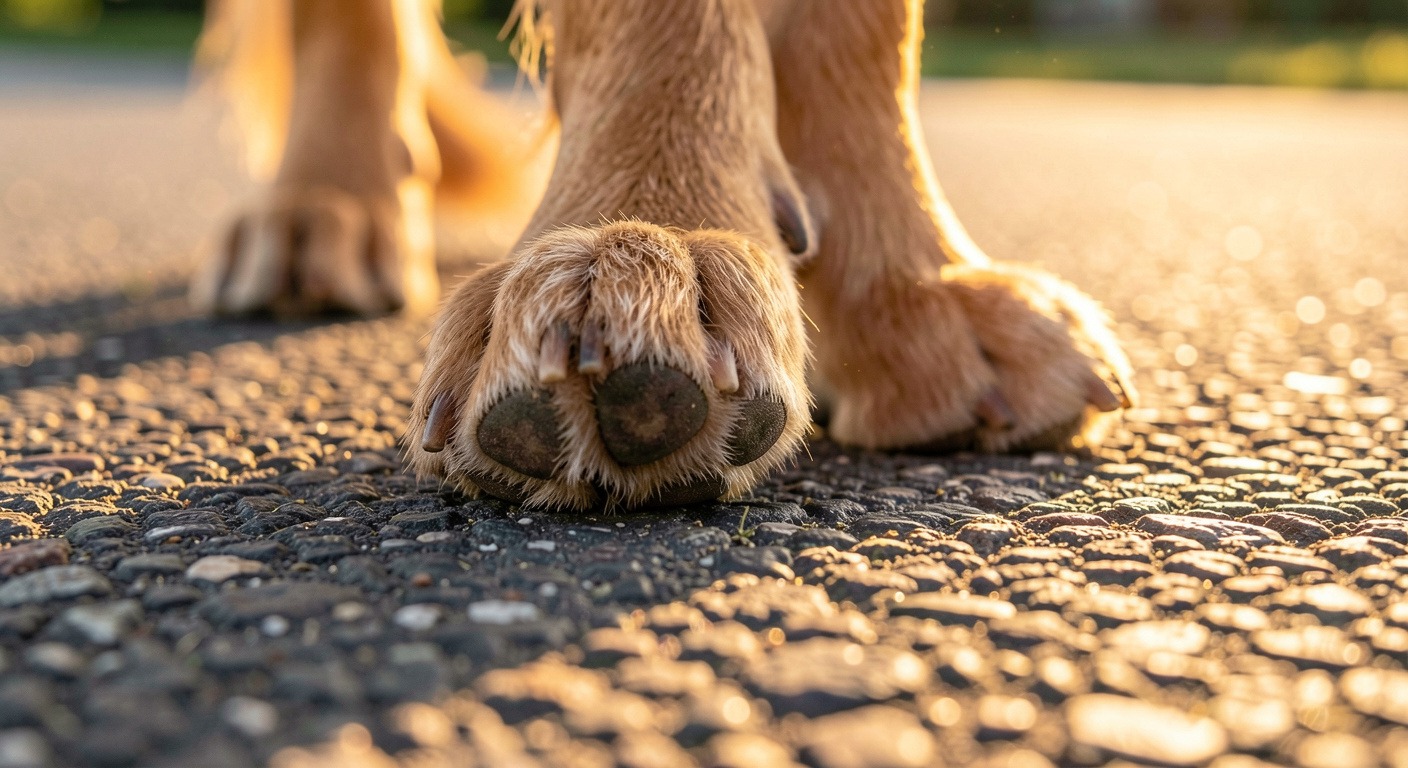
The fix is simple: walk early in the morning or after sunset when surfaces have cooled. Stick to grass and shaded paths whenever possible. For dogs who must navigate warmer surfaces, consider protective booties or a paw balm like Musher’s Secret, which creates a breathable barrier. And don’t forget , paw pad burns can also happen on sandy beaches and pool decks!
2. Know the Signs of Heatstroke Before It’s Too Late
Heatstroke in dogs can progress frighteningly fast and is a life-threatening emergency. Learn to spot the early warning signs:
- Excessive, heavy panting that doesn’t improve with rest
- Bright red or purple gums and tongue
- Thick, sticky drool
- Weakness or a wobbly, staggering gait
- Vomiting or diarrhea
- Glassy eyes and a dazed expression
- Rapid heartbeat
If you notice any of these, act immediately: move your dog into shade or an air-conditioned space, offer small sips of cool (not ice-cold) water, and place cool, damp towels on their neck, armpits, and groin. Never dunk them in ice water , rapid cooling can shock their system. Then call your vet or the nearest emergency animal hospital right away.
3. Hydration Is Everything
A dog’s water needs increase significantly in summer. Always carry fresh, clean water on walks and outings , collapsible bowls make this easy. At home, place multiple water bowls around the house and yard, and toss in a few ice cubes for an extra-cool treat.
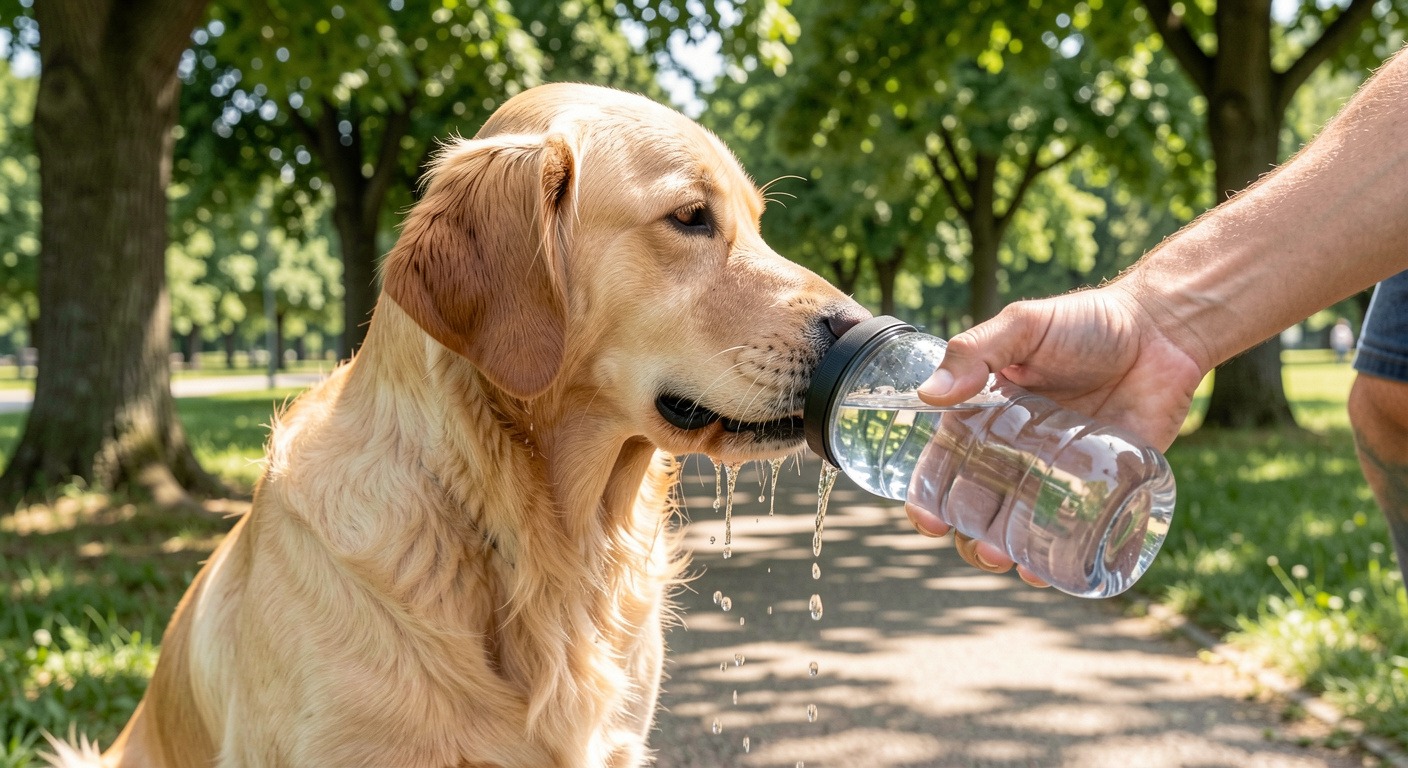
One often-overlooked danger: letting your dog drink from lakes, streams, puddles, or the ocean. Standing water can harbor parasites like giardia, harmful bacteria, and toxic blue-green algae. Saltwater ingestion can cause vomiting, diarrhea, and dangerous electrolyte imbalances. Bring fresh water from home and steer your pup away from natural water sources for drinking.
4. Never, Ever Leave Your Dog in a Parked Car
We all know this rule, but it bears repeating every single summer: even with the windows cracked, a car’s interior temperature can jump 20 degrees in just 10 minutes. On an 80°F day, the inside of a car can hit 114°F in half an hour. Cracking the windows makes almost no difference. If you see a dog locked in a hot car, alert nearby businesses, call the police or animal control, and stay with the pet until help arrives. When running errands, simply leave your dog at home where they’re safe and cool.
5. Create a Cool Zone at Home
Your dog needs a comfortable retreat when the heat gets intense. Set up a designated cool spot with good airflow, drawn blinds or curtains, and a fan. Cooling mats , gel-filled pads that don’t require refrigeration , are a fantastic investment and widely available. A kiddie pool filled with a few inches of fresh water in a shaded area of your yard gives your dog a place to splash and cool their paws. Just supervise the fun and change the water daily to keep it clean.
6. Water Safety Goes Beyond Swimming
Not every dog is a natural-born swimmer , especially flat-faced breeds like Pugs, French Bulldogs, and Boxers, whose short snouts and broad chests make staying afloat difficult. Never assume your dog can swim. Introduce them to water gradually, always supervise pool and beach time, and consider a well-fitted dog life jacket for added peace of mind.
After any swim, towel-dry your dog thoroughly, paying special attention to their ears. Floppy-eared breeds in particular are prone to ear infections when moisture gets trapped. A quick dry-off takes just a minute and can save you a vet visit down the road.
7. Prepare for Fireworks Season
Summer brings fireworks , and for many dogs, fireworks bring pure terror. More dogs go missing on July 4th than any other day of the year. Start preparing now: make sure your dog’s ID tags and microchip information are up to date, and keep a recent photo handy just in case.

Create a safe indoor retreat , an interior room with closed windows and drawn curtains, a cozy crate with blankets, or even a bathroom where noise is muffled. Play white noise, a fan, or calming music to mask the booms. Exercise your dog earlier in the day so they’re naturally calmer by evening. If your dog has severe anxiety, talk to your veterinarian now , medication options work best when trialed weeks before the fireworks begin, not the day of.
8. Stay on Top of Parasite Prevention
Summer is peak season for fleas, ticks, and mosquitoes , which means it’s also peak season for the diseases they carry, including heartworm and Lyme disease. Make sure your dog is up to date on year-round flea, tick, and heartworm preventatives. After walks in tall grass or wooded areas, do a quick full-body check for ticks, paying special attention to ears, between toes, armpits, and under the collar. Check for foxtails (grass awns) too , these barbed seed heads can burrow into your dog’s skin or be inhaled, causing serious internal injury.
Puptify provides general education, not diagnosis. Heatstroke is a life-threatening emergency. If your dog shows signs of overheating , heavy panting, collapse, vomiting, or bright red gums , cool them gradually and contact your veterinarian or an emergency animal hospital immediately. Do not wait for symptoms to improve on their own.
Frequently Asked Questions
Q: What temperature is too hot to walk my dog?
There’s no single number because humidity, pavement type, and your dog’s breed all matter. A good rule: if the air temperature is above 85°F, skip the midday walk entirely. Always do the 7-second pavement test , if the ground is too hot for your bare hand, it’s too hot for paws. Brachycephalic breeds (Pugs, Bulldogs) and senior dogs are especially vulnerable to heat.
Q: Can I give my dog ice cubes or ice water on a hot day?
Yes , ice cubes and cool water are safe and helpful for cooling. The old myth that ice causes bloat has been debunked. However, avoid forcing a panicked, overheated dog to chug large amounts of ice-cold water; offer small, frequent sips of cool water instead.
Q: How do I know if my dog has heatstroke vs. just being hot?
A hot dog pants normally and seeks shade. A dog with heatstroke shows heavy, distressed panting that doesn’t stop in the shade, bright red or purple gums, thick drool, staggering, vomiting, or a dazed look. If you see these signs, this is an emergency , begin cooling and get to a vet immediately.
Q: Should I shave my dog’s coat in summer?
No , a dog’s coat actually provides insulation against heat and protects against sunburn. Never shave double-coated breeds (Huskies, Golden Retrievers, German Shepherds). Regular brushing to remove loose undercoat helps airflow. A light trim of long belly hair can help breeds close to the ground cool off on cool surfaces.
Q: What’s the safest way to cool down an overheated dog?
Move them to shade or AC, offer small sips of cool water, and place cool (not ice-cold), damp towels on their neck, armpits, and groin. Do NOT dunk them in ice water , this constricts blood vessels and can actually slow core cooling. Get to a vet as soon as possible , internal organ damage can continue even after external cooling.
Keep Reading
Keep Your Pup Safe Year-Round
From heat safety to emergency preparedness, we’ve got the guides to help you be the best dog parent possible.
Explore All Health Guides →