Is This Noble Working Breed Right for You?
The German Shepherd is a large, highly intelligent working breed that needs 2+ hours of daily exercise, consistent training from puppyhood, and ongoing socialization. Best for active, experienced owners with space and time. Not ideal for first-time dog owners, apartments, or sedentary households. Lifespan 9 to 13 years. Common health concerns include hip dysplasia, degenerative myelopathy, and bloat.
Needs 2+ hours of physical and mental exercise every single day.
Quick to train but just as quick to find trouble when bored.
Bonds intensely with family, naturally watchful with strangers.
| Attribute | German Shepherd |
|---|---|
| Breed Group | Herding (AKC Working Group) |
| Height | 22 to 26 inches at shoulder |
| Weight | 50 to 90 lbs (males larger) |
| Lifespan | 9 to 13 years |
| Coat Type | Dense double coat, medium length |
| Shedding | Heavy, year-round, blows coat twice a year |
| Exercise Needs | High, 2+ hours daily |
| Temperament | Loyal, intelligent, watchful, energetic |
| Best Home Fit | Active household with yard, experienced owner |
What Is a German Shepherd Like?
The German Shepherd Dog is one of the most versatile breeds in the world. They serve as police K9s, search-and-rescue dogs, service animals, and beloved family companions. Behind the noble silhouette is a dog that needs purpose and a job to do.
At home, a well-trained German Shepherd is calm, observant, and deeply attached to its people. They follow you from room to room, always aware of where you are. They are not couch potatoes. A GSD wants to be involved in whatever is happening, whether that is a hike, a training session, or yard work.
With strangers, they tend to be aloof and watchful at first. This is not aggression. It is their guarding instinct. With proper socialization, they learn to accept new people calmly, but they will always keep an eye on the situation. They do not typically greet everyone like a long-lost friend.
Independence is low. German Shepherds bond intensely with their families and do not do well when left alone for long hours. Separation anxiety is common in this breed. They need an owner who is home often or can arrange midday breaks.
Is a German Shepherd Good for First-Time Dog Owners?
Maybe, but with conditions. A German Shepherd is not the easiest first dog, but it is not impossible either.
- Yes, if you are committed to enrolling in training classes from day one, have the time for 2+ hours of daily exercise, and can provide consistent structure and rules.
- Maybe, if you have dog experience through family dogs or volunteering, and you have a support system like a trainer or experienced mentor.
- No, if you work long hours away from home, live in a small apartment with no outdoor space, or want a low-maintenance, easygoing companion.
For first-time owners who are truly committed, a German Shepherd can work. But the learning curve is steep. If you are unsure, consider starting with a breed that has lower exercise and training demands.
Temperament and Personality
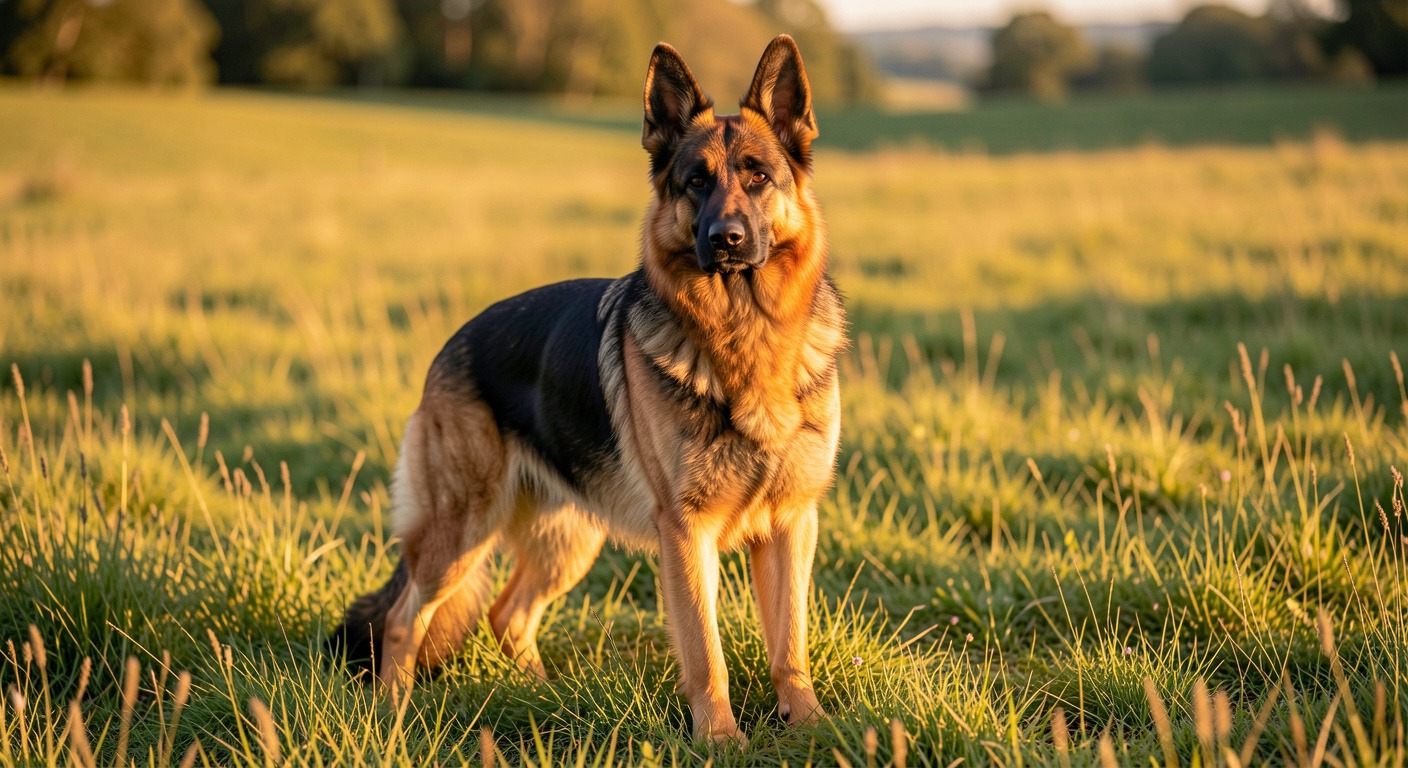
The breed standard describes the German Shepherd as confident, courageous, and smart. In daily life, this means a dog that is always thinking, always watching, and always ready for the next task.
With Family
German Shepherds form deep, lasting bonds with their families. They are affectionate in their own way, often leaning against your leg or resting their head on your foot. They want to be near you, not just in the same house. Expect a dog that follows you room to room and checks on you throughout the day.
With Children
When raised with children and properly socialized, German Shepherds are patient and protective. However, they are large, energetic dogs with herding instincts. They may try to herd running children by nudging or circling. Always supervise interactions between any large dog and young children. Teach children how to respect the dog’s space, and never leave a toddler alone with any dog, regardless of breed.
With Other Dogs
German Shepherds can live peacefully with other dogs when socialized early. Same-sex pairs can sometimes clash, especially two females. Introductions should be slow and structured. With cats and small pets, their prey drive varies. Early exposure helps, but management is always needed.
With Strangers
Aloof but not aggressive, when well-bred and socialized. A German Shepherd will watch a stranger enter your home and wait for your cue. Without socialization, this watchfulness can become fear or reactivity. Early and ongoing socialization is the single most important factor in how your GSD handles new people.
Exercise Needs
A walk around the block will not cut it. German Shepherds need at least 2 hours of combined physical and mental exercise every day. This is a working breed with stamina to spare.
Daily expectations:
- 30 to 45 minutes of brisk walking, twice daily
- 15 to 20 minutes of off-leash running in a secure area
- 10 to 15 minutes of training drills or nose work
- Puzzle toys or frozen Kongs for solo time
Great activities for German Shepherds:
- Hiking and trail walks
- Fetch and tug games
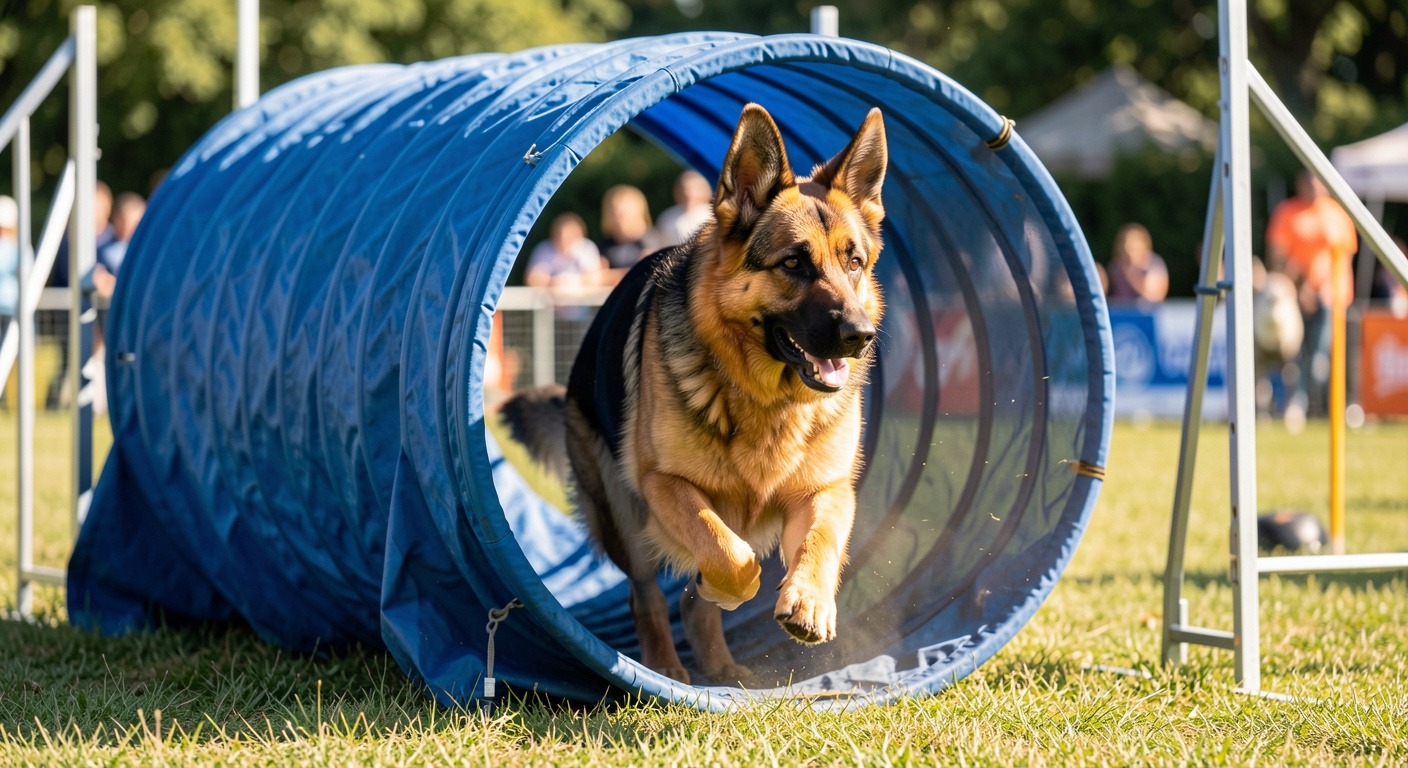
- Agility courses
- Nose work and scent games
- Advanced obedience training
- Swimming (many GSDs love water)
Mental exercise is just as important as physical. A tired body without a tired mind still leads to a bored dog. Puzzle feeders, training sessions, and scent games tire out a German Shepherd faster than a long walk alone.
Important: Puppies under 18 months should avoid high-impact jumping or long runs on hard surfaces. Growth plates are still open. Stick to self-paced play and short walks during this period.
Training Needs
German Shepherds are among the most trainable breeds in the world. They are intelligent, eager to work, and quick to learn complex commands. But that intelligence works both ways. A bored GSD will train themselves to do things you do not want.
Intelligence: Exceptional. They learn new commands in just a few repetitions and can master advanced tasks.
Stubbornness: Low to moderate. They generally want to cooperate, but they need clear, consistent rules. Conflicting signals confuse them and erode trust.
Food motivation: Usually high, which makes reward-based training very effective. Some lines are more toy or praise motivated. Find what your dog values most.
Best training method: Positive reinforcement with clear structure. Reward good choices, redirect unwanted behavior, and keep sessions short and fun. German Shepherds are sensitive dogs despite their tough appearance. Harsh corrections damage confidence and the trust bond.
Common training issues:
- Leash pulling (fix with consistent loose-leash training from puppyhood)
- Barking at passersby (manage with window covers and reward quiet behavior)
- Mouthing or nipping during play (redirect to toys immediately)
- Reactivity on leash (work with a trainer if it develops)
Puppy socialization is non-negotiable. Expose your GSD to 100 or more different people, places, sounds, and experiences between 8 and 16 weeks in a positive, controlled way. A poorly socialized German Shepherd can become fearful, and a fearful 80-pound dog is a serious management challenge.
Grooming and Shedding
German Shepherds have a dense double coat that sheds year-round and blows out heavily twice a year. If fur tumbleweeds bother you, this is not the breed for you.
- Brushing: 2 to 3 times per week with an undercoat rake. Daily during shedding season (spring and fall).
- Bathing: Every 6 to 8 weeks, or when visibly dirty. Too-frequent bathing strips natural coat oils.
- Shedding: Heavy and constant. Invest in a good vacuum and a high-velocity pet dryer for coat-blow season.
- Ear care: Check weekly for redness, odor, or debris. Clean with a vet-recommended ear cleaner when needed. Floppy-eared lines are more prone to infections.
- Nails: Trim every 2 to 3 weeks. If you hear clicking on hard floors, they are too long.
- Dental: Brush teeth 2 to 3 times per week with dog-safe toothpaste. Dental chews help but do not replace brushing.
Common Health Concerns
Like all breeds, German Shepherds have breed-specific health risks. Responsible breeding with health testing dramatically reduces these risks. Always ask a breeder for health clearances on both parents.
- Hip dysplasia: Malformed hip joint causing arthritis and pain. Screened via OFA or PennHIP X-rays on both parents.
- Elbow dysplasia: Similar joint malformation in the elbows. Screened via OFA elbow X-rays.
- Degenerative myelopathy: Progressive spinal cord disease causing hind-end weakness. DNA test available, both parents should be tested.
- Bloat (GDV): Stomach twists on itself, a life-threatening emergency. Preventative gastropexy during spay or neuter can reduce risk. Feed smaller, frequent meals and avoid exercise right after eating.
- Exocrine pancreatic insufficiency: Pancreas does not produce enough digestive enzymes. Watch for weight loss and chronic diarrhea.
Puptify provides general education, not diagnosis. Work with your veterinarian to create a preventive care plan for your German Shepherd. For pain, sudden behavior changes, breathing trouble, vomiting, collapse, or serious symptoms, contact a veterinarian.
Feeding and Nutrition
German Shepherds do best on a high-quality, protein-rich diet formulated for large breeds. Their nutritional needs change significantly from puppyhood to adulthood.
- Puppies (under 12 months): Feed a large-breed puppy formula to control growth rate. Rapid growth stresses developing joints. 3 to 4 meals per day.
- Adults (12+ months): Transition to an adult large-breed formula. 2 meals per day. Avoid exercise right after eating to reduce bloat risk.
- Portions: Typically 2.5 to 3.5 cups of dry food daily, split into two meals. Adjust based on activity level, age, and body condition.
- Weight management: You should be able to feel ribs without pressing hard but not see them. Obesity worsens hip and joint issues in this breed.
- Breed risks: Bloat is a serious concern. Feed smaller meals, use a slow feeder bowl, and avoid vigorous exercise for an hour after eating.
- Treats: Keep treats under 10 percent of daily calories. Use small pieces for training rewards.
- Water: Fresh water available at all times. A GSD drinks more than small breeds, especially after exercise.
Best Home Environment
Good fit for:
- Active families or individuals who hike, run, or train dogs
- Homes with a fenced yard (6-foot minimum, GSDs can jump)
- Owners home for much of the day or with flexible schedules
- Experienced dog owners who understand working breeds
- Homes that can commit to training classes and ongoing socialization
Not ideal for:
- Apartments without daily access to off-leash exercise areas
- Owners who work 10+ hours away from home
- Sedentary or low-activity households
- First-time owners unwilling to invest in professional training
- Homes with very small children where supervision is inconsistent
Cost of Owning a German Shepherd
| Expense | Annual Cost | Notes |
|---|---|---|
| Food | $500 to $800 | Premium large-breed kibble, 2 meals/day |
| Grooming | $200 to $400 | DIY brushing saves money, professional deshedding in coat-blow season |
| Vet care | $400 to $900 | Routine checkups, vaccines, preventatives. More if managing joint issues. |
| Toys and supplies | $200 to $400 | Durable toys, puzzle feeders, replacement gear |
| Training | $300 to $1,200 | Puppy classes, group classes, or private sessions |
Expect the first year to cost more, with puppy purchase price ($2,000 to $4,000 from a reputable breeder), initial vet visits, and gear setup. Rescue adoption fees are typically $300 to $600.
Pros and Cons
| Pros | Cons |
|---|---|
| Highly intelligent and trainable | Needs 2+ hours of exercise daily |
| Deeply loyal and bonded with family | Prone to separation anxiety |
| Natural guardian and watchdog | Heavy, year-round shedding |
| Excellent with children when raised together | Health risks: hip dysplasia, bloat, DM |
| Versatile in dog sports and work | Not ideal for apartments or first-time owners |
| Long lifespan for a large breed | Requires ongoing socialization and training |
Should You Get a German Shepherd?
A German Shepherd is an excellent choice if you are an active, committed owner who has the time, space, and experience to provide consistent training, daily exercise, and ongoing socialization. This breed thrives with structure and purpose.
Best owner profile: Someone who works from home or has a flexible schedule, lives in a house with a fenced yard, has prior dog experience (or is willing to hire a trainer from day one), and wants a dog to share an active lifestyle with.
If that sounds like you, a German Shepherd will reward your effort with loyalty, intelligence, and a bond unlike any other breed. If you are unsure, consider fostering first or talking to a breed-specific rescue about an adult dog whose temperament is already known.
Frequently Asked Questions
Q: Are German Shepherds good family pets?
Yes, when raised with the family, properly socialized, and given enough exercise. They are loyal, protective, and deeply bonded with their people. But they need more time and training than many family breeds.
Q: Are German Shepherds safe with kids?
They can be great with children they grew up with. Always supervise interactions, especially with toddlers. Their herding instinct may lead to nudging or circling running children. Teach kids to respect the dog’s space.
Q: Do German Shepherds bark a lot?
They are naturally alert and will bark to announce visitors or unusual sounds. They are not chronic barkers without reason, but a bored or under-exercised GSD will find reasons. Proper exercise and training keep barking manageable.
Q: Can a German Shepherd live in an apartment?
It is possible but not ideal. A GSD in an apartment needs 3+ outdoor exercise sessions daily, including off-leash time in a secure area. Without a yard, the commitment required is very high. Most GSDs do better in homes with outdoor space.
Q: Are German Shepherds hard to train?
No, they are actually one of the easiest breeds to train because of their intelligence and willingness to work. The challenge is that they need consistent training throughout their life, not just as puppies. They thrive with ongoing learning.
Q: How bad is the shedding?
German Shepherds shed year-round and heavily blow their coat twice a year. Expect fur on everything. Brush 2 to 3 times a week normally and daily during shedding season. A good vacuum and an undercoat rake are essential.
Q: How much exercise does a German Shepherd need?
At least 2 hours daily, combining physical activity (walking, running, fetch) with mental stimulation (training, puzzle toys, nose work). A tired German Shepherd is a well-behaved German Shepherd.
Q: Can a beginner own a German Shepherd?
It is possible with commitment. A beginner who enrolls in training classes from day one, has time for daily exercise, and is willing to learn can succeed. But the learning curve is steep. Support from a trainer is strongly recommended.
Related Guides
Keep Reading
More helpful guides:
- New Dog Owner Guide: Everything You Need to Know
- Dog Nutrition Complete Guide: What to Feed and What to Avoid
- Basic Dog Training Guide: Commands, Tips, and Methods
- Best Dog Beds for Every Breed
- Complete Dog Gear Guide: Collars, Leashes, and More
- Dog Health Warning Signs Every Owner Should Know
Explore More Breed Guides
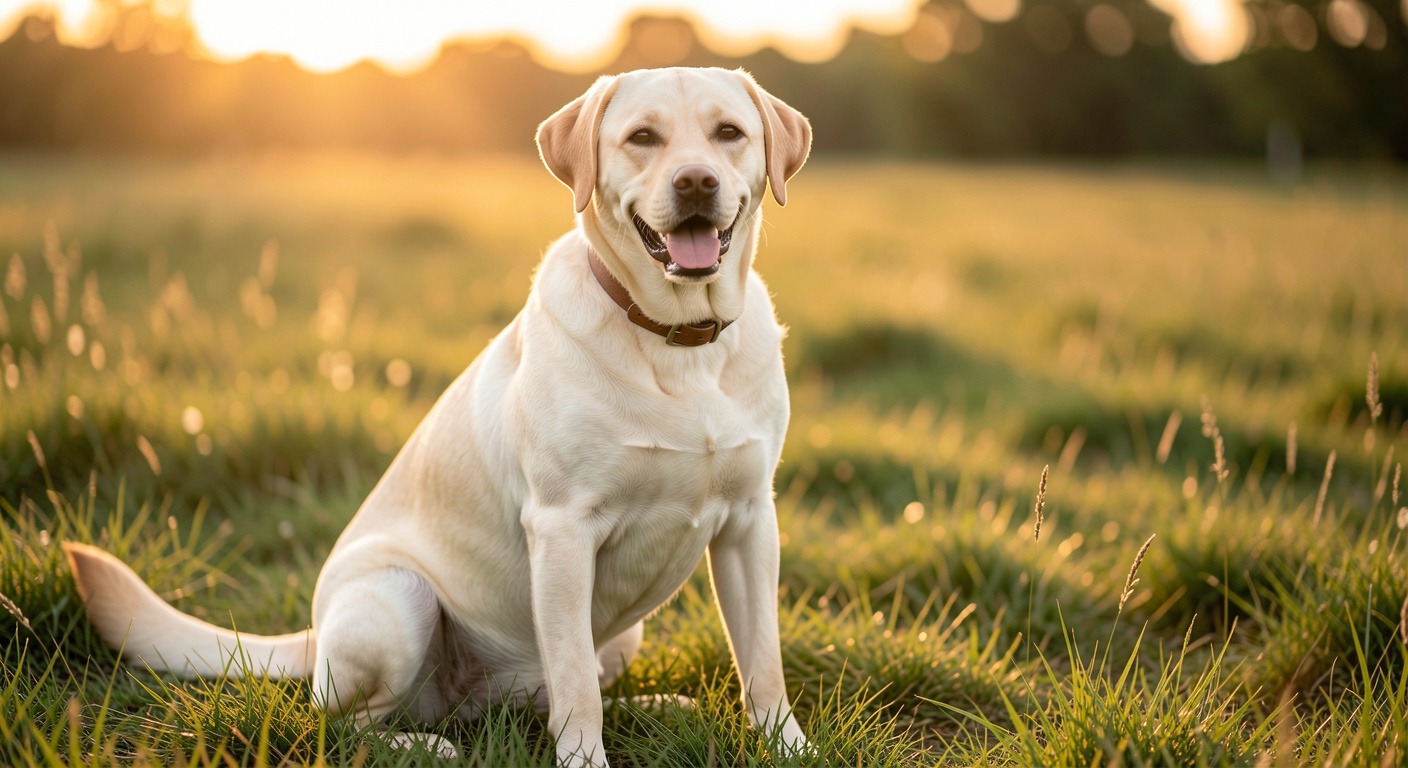
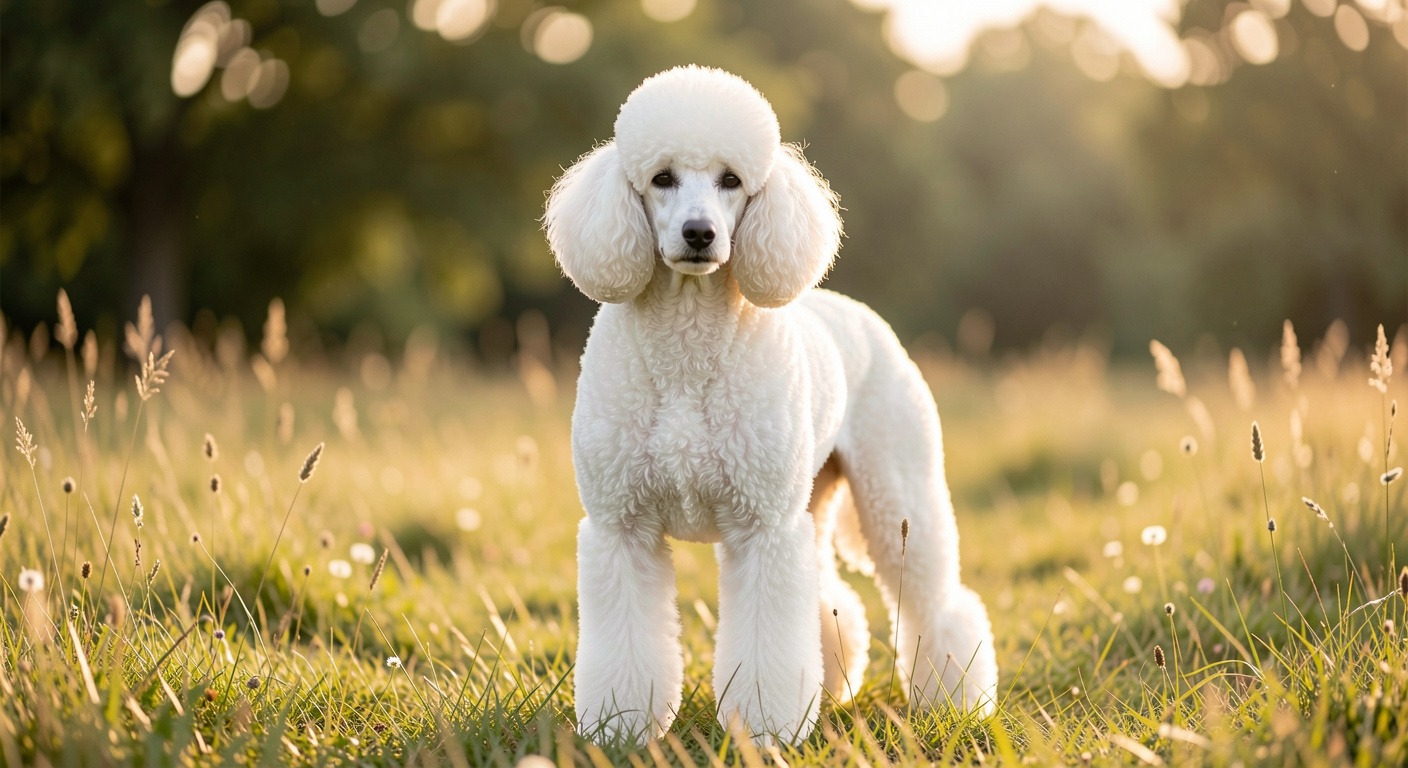
Compare German Shepherds with Golden Retrievers, Labradors, Beagles, and more. Find the breed that fits your life.
See All Breed Guides →