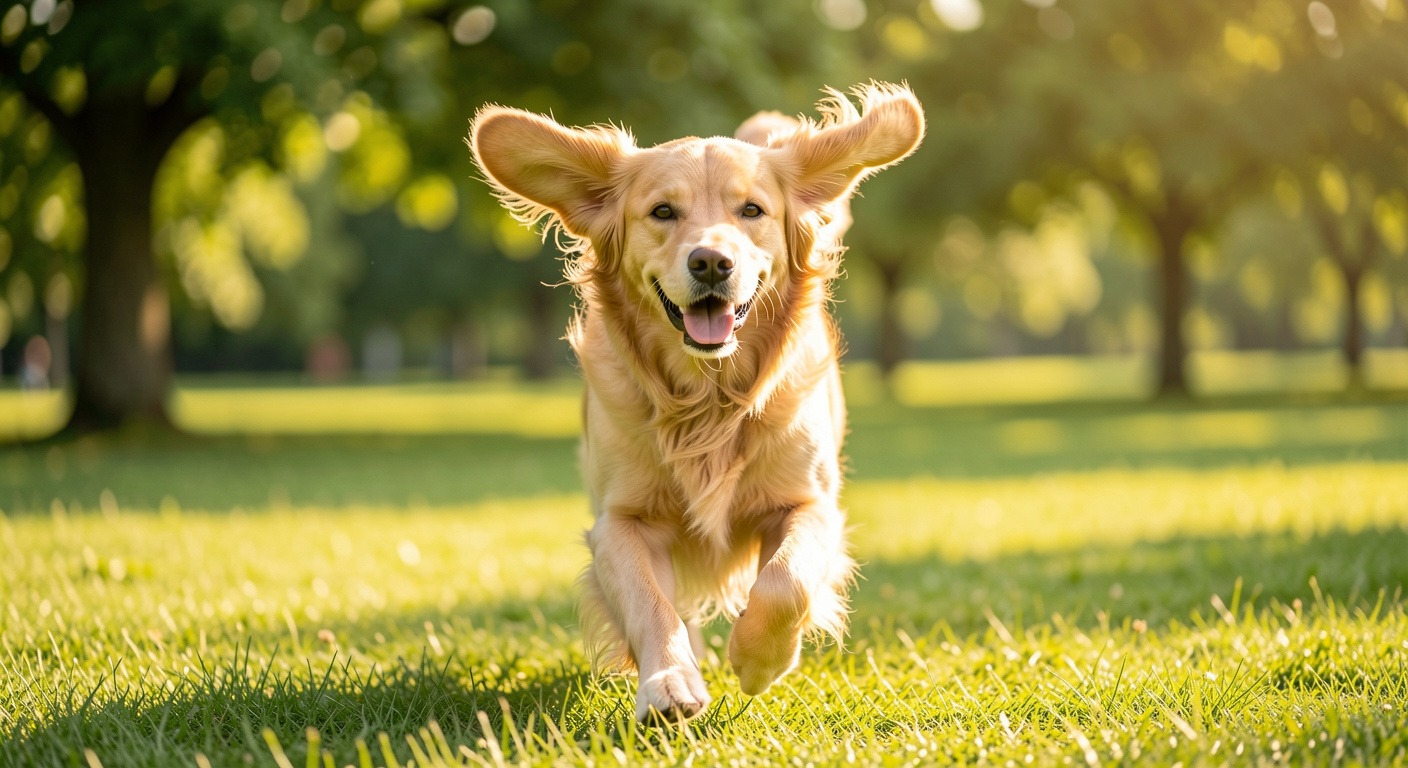
Build a Recall Your Dog Understands
A reliable recall is built through positive reinforcement , making coming to you the best thing in your dog’s world. Start in a quiet room with high-value treats. Gradually add distance, then distractions. Never punish your dog for coming to you, even if they took their time. With consistent practice (5, 10 minutes daily), most dogs develop a solid recall within 4, 8 weeks.
Begin with the Name Game in a quiet room. When your dog looks at you after hearing their name, mark and reward. Build from there.
Use high-value “recall-only” treats , freeze-dried liver, cheese cubes, or shredded chicken. The reward must match the distraction.
Coming when called shouldn’t end the fun. Call your dog, reward lavishly, then release them back to play. Make recall a revolving door of good things.
Why Most Recall Training Fails
Before we get to the how-to, let’s talk about why so many dogs have terrible recall. It’s usually one of three things:
1. The Poisoned Cue. You call your dog, they come, and you clip the leash and leave the park. Or you call them to give them a bath. Or you call them and then scold them for something they did ten minutes ago. The cue “come” becomes a predictor of fun ending. Why would any smart dog respond to that?
2. Too Much, Too Fast. You practice in the kitchen three times, then expect it to work at the dog park with thirty other dogs running around. Recall is a skill that needs to be built in layers , like learning to play piano. You don’t start with a concerto.
3. Underpayment. You call your dog away from something amazing , a squirrel, another dog, a dropped meatball , and offer them a dry biscuit. Would you leave a steak dinner for a saltine cracker? Your dog won’t either. The reward has to match the distraction.
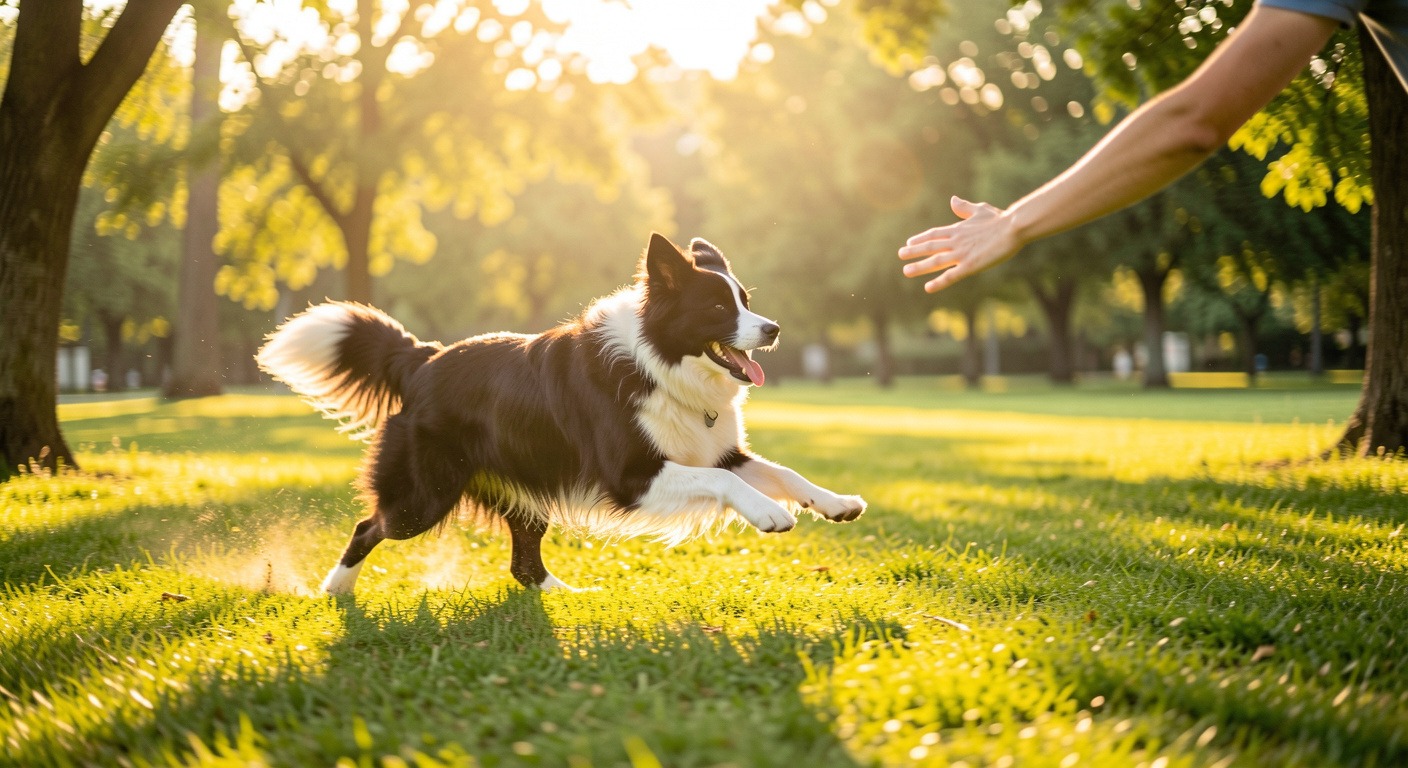
The Recall Training Plan: 5 Phases
Phase 1: The Name Game (Week 1)
Before you can call your dog, they need to know their name means “pay attention to me.”
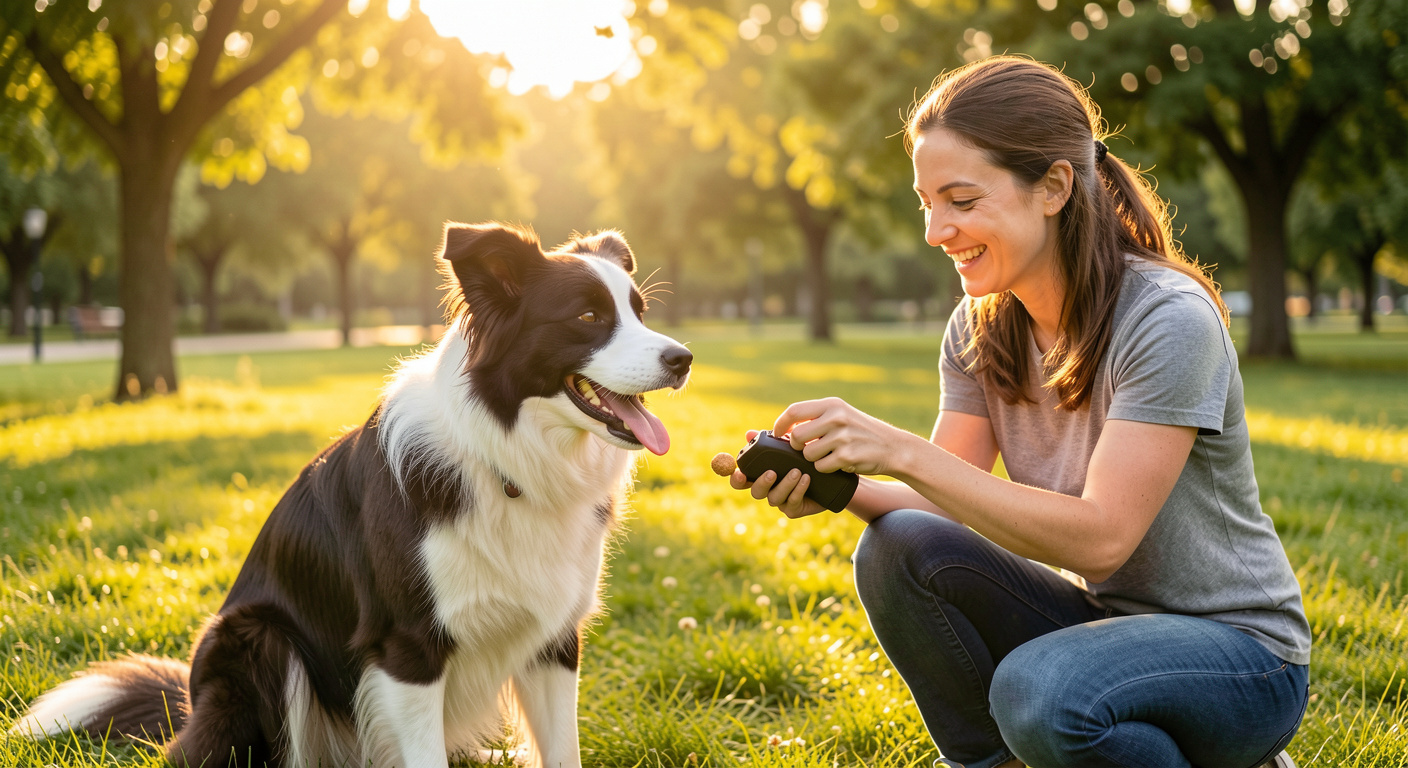
How to do it: In a quiet room with no distractions, say your dog’s name in a happy voice. The moment they look at you, mark it with a “yes!” and give them a high-value treat. Repeat 10, 15 times per session, 2, 3 sessions per day. Keep sessions under 3 minutes , short and sweet wins.
Goal: Your dog whips their head around immediately when they hear their name, even from across the room.
Phase 2: The Easy Recall (Week 2)
Now we add the cue word. Choose one word and stick with it , “come,” “here,” or a whistle all work. Don’t use multiple words.
How to do it: Stand a few feet from your dog in a quiet room. Say “come!” in an excited, happy voice. When they reach you, mark and reward lavishly , use several small treats in a row (a “jackpot”) and lots of praise. Gradually increase distance across the room, then across the house.
Critical rule: Never repeat the cue. If you say “come, come, COME!” your dog learns the cue is actually “come-come-come.” Say it once, make kissy noises or pat your leg, and reward heavily when they arrive.
Phase 3: Add Distance (Week 3)
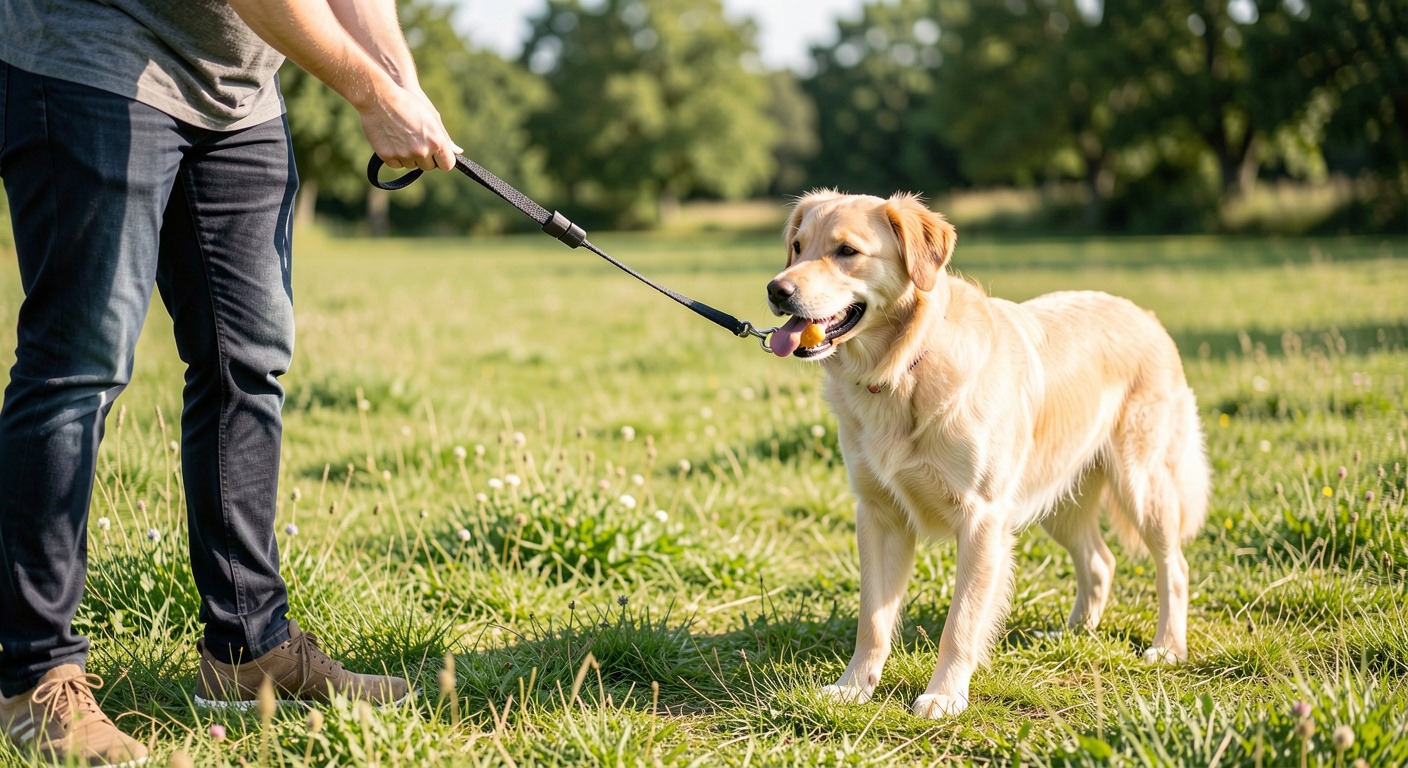
Move to a long hallway or fenced yard. Use a long training leash (15, 30 feet) for safety , not to reel them in, but so they can’t practice ignoring you.
How to do it: Let your dog wander to the end of the long line. Call them once. If they come, jackpot. If they don’t, gently reel them in with the line (no tension, no dragging) and reward when they reach you anyway. The rule is: coming to you always pays, no matter how it happened.
Phase 4: Add Distractions (Weeks 4, 6)
This is where most training falls apart. You need to add distractions gradually , one layer at a time.
Distraction ladder (easiest to hardest):
- A family member walking slowly nearby
- A family member bouncing a ball
- A friend’s calm dog at a distance
- A new park at a quiet time
- A park with people and dogs at a distance
- The dog park (use a long line first)
At each level, practice until your dog is reliable 8 out of 10 times before moving up. If they regress, drop back a level , no shame in that.
Use a special treat your dog gets ONLY when they come when called. This treat never appears at any other time , it’s the recall jackpot.
If your dog won’t come, turn and run away from them. Most dogs can’t resist chasing their human , it triggers their prey drive in a positive way.
When your dog arrives, throw a party. Treats, praise, play , make it the best moment of their day. Every single time.
Phase 5: Real-World Proofing (Weeks 7, 8+)
Now you practice in real situations. The key: set your dog up to succeed. Don’t call them away from chasing a squirrel if you’re 90% sure they’ll ignore you , that just teaches them ignoring is an option.
Instead, call them when they’re already looking at you, or when the squirrel is gone. Call them for no reason during walks, reward, and release them to go back to sniffing. This builds a history of “coming when called = good things happen, and I get to go right back to fun.”
5 Common Recall Mistakes
- Calling only when it’s time to leave. If “come” always means the fun ends, your dog will learn to avoid it. Call them, reward, and release them back to play 5, 10 times before the final “we’re going home” call.
- Chasing your dog. If your dog runs away and you chase them, you’ve just invented a fantastic game , and you’re always “it.” Turn and run away from them instead. Most dogs can’t resist chasing their human.
- Using an angry voice. Even if you’re frustrated, call your dog like you’re about to give them the best thing ever. Your tone matters more than the words.
- Grabbing the collar immediately. When your dog arrives, don’t snatch at their collar. Touch their collar, give a treat, release. Repeat. This prevents “collar shyness.”
- Giving up after a bad day. Recall training isn’t linear. Some days will be terrible. That’s normal. Tomorrow is a new training session.
When to Use a Long Line Instead of Off-Leash
Honesty moment: some dogs may never be 100% reliable off-leash, and that’s okay. High-prey-drive breeds, dogs with traumatic pasts, or dogs who simply find the world more interesting than treats may always need a safety net.
Use a long line (not off-leash) if your dog:
- Has ever bolted toward a road
- Ignores you completely when squirrels or rabbits appear
- Is still in the first 2 months of training
- Has a history of running away
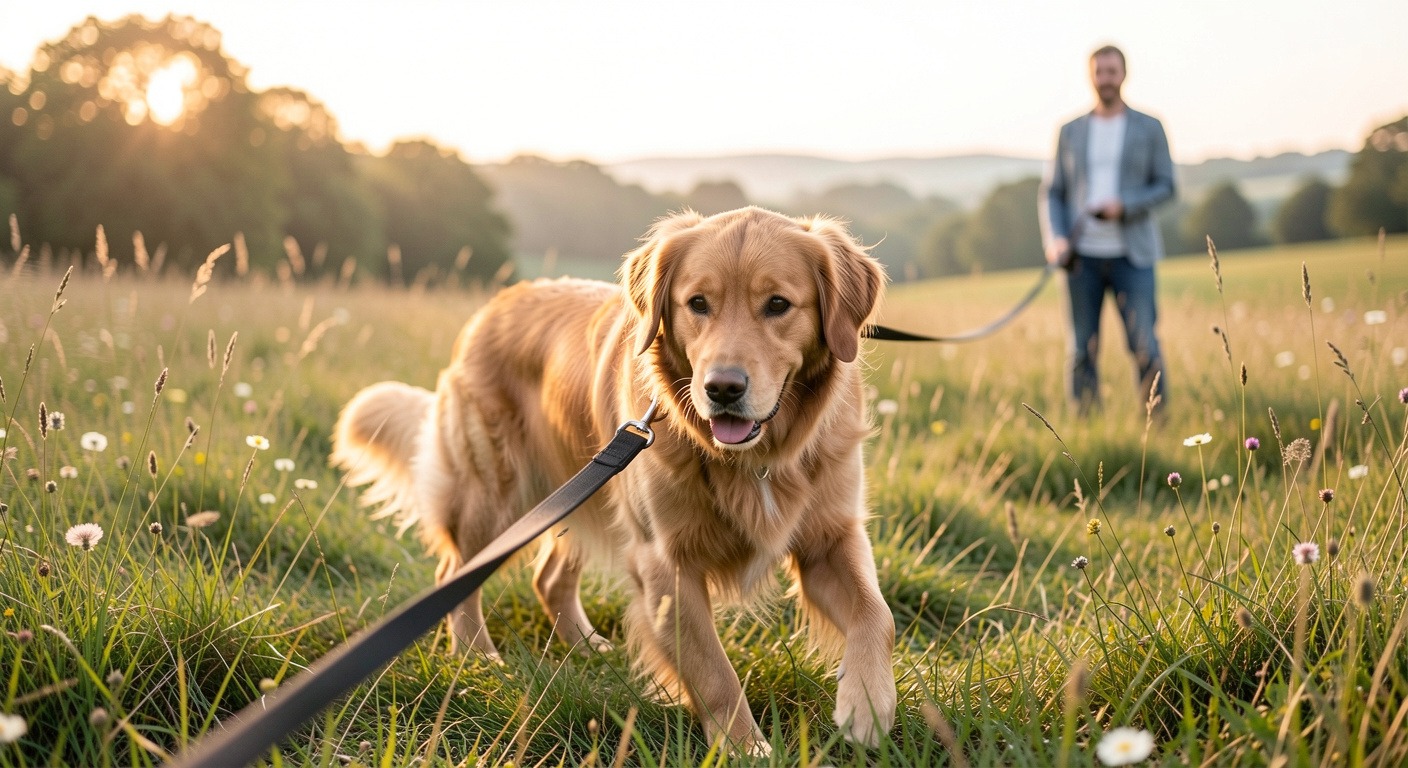
A 20, 30 foot biothane long line gives your dog freedom while keeping them safe. That’s responsible dog ownership , not a training failure.
If your dog suddenly stops responding to recall , especially if they previously had a solid recall , it may be a sign of hearing loss, pain, or a medical issue. Schedule a veterinary check-up to rule out health problems before assuming it’s a training issue. Also: always practice recall in fenced areas or on a long line until you have 100% confidence. A single car chase can be fatal. Never use punishment-based tools (shock collars, prong collars) for recall training , they increase fear and anxiety without teaching your dog what TO do.
Frequently Asked Questions
Q: How long does recall training take?
Most dogs show reliable indoor recall within 2 weeks. Reliable outdoor recall with moderate distractions typically takes 6, 8 weeks of consistent daily practice. Full off-leash reliability can take 3, 6 months. Every dog is different , a rescue with a history of running may take longer than a puppy raised with recall training from day one.
Q: My dog comes to me at home but ignores me at the park. What should I do?
You moved too fast through the distraction levels. Go back to practicing in a quiet outdoor space (like your backyard) until recall is solid there. Then try a park at 6 AM when it’s empty. Then a park with one other dog at a distance. Build slowly. And bring much higher-value treats to the park than you use at home.
Q: Can older dogs learn reliable recall?
Absolutely. The saying “you can’t teach an old dog new tricks” is a myth. Older dogs may take slightly longer to build new habits, but they’re often less impulsive and more food-motivated than puppies , which can actually make recall training easier. Start the same way you would with a puppy: name recognition first, then easy recall, then build up.
Q: Should I use an e-collar for recall training?
No. Modern veterinary behavior organizations strongly recommend against e-collars (shock collars) for recall training. Studies show they increase stress, anxiety, and fear-based aggression , and the recall they produce is often unreliable under stress. Positive reinforcement produces a recall your dog wants to perform, not one they’re afraid to ignore.
Q: What if my dog chases wildlife , can recall training fix this?
Recall training can help, but high-prey-drive dogs may always need management (long lines, fenced areas) around wildlife. The goal is to build such a strong reinforcement history that your dog’s brain pauses to think “treat from my human?” before they bolt. Some dogs get there; others need lifelong safety measures. Both are okay.
Keep Reading
Your Dog’s Most Important Skill Starts Today
A reliable recall gives your dog freedom and keeps them safe. Grab some treats and start with Phase 1 today. Browse our complete training library for more positive reinforcement guides.
Explore All Training Guides →