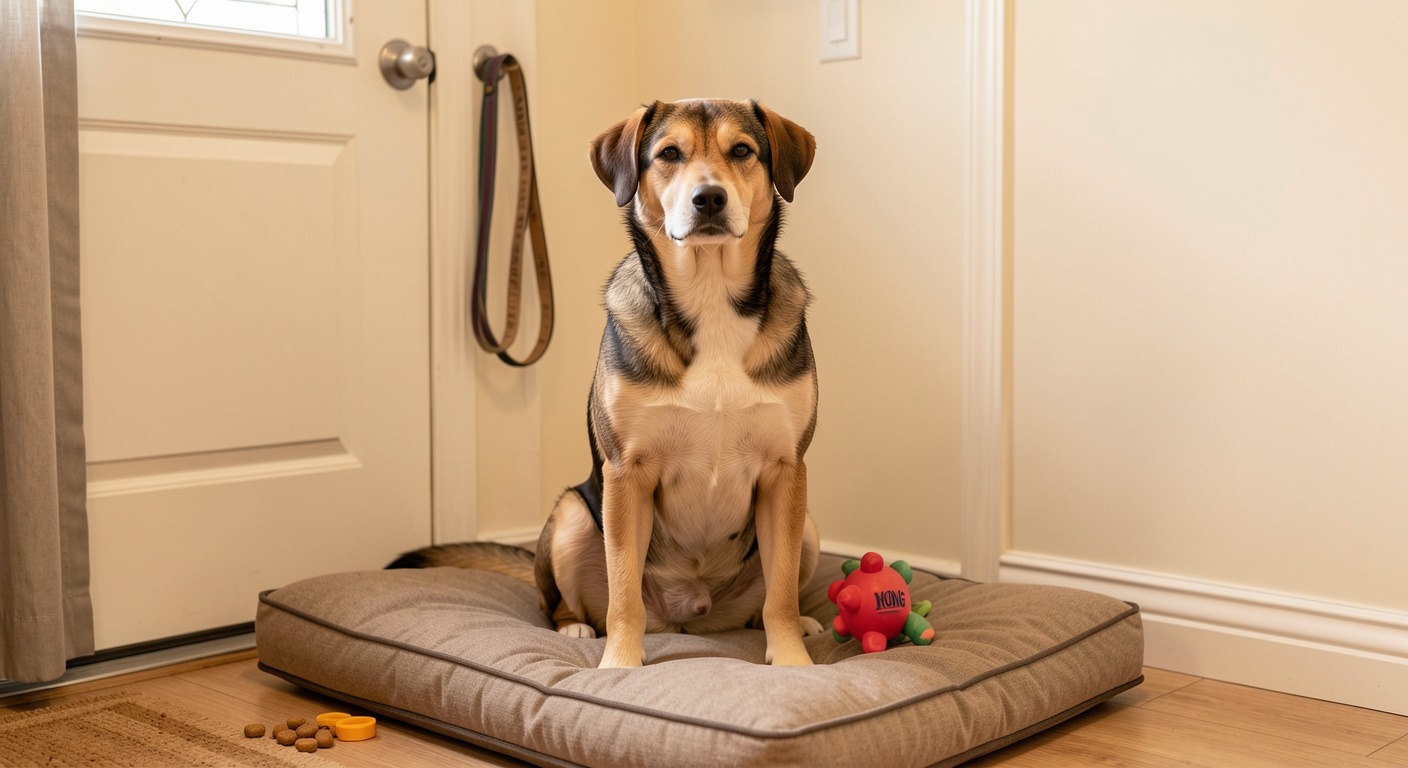
Understanding Canine Separation Anxiety
Separation anxiety is a panic disorder , not bad behavior. Your dog isn’t “getting back at you” for leaving. Signs include destructive chewing near exits, excessive barking/howling, indoor accidents in a house-trained dog, and desperate escape attempts. Treatment centers on desensitization (practicing very short departures and gradually extending time), counter-conditioning (associating your departure cues with good things), and , in moderate to severe cases , veterinary-prescribed medication. Punishment makes it worse. Patience and a systematic plan make it better.
This is genuine panic, not boredom. A dog shredding the door frame isn’t being “bad” , they’re terrified.
Begin with 30-second departures. Build up to minutes, then hours. Rushing the process backfires every time.
For moderate to severe cases, anti-anxiety medication isn’t a failure , it’s a tool that makes training possible.
Is It Really Separation Anxiety?
Before you label every chewed pillow as separation anxiety, rule out simpler explanations. A dog who shreds the trash while you’re gone might just be bored and under-exercised. A puppy who has accidents might not be fully house-trained yet.
True separation anxiety looks different. It’s not opportunistic , it’s desperate. Here’s how to tell the difference:
| Separation Anxiety | Boredom or Insufficient Training |
|---|---|
| Destruction focused on exit points , doors, windows, crates | Scattered mischief , trash, shoes, remote controls |
| Panic begins BEFORE you leave (pacing, trembling when you grab keys) | Calm when you leave, mischief starts later |
| Excessive vocalization , continuous howling or barking for hours | Occasional barking at outside stimuli |
| House soiling in a previously reliable dog, often within minutes of departure | Accidents due to being left too long or incomplete training |
| Self-injury , bloody paws from scratching at crates, broken teeth from chewing bars | No self-injury |
| Refuses to eat treats or food while alone | Happily eats treats and toys when alone |
Pro tip: Set up a camera before your next departure. Watching what happens in the first 10, 20 minutes after you leave is the single most diagnostic tool you have. If your dog shows panic within minutes, it’s likely separation anxiety. If they nap for an hour and then get bored, you’re dealing with a different problem.

What Causes Separation Anxiety?
There’s no single cause. Veterinarians and behaviorists point to several contributing factors:
- Never having been left alone before , common in pandemic puppies and dogs adopted during extended work-from-home periods
- Traumatic separation , abandonment, shelter surrender, or being rehomed multiple times
- A single terrifying event while alone , a break-in, a thunderstorm, fireworks, or construction noise
- Major life changes , a family member moving out, divorce, death, a child leaving for college, or a sudden schedule change
- Temperament , some dogs are simply more prone to anxiety. “Velcro dogs” who follow you everywhere are at higher risk
- Insufficient exercise , while exercise alone won’t cure separation anxiety, an under-exercised dog has fewer coping resources
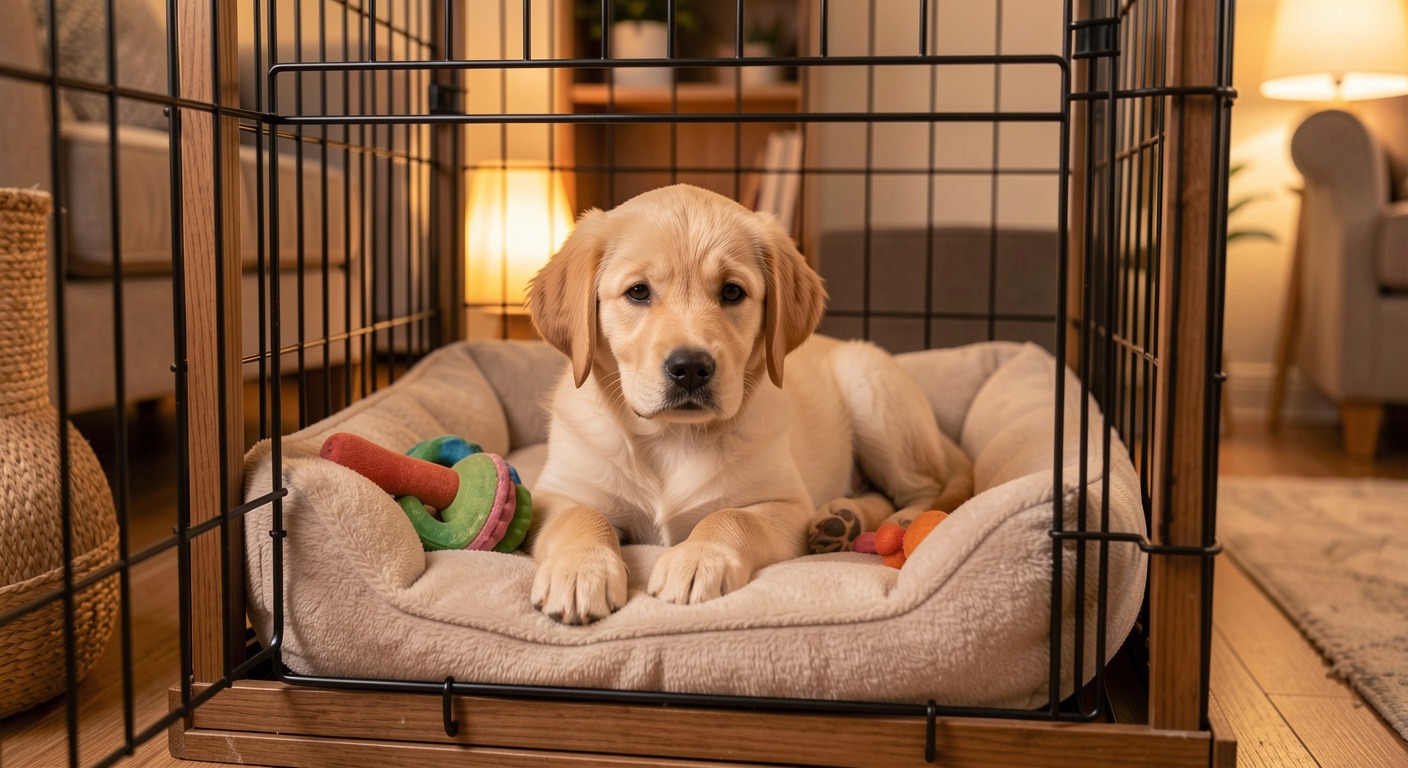
For some dogs, a crate with a cover and familiar bedding creates security. For others, a crate triggers more panic. Let your dog’s behavior guide you.
A frozen Kong, a bully stick, or a puzzle toy that ONLY appears when you leave. Over time, your departure cues predict good things.
No dramatic farewells. No excited reunion celebrations. Keep arrivals and departures boring , it signals that leaving is no big deal.
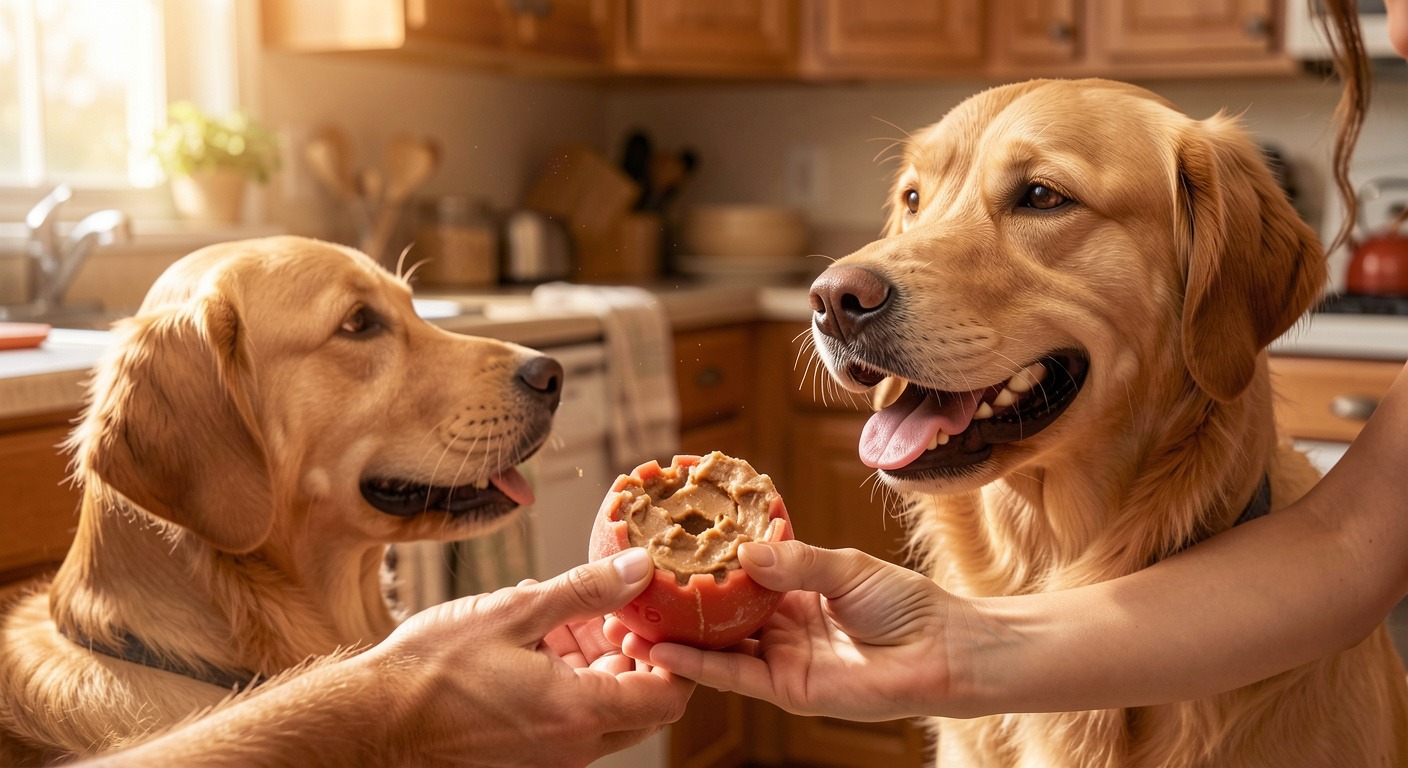
Step-by-Step Desensitization Plan
This is the core of separation anxiety treatment. The goal: teach your dog that being alone is safe by starting with absences so short they don’t trigger panic, then gradually extending the time.
Phase 1: Desensitize to Departure Cues (Week 1)
- Pick up your keys. Put them down. Go make coffee. Repeat 5, 10 times daily until your dog stops reacting.
- Put on your coat or shoes. Walk to the door. Don’t leave. Sit back down. Repeat.
- Add a high-value treat RIGHT before you touch keys or coat. Your dog starts to think: “Keys = treat!” instead of “Keys = panic!”
Phase 2: Micro-Departures (Weeks 2, 3)
- Walk to the door. Step outside. Close the door. Immediately come back in. No reaction? Give a treat.
- Extend to 5 seconds. Then 10. Then 30. Then 1 minute. Only increase time when your dog stays calm at the current duration.
- If your dog panics at any point, you moved too fast. Go back to the last successful duration and build slower.
- Vary the length , mix 10-second departures with 30-second ones so your dog can’t predict how long you’ll be gone.
Phase 3: Building Independence (Weeks 3, 6)
- Practice “stay” while you leave the room for increasing durations , even when you’re home. Independence isn’t just about leaving the house.
- Use baby gates to create physical separation while you’re still visible. Progress to being out of sight.
- Gradually extend absences: 5 minutes → 15 minutes → 30 minutes → 1 hour → 2 hours → half-day.
The most common mistake in separation anxiety training is progressing too quickly. A single panic episode can undo weeks of progress. If your dog isn’t ready for 30 minutes, stay at 10 minutes for another week. The timeline above is optimistic , some dogs need 3, 6 months of gradual work. There is no shortcut. Also: never punish your dog for destruction or accidents you find when you return. They happened during a panic state, and punishment only adds fear to the already terrifying experience of being alone.
When to Consider Medication
For dogs with moderate to severe separation anxiety, medication isn’t “giving up” , it’s giving your dog’s brain enough relief that training can actually work. Think of it like this: you can’t teach someone to swim while they’re drowning. Medication lowers the water level so they can learn.
Common veterinary-prescribed options include fluoxetine (Prozac) and clomipramine (Clomicalm), both FDA-approved for canine separation anxiety. These are not sedatives , they work gradually over weeks to reduce baseline anxiety. Short-acting medications like alprazolam or trazodone may be prescribed for situational use. Natural supplements like Adaptil (dog-appeasing pheromone) or Zylkene (milk protein) can support a training program but are rarely sufficient alone for moderate to severe cases.
All medication decisions must be made with your veterinarian. Never share human anxiety medication with your dog , doses differ dramatically, and some human medications are toxic to dogs.

Frequently Asked Questions
Q: Will getting a second dog help with separation anxiety?
Rarely. Separation anxiety is about being separated from YOU, not about being alone. A second dog often just gives you two anxious dogs. Focus on treatment before adding another pet to the equation.
Q: Can I use a bark collar for separation anxiety barking?
No. Separation anxiety barking is a distress signal, not a nuisance behavior. A bark collar adds fear and pain to an already panicked state , it will worsen the underlying anxiety and may cause new behavior problems.
Q: How long does separation anxiety training take?
Mild cases may resolve in 4, 8 weeks with consistent training. Moderate to severe cases often take 3, 6 months. Some dogs require lifelong management strategies. Every dog progresses at their own pace.
Q: Is daycare a good option while we train?
Yes , for many dogs, daycare or a pet sitter provides relief while you work on training. It prevents the daily panic cycle that reinforces the anxiety. Just make sure your dog actually enjoys daycare; some anxious dogs find group settings overwhelming.
Q: Can older dogs develop separation anxiety?
Yes. While it most commonly starts in young dogs, life changes in a senior dog’s world , a death in the family, moving homes, or cognitive decline , can trigger separation anxiety at any age. The treatment approach is the same, but rule out medical causes (pain, cognitive dysfunction) with your vet first.
Keep Reading


Build a Calmer, More Confident Dog
Separation anxiety is treatable. Browse our complete training library for positive reinforcement guides, behavior troubleshooting, and expert-backed training plans.
Explore All Training Guides →