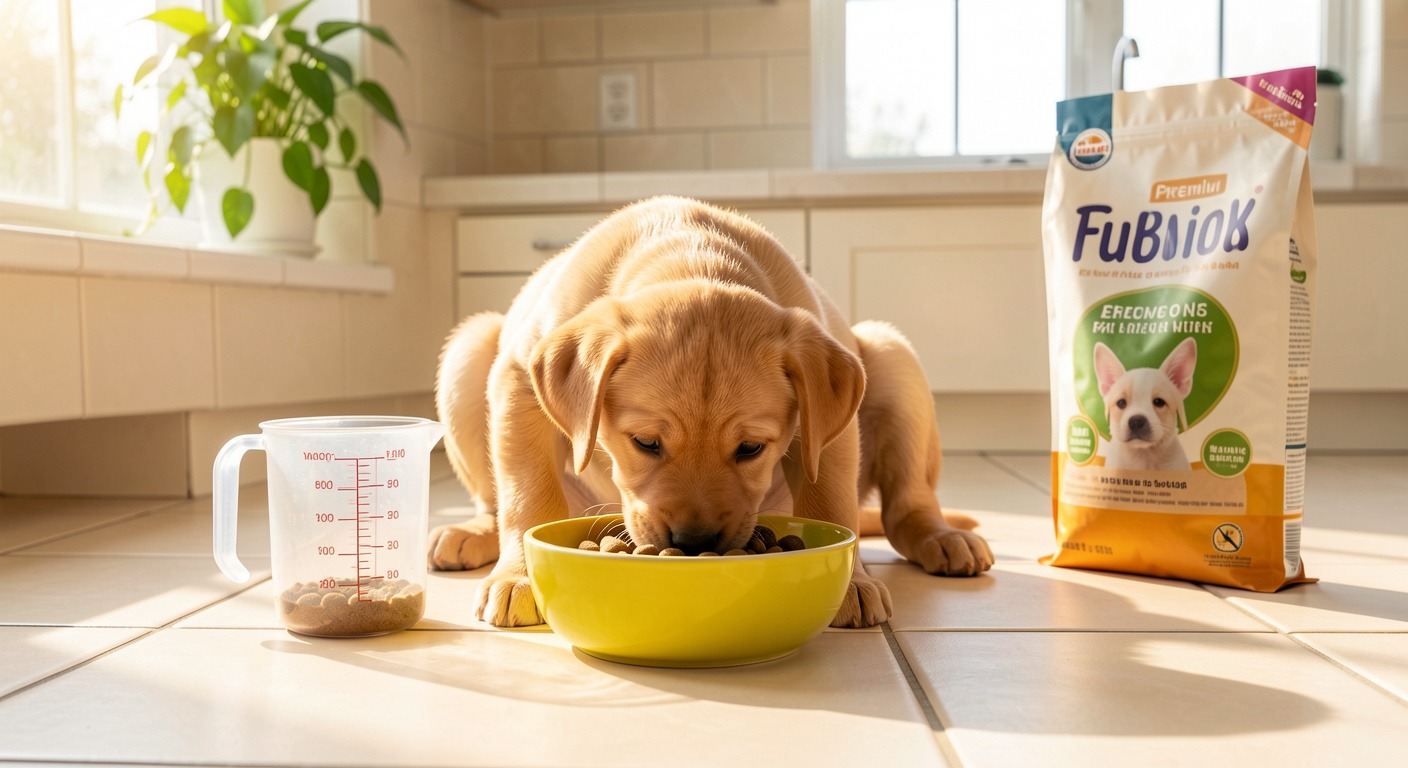
The Complete First-Year Puppy Feeding Blueprint
Puppies need food specifically formulated for growth , adult dog food won’t cut it. Look for an AAFCO statement that says “complete and balanced for growth” or “for all life stages.” Feed 3–4 meals daily until 6 months, then 2 meals daily. Choose a brand that meets WSAVA guidelines (Purina Pro Plan, Hill’s Science Diet, Royal Canin, Iams, or Eukanuba) for proven nutritional research. Avoid boutique brands, grain-free formulas (linked to heart disease), raw diets (bacterial risk for puppies), and homemade diets unless formulated by a veterinary nutritionist. If you’re ever unsure, ask your vet , poor nutrition in puppyhood has lifelong consequences.
Growing puppies need 22–32% protein from named animal sources. “Chicken” beats “poultry meal” beats “meat by-products.”
The FDA is investigating a link between grain-free diets and dilated cardiomyopathy (DCM). Whole grains are safe and nutritious for most puppies.
Tiny stomachs need 3–4 small meals daily until 6 months. Free-feeding (leaving food out all day) leads to picky eating and obesity.
Puppy Feeding Schedule by Age
| Age | Meals Per Day | Notes |
|---|---|---|
| 0–4 weeks | Nursing on demand | Mother’s milk only. If orphaned, use puppy milk replacer , never cow’s milk. |
| 4–8 weeks | 4–6 (gruel transitioning to kibble) | Start mixing warm water or puppy formula with dry kibble to form a mush. Gradually decrease liquid. |
| 8–12 weeks | 4 meals | Dry kibble, moistened if needed for small breeds. Puppy-specific formula only. |
| 3–6 months | 3 meals | Reduce to 3 meals. Portion sizes increase as puppy grows. Monitor body condition weekly. |
| 6–12 months | 2 meals | Small breeds can transition to adult food around 10–12 months. Large/giant breeds stay on puppy food until 12–18 months. |
| 12+ months | 2 meals | Transition to adult maintenance formula over 7–10 days by mixing increasing amounts of new food. |

How to Choose a Quality Puppy Food
The pet food aisle is overwhelming. Here’s a framework for cutting through the marketing:
The AAFCO Statement (Non-Negotiable)
Every bag of dog food sold in the U.S. must carry an AAFCO (Association of American Feed Control Officials) nutritional adequacy statement. For puppies, it should say one of two things:
- “Complete and balanced for growth” , designed specifically for puppies
- “Complete and balanced for all life stages” , suitable for puppies AND adults
If it says “for maintenance” only, that’s adult dog food , it lacks the protein, fat, calcium, and phosphorus ratios puppies need for bone and muscle development.
WSAVA Guidelines , Your Shortcut to Safety
The World Small Animal Veterinary Association (WSAVA) doesn’t endorse specific brands, but they publish guidelines for what makes a good pet food manufacturer. Brands that meet these guidelines include: Purina Pro Plan, Hill’s Science Diet, Royal Canin, Iams, and Eukanuba. These companies employ full-time veterinary nutritionists, conduct feeding trials, own their manufacturing facilities, and publish peer-reviewed research. This is what separates nutrition science from marketing.
7 Ingredients to Avoid in Puppy Food
- Artificial colors , Red 40, Yellow 5, Blue 2. Zero nutritional purpose. Some are linked to behavioral issues.
- Generic “meat meal” or “animal fat” , Unnamed sources can be anything. Look for named species: “chicken meal,” “salmon oil.”
- Corn syrup, sugar, or fructose , Added sugar has no place in dog food. Contributes to obesity and dental disease.
- BHA/BHT preservatives , Synthetic preservatives classified as possible carcinogens. Natural alternatives (mixed tocopherols, rosemary extract) work fine.
- Propylene glycol , Used to keep semi-moist foods chewy. Toxic to cats and banned in cat food; legal in dog food but best avoided.
- Excessive fillers , Corn, wheat, and soy aren’t inherently bad, but if they’re the first 3 ingredients, protein content may be inadequate.
- Peas, lentils, or legumes in the first 5 ingredients , These are common in grain-free foods and are under investigation for links to DCM heart disease.
Need controlled calcium and phosphorus ratios for proper bone growth. Too much = skeletal deformities. Large-breed puppy formulas are essential.
Higher metabolism = need calorie-dense kibble. Small-breed formulas have smaller kibble size to prevent choking.
Raw diets carry bacterial risks (Salmonella, E. coli) that are especially dangerous for puppies with developing immune systems. AVMA and AAHA advise against raw feeding.
How Much to Feed: A Starting Point
Every food has a feeding guide on the bag , but these are estimates based on average activity levels. Your puppy’s actual needs may differ by 20–30%. Here’s a general framework:
- Toy/small breeds (adult weight under 20 lbs): ½–1¼ cups daily, split across meals
- Medium breeds (20–50 lbs adult): 1–3 cups daily
- Large breeds (50–90 lbs adult): 2–4 cups daily
- Giant breeds (90+ lbs adult): 3–6 cups daily
The body condition score test: Run your hands along your puppy’s sides. You should feel ribs under a thin layer of fat , not see them sharply, but easily feel them. If ribs are buried under padding, cut portions by 10%. If ribs are prominent and hip bones visible, increase by 10%. Check weekly , puppies grow fast, and their needs change constantly.
Puptify provides general nutrition education. Puppy nutrition is breed-specific , a Great Dane puppy’s calcium needs are dramatically different from a Chihuahua’s. Always consult your veterinarian about your specific puppy’s diet, especially for large and giant breeds where improper nutrition can cause permanent skeletal damage. Never put a puppy on a grain-free or boutique diet without your vet’s explicit recommendation, and avoid raw or homemade diets unless formulated by a board-certified veterinary nutritionist. Keep toxic human foods far away: chocolate, grapes, raisins, onions, garlic, macadamia nuts, xylitol, and alcohol can be fatal to dogs.
Frequently Asked Questions
Q: When can I switch my puppy to adult food?
Small breeds (under 20 lbs adult weight): 10–12 months. Medium breeds: 12 months. Large breeds (50–90 lbs): 12–15 months. Giant breeds (90+ lbs): 18–24 months. Transition gradually over 7–10 days by mixing increasing ratios of new food.
Q: Are grain-free diets safe for puppies?
The FDA has not concluded its investigation, but the current evidence is concerning enough that the veterinary consensus is: avoid grain-free diets for puppies unless a diagnosed grain allergy exists (which is extremely rare). Choose a grain-inclusive food from a WSAVA-compliant brand.
Q: Can I give my puppy treats? How many?
Yes, but treats should make up no more than 10% of daily calories. Use tiny training treats (break larger ones into pea-sized pieces). For young puppies, you can use their regular kibble as “treats” during training sessions to avoid overfeeding.
Q: Is wet food or dry food better for puppies?
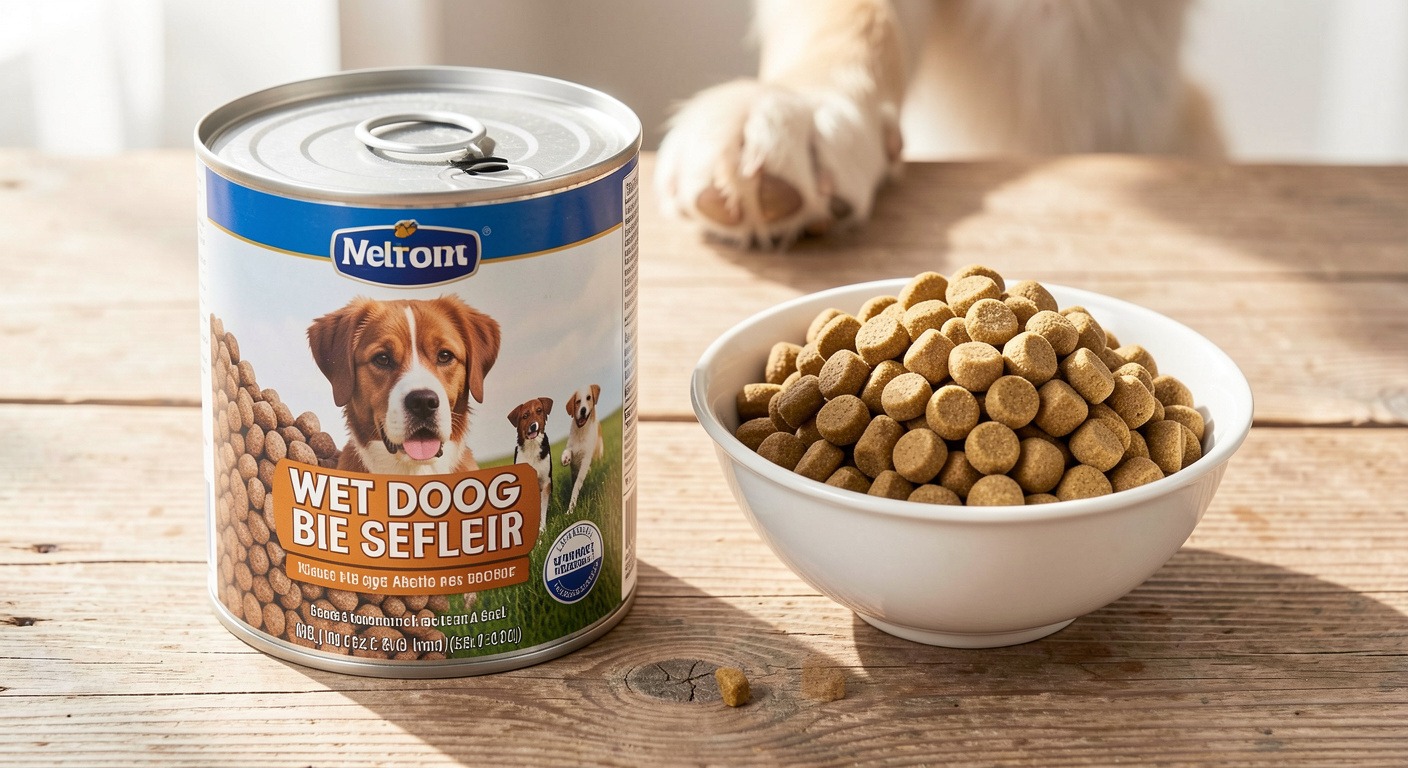
Both are fine. Dry kibble is more convenient, more affordable, and may help with dental health. Wet food is more palatable and hydrating. Many owners mix the two. The nutritional quality matters far more than the format.
Q: What human foods are dangerous for puppies?
Never give: chocolate, grapes/raisins, onions, garlic, macadamia nuts, xylitol (sweetener in sugar-free products), alcohol, raw dough, and anything with bones that splinter (chicken, fish). When introducing any new food, give a tiny amount first and watch for allergic reactions. See our complete dog food safety guide for the full list.
Keep Reading

Feed Your Pup With Confidence
Good nutrition in the first year sets the foundation for a lifetime of health. Browse our complete nutrition library for feeding guides, food reviews, and safety information.
Explore All Nutrition Guides →