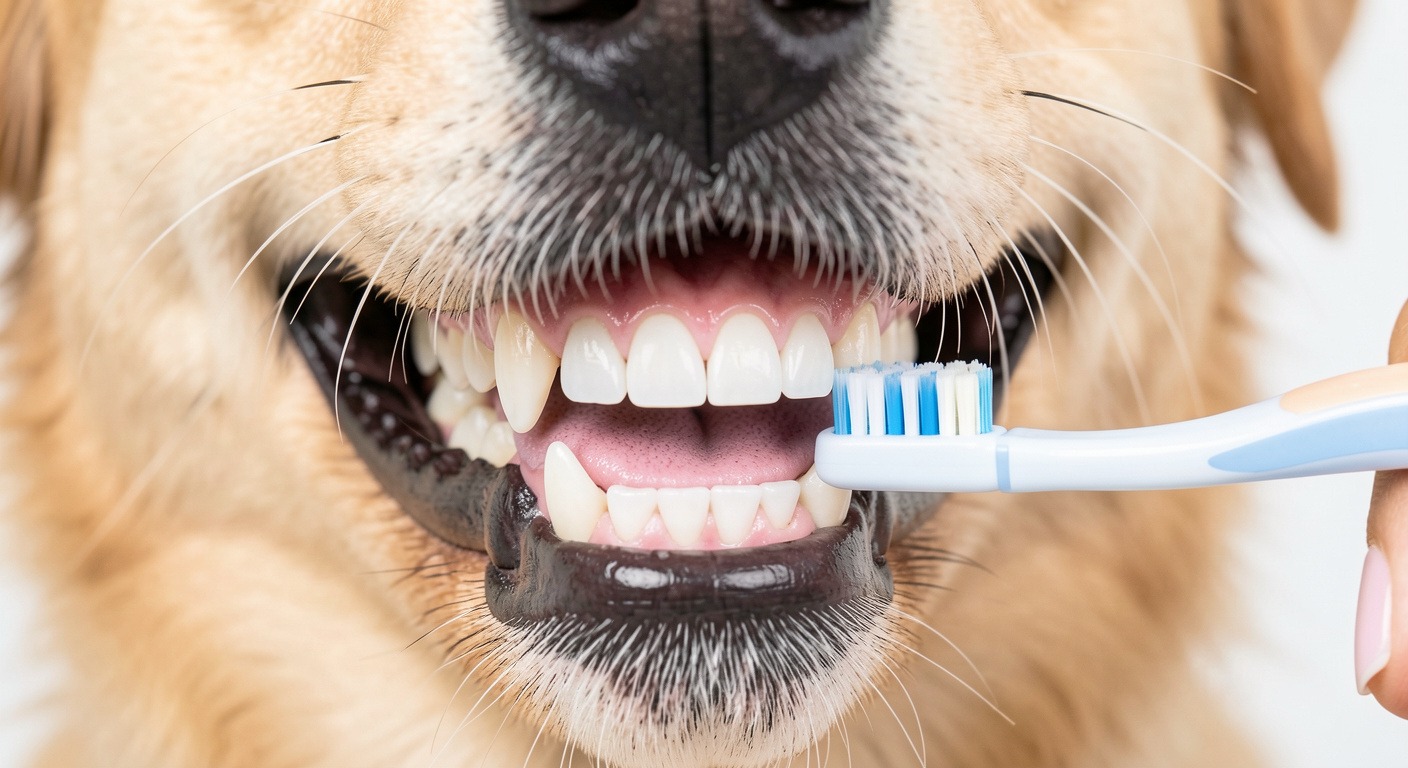
Dog dental care is the most overlooked part of canine health , yet 80% of dogs have some form of dental disease by age 3, according to the American Veterinary Medical Association. Daily brushing with dog-specific toothpaste, paired with dental chews, regular vet check-ups, and professional cleanings when needed, protects your dog’s teeth, gums, and overall health.
The Daily Routine That Adds Years to Your Dog’s Life
Daily tooth brushing with dog-specific enzymatic toothpaste is the single most effective way to prevent dental disease. Supplement with VOHC-approved dental chews, schedule professional cleanings every 1-3 years, and never use human toothpaste , it contains xylitol and fluoride, both toxic to dogs. If you notice foul breath, bleeding gums, or reluctance to eat, contact your veterinarian.
The gold standard. Use dog toothpaste and a soft brush. Start with 30 seconds per side and build up gradually.
VOHC-approved products reduce plaque and tartar. They supplement brushing , they don’t replace it.
Even excellent home care can’t reach below the gumline. Most dogs need their first cleaning by age 3-5.
Sources: AVMA Pet Dental Care, VOHC Accepted Products, AAHA Dental Care Guidelines, VCA Hospitals: Dental Care in Dogs, American Veterinary Dental College, FDA Warning on Bones
Quick Answer: What Is the Best Dental Care Routine for Dogs?
The best dog dental care routine combines daily brushing with enzymatic dog toothpaste, VOHC-approved dental chews or dental diets between brushings, annual oral exams by a veterinarian, and professional dental cleanings under anesthesia every 1-3 years depending on your dog’s age, breed, and home care consistency. Small breeds need more frequent professional care , often annually starting at age 2. Even 3-4 brushing sessions per week significantly reduce plaque and tartar buildup.
Why Dog Dental Care Matters
Dental disease is the most common health problem in dogs, affecting 80% by age 3 per the AVMA. It is not just about bad breath. Left untreated, bacteria from the mouth enter the bloodstream through inflamed gums and travel to the heart, liver, and kidneys , damaging these organs over time.
The progression follows a predictable path: plaque builds up → hardens into tartar within 24-48 hours → irritates the gums (gingivitis) → infection moves below the gumline (periodontitis) → tooth loss and systemic organ damage. The good news: every stage before periodontitis is reversible with proper dog dental care.
Dogs are experts at hiding mouth pain. They will continue eating even with loose, infected teeth because hunger overrides discomfort. By the time you see symptoms, the disease is often advanced. This is why preventive dental care , not reactive treatment , is the only reliable strategy.
Signs of Dental Disease in Dogs
Dogs rarely show obvious signs of dental pain until the problem is severe. Watch for these indicators:
- Bad breath , Not normal “dog breath.” A foul, rotting, or metallic smell signals infection below the gumline.
- Red, swollen, or bleeding gums , Gingivitis is painful even if your dog keeps eating normally.
- Yellow-brown tartar buildup , Especially along the gumline and back molars where plaque accumulates fastest.
- Drooling, pawing at the mouth, or dropping food , Signs of oral discomfort while eating or chewing.
- Loose or missing teeth , Advanced periodontal disease. Tooth loss is never normal in adult dogs.
- Reluctance to eat hard food or chew toys , Your dog may be in pain but unable to communicate it.
- Swelling under the eye or along the jaw , May indicate a tooth root abscess requiring immediate veterinary attention.
Dog Bad Breath: What Different Smells Mean
Not all bad breath is the same. The type of odor can tell you a lot about what is happening inside your dog’s mouth , and whether it is an emergency.
- Mild “dog food” smell , Normal, especially after eating. Worsens if teeth aren’t brushed regularly. Manageable with brushing and dental chews.
- Foul, rotting odor , Signals bacterial infection below the gumline. Food particles trapped in periodontal pockets rot and release sulfur compounds. This is the most common sign of advanced dental disease. A professional cleaning is needed.
- Sweet or fruity breath , Can indicate diabetes. The body produces ketones when it cannot use glucose properly, creating a sweet smell. Requires veterinary diagnosis.
- Urine-like or ammonia smell , May signal kidney disease. When kidneys cannot filter waste properly, urea builds up in the bloodstream and is exhaled through breath. This is a medical emergency.
- Metallic or bloody smell , Active bleeding in the mouth, usually from severe gum inflammation or an oral injury. Inspect your dog’s mouth carefully and contact your vet if bleeding persists.
Rule of thumb: If your dog’s breath has changed suddenly or smells dramatically different from normal, do not dismiss it. Bad breath in dogs is a symptom, not a personality trait. A veterinarian should evaluate any persistent foul or unusual mouth odor.
How Often Should You Brush Your Dog’s Teeth?
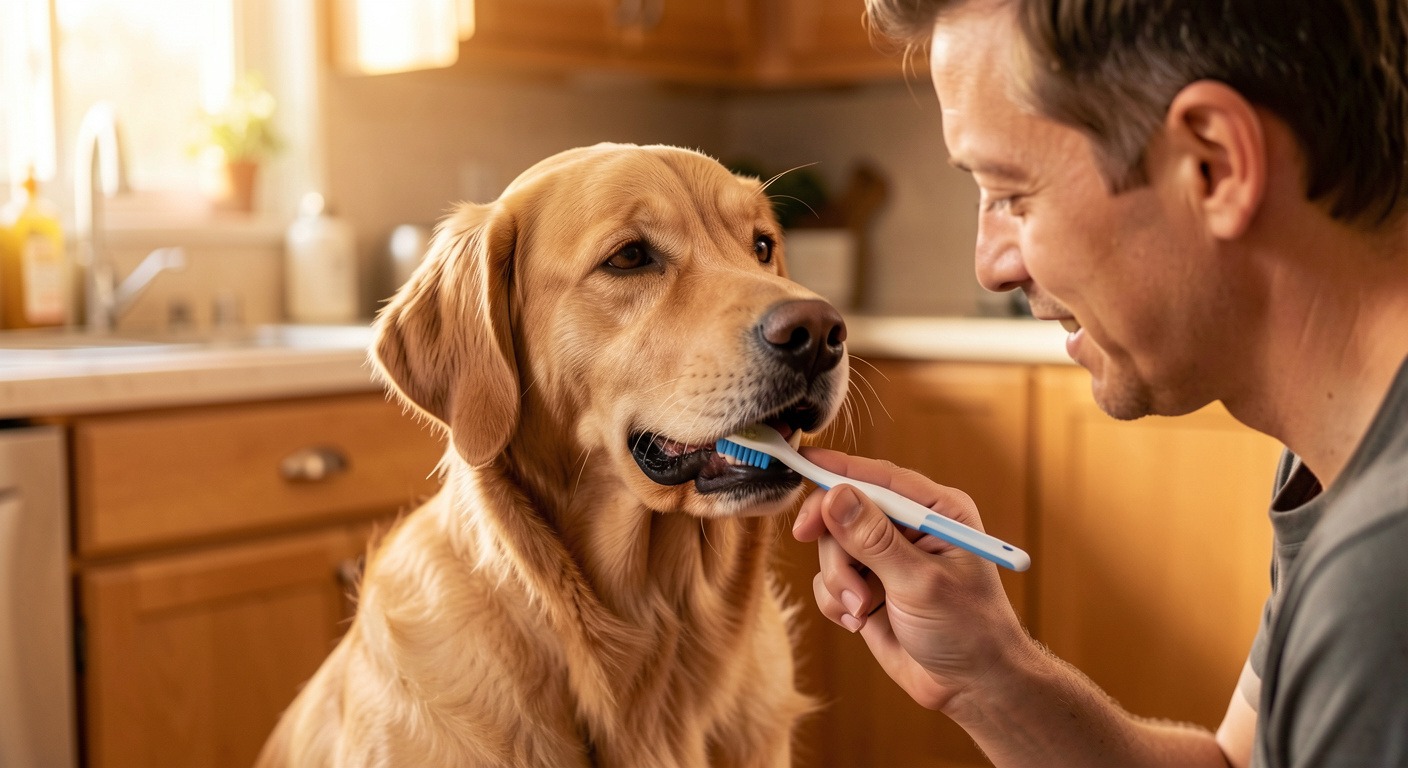
Daily brushing is ideal. Plaque begins hardening into tartar within 24-48 hours, so brushing every day removes it before it becomes a problem. But even 3-4 times per week makes a significant difference compared to no brushing at all. Research shows that brushing less than once a week provides virtually no benefit , consistency matters more than perfection.
Each session should last 1-2 minutes total. Focus on the outer surfaces of the teeth along the gumline , the tongue keeps the inner surfaces cleaner, and that is where most dogs tolerate brushing best. Use small circular motions with a soft-bristled toothbrush made for dogs.
How to Brush Your Dog’s Teeth Step by Step
Daily brushing is the gold standard for dog dental care, but forcing it creates a negative association that makes future sessions harder. The key is building positive associations slowly over 3-4 weeks. Never rush , a dog who learns to tolerate brushing willingly is far better off than one who hides when the toothbrush appears.
Step 1: Let Your Dog Taste the Toothpaste
Start with nothing but your finger and a pea-sized amount of dog toothpaste. Chicken, beef, or peanut butter flavors make it a treat, not a chore. Let your dog lick the toothpaste off your finger daily at the same time for 3-5 days. This builds anticipation , the toothpaste becomes something your dog looks forward to.
Step 2: Touch the Teeth and Gums
Once your dog eagerly licks the toothpaste, put a small amount on your finger and gently rub it along the outer surface of the front teeth and gums. Keep sessions under 30 seconds. Praise calmly and offer a small treat afterward. Do this for 3-5 days until your dog shows no resistance.
Step 3: Introduce the Toothbrush
Use a soft-bristled dog toothbrush or a finger brush. Apply toothpaste and let your dog lick it off the brush first. Then gently brush the outer surfaces of the front teeth in small circles for 15-20 seconds. Stop before your dog shows signs of wanting it to end. Gradually work toward the back teeth over several sessions.
Step 4: Brush the Gumline Gently
Angle the brush at 45 degrees toward the gumline , this is where plaque accumulates and disease begins. Use small circular motions. Do not scrub hard. Focus on the outer surfaces only. Aim for 30 seconds per side. If your dog pulls away, you are moving too fast. Go back a step and rebuild trust.
Step 5: Build a Daily Routine
Gradually increase to 1-2 minutes total. Brush at the same time every day , after your morning coffee or before the evening walk. Consistency matters more than duration. Always end with calm praise or a small treat. Over time, your dog will associate brushing with positive attention and the routine becomes automatic for both of you.
Best Dog Dental Care Products
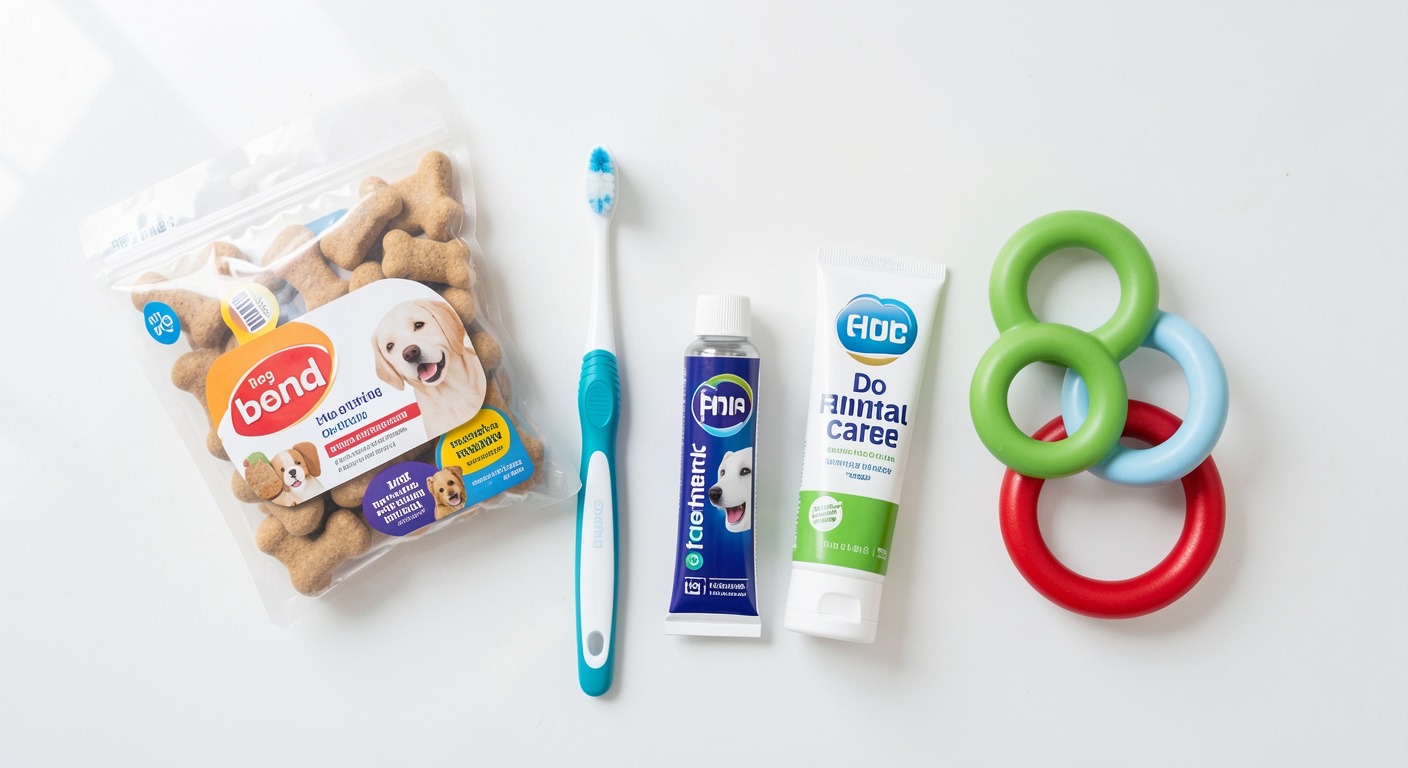
Walk into any pet store and you will find an aisle of dental products , toothpastes, brushes, chews, water additives, sprays, gels, and prescription diets. Most make big claims. Only a fraction have clinical evidence backing them up. Here is what actually works for routine dog dental care:
- Enzymatic toothpaste: Virbac C.E.T. Enzymatic and Petsmile are the two most studied brands. Enzymatic formulas contain glucose oxidase and lactoperoxidase, which boost saliva’s natural antibacterial properties. They continue working after brushing ends. Never substitute with baking soda or human toothpaste.
- Soft-bristled dog toothbrush: A brush with a long handle and small head reaches back molars. Finger brushes work for dogs who resist a handle but clean less effectively. Dual-headed brushes cover more surface area per stroke.
- Dental wipes: For dogs who absolutely refuse a brush, dental wipes (Pet MD, Vet’s Best) provide mechanical cleaning along the gumline. Less effective than brushing but far better than nothing.
- Oral rinses and gels: Chlorhexidine-based rinses and gels (prescribed by a vet) reduce bacteria in cases of existing gingivitis. Over-the-counter options provide a mild antibacterial effect but are not substitutes for brushing.
Dog Dental Chews, Water Additives, and Dental Diets: What Works?
Not all dental products are created equal. The only reliable way to know a product actually reduces plaque or tartar is the Veterinary Oral Health Council (VOHC) seal of acceptance. Products without this seal may still help , or they may do nothing at all.
| Product Type | Effectiveness | Best For | Warning |
|---|---|---|---|
| Dog tooth brushing | ★★★★★ Gold standard | All dogs , start as puppies | Requires consistency; skipping weeks erases progress |
| VOHC dental chews | ★★★☆☆ Good supplement | Between brushings; dogs who resist brushing | Calorie-dense , count toward daily intake |
| Prescription dental diets | ★★★☆☆ Clinically proven | Dogs with recurrent dental disease | Requires veterinary prescription |
| Water additives | ★★☆☆☆ Mild benefit | Extra layer of plaque protection | Not a standalone solution; may alter water taste |
| Dental sprays/gels (OTC) | ★★☆☆☆ Mild benefit | Spot-treatment between brushings | No mechanical cleaning , does not replace brushing |
| Raw bones / antlers / hooves | ⚠️ Risk outweighs benefit | Not recommended | Tooth fracture risk is high. FDA warns bones cause broken teeth, oral injuries, and GI blockages. Avoid entirely. |
| Human toothpaste | 🚫 Dangerous | NEVER use on dogs | Toxic. Contains xylitol and fluoride. Both can be fatal to dogs even in small amounts. |
| Baking soda | 🚫 Harmful | NEVER use on dogs | Too abrasive for enamel. Upsets stomach if swallowed. High sodium content is dangerous. |
What Not to Use on Your Dog’s Teeth
Some products and methods that seem logical are actually dangerous. Here is what to avoid when caring for your dog’s teeth:
- Human toothpaste , Contains xylitol (causes rapid, life-threatening hypoglycemia and liver failure) and fluoride (toxic at doses dogs easily reach by swallowing toothpaste). Both ingredients are safe for humans but deadly for dogs. Never use human toothpaste, even “just this once.”
- Baking soda , Too abrasive for dog tooth enamel. Swallowing baking soda can cause electrolyte imbalances, muscle spasms, and in large amounts, congestive heart failure. The high sodium content alone makes it dangerous for dogs with heart or kidney conditions.
- Hard bones, antlers, and hooves , These are among the most common causes of slab fractures (the outer layer of a molar shears off, exposing the sensitive dentin and pulp). A slab fracture is extremely painful and requires extraction or root canal. The FDA explicitly warns against giving bones to dogs.
- Forcing your dog’s mouth open , If your dog resists brushing, forcing it creates fear and aggression around mouth handling. This makes future vet exams, medication administration, and dental care harder. Back up to an earlier step and rebuild trust slowly.
- Scraping tartar at home , Dental scalers sold online promise to let you scrape tartar off your dog’s teeth yourself. This is dangerous. Without proper technique and training, you risk cutting the gums, grooving the enamel (creating future plaque traps), and pushing bacteria into the bloodstream. Tartar removal below the gumline must be done under anesthesia by a veterinary professional.
- Ignoring bad breath or bleeding gums , These are not normal. A dog’s breath should not smell foul, and gums should not bleed during brushing. Both are signs of active infection that needs professional evaluation.
Professional Dog Dental Cleaning: When Is It Needed?
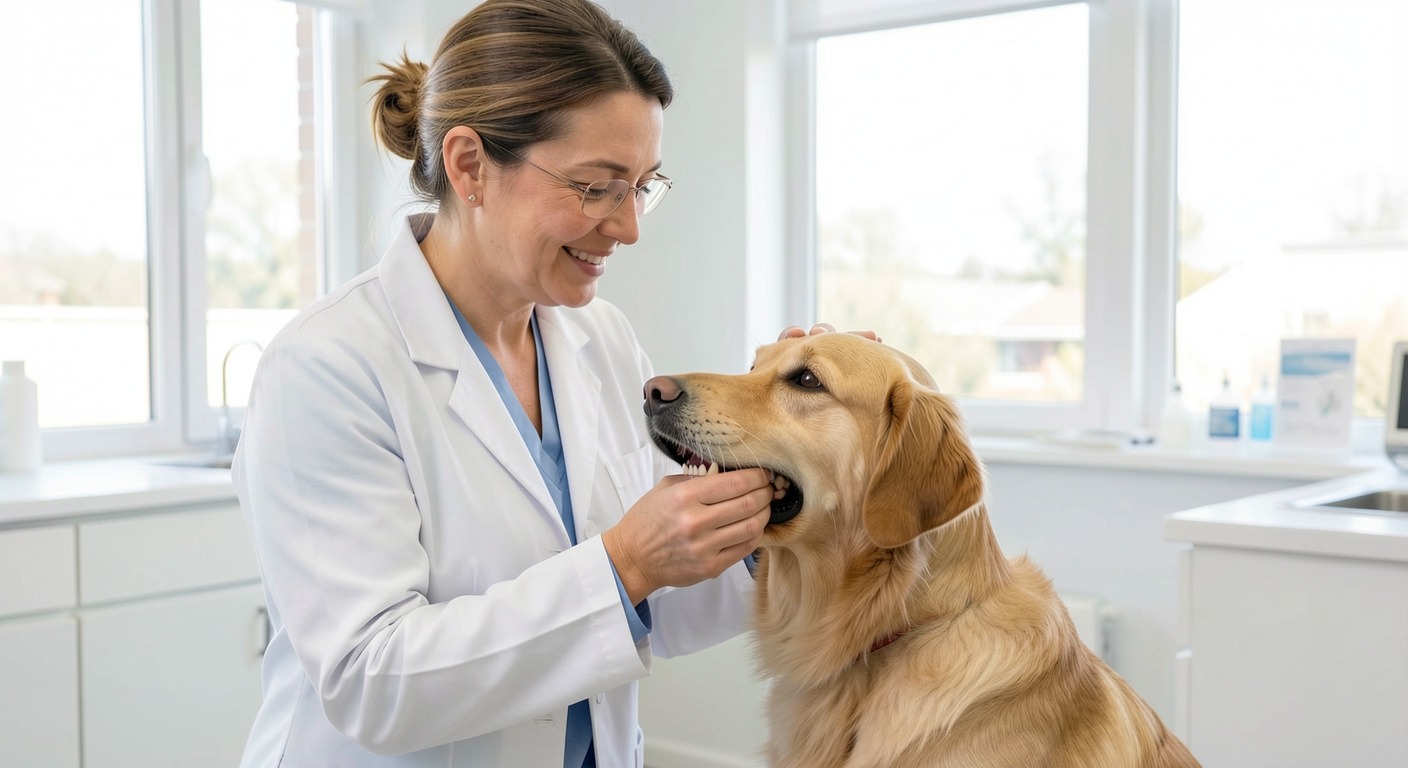
Even with excellent home care, most dogs eventually need a professional dental cleaning , also called a COHAT (Comprehensive Oral Health Assessment and Treatment). This procedure is performed under general anesthesia so the veterinarian can thoroughly clean and examine every tooth surface, including the 60% of each tooth that lives below the gumline.
Most dogs need their first professional cleaning between ages 3 and 5. After that, the frequency depends on home care quality, breed predisposition, and individual factors. Small breeds often need cleanings annually starting at age 2. Large breeds with consistent home care may go 2-3 years between cleanings.
A proper COHAT includes: pre-anesthetic bloodwork to ensure your dog is healthy enough for anesthesia, full-mouth dental X-rays (which find 28% more problems than visual exam alone), scaling above and below the gumline, polishing to smooth the tooth surface (rough surfaces attract plaque faster), and a complete oral examination with charting of every tooth.
When brushing is not enough: If your dog has visible tartar, red or bleeding gums, loose teeth, or a foul mouth odor that persists despite daily brushing, home care alone cannot reverse the problem. These signs indicate that infection has already moved below the gumline , a zone that toothbrushes cannot reach. At this stage, a professional cleaning under anesthesia is the only way to halt the disease and prevent tooth loss. Delaying treatment allows infection to spread deeper, making future treatment more extensive and expensive.
Many owners worry about anesthesia, and that concern is understandable. But modern veterinary anesthesia is extremely safe , the risk of a serious complication is approximately 0.05% for healthy dogs, according to a large-scale study in the Journal of the American Animal Hospital Association. The risk of untreated dental disease , chronic pain, systemic infection, organ damage, and shortened lifespan , is far higher.
Why Small Dogs Need Extra Dental Care
Small breeds , Yorkshire Terriers, Chihuahuas, Dachshunds, Toy Poodles, and similar , are at dramatically higher risk for dental disease. Their teeth are the same size as those of large dogs, but they are crowded into much smaller jaws. This crowding traps food debris and plaque in tight spaces that are difficult to clean. Many small breeds also have a genetic predisposition to periodontal disease, independent of home care quality.
For small dogs, dog dental care is not optional , it is essential. Many small-breed dogs need professional cleanings annually starting at age 2, and daily brushing is even more critical than for larger breeds. If you own a small dog, invest in a finger brush (which gives you more control in a tiny mouth) and schedule annual oral exams without exception. The alternative , extractions of multiple teeth by middle age , is painful, expensive, and entirely preventable.
Puppy Dental Care: When to Start Brushing
Start handling your puppy’s mouth from the day you bring them home , even before they have permanent teeth. Gently lift their lips, touch their gums with your finger, and make mouth handling a normal part of daily interaction. This early desensitization makes tooth brushing dramatically easier later.
Introduce toothpaste and a soft brush around 12-16 weeks of age, once your puppy is comfortable with mouth handling. Puppies have 28 deciduous (baby) teeth that fall out between 4-6 months as 42 permanent teeth erupt. While baby teeth are temporary, the brushing habit you build during this window lasts a lifetime. Puppies who learn to accept brushing early rarely resist as adults.
Critical puppy dental note: Retained baby teeth , when a deciduous tooth does not fall out as the permanent tooth erupts behind it , are common in small breeds and can crowd permanent teeth out of position. Your veterinarian should check your puppy’s mouth at every puppy visit (typically at 8, 12, and 16 weeks). Retained teeth that have not fallen out by 6 months may need surgical extraction.
Dog Dental Care Routine by Age
The right dental care routine changes as your dog ages. Here is what to focus on at each life stage:
| Life Stage | Brushing Frequency | Professional Care | Special Focus |
|---|---|---|---|
| Puppy (8 weeks, 1 year) | Daily handling + toothpaste intro by 16 weeks | Vet checks for retained baby teeth at every puppy visit | Build positive associations. Check for misaligned bite or missing teeth. |
| Adult (1, 7 years) | Daily brushing; minimum 3-4×/week | First cleaning typically at 3-5 years; then every 1-3 years | Consistency is key. Pair with VOHC chews. Annual vet oral exam. |
| Senior (7+ years) | Daily brushing; be gentle on loose teeth | Annual cleanings; pre-anesthetic bloodwork is essential | Watch for oral tumors, tooth resorption, and worn enamel. |
| Small breeds (all ages) | Daily brushing , non-negotiable | Annual cleanings often starting at age 2 | Crowded teeth trap more debris. Use finger brush for better control. |
Puptify provides general education, not medical advice. If your dog shows signs of dental pain , refusing food, bleeding gums, facial swelling, loose teeth, or a foul mouth odor , contact your veterinarian. Never attempt to pull a loose tooth yourself. Never use human toothpaste. Never scrape tartar at home. A foul mouth odor usually signals infection that requires professional treatment.
When to Call a Veterinarian
Some dental symptoms require immediate professional attention. Do not wait if your dog shows any of the following:
- Foul, persistent mouth odor , Especially if it developed suddenly or smells rotting, metallic, or sweet.
- Bleeding from the mouth , Gums that bleed during brushing or spontaneously.
- Swelling on the face or under the eye , May indicate a tooth root abscess, which is painful and can spread infection.
- Broken or fractured tooth , Exposed pulp is extremely painful and a direct pathway for infection into the jawbone.
- Loose teeth in an adult dog , Adult teeth should never be loose. This indicates advanced periodontal disease.
- Refusal to eat or dropping food , Oral pain is usually the cause when a previously good eater suddenly stops.
- Excessive drooling or pawing at the mouth , Your dog is trying to tell you something is wrong.
- A growth or lump in the mouth , Oral tumors account for about 6% of all canine cancers. Early detection dramatically improves outcomes.
Frequently Asked Questions
Q: Can I use human toothpaste on my dog?
No. Human toothpaste contains xylitol and fluoride , both toxic to dogs. Xylitol causes rapid, life-threatening hypoglycemia and liver failure. Fluoride toxicity causes vomiting, seizures, and cardiac arrhythmias. Only use dog-specific enzymatic toothpaste.
Q: How often should dogs get professional dental cleanings?
Most dogs need their first cleaning between ages 3-5, then every 1-3 years depending on home care and breed. Small breeds often need annual cleanings starting at age 2. Your veterinarian will assess your dog’s individual needs during annual oral exams.
Q: What toothpaste is safe for dogs?
Use enzymatic dog toothpaste specifically formulated for canines. Virbac C.E.T. and Petsmile are veterinarian-recommended brands with clinical backing. Choose flavors dogs enjoy , poultry, beef, or peanut butter. Never use human toothpaste, baking soda, or homemade mixtures.
Q: Can dental chews replace brushing?
No. Dental chews reduce plaque and tartar on the chewing teeth in the back of the mouth, but they do not clean the front teeth, canines, or gumline effectively. They supplement brushing , they do not replace it. Look for the VOHC seal to ensure the chew has been clinically tested.
Q: Is bad breath in dogs normal?
Mild “dog food” breath is common, but foul, rotting, metallic, or sweet-smelling breath is not normal. Persistent bad breath usually indicates dental disease, and sudden changes in breath odor can signal diabetes, kidney disease, or oral infection. Have your veterinarian evaluate any concerning mouth odor.
Q: Do dog dental chews really work?
VOHC-approved dental chews do reduce plaque and tartar when used daily, but they mainly clean the chewing teeth in the back. The front teeth and gumline still need brushing. Chews are a helpful supplement, not a replacement for mechanical brushing.
Q: What are early signs of gum disease in dogs?
Early signs include redness along the gumline, mild bad breath that does not resolve, slight bleeding when chewing hard objects, and a thin yellow film of plaque visible on back teeth. At this stage , gingivitis , the condition is fully reversible with daily brushing and professional cleaning.
Q: Are raw bones good for dog teeth?
No. Despite popular belief, raw bones carry significant risks: slab fractures (shearing off the outer layer of a molar), tooth breakage, mouth lacerations, choking, and gastrointestinal blockage or perforation. The FDA warns against giving any bones to dogs. Safer alternatives include VOHC-approved dental chews and rubber chew toys designed for dental health.
Q: How do I brush my dog’s teeth if they hate it?
Start over from the beginning , even if you have tried before. Spend a week letting your dog lick toothpaste off your finger without any brushing. Then touch the front teeth briefly. Then introduce the brush without actually brushing. Progress in 15-second increments. Use high-value treats. Some dogs tolerate a finger brush better than a traditional toothbrush. If your dog becomes aggressive, stop immediately , consult a veterinary behaviorist before continuing.
Q: Do small dogs need more dental care?
Yes , significantly more. Small breeds have the same size teeth as large dogs but crowded into much smaller jaws. This traps debris, accelerates plaque buildup, and predisposes them to early periodontal disease. Small dogs often need professional cleanings annually starting at age 2, and daily brushing is absolutely essential.
Q: Can poor dental health affect my dog’s overall health?
Yes. Bacteria from periodontal disease enter the bloodstream through inflamed gums and travel to the heart (causing endocarditis), liver, and kidneys. Studies show that dogs with severe dental disease have higher levels of systemic inflammatory markers and are at increased risk for organ damage. Good dental care is whole-body health care.
Q: Is anesthesia necessary for dog dental cleaning?
Yes. Proper dental cleaning requires scaling below the gumline where 60% of the tooth lives , this cannot be done on an awake dog. Anesthesia also protects the airway from water and debris, allows full-mouth dental X-rays, and enables a thorough oral examination. Anesthesia-free dentistry is considered below the standard of care by the American Veterinary Dental College.
Q: At what age should I start brushing my puppy’s teeth?
Start handling your puppy’s mouth from day one, even before permanent teeth come in. Introduce toothpaste and a soft brush around 12-16 weeks. Early positive experiences make lifelong brushing easier, and puppies who accept brushing early rarely resist as adults.
Q: How much does a professional dog dental cleaning cost?
Expect $300-$700 for a standard cleaning with anesthesia, depending on your location and whether extractions are needed. Pre-anesthetic bloodwork adds $50-$150. Dental X-rays add $50-$100. While this is a significant investment, treating advanced dental disease , multiple extractions, pain management, and antibiotics , costs far more, and is entirely preventable with routine care.
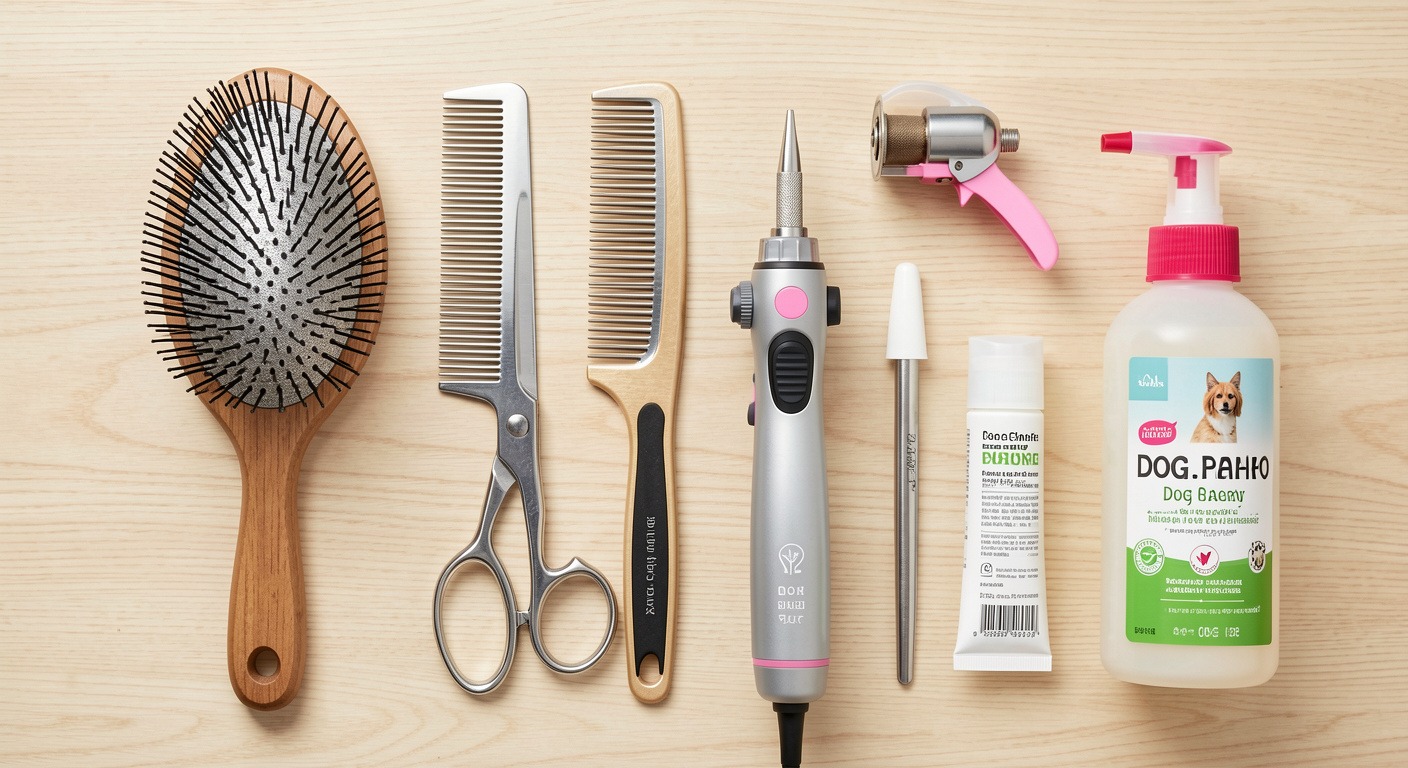
Related guides: Dog Health Hub , Best Dog Grooming Tools , Dog Ear Infections Guide , Dog Allergies: Complete Guide , Dog Nutrition: Complete Guide

Final Dog Dental Care Tip
The single most important thing you can do for your dog’s dental health is to start today , even if it is just 30 seconds with your finger and some dog toothpaste. Perfect is the enemy of good when it comes to dog dental care. A dog who gets brushed 3 times a week for years is far healthier than one who gets brushed daily for two weeks before the owner gives up. Build the habit slowly, keep it positive, and remember: every session counts. Your dog’s teeth, gums, heart, and kidneys will thank you for the rest of their life.
Start Your Dog’s Dental Routine Tonight
Even 30 seconds of brushing makes a difference. Grab some dog toothpaste and start building the habit , your dog’s teeth, heart, and kidneys will thank you for years to come.
Explore the Dog Health Hub →