The Right Grooming Tools Start With Your Dog’s Coat , Not a Brand Name
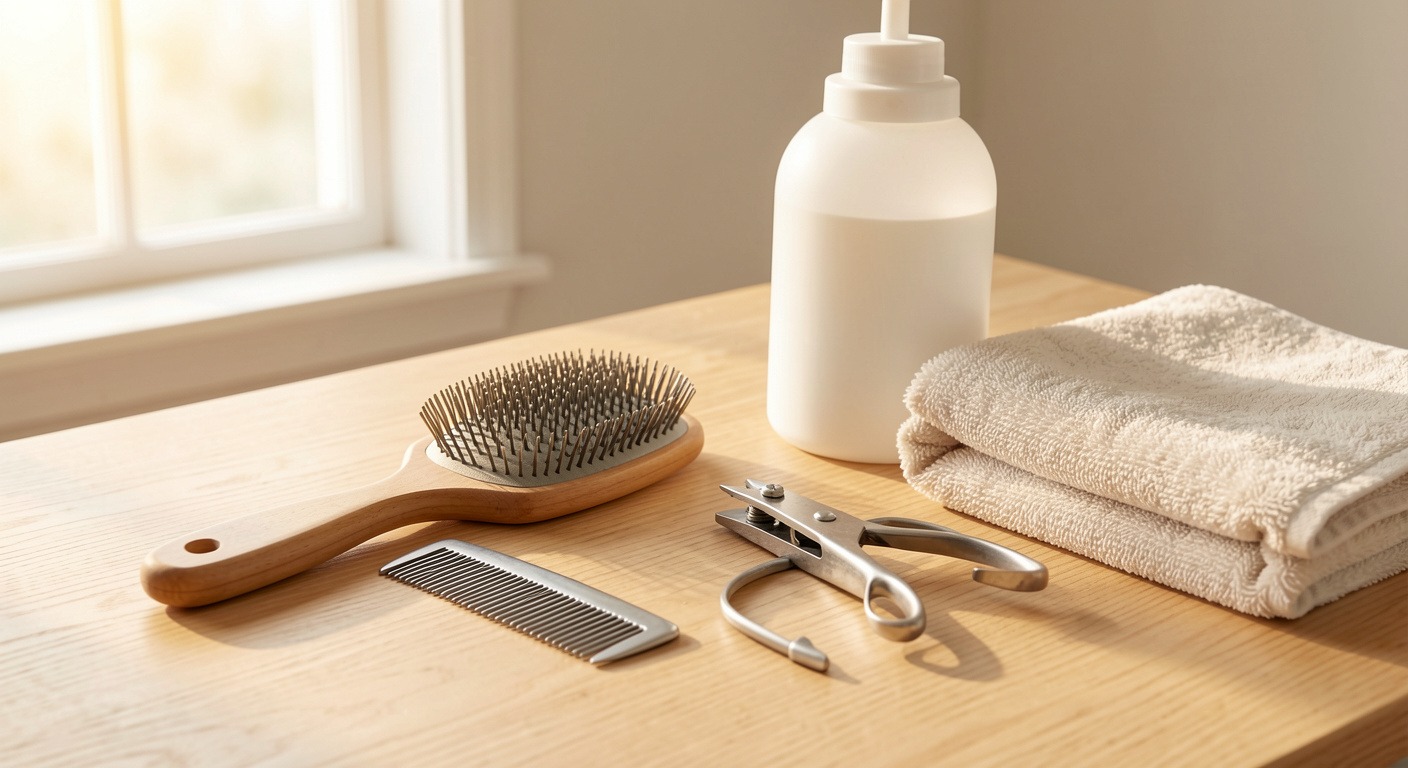
The best dog grooming tools depend on your dog’s coat type, not on brand or price. Every owner needs a brush suited to their dog’s coat, nail clippers or a grinder, dog-safe shampoo, ear cleaner, and a metal comb. Start with quality basics that fit your dog’s coat and build from there. This guide helps you choose safe, useful tools for brushing, bathing, nail trimming, ear care, and basic home grooming , without wasting money on things you don’t need.
Short, double, curly, wiry, silky , each coat type needs completely different brushes and tools.
The right tools prevent cuts, scratches, mat pain, and quick injuries. Cheap tools cause real harm.
Start with 5-6 basics, then add specialized tools as you learn what your specific dog needs.
Quick Answer: What Grooming Tools Does Every Dog Owner Need?
Every dog owner needs a brush that matches their dog’s coat type, a metal comb, nail clippers or a grinder, dog-safe shampoo, ear cleaner, and styptic powder. That’s the core kit. The exact brush varies: a rubber curry brush for short-coated breeds like Labradors, an undercoat rake plus slicker brush for double-coated dogs like Huskies, and a slicker brush plus metal comb for curly-coated dogs like Poodles. For more details, see our dog gear guides hub.
Why At-Home Dog Grooming Matters
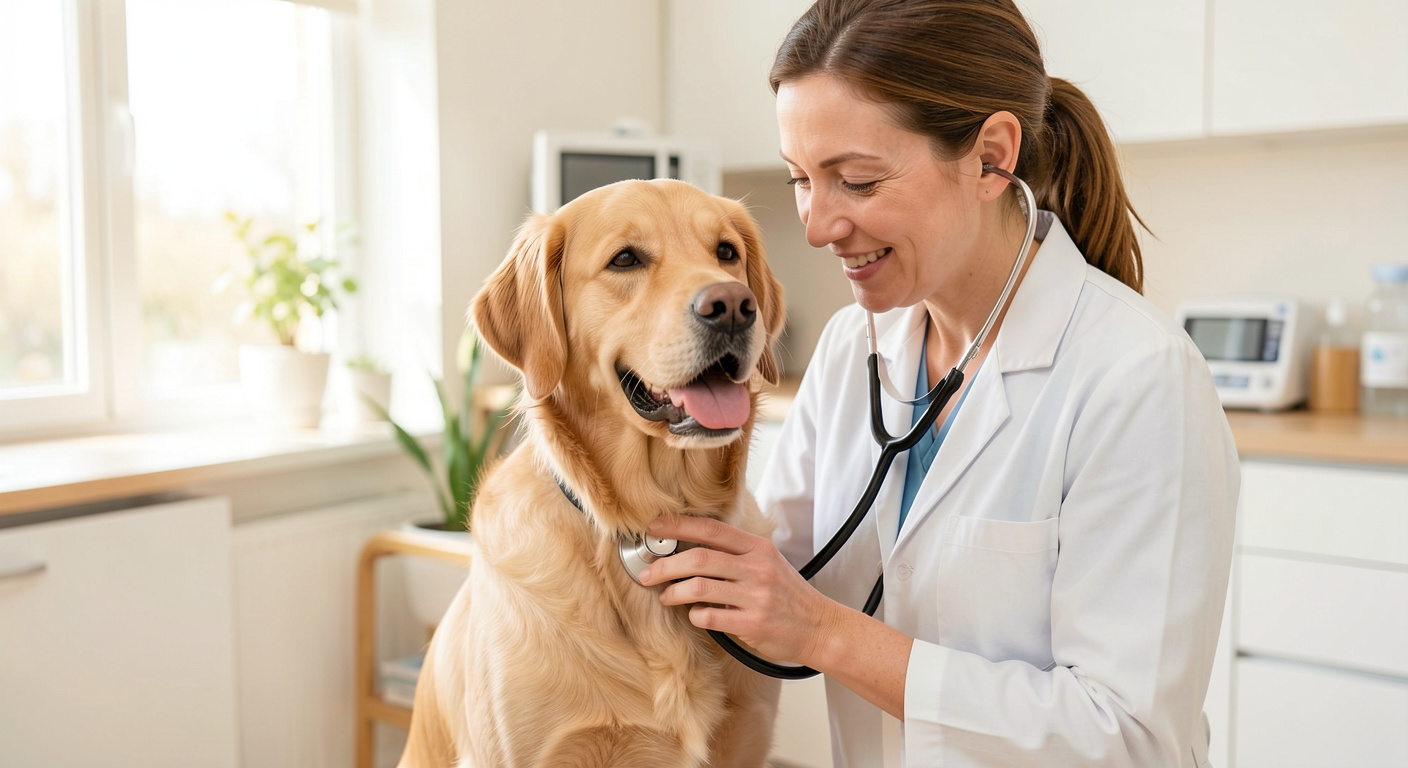
Professional grooming costs $40-$100 per session, and most dogs need it every 4-8 weeks. Over a dog’s lifetime, that adds up to $5,000-$15,000. But the bigger reason is your dog’s comfort and health. Dogs who are regularly handled , ears touched, paws held, teeth checked , are less stressed at the vet, easier to medicate, and safer around children. According to the American Kennel Club, regular grooming helps catch skin problems, lumps, and ear infections early before they become serious.
Grooming is also a bonding opportunity. Five minutes of brushing while your dog relaxes builds trust. It teaches your dog that being handled is safe , which pays off at the vet, the groomer, and in everyday life.
Dog Grooming Tools Checklist
Use this checklist to build your grooming kit. Not every tool is needed for every dog , check the “Needed for every dog?” column to see what applies to your situation.
| Tool | Best for | Needed for every dog? | Safety note |
|---|---|---|---|
| Slicker brush | Detangling, removing loose fur, breaking up small mats | Yes (medium to long coats) | Use coated pin tips to avoid scratching skin |
| Metal comb | Finishing after brushing, checking for leftover tangles | Yes | Wide and narrow teeth , use wide first, then narrow |
| Rubber curry brush | Short, smooth coats , loosens dirt and dead hair | No (short-coated dogs only) | Gentle circular motion; do not press hard |
| Undercoat rake | Double-coated breeds , removes dead undercoat | No (double-coated dogs only) | Do not press into skin; let the tool do the work |
| Pin brush | Long, silky coats , daily gentle brushing | No (long-haired dogs) | Use with rounded-tip pins; avoid tugging |
| Nail clippers | Trimming nails quickly | Yes (or grinder) | Always have styptic powder ready |
| Nail grinder | Smoothing nails, safer for dark nails | Recommended alternative | Introduce slowly , noise can scare some dogs |
| Dog shampoo | Bathing , choose based on skin type | Yes | Never use human shampoo , wrong pH for dog skin |
| Ear cleaner | Preventing ear infections, especially floppy-eared breeds | Yes | Never insert cotton swabs deep into the ear canal |
| Clippers | Coat trimming, sanitary trims, full haircuts | No (curly/wiry breeds only) | Check blade temperature frequently , hot blades burn |
| Detangling spray | Easing out knots in long or curly coats | No (long/curly coats) | Spray on coat, not directly on skin |
| Toothbrush and toothpaste | Preventing dental disease | Yes | Use VOHC-approved dog toothpaste only |
| Styptic powder | Stopping bleeding if you cut the quick | Yes | Keep in your kit at all times , not optional |
| Grooming wipes | Quick clean-ups between baths, paw wipes | Optional but useful | Choose fragrance-free for sensitive dogs |
Best Dog Brushes by Coat Type
Choosing the right brush is the single most important grooming decision you’ll make. The wrong brush either does nothing or hurts your dog. Here is how to match brush to coat.
Short, Smooth Coats (Labrador, Beagle, Boxer, Pug)
These dogs shed constantly but don’t mat. A rubber curry brush or hound glove loosens dead hair and dirt while massaging the skin. Follow with a soft bristle brush for shine. A slicker brush is overkill on these coats and can irritate the skin.
Double Coats (Husky, Golden Retriever, German Shepherd, Corgi)
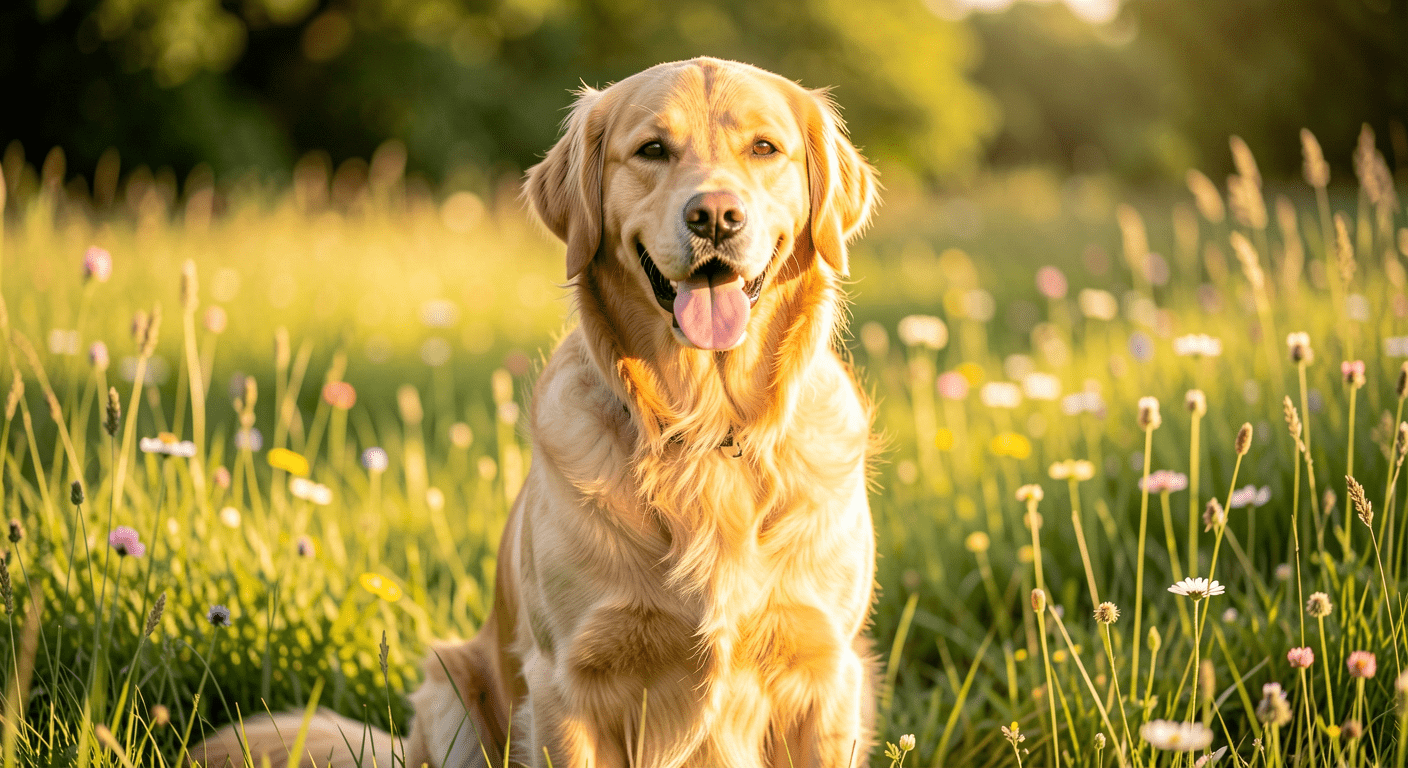
Double-coated dogs have a dense undercoat beneath a protective topcoat. They need an undercoat rake to reach the dead undercoat, plus a slicker brush for the topcoat. Never shave a double-coated dog unless a veterinarian recommends it , shaving destroys their natural temperature regulation and the coat may not grow back properly.
Curly or Wool Coats (Poodle, Doodle mixes, Bichon Frise)
These coats mat close to the skin. You need a slicker brush plus a metal comb for every session , the slicker alone is not enough. Brush in sections, and always follow with the comb to confirm no tangles remain. A detangling spray helps the brush glide through. Curly-coated dogs also need regular clipper cuts , budget for professional grooming or invest in quality clippers.
Wiry Coats (Schnauzer, Westie, Wirehaired breeds)
Wiry coats need a slicker brush for daily maintenance and a stripping knife or stripping stone to remove dead outer hairs (hand-stripping preserves the coat’s texture). Clipping is an option if you’re not showing the dog, but it softens the coat over time.
Long, Silky Coats (Shih Tzu, Maltese, Yorkie, Afghan Hound)
These coats tangle easily. Use a pin brush with rounded tips for daily brushing and a metal comb to check for hidden knots , especially behind the ears, in the armpits, and on the belly. A slicker brush handles small mats when they form. Detangling spray is essential.
Essential Dog Grooming Tools Every Owner Should Have
Below are the core tools, what they do, and how to choose a safe, effective version. For every tool, prioritize safety, durability, and ease of cleaning over price. A $35 brush that lasts five years costs less per use than a $10 brush you replace every six months.
Grooming tools can cause injury if used incorrectly or if they’re poor quality. Always inspect tools for sharp edges, loose pins, or hot blades before each use. If your dog shows signs of pain, fear, or aggression during grooming, stop immediately and consult a Fear Free certified professional or your veterinarian. This guide provides education , it does not replace hands-on instruction from a qualified groomer or vet.
Slicker Brush
The workhorse brush for medium to long coats. Fine, slightly angled wire pins remove loose fur and break up small mats. Choose coated pin tips , bare wire tips scratch skin. Look for a self-cleaning button that retracts the pins for easy hair removal. Good slicker brushes have flexible heads that follow the dog’s body contour. For Golden Retriever grooming needs in particular, a quality slicker brush is the most-used tool in your kit.
Metal Comb
A greyhound-style comb with both wide and narrow teeth spacing. Run it through the coat after brushing to catch any remaining tangles. Essential for faces, ears, legs, and other delicate areas. A basic stainless steel comb works perfectly , no need for expensive versions. This is the tool that tells you whether you’ve actually finished brushing.
Rubber Curry Brush
The go-to tool for short-coated dogs like Labrador Retrievers. Soft rubber nubs loosen dead hair, dirt, and dander while massaging the skin and distributing natural oils. Use in circular motions during shedding season. A Zoom Groom or similar curry brush costs $10-$15 and lasts for years.
Undercoat Rake
Designed for double-coated breeds. The rake’s teeth reach through the topcoat to pull dead undercoat without cutting or damaging the guard hairs. Use with light pressure , let the tool do the work. During shedding season (spring and fall), this tool dramatically reduces the amount of fur on your floors.
Pin Brush
Widely spaced, straight pins with rounded tips , gentler than a slicker brush. Best for daily maintenance on long, silky coats. Not effective for mats or heavy shedding. Think of this as the finishing brush: it smooths, shines, and feels pleasant for your dog.
Dog Nail Clippers
Long nails change how a dog walks, stressing joints from the toes up to the spine. Guillotine-style clippers are easy for beginners. Scissor-style clippers offer more control for thick nails. Always have styptic powder open and ready before you start , if you cut the quick, you need to stop bleeding immediately.
Dog Nail Grinder
A rotary tool that files the nail down gradually rather than cutting it. Safer than clippers for dark nails where you cannot see the quick, because you get visual warning as you approach it. The noise and vibration scare some dogs , introduce the grinder slowly with treats before ever touching a nail. Let your dog hear it, feel the vibration on their paw pad, and get rewarded, over several short sessions.
Dog Grooming Clippers
For trimming coats, sanitary areas, and full haircuts on curly or wiry breeds. Cordless clippers with adjustable blade lengths are most practical for home use. You also need: a #10 blade, comb attachment set, blade coolant spray, and clipper oil. Check blade temperature every few minutes , hot blades cause serious burns. For full-body haircuts on Poodles and Doodles, professional-grade clippers make a significant difference. Beginners should start with sanitary trims and paw pad clean-up before attempting full haircuts.
Dog-Safe Shampoo
Human shampoo has the wrong pH (5.5) for dog skin (6.5-7.5) and strips natural oils, leading to dry, itchy skin. Choose based on your dog’s needs: oatmeal formulas for dry or itchy skin, hypoallergenic for sensitive dogs, and deodorizing formulas for oily coats. The VCA recommends bathing every 4-8 weeks for most dogs , more frequent bathing dries out the skin.
Dog Ear Cleaner
Floppy-eared dogs need weekly ear cleaning to prevent infections. Use a veterinary-formulated ear cleaner , never water, alcohol, or hydrogen peroxide. Squeeze into the ear canal, massage the base for 20-30 seconds, then let your dog shake. Wipe the outer ear with cotton balls. Never insert anything deeper than your finger can reach. If you notice redness, swelling, odor, or discharge, those are dog ear infection symptoms that require a vet visit, not just cleaning.
Brush: 2-3x/week. Nails: every 2-3 weeks. Ears: weekly (floppy) or monthly (prick). Bath: every 4-8 weeks. Teeth: daily.
High-value treats during grooming create positive associations. A lick mat with peanut butter keeps your dog still and happy.
Dog-specific toothpaste and a finger brush. Dog dental care routines prevent disease that affects 80% of dogs by age 3.
Dog Grooming Tools by Coat Type
This table matches coat types to the correct tools and warns you about the most common mistake owners make with each coat.
| Coat type | Best brush | Extra tools | Example breeds | Common mistake |
|---|---|---|---|---|
| Short smooth | Rubber curry brush, hound glove | Bristle brush for shine | Labrador, Beagle, Boxer, Pug | Using a slicker brush , it irritates short-coated skin |
| Double coat | Undercoat rake + slicker brush | Deshedding tool, pin brush | Husky, Golden Retriever, GSD, Corgi | Shaving the coat , destroys temperature regulation permanently |
| Curly / wool | Slicker brush + metal comb | Detangling spray, clippers | Poodle, Doodle, Bichon Frise | Slicker brush alone , mats remain near skin without comb follow-up |
| Wiry | Slicker brush + stripping knife | Metal comb, stripping stone | Schnauzer, Westie, Wirehaired breeds | Clipping instead of stripping , softens the coat permanently |
| Long silky | Pin brush + metal comb | Detangling spray, slicker for mats | Shih Tzu, Maltese, Yorkie, Afghan | Brushing only the top layer , mats hide near the skin |
| Heavy shedding | Undercoat rake + deshedding tool | Slicker brush, curry brush | Husky, Akita, Malamute, Lab | Grooming only during shedding season , regular maintenance reduces shed volume |
| Sensitive skin | Soft pin brush or silicone curry | Hypoallergenic shampoo, gentle wipes | Any breed with skin allergies | Using strong fragrance shampoos , they trigger flare-ups |
Nail Clippers vs Nail Grinder: Which Is Better?
Short answer: A nail grinder is safer for beginners and for dogs with dark nails, because it gives you visual warning before reaching the quick. Clippers are faster but require more precision.
Clippers cut the nail in one motion. The risk: if you misjudge, you cut the quick and it bleeds , sometimes a lot. Grinders file the nail down layer by layer. You see a small dark dot appear in the center of the nail as you approach the quick, signaling you to stop. For dogs terrified of the grinder’s sound, stick with clippers and trim conservatively , just the hook, not the full nail.
Many experienced owners use both: clippers for the bulk trim, grinder to smooth rough edges. Whatever you choose, always have styptic powder open and within reach before you start.
Dog Grooming Clippers: What Beginners Should Know
If your dog needs haircuts (Poodles, Doodles, Schnauzers, Cocker Spaniels, etc.), clippers become part of your toolkit. But jumping straight into a full-body clip as a beginner is risky. Start with sanitary trims and paw pad clean-up. Learn how the clipper feels and how your dog reacts before attempting larger areas.
What you need for basic home clipping:
- Clipper: Cordless with adjustable blade settings (for home use, not professional continuous-run models)
- #10 blade: The standard starter blade , safe length, hard to cut skin
- Comb attachments: Plastic guards that snap over the blade to control length
- Blade coolant spray: Blades heat up fast , spray every 3-5 minutes
- Clipper oil: A drop before and after each use
- Extra blades: Swap hot blades for cool ones instead of waiting
Safety rules for clippers: Check blade temperature on your inner wrist every 2-3 minutes , if it’s hot to you, it burns your dog. Never run clippers over the same area more than twice without checking for irritation. Double-coated dogs should not be shaved , the undercoat protects them from heat and cold. The AVMA recommends consulting a veterinarian before shaving any dog with skin conditions.
Hot clipper blades cause serious burns. Always test blade temperature on your inner wrist before touching your dog. Do not use clippers on matted fur , mats pull skin up into the mat, and clipping through them can cut the skin. Have mats removed by a professional groomer, then maintain the coat to prevent re-matting.
Tools to Avoid or Use Carefully
Some tools do more harm than good. Here are 10 tools and practices to approach with extreme caution or avoid entirely.
- Cheap, sharp slicker brushes: Bare wire tips with sharp ends scratch skin and cause pain. Always choose coated pin tips and check for sharp edges before first use.
- Scissors near mats: Never use scissors to cut out mats. Mats pull skin up into the tangle, and cutting through can remove a chunk of skin. Use clippers with a blade guard, a mat splitter, or see a professional groomer.
- Aggressive dematting tools: Dematting rakes with blades can tear the coat and cut skin if used aggressively. Work mats out slowly with a slicker brush and detangling spray, or shave them out with clippers.
- Hard nail clipping without styptic powder: If you trim nails without having styptic powder open and within reach, you are gambling. The quick bleeds fast, and cornstarch is a poor substitute.
- Human shampoo: Wrong pH strips the protective oils from dog skin, leading to dryness, itching, and increased risk of infection. Always use dog-formulated shampoo.
- Human hair clippers: Human clippers are not designed for dog coat density. They overheat quickly, jam, and give uneven cuts. Dog-specific clippers have stronger motors and wider blade spacing.
- Cotton swabs deep in ears: Never insert cotton swabs into the ear canal. They pack debris deeper and can rupture the eardrum. Clean only the outer ear with cotton balls and veterinary ear cleaner.
- Hot clipper blades: Running clippers continuously without coolant spray or blade swaps burns skin. Check temperature frequently.
- Strong fragrance shampoos for sensitive dogs: Artificial fragrances can trigger allergic reactions and skin flare-ups. Choose fragrance-free or naturally scented options for dogs with sensitivities.
- Restraints without training: Grooming nooses, hammocks, and restraints can cause panic and injury if the dog has not been gradually desensitized. Never leave a restrained dog unattended, even for a moment.
Beginner Grooming Kit by Budget
You do not need to buy everything at once. Start with the budget kit, upgrade tools as you learn what works for your dog, and only add advanced tools if you’re doing full haircuts at home.
Budget Kit (Under $75)
Slicker brush or rubber curry brush (depending on coat type), metal comb, nail clippers or grinder, dog shampoo, ear cleaner, styptic powder. This covers the essentials for brushing, bathing, nail care, and ear cleaning , roughly 80% of what most dogs need.
Better Kit ($75-$200)
Everything in the budget kit, plus: a coat-specific second brush (pin brush for long coats, undercoat rake for double coats), a nail grinder (if you started with clippers), detangling spray, grooming wipes, dog toothbrush and VOHC-approved toothpaste, absorbent towels, and a non-slip mat. This covers daily maintenance for most breeds.
Advanced Kit ($200+)
Everything in the better kit, plus: professional-grade clippers, a #10 blade and comb attachment set, blade coolant spray, clipper oil, extra blades, and possibly a grooming table , but only if you have been trained on safe use and your dog is comfortable on a table. Do not invest in advanced tools until you have mastered the basics. For many owners, professional grooming for haircuts plus at-home maintenance with a basic kit is the smartest approach.
At-Home Dog Grooming Schedule
Consistency matters more than intensity. Short, frequent sessions beat marathon grooming days that stress everyone out. Here is a practical schedule for most dogs:
| Task | Frequency | Notes |
|---|---|---|
| Brushing | 2-3 times per week | Daily during shedding season for double-coated breeds |
| Nail trimming or grinding | Every 2-3 weeks | If you hear nails clicking on the floor, they are too long |
| Ear cleaning | Weekly (floppy ears) or monthly (prick ears) | After swimming or baths, always dry and clean ears |
| Bath | Every 4-8 weeks | More often only if your dog gets into something dirty or smelly |
| Teeth brushing | Daily (ideal) or 3 times per week (minimum) | See our dog dental care guide for step-by-step instructions |
| Coat trimming or clipping | Every 6-8 weeks | Curly and wiry breeds need regular cuts; double-coated breeds do not |
| Paw pad trim | Monthly | Prevents hair matting between pads and improves traction |
How to Make Grooming Less Stressful for Your Dog
Many dogs learn to dislike grooming because their first experiences were rushed or painful. You can prevent this , or fix it , with the right approach. The Fear Free program provides excellent resources for reducing grooming anxiety.
- Start with touch, not tools. Spend a few days just touching your dog’s paws, ears, and tail while giving treats. Do not pick up a single tool until your dog is relaxed with handling.
- Introduce tools one at a time. Let your dog sniff the brush while you give treats. Turn on the grinder across the room and reward calm behavior. Move it closer over several sessions. Rushing this step is why dogs develop grooming fear.
- Keep sessions short. Five minutes of positive brushing beats 20 minutes of struggling. End on a good note , stop while your dog is still calm, not when they are overwhelmed.
- Use a non-slip surface. Dogs panic when they cannot get traction. A yoga mat, bath mat, or towel on the floor makes a huge difference.
- Work in a quiet space. No TV, no kids running through, no other pets. Your dog needs to focus on you and the treats.
- Learn your dog’s sensitive spots. Most dogs dislike having their feet, face, and rear handled. Save these areas for last, go extra slowly, and double the treats.
When to Use a Professional Groomer
Home grooming does not replace professional grooming for all dogs. Here are 9 situations where you should see a professional groomer rather than attempting the task yourself:
- Severe mats close to the skin. Mats pull skin upward, and cutting through them can cause serious wounds. A professional has the tools and training to remove them safely.
- Your dog bites, panics, or thrashes during grooming. Forcing grooming on a terrified dog damages trust and risks injury to both of you. A Fear Free certified groomer or a veterinary behaviorist can help.
- Matted ears, tail, or belly. These areas have thin, delicate skin that cuts easily. Even experienced home groomers should defer severe matting in these spots to a professional.
- Full haircuts for Poodles, Doodles, and other curly-coated breeds. These cuts require technique, the right blade lengths, and knowledge of breed-specific patterns. A bad home haircut takes months to grow out.
- Senior dogs with arthritis or chronic pain. Grooming positions that are fine for young dogs can be painful for seniors. A professional groomer knows how to work around joint pain.
- Skin infections or open wounds. Grooming over infected or broken skin spreads bacteria and causes pain. Treat the medical issue first with your veterinarian, then groom.
- Extremely fearful nail trims. If your dog screams, bites, or panics during nail care, do not keep trying at home. A vet or groomer can do it safely while you work on desensitization separately.
- Anal gland issues. Scooting, licking, or a foul odor from the rear end are signs of anal gland problems. This is a veterinary task, not a grooming one.
- Any task that feels unsafe. Trust your instincts. If you are nervous, your dog senses it and becomes nervous too. There is no shame in using a professional for the hard parts and handling the easy maintenance at home.
Skin infections, open sores, bleeding that does not stop, severe pain during handling, or sudden behavior changes during grooming are medical issues , not grooming challenges. Contact your veterinarian. For more guidance, visit the AVMA pet care resources and our dog health guides hub.
Frequently Asked Questions
Q: What grooming tools does every dog owner need?
A: Five essentials: a brush suited to your dog’s coat type, a metal comb, nail clippers or a grinder, dog-safe shampoo, and ear cleaner. Add styptic powder (for nail accidents) and dog toothpaste with a finger brush. Everything else depends on your dog’s coat and your comfort level with home grooming.
Q: What brush is best for my dog’s coat type?
A: Short smooth coats need a rubber curry brush. Double coats need an undercoat rake plus a slicker brush. Curly coats need a slicker brush and metal comb together. Long silky coats need a pin brush and metal comb. Wiry coats need a slicker brush and stripping knife. See our coat type table above for breed-specific recommendations.
Q: Is a slicker brush good for all dogs?
A: No. A slicker brush is excellent for medium to long coats and curly coats, but it is too harsh for short, smooth-coated dogs like Boxers or Beagles. On short coats, a rubber curry brush or hound glove is the better choice. Slicker brushes also need coated pin tips , bare wire tips scratch skin.
Q: Should I use dog nail clippers or a grinder?
A: A nail grinder is safer for beginners and for dogs with dark nails, because it files the nail gradually and shows a warning dot before you reach the quick. Clippers are faster but require precision. Many owners use both: clippers for the bulk trim, grinder for smoothing. Always have styptic powder ready.
Q: Do I need clippers for at-home dog grooming?
A: Only if your dog has a curly, wool, or wiry coat that requires regular haircuts (Poodles, Doodles, Schnauzers, Cocker Spaniels). Most dogs do not need clippers. If you do buy clippers, start with sanitary trims before attempting full haircuts, and always monitor blade temperature.
Q: How often should I groom my dog?
A: Brush 2-3 times per week (daily during shedding season). Trim or grind nails every 2-3 weeks. Clean ears weekly for floppy-eared breeds, monthly for prick-eared breeds. Bathe every 4-8 weeks. Brush teeth daily if possible, minimum 3 times per week. Trim paw pads monthly.
Q: Can I use human shampoo on my dog?
A: No. Human shampoo has a pH of about 5.5, while dog skin has a pH of 6.5-7.5. Using human shampoo strips the protective oils from your dog’s skin, leading to dryness, itching, and increased infection risk. Always use dog-formulated shampoo matched to your dog’s skin type.
Q: When should I take my dog to a professional groomer?
A: See a professional when your dog has severe mats close to the skin, bites or panics during grooming, needs a full haircut on a curly breed, is a senior with arthritis, has skin infections or wounds, is extremely fearful of nail trims, or shows signs of anal gland problems. And any time a task feels unsafe , trust your instincts.
Q: How often should I bathe my dog?
A: Every 4-8 weeks for most dogs. Bathing too frequently strips natural oils and causes dry, itchy skin. Between baths, brushing and wiping with a damp cloth or grooming wipes handles most dirt. Dogs with skin conditions may need medicated baths on a vet-recommended schedule.
Q: What’s the best brush for a shedding dog?
A: For heavy shedders with double coats (Huskies, Golden Retrievers, German Shepherds), an undercoat rake plus a deshedding tool is most effective. The undercoat rake pulls dead undercoat without cutting the topcoat. A deshedding tool like the Furminator reaches deeper but should be used with light pressure to avoid skin irritation. For short-coated shedders (Labradors), a rubber curry brush works best.
Q: What’s the best brush for a double-coated dog?
A: An undercoat rake is the essential tool , it reaches through the topcoat to pull dead undercoat without damaging guard hairs. Pair it with a slicker brush for the topcoat. Never shave a double-coated dog unless a veterinarian recommends it; shaving destroys natural temperature regulation and the coat may not grow back properly.
Q: What grooming tools do I need for a Doodle?
A: Doodles (Poodle mixes) have curly or wavy coats that mat easily. You need: a slicker brush with coated pins, a metal comb (used after every brushing session), detangling spray, cordless clippers with a #10 blade and comb attachments, blade coolant, clipper oil, and dog-safe shampoo. Doodles require frequent grooming , plan for brushing every 1-2 days and haircuts every 6-8 weeks.
Q: Is a nail grinder safer than clippers?
A: For beginners and for dogs with dark nails, yes. The grinder files the nail gradually, revealing a small dark dot in the nail center as you approach the quick. This gives you visual warning to stop. Clippers cut in one motion with no warning. However, the grinder’s noise and vibration can scare some dogs, so introduction requires patience.
Q: How do I groom a dog that hates being brushed?
A: Start over from zero. Do not pick up a brush for the first several sessions , just touch your dog in the areas you will need to brush, paired with high-value treats. Then introduce the brush without using it, then one stroke and a treat, then stop. Build duration over weeks, not minutes. If your dog has painful mats, see a professional groomer first , brushing over mats hurts and reinforces the fear.
Q: Can I cut mats out with scissors?
A: Never. Mats pull skin up into the tangle. Cutting through them with scissors can remove a chunk of skin, causing a wound that requires veterinary care. For small mats, work them out with a slicker brush and detangling spray. For larger mats, use clippers with a guard comb to shave under the mat, or see a professional groomer.
Q: How often should I clean my dog’s ears?
A: Weekly for dogs with floppy ears (Cocker Spaniels, Basset Hounds, Labs) , these ears trap moisture and debris. Monthly for dogs with prick ears (German Shepherds, Huskies). After swimming or baths, dry and clean ears regardless of schedule. Use only veterinary ear cleaner; never water, alcohol, or hydrogen peroxide.
Q: What should be in a basic dog grooming kit?
A: Coat-appropriate brush, metal comb, nail clippers or grinder, styptic powder, dog shampoo, ear cleaner, dog toothbrush and toothpaste. That is your core kit. You can add detangling spray, grooming wipes, a non-slip mat, and towels as you build your routine. Start small and add tools only when you know you will use them.
Q: Are expensive grooming tools worth it?
A: It depends on the tool. A $35 slicker brush with coated pins and a self-cleaning button lasts years; a $10 version falls apart in months and may scratch skin. But a $10 stainless steel comb works as well as a $40 one. Spend on tools your dog feels: brushes, clippers, and nail grinders. Save on tools that are functionally identical: combs, towels, and non-slip mats.
Q: What grooming tools does a new puppy owner need first?
A: Start with a soft brush (pin brush or silicone curry, depending on coat), a metal comb, nail clippers or a quiet grinder, styptic powder, puppy-safe shampoo, and ear cleaner. More important than the tools is how you introduce them: let your puppy sniff each tool, pair it with treats, and keep first sessions under two minutes. Building positive early experiences prevents grooming fear later.
🐾 Keep Reading
Start With the Basics and Build From There
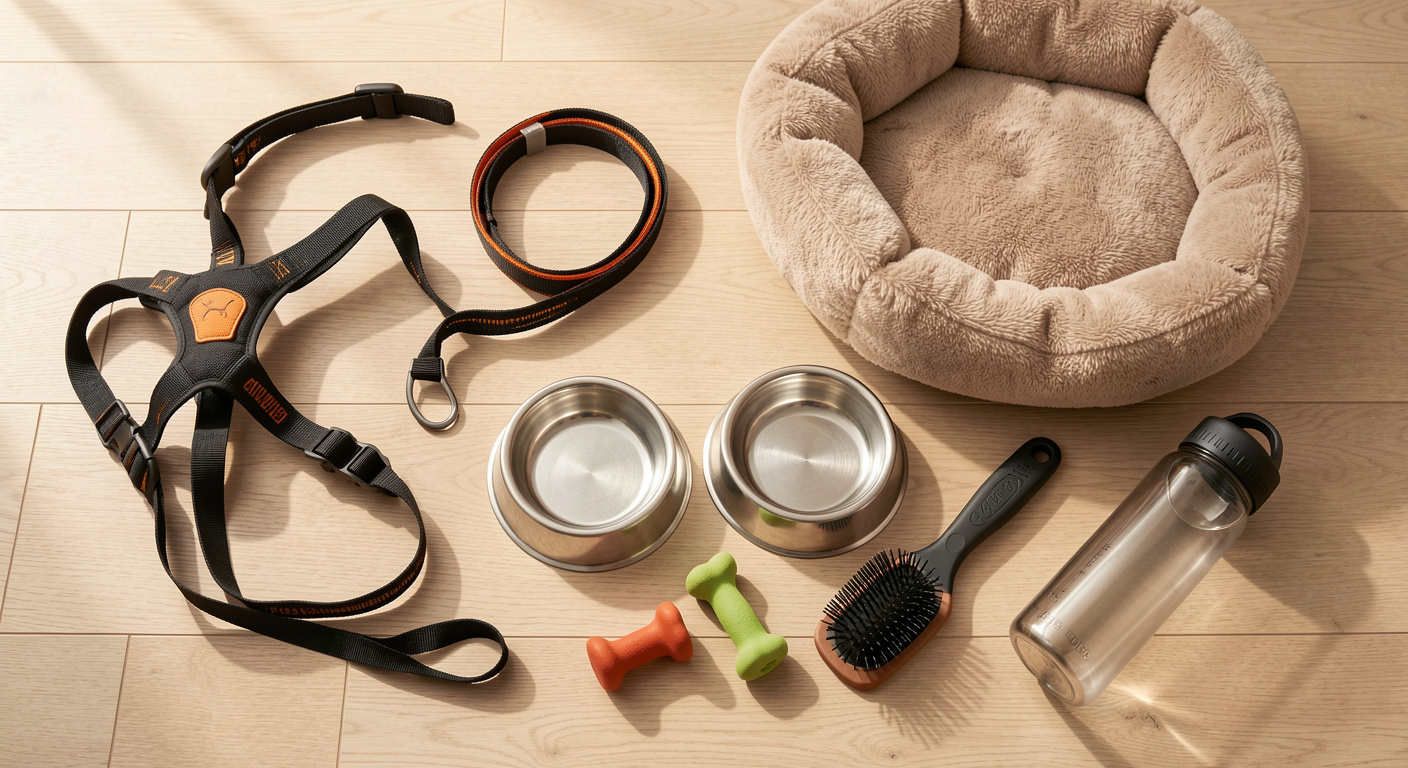
You do not need a full salon setup. A brush that fits your dog’s coat, a comb, nail care, shampoo, and ear cleaner will cover most of what you need. Add tools as you and your dog get comfortable with the routine.
Explore All Gear Guides →