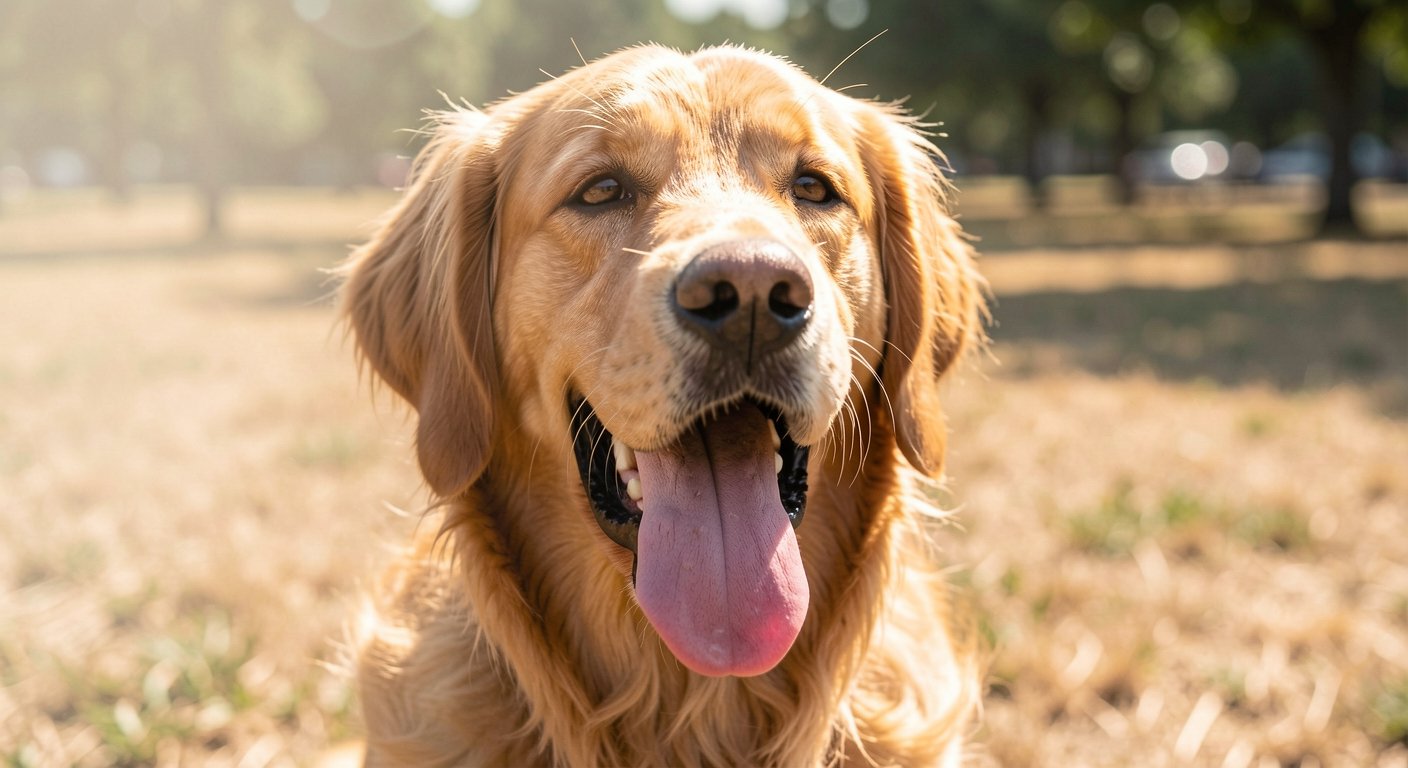
Recognize the Signs Before It’s Too Late
Heatstroke is a life-threatening emergency that happens when a dog’s body temperature rises above 105.8 degrees F. Early signs include heavy panting, excessive drooling, and bright red gums. If you spot these dog overheating symptoms, move your dog to shade, pour cool (not cold) water on their belly and armpits, and get to a veterinarian immediately. Cooling before transport can raise survival rates from 50% to 80%.
Heavy panting, drooling, red gums, rapid heart rate are early warnings. Vomiting, collapse, and seizures mean it’s an emergency right now.
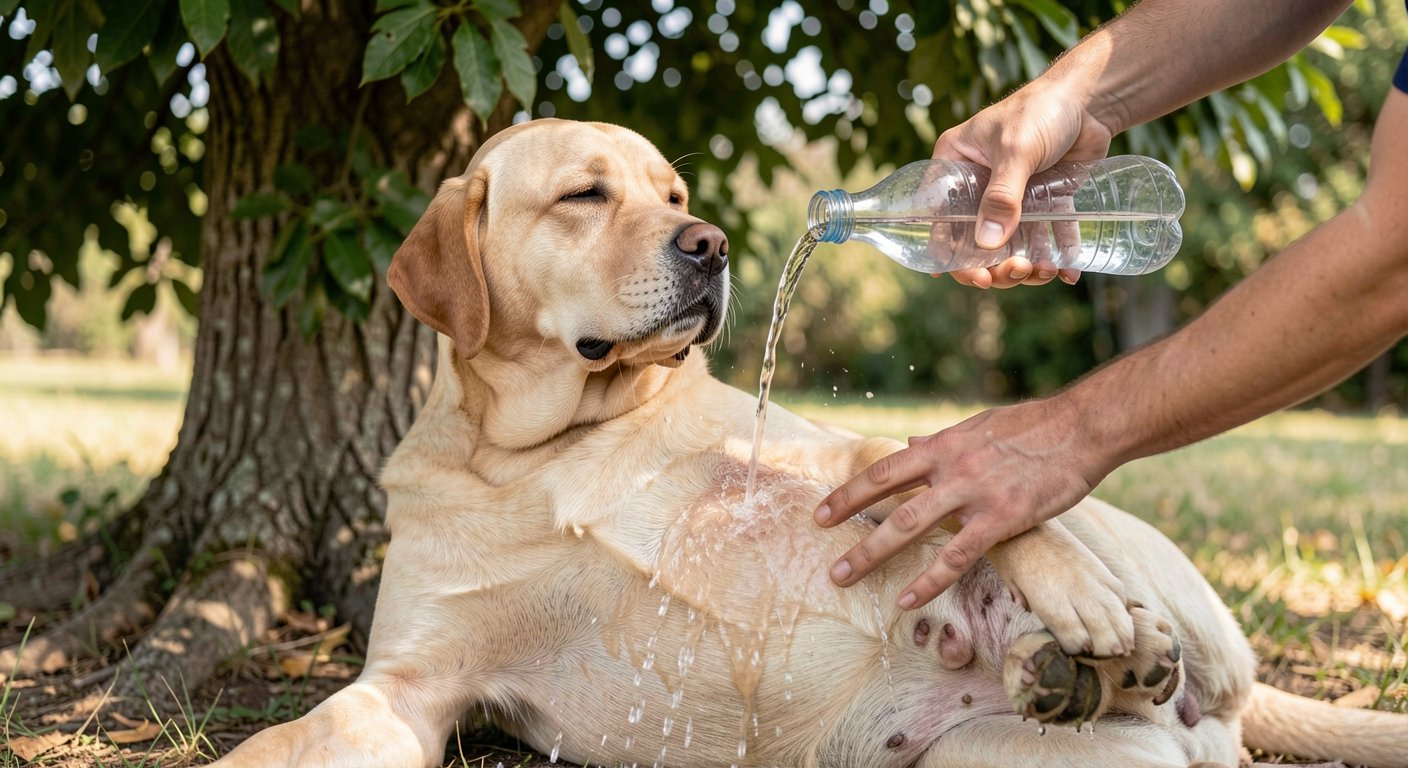
Pour cool water on your dog’s belly, armpits, and groin. Use a fan. Never use ice or ice-cold water, and never wrap them in wet towels.
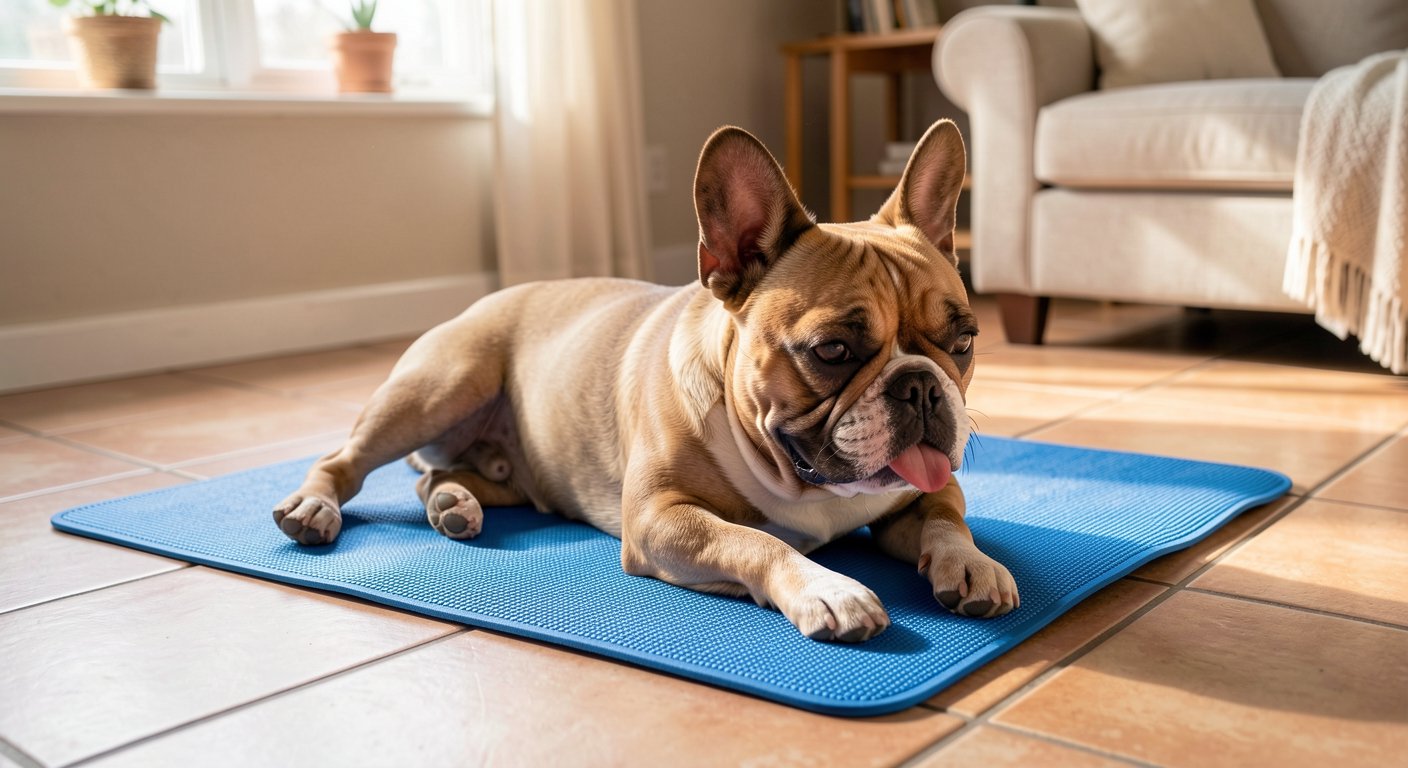
Never leave your dog in a parked car. Walk during cool hours. Use a cooling mat or vest for dogs during summer. Keep high-risk breeds extra protected.
Dog Heatstroke Signs Prevention Emergency Response: What Every Dog Parent Must Know
Heatstroke happens when a dog’s body temperature rises above the dog heatstroke temperature threshold of 105.8 degrees F and their natural cooling systems fail. Unlike humans, dogs do not sweat through their skin. They cool themselves almost entirely through panting and a small number of sweat glands in their paw pads.
A dog’s normal body temperature ranges from 100.5 to 102.5 degrees F, according to Cornell University College of Veterinary Medicine. When the air temperature is hot or humid, panting becomes far less effective. Heat can build up fast, causing organ damage in minutes.
Dog Heat Exhaustion vs Heatstroke: Know the Stages
Heat-related illness in dogs progresses through three stages. Understanding dog heat exhaustion vs heatstroke can help you act at the right moment.
Stage 1: Heat Stress
Your dog pants more than usual and seeks shade or cool surfaces. They are still alert and responsive. This is your early warning, move them somewhere cool and offer water.
Stage 2: Heat Exhaustion
Panting becomes heavy and labored. You may notice thick drool, fatigue, and a rapid heart rate. Gums turn bright red. Body temperature is climbing toward 104 degrees F. Immediate cooling is needed.
Stage 3: Heatstroke (Emergency)
Body temperature exceeds 105.8 degrees F. The dog may vomit, have bloody diarrhea, appear disoriented, collapse, or have seizures. This is a life-threatening emergency. Organ damage is already underway. Get to a veterinarian now while cooling on the way.
Increased panting, seeking shade. Alert and responsive. Move to cool area and offer water.
Heavy panting, thick drool, fatigue, rapid heart rate, bright red gums. Start cooling immediately.
Vomiting, diarrhea, disorientation, collapse, seizures. Call the vet now and cool while transporting.
Dog Heatstroke Signs Prevention Emergency Response: What to Watch For
Recognizing these signs starts with knowing exactly what to look for. The American Kennel Club and AAHA break symptoms into early and advanced categories.
Early Signs
- Heavy, rapid panting that sounds different from normal exercise panting
- Excessive drooling with thick, sticky saliva
- Bright red or dark gums and tongue
- Rapid heart rate
- Restlessness or agitation, unable to settle down
- Body temperature above 104 degrees F (use a rectal thermometer)
Advanced Signs (Emergency)
- Vomiting, sometimes with blood
- Bloody diarrhea
- Disorientation or confusion, stumbling, unresponsive to their name
- Collapse or inability to stand
- Seizures
- Unconsciousness
If you see any advanced sign, do not wait. Begin canine heatstroke cooling first aid and get to the nearest emergency veterinary hospital immediately. According to the AKC, heatstroke can cause death in under an hour without intervention.
Brachycephalic Dogs and Other High-Risk Breeds
Some dogs face much higher brachycephalic dogs heat risk than others. Brachycephalic, or flat-faced, breeds like Bulldogs, Pugs, Boxers, and Boston Terriers have shortened airways that make panting far less effective. See our French Bulldog health guide.. Cornell’s Riney Canine Health Center identifies these dogs as the highest-risk group.
Thick-coated breeds such as Huskies and Malamutes also struggle in hot weather. Their dense fur, while insulating against both cold and heat to a degree, can trap body heat during summer. Elderly dogs, obese dogs, and dogs with heart disease, laryngeal paralysis, or other respiratory conditions are also at elevated risk.
However, no breed is immune. Even young, athletic dogs can develop heatstroke during vigorous exercise on hot or humid days. The AVMA warns that humidity is a major factor, dogs can overheat on a 75-degree day if the air is thick with moisture.
Emergency Response: Canine Heatstroke Cooling First Aid
If your dog shows signs of heatstroke, every minute counts. The single most important statistic to remember: cooling before transport to the vet increases survival rates from 50% to 80%, according to PetMD, citing Iowa Veterinary Specialties. Here is exactly what to do.
Step-by-Step Cooling Protocol
- Move to shade or air conditioning immediately. Get your dog out of direct sun and onto a cool surface.
- Pour cool or tepid water over the body. Focus on the belly, armpits, groin, and neck. Use cool water, not cold. The AKC, AAHA, and PetMD all agree: ice or ice-cold water constricts blood vessels and traps heat in the body’s core.
- Use a fan. Position a fan to blow across your dog while they are wet. Evaporative cooling is how dogs naturally release heat, and a fan accelerates the process.
- Offer small amounts of water if alert. Let them drink at their own pace. Never force water, a disoriented dog can aspirate it into their lungs.
- Monitor rectal temperature. Stop cooling when body temperature reaches 103 degrees F to avoid hypothermia, as the AAHA advises.
- Transport to the vet immediately. Even if your dog seems to recover, internal organ damage may have already occurred. Veterinary blood work is essential.
Never. Causes vasoconstriction and shock.
Never. Traps heat in the core.
Never. Towels trap heat and block evaporative cooling.
Never. Risk of aspiration into lungs.
Never. Internal organ damage needs blood work to detect.
Never. A parked car can rise 40 degrees F in one hour.
Dog in Hot Car Emergency: What Every Owner Must Know
A dog in hot car emergency is one of the most common and preventable causes of canine heatstroke death. On a 70-degree day, the temperature inside a parked car can reach 110 degrees F or higher within one hour, according to the AVMA and PetMD. Cracking the windows makes almost no difference.
If you see a dog trapped in a hot car, note the vehicle’s make, model, and license plate. Try to locate the owner in nearby businesses. If the dog shows signs of distress, call local law enforcement or animal control immediately. Many states have Good Samaritan laws that protect people who rescue animals from hot vehicles, but know your local regulations before taking action yourself.
Dog Hot Weather Safety Tips: Prevention Checklist
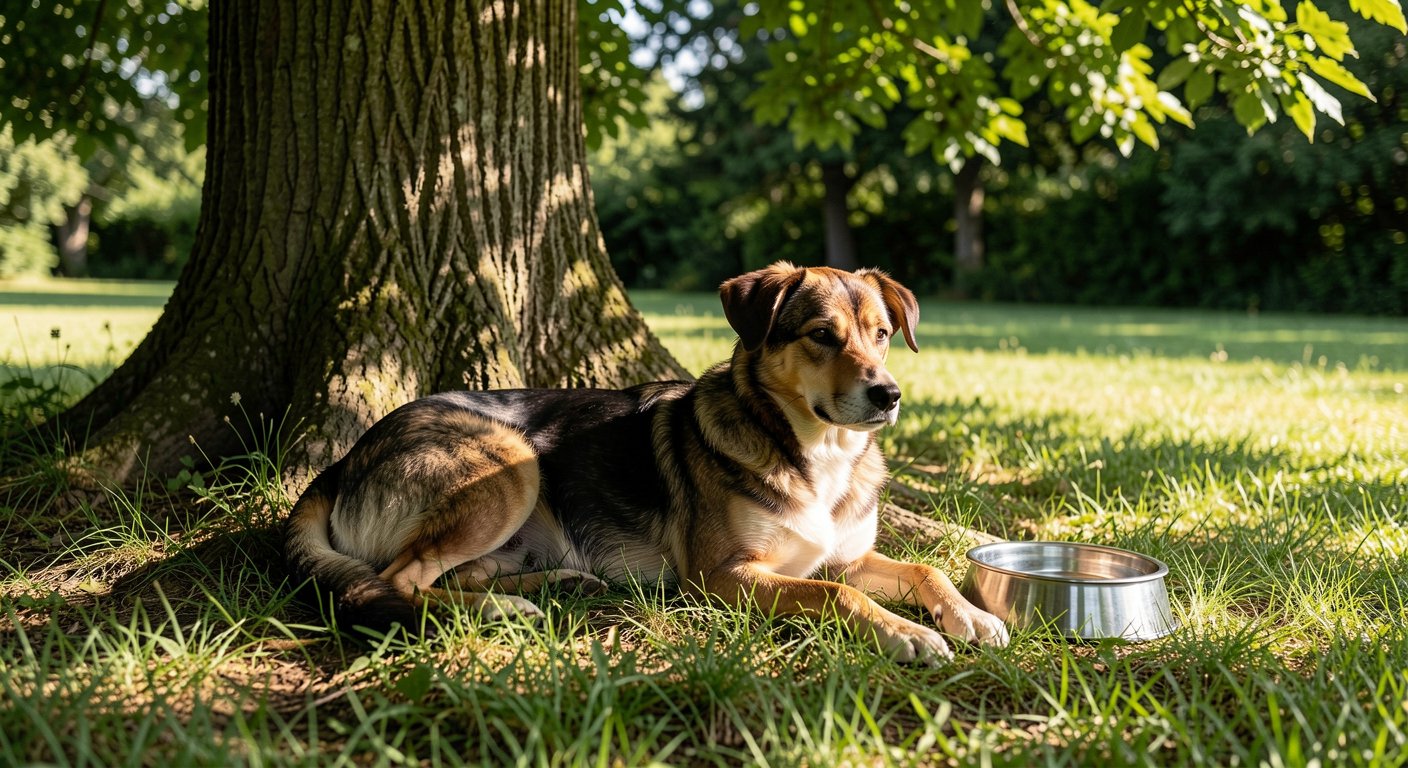
Prevention is the single most powerful tool you have. These dog hot weather safety tips apply to every dog, but they are especially critical for brachycephalic breeds, seniors, and dogs with health conditions. A cooling mat vest for dogs summer safety is an affordable way to protect your pup.
| Prevention Strategy | Why It Matters | Best For |
|---|---|---|
| Walk during cool hours | Avoids peak heat between 10 AM and 4 PM | All dogs |
| Provide constant shade and water | Hydration and shade are the simplest prevention tools | All dogs |
| Use a cooling mat or vest for dogs during summer | Provides passive cooling indoors and out | Brachycephalic, seniors, thick-coated |
| Keep high-risk dogs in air conditioning | Flat-faced and elderly dogs struggle to self-regulate | Bulldogs, Pugs, seniors, obese dogs |
| Test pavement temperature | Hot asphalt burns paw pads and radiates heat upward | All dogs |
| Never leave a dog in a parked car | Cars heat to lethal levels in minutes, even with windows cracked | All dogs |
| Limit exercise on hot or humid days | Humidity makes panting ineffective; dogs will push themselves to please you | All dogs, especially athletic breeds |
Puptify provides general education, not veterinary diagnosis or treatment. Heatstroke is a life-threatening emergency. If your dog shows any signs of heatstroke, including heavy panting, disorientation, vomiting, or collapse, contact your veterinarian or an emergency animal hospital immediately. Cooling steps described here are first-aid measures only. Even if your dog appears to recover, internal organ damage requires professional veterinary evaluation. Never use ice or ice-cold water on an overheated dog, and never force a disoriented dog to drink.
Frequently Asked Questions
Q: How fast can heatstroke develop in dogs?
Heatstroke can develop in minutes, especially during exercise on hot or humid days. A dog in a parked car can reach a body temperature of 106 degrees F within 15 minutes on a warm day. Without intervention, heatstroke can cause death in under an hour, according to PetMD. Early recognition and immediate cooling are critical.
Q: Can I use ice packs to cool my dog faster?
No. Ice packs, ice water, and ice baths are dangerous for dogs with heatstroke. Extreme cold causes blood vessels in the skin to constrict, which traps heat in the body’s core and can trigger shock. Both the AKC and AAHA advise using cool or tepid water only, never cold.
Q: Should I shave my Husky or double-coated dog in summer?
No. The ASPCA advises against shaving double-coated breeds. Their coat actually serves as insulation against both cold and heat, and it protects the skin from sunburn. Regular brushing to remove loose undercoat is the safer approach for keeping them comfortable in warm weather.
Q: My dog seems fine after cooling. Do I still need the vet?
Yes, absolutely. Heatstroke causes internal organ damage, including acute kidney injury and blood clotting disorders, that may not be visible externally. Cornell University College of Veterinary Medicine emphasizes that veterinary evaluation with blood work is essential even after apparent recovery.
Q: What temperature is too hot to walk my dog?
There is no single number because humidity matters as much as temperature. A good rule of thumb: if the pavement is too hot for your bare hand to hold for 7 seconds, it is too hot for your dog’s paws. On humid days, even 75 degrees F can be dangerous during exercise. Walk early in the morning or after sunset when temperatures drop.
Keep Reading

Explore More Dog Health Guides
From emergency care to everyday wellness, our vet-informed guides help you keep your pup safe and healthy year-round.
Browse All Health Guides →