The Ultimate Puppy Teething Survival Guide
Puptify provides puppy care education, not veterinary diagnosis. Puppy teething is a normal developmental phase, but broken teeth, retained baby teeth, facial swelling, heavy bleeding, refusal to eat for more than 24 hours, or extreme lethargy require a veterinarian. Always consult your vet for health concerns.
Puppy teething begins around 3-4 weeks when baby teeth first erupt, peaks in intensity between 12-24 weeks as adult teeth push through, and is usually complete by 6-8 months when the full set of 42 adult teeth is in place. Most of the intense chewing and discomfort happens during the 12-24 week window. This phase is temporary , and the right approach makes it much easier on everyone.
Baby teeth arrive at 3-6 weeks. Adult teeth push through at 12-24 weeks. Full adult set by 6-8 months. Each stage needs different support.
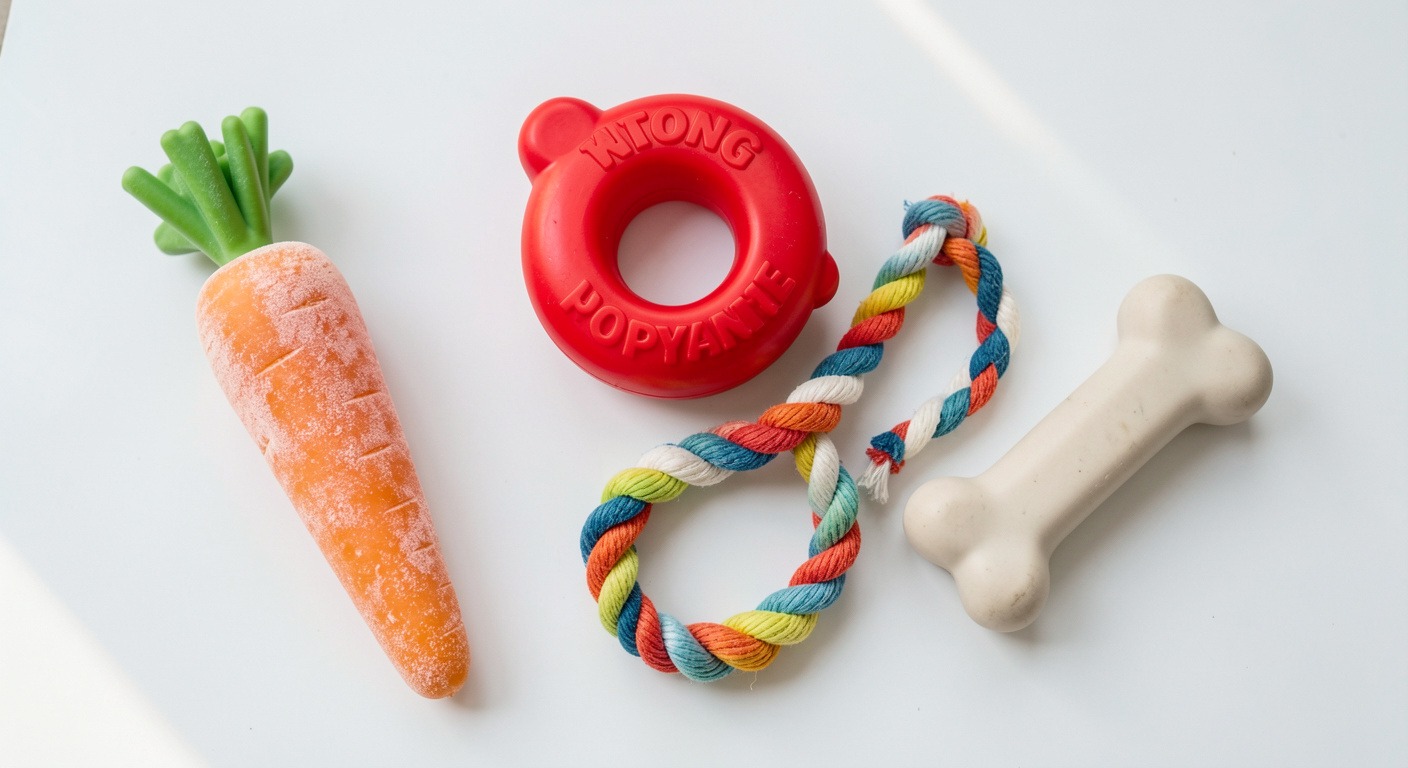
Frozen carrots, chilled rope toys, frozen Kongs, and ice chips soothe sore gums better than anything else.
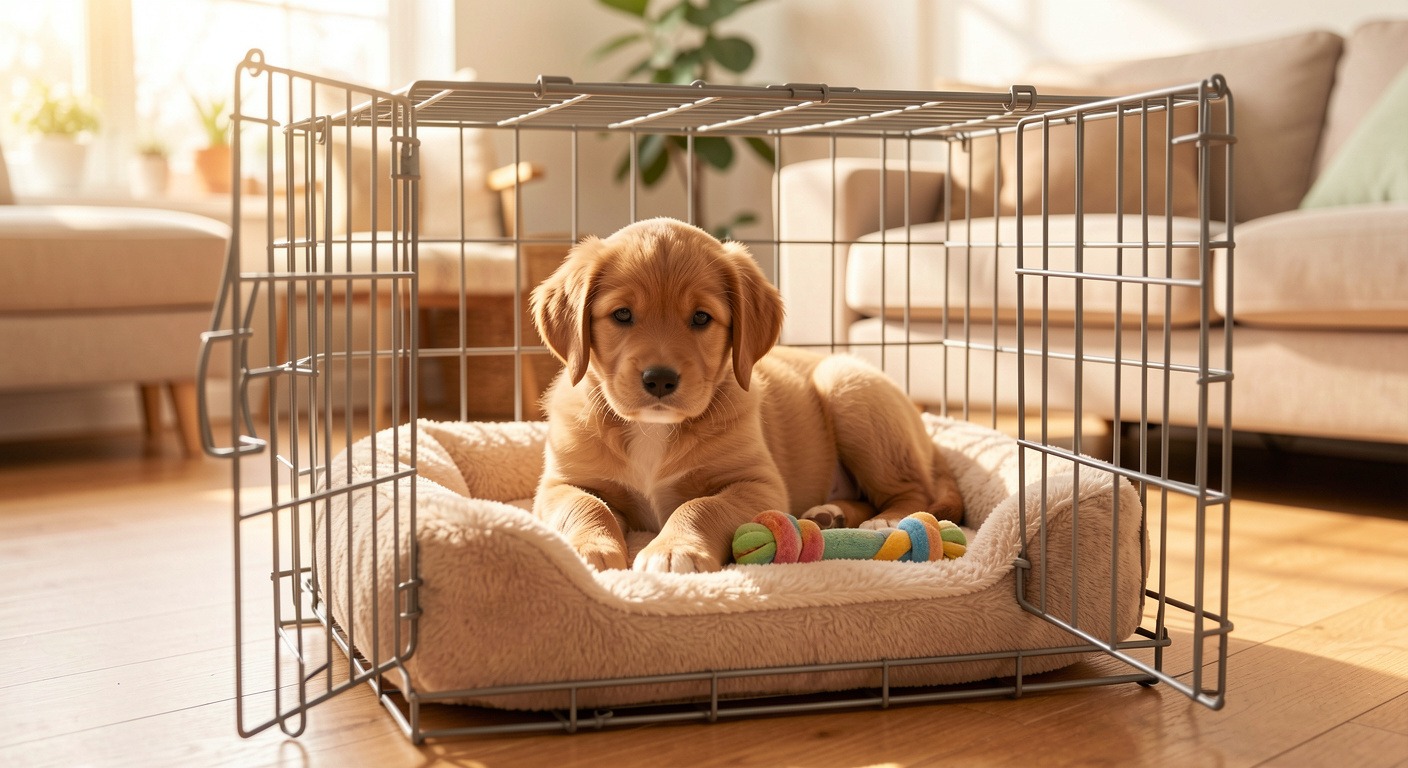
Puppies explore with their mouths. If you can’t watch them, they need to be in a safe, puppy-proofed space.
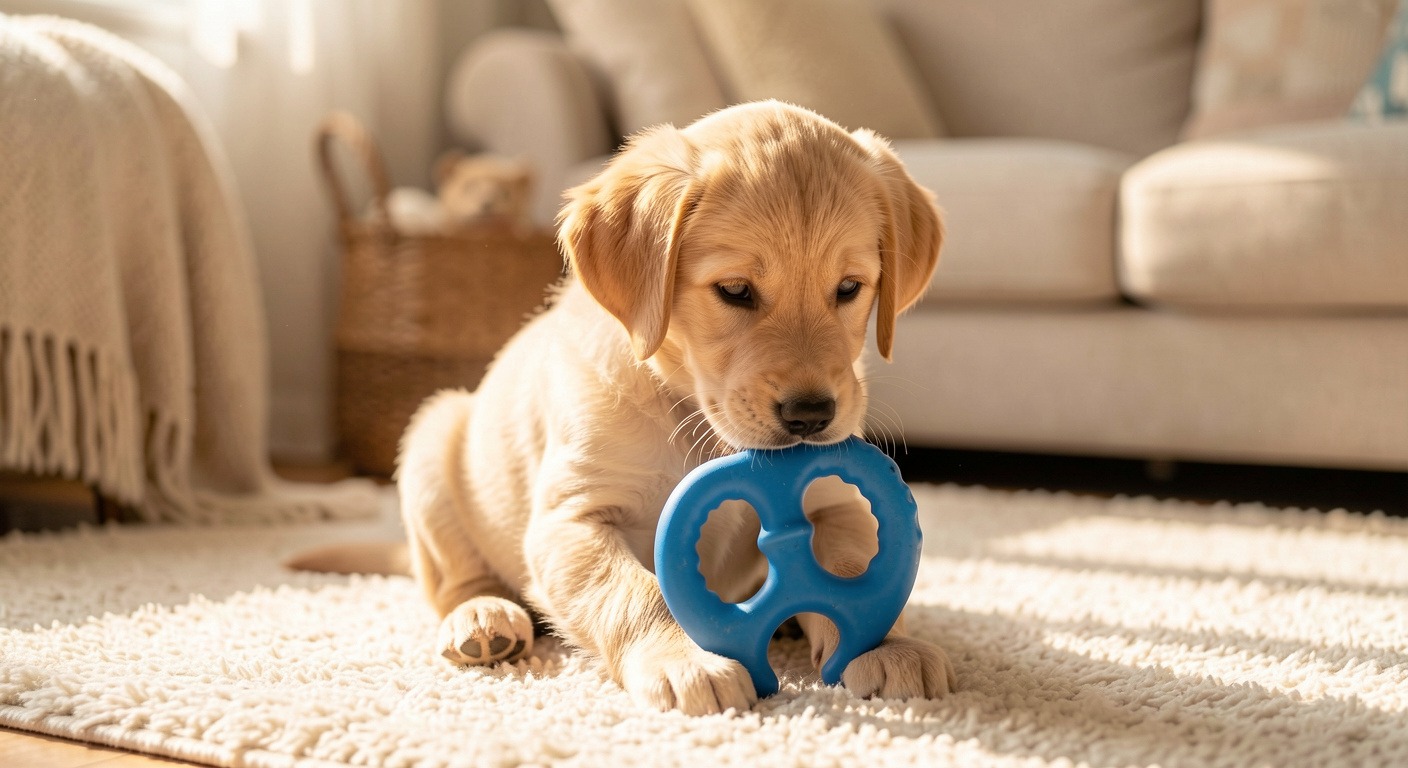
One day you bring home a soft, sleepy puppy. A few weeks later, that same puppy is systematically destroying your shoes, your furniture, and occasionally your fingers. Welcome to the “shark phase” , also known as puppy teething.
It is messy. It is frustrating. But it is also completely normal and temporary. Understanding the puppy teething timeline helps you know what to expect, what is normal, and when something needs a vet’s attention. This guide walks you through every stage, from the first baby tooth to the last adult molar.
Puppy Teething Timeline by Age
Every puppy is different, but the teething timeline follows a predictable pattern. Here is what happens at each stage , and what you can do to help.
| Puppy Age | What Is Happening | What Owners May Notice | What to Do |
|---|---|---|---|
| 3-6 Weeks | 28 baby teeth (deciduous teeth) begin erupting through the gums | Puppies are still with the mother and littermates; needle-sharp baby teeth appear | Breeder or rescue handles this stage; puppies begin learning bite inhibition from siblings |
| 8-12 Weeks | All baby teeth are in place; puppy typically comes home around 8 weeks | Mouthing, nibbling, and chewing on everything , this is exploration, not aggressive behavior | Provide soft puppy-safe chew toys; start handling the mouth gently to prepare for tooth brushing |
| 12-16 Weeks | Baby teeth begin falling out as adult teeth push through; incisors go first, then canines, then premolars | Increased chewing intensity; small blood spots on toys; you may find tiny teeth on the floor (or not , puppies often swallow them, which is harmless) | Offer frozen teething toys; supervise all chewing; start redirection training; check mouth weekly for retained teeth |
| 16-24 Weeks | Adult molars , the large grinding teeth in the back , erupt; chewing intensity typically peaks here | Heaviest chewing phase; drooling; possible mild gum tenderness; adult canines become visible | Rotate frozen chews daily; enforce nap time (overtired puppies chew more); use bitter apple spray on furniture |
| 6-8 Months | Full set of 42 adult teeth should be in place; teething discomfort largely resolves | Chewing decreases significantly; adult teeth look cleaner and whiter; puppy breath starts fading | Begin daily tooth brushing routine; schedule first dental checkup if not done yet; continue providing appropriate chews |
| After 6-8 Months | Teething is complete; any remaining baby teeth that have not fallen out are now considered retained and need veterinary evaluation | Chewing continues as natural dog behavior but should no longer be driven by teething pain | Transition to adult-appropriate chew toys; check for retained baby teeth at vet visits; maintain dental care routine |
How Many Teeth Do Puppies Have?
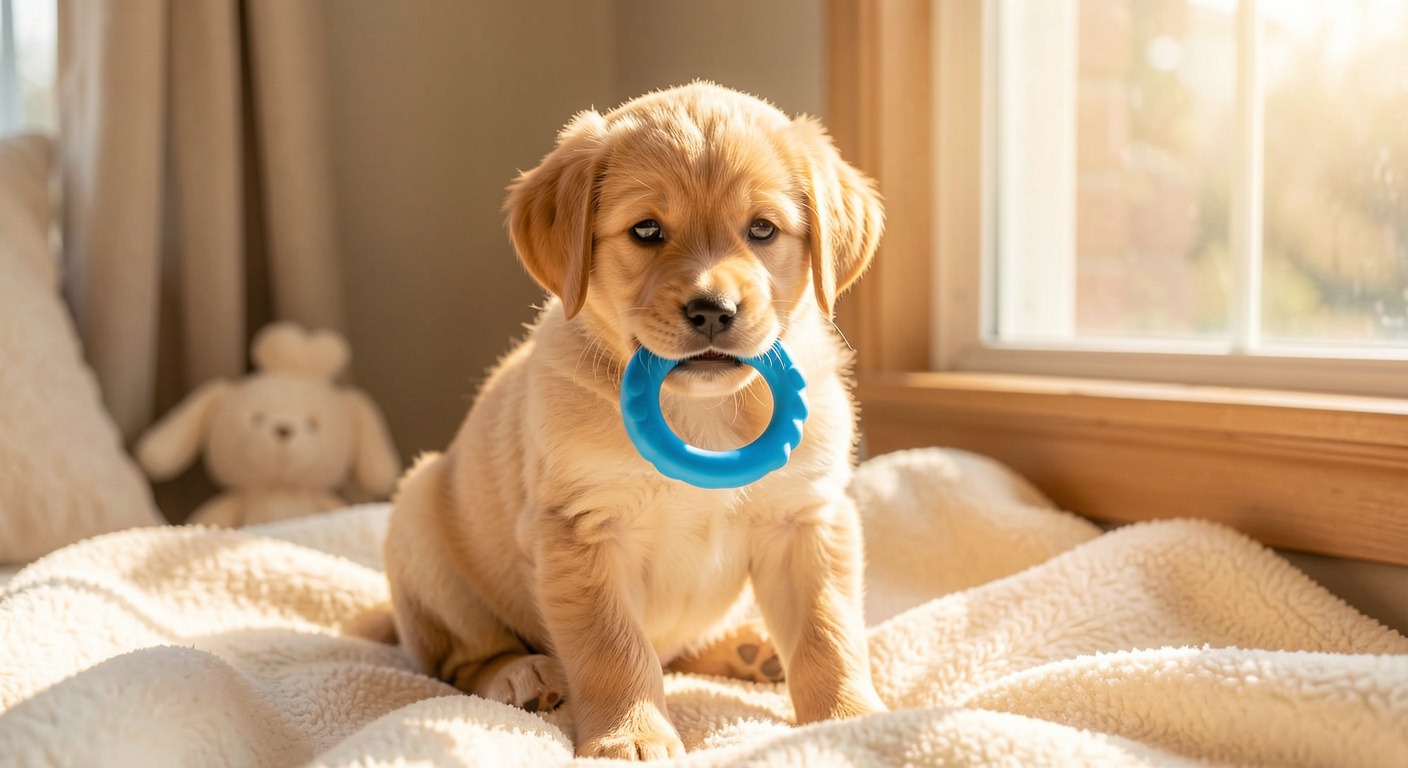
Puppies start with 28 baby teeth , these are the sharp little daggers you feel when your puppy mouths your hand. By adulthood, dogs have 42 permanent teeth: 12 incisors, 4 canines, 16 premolars, and 10 molars. That is 14 more teeth than the baby set, which is why the teething phase takes months , there is a lot of tooth movement happening inside those small jaws.
The extra teeth are mostly molars , those big grinding teeth in the back that puppies do not have in their baby set. These come in last, between 16 and 24 weeks, and are often the most uncomfortable for your puppy.
Signs Your Puppy Is Teething
Not sure if your puppy is teething or just being a typical mouthy puppy? Here are the most common signs:
- Increased chewing , on everything: furniture, shoes, hands, baseboards, even walls. It is not bad behavior , their gums hurt and chewing relieves the pressure.
- Drooling more than usual , the discomfort stimulates saliva production, and some puppies leave small wet spots where they have been lying.
- Tiny blood spots on toys , a small amount of blood when baby teeth fall out is normal. Heavy bleeding is not.
- Pawing at the mouth or rubbing the face , a sign of gum and jaw discomfort, especially when molars are erupting.
- Missing teeth and visible gaps , you will suddenly notice fewer teeth in your puppy’s mouth, then new adult teeth emerging within days.
- Decreased interest in hard food , some puppies eat less or prefer softer food during peak teething because chewing hurts.
- Irritability or restlessness , puppies in pain may be fussier, sleep less soundly, or seem generally unsettled.
What Is Normal During Puppy Teething?
Teething can look alarming. Blood on toys. Teeth everywhere. A suddenly grumpy puppy. Here is a quick reference to help you separate normal teething from problems that need veterinary attention:
| Sign | Usually Normal? | What to Do |
|---|---|---|
| Mild chewing | ✅ Yes | Provide appropriate chew toys; redirect from furniture and hands |
| Drooling | ✅ Yes | Normal during teething; wipe face gently if needed |
| Tiny blood spots on toys | ✅ Yes | Normal when baby teeth fall out; no action needed |
| Missing baby teeth | ✅ Yes | Expected; adult teeth should appear within days to weeks |
| Swallowing baby teeth | ✅ Yes | Completely harmless; teeth are tiny and pass through the digestive system |
| Mild bad breath | ✅ Yes | Common during teething; should resolve once adult teeth settle |
| Refusing hard food temporarily | ⚠️ Sometimes | Try soaking kibble in warm water; if refusal lasts more than 24 hours, call your vet |
| Heavy bleeding from the mouth | ❌ No | Call your vet immediately; this is not normal teething |
| Swollen, red, or painful gums | ❌ No | Schedule a vet visit; could indicate infection or impaction |
| Broken tooth | ❌ No | Requires veterinary attention; broken teeth can lead to infection and abscesses |
| Adult tooth growing beside a baby tooth | ❌ No | Retained baby tooth , needs veterinary evaluation; common in small breeds |
| Extreme lethargy or refusal to eat | ❌ No | Call your vet promptly; teething should not cause systemic illness |
When to See the Vet During Puppy Teething
Most puppies sail through teething with nothing more than increased chewing and occasional fussiness. However, some situations require professional attention. Call your veterinarian if you notice any of the following:
- Retained baby teeth , an adult tooth has erupted but the baby tooth is still firmly in place beside it. This is more common in small breeds and at the canine (fang) positions. Retained teeth cause crowding, misalignment, trapped food, and gum irritation. A vet may need to extract the baby tooth.
- Broken or fractured teeth , chew toys that are too hard (antlers, bones, hooves, hard nylon) can crack puppy teeth. Broken teeth are painful and can become infected.
- Heavy bleeding , tiny blood spots on toys are normal. Active bleeding from the gums or mouth is not.
- Facial swelling , swelling around the jaw, cheeks, or under the eyes can indicate a dental abscess or infection.
- Refusing to eat for more than 24 hours , some pickiness is normal. Complete refusal to eat is not.
- Extreme lethargy, fever, or signs of pain , teething does not cause systemic illness. If your puppy seems genuinely sick, something else may be going on.
The relief tips below help comfort a normal teething puppy. They do not treat dental disease, infection, or injury. If your puppy shows any of the red-flag signs above , broken teeth, retained baby teeth, heavy bleeding, swelling, pain, or refusal to eat , contact your veterinarian. Delaying care for dental problems can lead to permanent damage and expensive treatments later.
Safe Puppy Teething Relief That Actually Helps
When your puppy’s gums are sore, cold and texture are your two best tools. Cold reduces inflammation and numbs discomfort. Interesting textures satisfy the urge to chew while massaging tender gums. Here are the methods that work:
Frozen Puppy Toys
A frozen puppy Kong stuffed with wet food, plain yogurt, or mashed banana provides 20-30 minutes of focused, calming chewing. The cold soothes gums while the food reward keeps your puppy engaged. Rotate two or three Kongs through the freezer so you always have one ready. For small breeds, use the puppy-sized Kong , adult Kongs are too large and the rubber may be too firm for young jaws.
Chilled Washcloths
Twist a clean washcloth, wet it, and freeze it. This is one of the cheapest and most effective teething relief tools. The fabric texture is perfect for sore gums, and the cold provides immediate comfort. Supervise your puppy while they chew it , washcloths can fray, and you do not want your puppy swallowing threads. Replace it when it starts to come apart.
Puppy-Safe Rubber Chews
Soft, flexible rubber toys designed specifically for puppies , like the Nylabone Puppy Chew or Kong Puppy , are safe and effective. Look for toys labeled “puppy” or “soft” rather than “power chewer.” A good test: if you cannot dent the toy with your fingernail, it is too hard for puppy teeth. Hard rubber, dense nylon, antlers, and bones can fracture young teeth.
Frozen Carrots and Soft Edible Options
A whole frozen carrot is nature’s teething ring. It is cold, firm, edible, low-calorie, and safe. For very small puppies, use baby carrots to prevent choking. Other edible options include frozen banana slices, plain frozen yogurt cubes, and soft edible puppy teething treats. Always supervise edible chews and remove any small pieces that could become choking hazards.
Puppy Teething Toys: What to Choose and What to Avoid
Not all chew toys are created equal , and some popular options are dangerous for teething puppies. Here is a guide to safe choices, plus the items you should keep out of reach:
| Teething Option | Best For | Why It Helps | Safety Note |
|---|---|---|---|
| Puppy rubber chew toy (Kong, Nylabone puppy) | Daily chewing; can be frozen | Durable, gentle on gums, holds treats for engagement | Choose puppy size; discard if torn or cracked |
| Frozen stuffed puppy Kong | Extended chewing sessions | Cold numbs gums; food reward keeps puppy focused | Supervise; do not use adult Kongs for small puppies |
| Chilled rope toy | Texture variety | Fibers massage gums; can be soaked and frozen | Supervise; discard when frayed to prevent swallowed threads |
| Frozen wet washcloth | Budget-friendly option | Cold + texture = effective relief; basically free | Must supervise; replace when it starts fraying |
| Frozen carrot (whole) | Natural edible chew | Cold, firm, safe to eat, low-calorie | Use baby carrots for small breeds; supervise for choking |
| Soft edible puppy chew | Short chew sessions | Digestible; satisfies urge to chew and eat | Check ingredients; avoid rawhide; supervise for large chunks |
| Ice chips (not full cubes) | Quick gum numbing | Cold reduces inflammation instantly | Crushed ice only for small puppies; full cubes can be a choking hazard |
| Lick mat with frozen wet food | Calm, stationary activity | Licking releases endorphins; cold soothes gums | Use puppy-formula wet food; clean mat thoroughly after use |
What to Avoid: 11 Items That Do Not Belong in a Teething Puppy’s Mouth
- Human painkillers , NEVER give ibuprofen, acetaminophen, aspirin, or any human medication to a puppy without explicit veterinary instruction. These drugs are toxic to dogs at even small doses.
- Human teething gels , products like Orajel or Anbesol contain benzocaine, which can cause a dangerous blood condition (methemoglobinemia) in dogs.
- Hard bones , beef bones, marrow bones, and cooked bones can fracture puppy teeth and splinter, causing intestinal perforations.
- Antlers , despite being marketed as “natural,” antlers are extremely hard. They are a leading cause of slab fractures (cracked teeth) in young dogs.
- Hooves , cow hooves are hard, splinter-prone, and can cause tooth fractures and digestive blockages.
- Very hard chews (hard nylon, dense plastic) , if you cannot dent the toy with your fingernail, it is too hard for puppy teeth. The VOHC (Veterinary Oral Health Council) recommends avoiding anything harder than what you can indent with a thumbnail.
- Rawhide , a major choking and intestinal blockage hazard. Rawhide swells in the stomach, and many products contain chemical residues from processing.
- Small swallowable toys , anything that fits entirely in your puppy’s mouth can become a choking hazard or intestinal obstruction.
- Stuffed toys with plastic eyes, noses, or parts , your puppy WILL chew them off and swallow them. Choose toys with embroidered features instead.
- Electrical cords, shoes, socks, and household objects , these are not chew toys, but your puppy does not know that. Puppy-proof your home by moving these items completely out of reach.
- Pulling out loose puppy teeth yourself , let baby teeth fall out naturally. Tugging on a tooth that is not ready can break the root, cause pain, and lead to infection. If a tooth seems stuck, let your vet handle it.
Press your thumbnail into any chew toy before giving it to your puppy. If you cannot make a dent, the toy is too hard and risks fracturing young teeth. This simple test , recommended by veterinary dentists , prevents most teething-related tooth injuries. For more on safe chew products, see the Veterinary Oral Health Council (VOHC) accepted products list.
How to Stop a Teething Puppy from Chewing Everything
Teething puppies do not know the difference between a $40 chew toy and a $200 pair of shoes. Both feel good on sore gums. Here is how to manage the destruction:
1. Manage the environment first
The single most effective strategy: if your puppy cannot reach it, they cannot chew it. Move shoes, remotes, phone chargers, children’s toys, and anything valuable out of reach. Use baby gates to limit access to rooms you cannot fully puppy-proof. Close closet doors. Bundle and conceal electrical cords. A complete puppy-proofing guide walks you through every room.
2. Redirect, do not punish
When your puppy chews something inappropriate, do not yell. Calmly take the object away and immediately offer a chew toy they ARE allowed to have. The moment they start chewing the correct item, praise them warmly. Your puppy learns: “This thing gets me attention and feels good. That thing gets taken away.” They are not being naughty , they are responding to a biological drive.
3. Rotate toys daily
Put half the toys away and swap them every day. A toy that reappears after 48 hours feels brand new. This keeps your puppy interested in appropriate chews instead of seeking out furniture legs for variety.
4. Enforce nap time
Overtired puppies are destructive puppies. Puppies need 18-20 hours of sleep per day. If your puppy is getting frantic, bitey, and unstoppable, they probably need a nap , not another chew toy. Crate training provides a safe, quiet space for much-needed rest.
Puppy Biting During Teething: How to Teach Bite Inhibition
Teething and mouthing go hand in hand. Puppies explore the world with their mouths, and during teething, they are mouthier than ever. This is actually your best opportunity to teach bite inhibition , arguably the most important skill a dog can learn.
The method: When puppy teeth touch your skin with any pressure, make a high-pitched “Ouch!” , similar to the yelp a littermate would make. Immediately stop playing. Turn away for 10-15 seconds. Then resume play gently. Your puppy learns that hard biting ends the fun instantly, while gentle mouths keep the game going. Over weeks, progressively yelp for lighter and lighter contact until your puppy learns to mouth with zero pressure.
Never hold your puppy’s mouth shut, yell, or use physical punishment. These methods create fear and can make biting worse. Positive reinforcement training is more effective and builds trust instead of damaging it.
Put half the toys away and swap them every other day. A “new” toy is more exciting and keeps your puppy engaged with appropriate chews.
Look inside your puppy’s mouth every week. Count teeth. Look for retained baby teeth. Early detection prevents expensive dental problems later.
The intense chewing phase peaks around 4-5 months and is largely done by 7-8 months. You will get through this. Keep your shoes in the closet until then.
Puppy-Proofing Your Home During Teething
A teething puppy is a relentless investigator. They will find , and chew , things you forgot existed. A thorough puppy-proofing session before the teething peak (around 12-16 weeks) saves your belongings and, more importantly, keeps your puppy safe.
Key areas to secure: electrical cords (conceal or cover with cord protectors), houseplants (many are toxic), remote controls (batteries are lethal if punctured), shoes and clothing, children’s small toys, trash cans, and cleaning supplies. Get down on your hands and knees at puppy height and look for anything within reach. If you can see it, your puppy will find it.
Retained Baby Teeth in Puppies
A retained baby tooth happens when a puppy’s adult tooth erupts but the baby tooth does not fall out. The result: two teeth occupying one spot , the adult tooth and the baby tooth side by side. This is most common at the canine (fang) positions and in small-breed dogs like Chihuahuas, Yorkies, Poodles, and Shih Tzus.
Retained baby teeth are not just a cosmetic issue. When two teeth crowd one spot, they trap food, plaque, and bacteria. Over time, this causes gum irritation, bad breath, tartar buildup, and periodontal disease. The crowding can also push adult teeth out of alignment, leading to bite problems that affect eating and comfort.
What to watch for: Check your puppy’s mouth regularly, especially along the upper and lower canines. If you see an adult tooth growing in directly beside a baby tooth that is still firmly in place, your vet should evaluate it. Baby teeth that have not fallen out by the time adult teeth are fully in (around 7-8 months) almost always need to be extracted. This is a routine procedure , often done during spay or neuter surgery to avoid a second round of anesthesia , but it should not be delayed indefinitely.
For more detailed information on retained deciduous teeth in dogs, see the VCA Animal Hospitals guide.
Small and toy breeds are significantly more likely to have retained baby teeth. If you have a small-breed puppy, make a habit of checking their mouth weekly during the 4-7 month window. Early detection lets your vet extract retained teeth before they cause crowding or infection. The American Veterinary Medical Association (AVMA) recommends dental evaluations at every puppy wellness visit.
Frequently Asked Questions
Q: When do puppies start teething?
Puppy teething begins around 3-4 weeks of age when the 28 baby teeth first erupt through the gums. Most owners first notice teething around 8-12 weeks when they bring their puppy home and the mouthing and chewing behavior intensifies.
Q: When do puppies stop teething?
Most puppies have their full set of 42 adult teeth by 6-8 months of age, and the intense teething-driven chewing phase winds down significantly after that. Some large-breed puppies may take slightly longer.
Q: How long does puppy teething last?
From the first baby tooth at 3-4 weeks to the last adult molar at 6-8 months, the full teething process spans roughly 5-7 months. The most intense phase , when adult teeth are actively pushing through , lasts from about 12 to 24 weeks of age.
Q: What age is puppy teething the worst?
The worst of puppy teething typically occurs between 16 and 24 weeks (4-6 months) when the large adult molars erupt in the back of the mouth. This is when chewing intensity peaks and puppies may be most uncomfortable. The 12-16 week period when canines and premolars are coming in is also challenging.
Q: What are the signs of puppy teething?
Common signs include increased chewing on everything, drooling, small blood spots on toys, missing teeth, visible adult teeth emerging, pawing at the mouth, mild decrease in appetite for hard food, and general irritability or restlessness.
Q: How can I help a teething puppy?
Provide cold relief (frozen Kongs, frozen carrots, ice chips, chilled washcloths), offer puppy-safe rubber chew toys, rotate toys daily to maintain interest, enforce nap time when puppies get overtired and destructive, and redirect inappropriate chewing to appropriate toys with praise.
Q: What can I freeze for a teething puppy?
You can safely freeze: whole carrots or baby carrots, stuffed Kongs with wet food or yogurt, wet twisted washcloths, rope toys soaked in water, banana slices, plain yogurt cubes, and mashed sweet potato in a lick mat. Always supervise frozen items and avoid anything too large or hard.
Q: Is it normal for puppy teeth to bleed?
Tiny blood spots on chew toys are normal during active teething , this is simply from baby teeth falling out. Heavy, active bleeding from the gums or mouth is not normal and requires veterinary attention.
Q: Should I pull out a loose puppy tooth?
No. Let baby teeth fall out naturally. Pulling on a tooth that is not ready can break the root, cause significant pain, and lead to infection. If a baby tooth is still firmly in place while the adult tooth has already erupted beside it (retained tooth), see your veterinarian , do not attempt to extract it yourself.
Q: When should I call the vet during puppy teething?
Call your vet if you notice: retained baby teeth (adult tooth beside a baby tooth), broken teeth, heavy bleeding, facial swelling, refusal to eat for more than 24 hours, extreme lethargy, fever, or signs of significant pain. Teething is uncomfortable but should not make a puppy systemically ill.
Q: Why is my puppy biting so much?
Puppies bite and mouth for several reasons during teething: sore gums drive them to chew for relief, they explore the world with their mouths (normal puppy behavior), and the teething discomfort makes them more mouthy than usual. This is not aggression , it is a developmental phase that improves with consistent bite inhibition training and time.
Q: Can teething make puppies not want to eat?
Some puppies show decreased interest in hard kibble during peak teething (especially when molars are coming in at 16-24 weeks). If your puppy is reluctant to eat, try soaking kibble in warm water for 5-10 minutes to soften it. If your puppy refuses all food , even soft food , for more than 24 hours, call your veterinarian.
Q: Are frozen carrots safe for teething puppies?
Yes, frozen carrots are one of the safest and most effective natural teething relief options. They are cold, firm, edible, low-calorie, and contain beneficial fiber and vitamins. For very small breeds, use baby carrots to reduce choking risk, and always supervise your puppy while they chew.
Q: Are ice cubes safe for puppies?
Crushed ice or ice chips are safe for most puppies and provide quick gum-numbing relief. Full-size ice cubes can be a choking hazard for small breeds and may be too hard for sensitive puppy teeth. For toy and small breeds, stick to crushed ice or small chips. Always supervise.
Q: Are antlers safe for teething puppies?
No. Despite being marketed as “natural” chews, antlers are extremely hard and are a leading cause of slab fractures (cracked teeth) in young dogs. The VOHC recommends avoiding any chew that you cannot indent with your fingernail , and antlers fail this test. Wait until your dog has their full adult set and has graduated to harder chews (typically after 12-18 months) before considering antlers, and even then, supervise closely.
Q: What does a retained puppy tooth look like?
A retained puppy tooth appears as two teeth in one spot , a smaller, thinner baby tooth directly beside or in front of a larger adult tooth. It most commonly occurs at the canine (fang) positions. The baby tooth may look slightly discolored or positioned oddly compared to surrounding teeth. If you see two teeth where there should be one, your veterinarian should evaluate it.
Q: Do small breeds have more retained baby teeth?
Yes. Small and toy breeds , including Chihuahuas, Yorkshire Terriers, Toy Poodles, Maltese, Shih Tzus, and Pomeranians , are significantly more prone to retained baby teeth. If you have a small-breed puppy, check their mouth weekly during the 4-7 month window and have your vet evaluate any teeth that seem stuck.
Q: Can I brush my puppy’s teeth while teething?
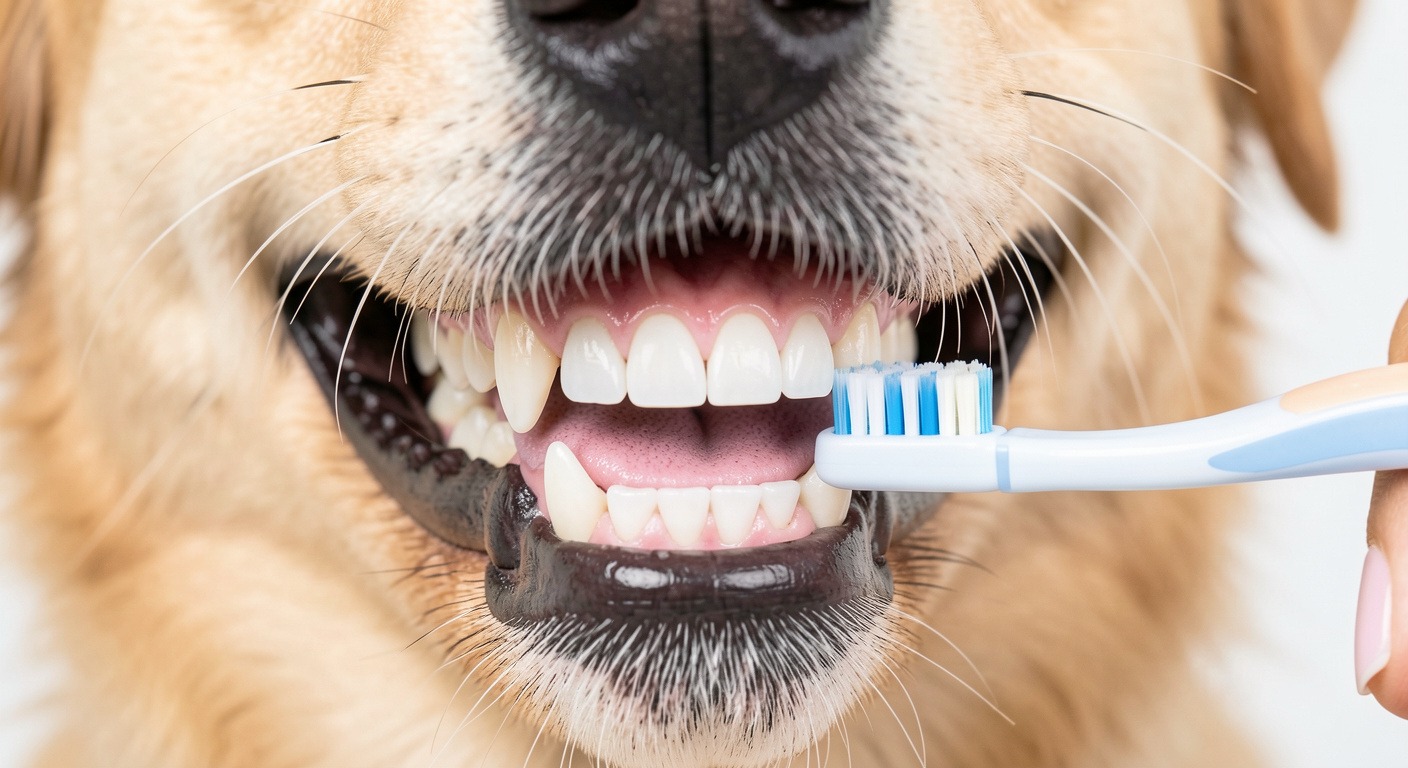
Yes, and you should start a tooth brushing routine early. During active teething, be extra gentle , gums are tender. Use a soft finger brush or gauze wrapped around your finger with puppy-specific toothpaste (never human toothpaste , it contains fluoride and xylitol, both toxic to dogs). Focus on making the experience positive with praise and treats. Starting early builds a lifelong habit that prevents periodontal disease. See our complete dog dental care guide for step-by-step instructions.
Final Tip: Protect the Puppy, Not the Shoes
Teething is one of the hardest phases of puppyhood , but it is also one of the shortest. The intense chewing, the lost baby teeth, the occasional blood spot on a toy , it all passes. What remains is the adult dog you are raising, and the habits you build now last a lifetime.
When you feel frustrated, remember: your puppy is not giving you a hard time. They are having a hard time. Their mouth hurts. They do not understand why. Chewing is the only relief they know. Your job is to provide safe outlets, manage the environment, and guide them through it with patience.
For authoritative veterinary information on puppy teething, visit the VCA Animal Hospitals teething guide, the American Kennel Club puppy teething resource, the AVMA pet dental care page, and the VOHC accepted products list for scientifically vetted chew recommendations.
Puptify provides general puppy care education based on reputable veterinary sources including VCA Animal Hospitals, the American Kennel Club (AKC), the American Veterinary Medical Association (AVMA), and the Veterinary Oral Health Council (VOHC). This article is not a substitute for professional veterinary advice. Puppy teething is normally a benign process, but broken teeth, retained baby teeth, heavy bleeding, facial swelling, refusal to eat, and extreme lethargy all warrant prompt veterinary evaluation. If you are ever unsure, call your vet , they would rather you call and have it be nothing than not call and have it be something.
🐾 Related Puppy Guides
You Are Doing Great, Puppy Parent
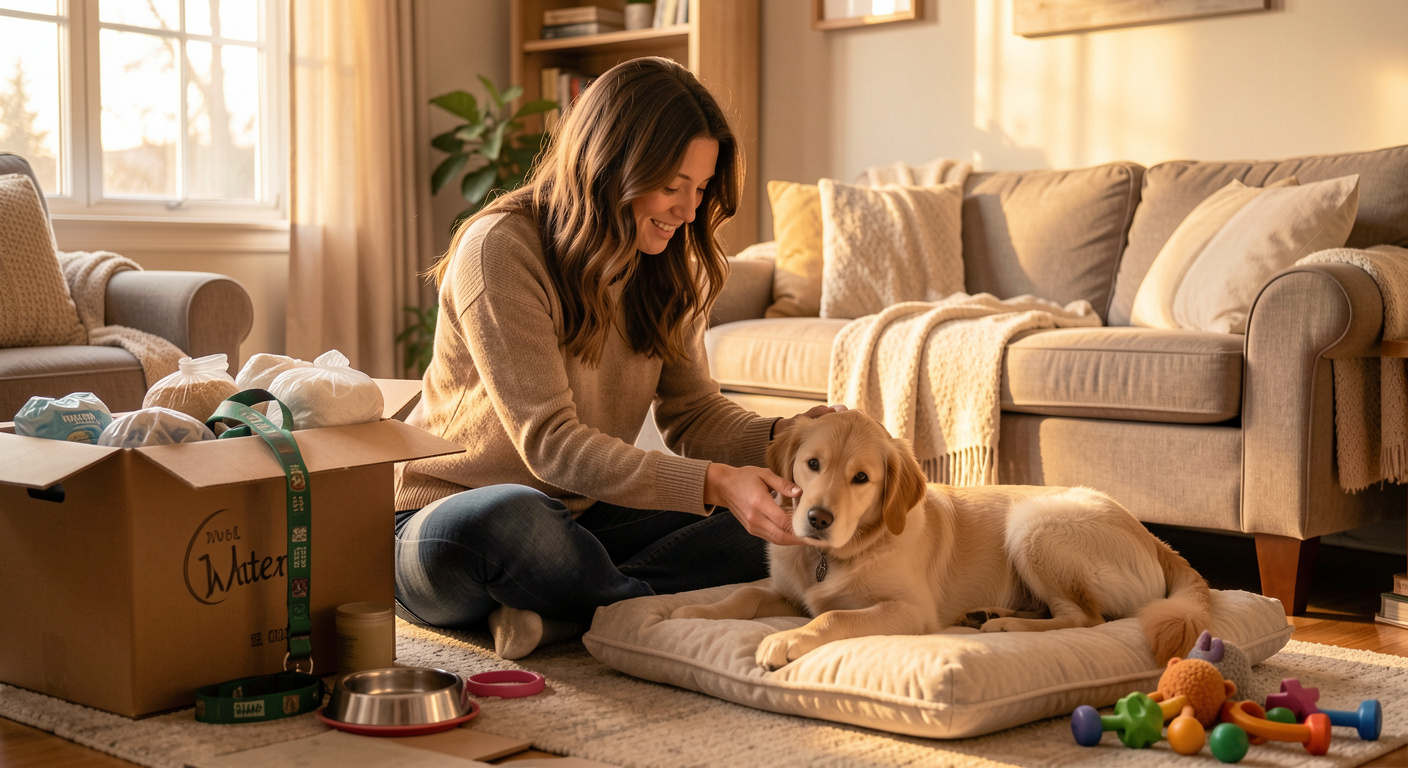
Teething is one of the hardest phases of puppyhood. It is also temporary. Stock up on frozen Kongs, hide your favorite shoes, and remember , every single puppy parent goes through this. You are not alone.
Explore All New Puppy Guides →