A positive, practical guide to teaching your dog to greet people politely , no yelling, kneeing, or punishment required.
🐾 Quick Answer
Dogs jump because they’re excited and it works , people give them attention (even negative attention). The fix is to teach an incompatible behavior: “four on the floor” gets rewarded, jumping gets ignored. With consistent practice, most dogs learn polite greetings in 2-4 weeks. If your dog’s jumping is motivated by anxiety or over-arousal beyond normal excitement, consult a positive reinforcement trainer.
🚫
Ignore the Jump
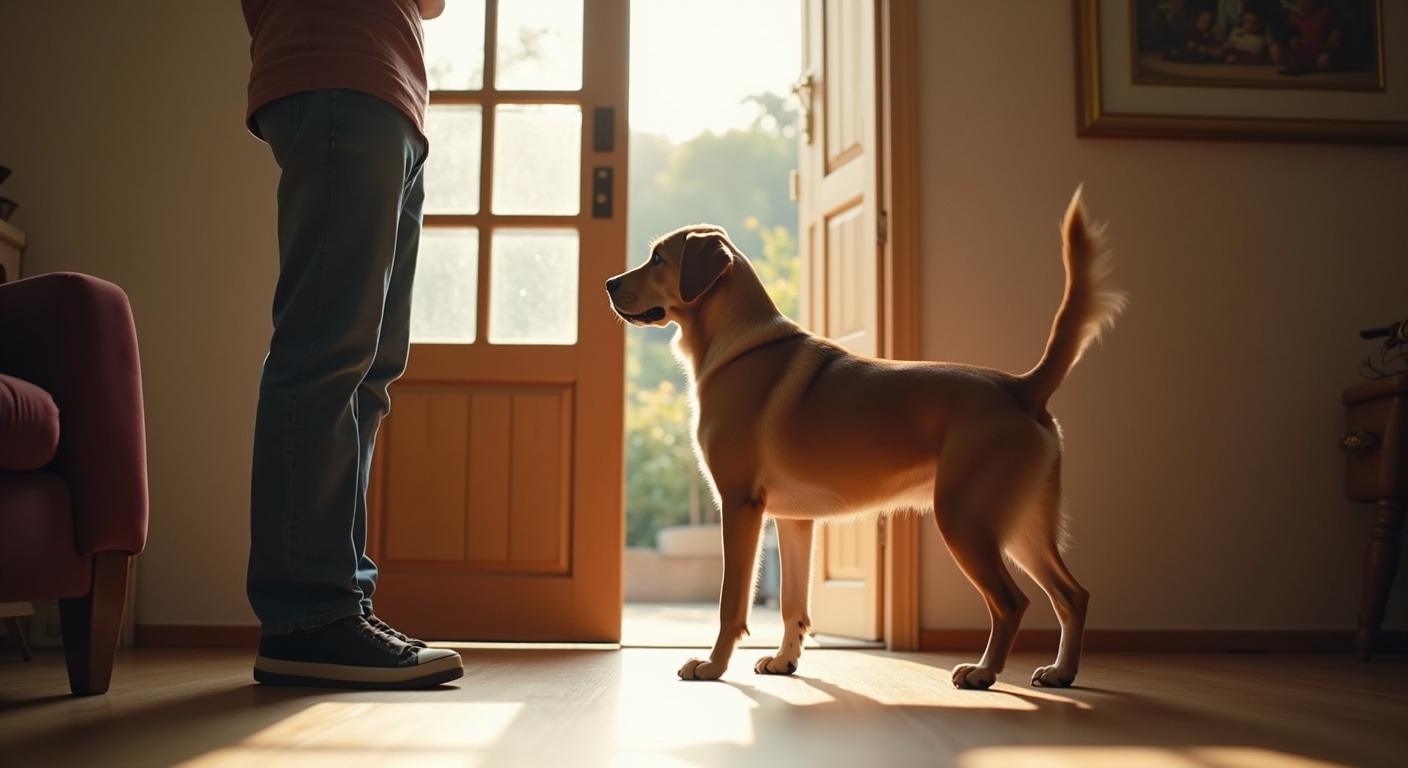
Turn away, cross your arms, say nothing. Zero attention , even “no” or pushing them off counts as a reward to an excited dog.
🪑
Teach “Sit to Greet”
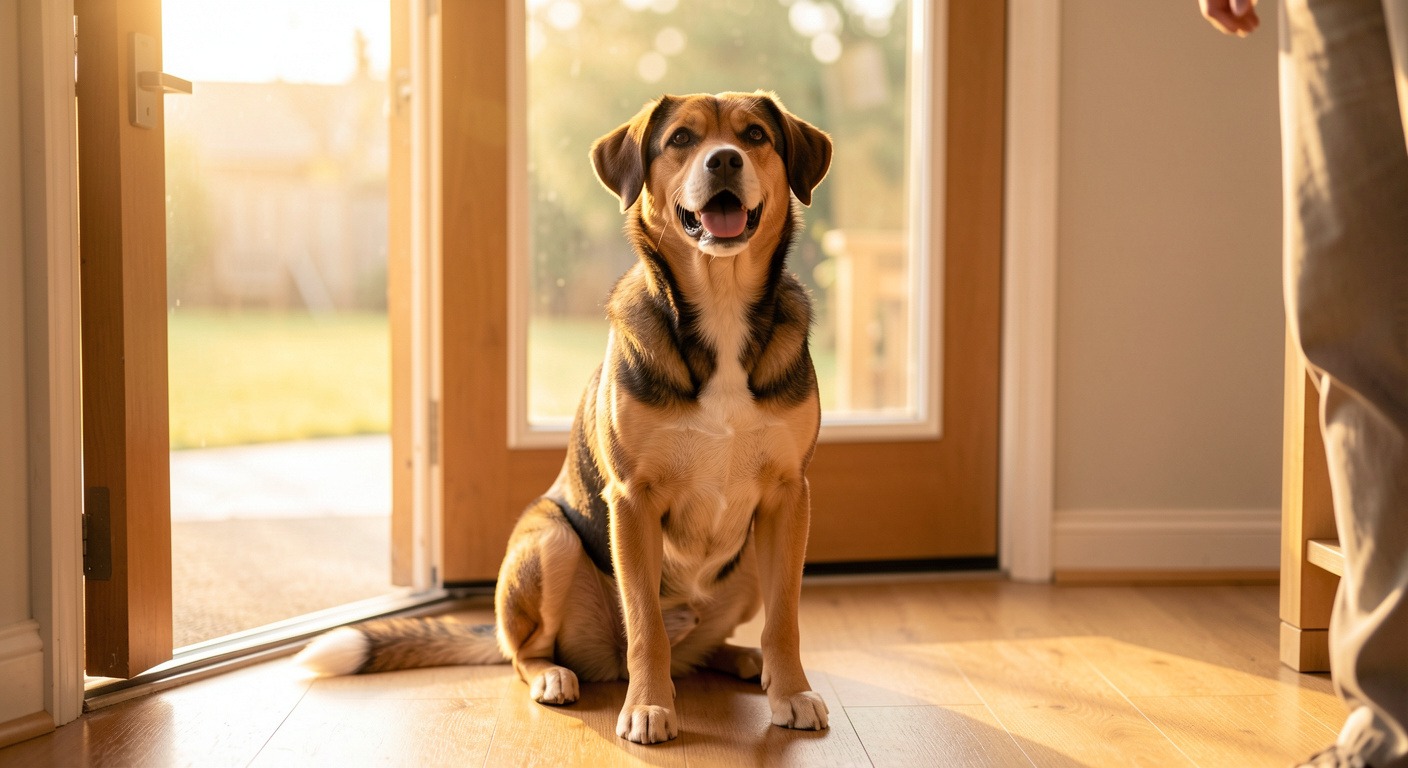
Practice sits at the door before guests arrive. A dog can’t jump and sit at the same time , give them a job that’s physically incompatible with jumping.
🏆
Reward the Right Behavior
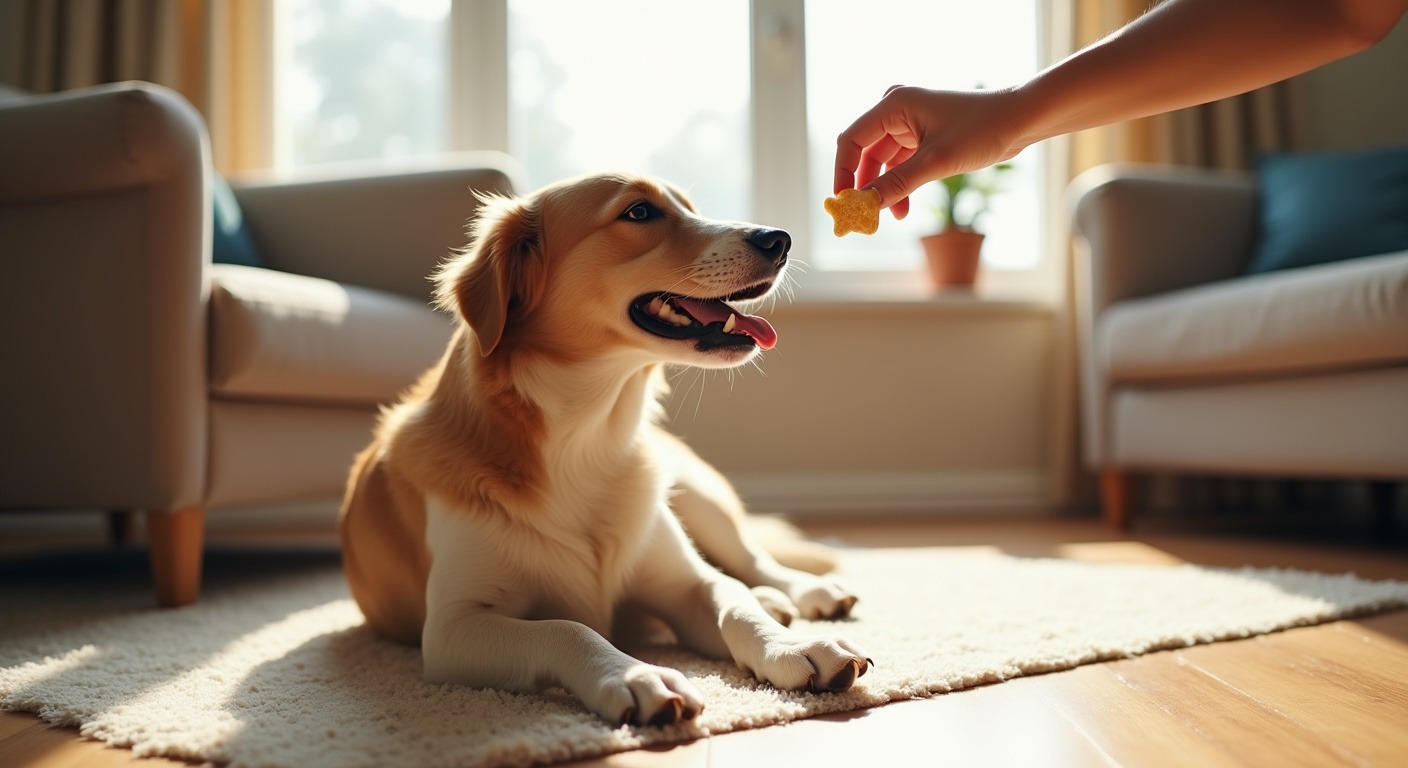
Treats, praise, and pets happen ONLY when all four paws are on the floor. Consistency from every family member is the secret ingredient.
Why Dogs Jump in the First Place
Jumping up is a natural canine greeting behavior. Puppies jump to reach their mother’s face. Adult dogs jump to get closer to our faces , it’s how they say hello in dog language. The problem isn’t the dog. The problem is that we accidentally reinforce it.
When a dog jumps and you push them off, say “no,” or even make eye contact, you’ve given them attention. For a dog who’s been alone all day, that’s a jackpot. They learned: jumping = human interaction. The math works every time.
This isn’t a dominance thing. It’s not a respect thing. It’s simple behavioral science: rewarded behaviors repeat. If jumping gets attention (good or bad), the dog will keep jumping.
The “Four on the Floor” Rule
Your new house rule is simple: all four paws must be on the ground for any attention to happen. This applies to you, your family, and every guest who walks through the door. One jump, and the person becomes a statue , arms crossed, eyes averted, zero engagement.
Here’s how to practice it:
Step 1: Set up a training session. Have a family member or friend ring the doorbell. Before they enter, ask your dog to sit. Reward the sit with a high-value treat.
Step 2: If the dog jumps, the person leaves. Yes, actually walks back outside and closes the door. Wait 10 seconds, try again. This teaches the dog: jumping makes the exciting person disappear. Sitting makes them stay.
Step 3: Reward calm greetings immediately. The instant all four paws hit the floor after a jump, the person can give calm praise and a treat. Timing matters , reward within 2 seconds.
Managing Guests: The Hard Part
Training falls apart when guests arrive. Someone’s aunt who “doesn’t mind” the jumping, or a delivery driver who reaches down to pet your bouncing dog , these moments undo weeks of training in seconds.
Give guests a script before they enter: “He’s learning not to jump. If he jumps, please turn away and ignore him completely. When he sits or stands calmly, you can say hi.”
For very enthusiastic greeters, use a leash during arrivals. Step on the leash (not tight, just enough so the dog can’t launch). This prevents the jump from being physically possible, which prevents the rehearsal of the behavior.
Common Mistakes to Avoid
Kneeing the dog in the chest. This is outdated advice that can physically hurt your dog and damage your relationship. It doesn’t teach them what TO do , only what not to do, and in a painful way.
Yelling “OFF!” Loud, excited voices increase the dog’s arousal. You can’t calm an excited dog by being loud. Be boring when they jump, exciting when they’re calm.
Inconsistency between family members. If one person lets the dog jump and another doesn’t, the dog learns to jump selectively. Everyone must follow the same rules, every time.
The Training Timeline
Week 1: Practice sit-to-greet 5-10 times per day with family members. No guests yet. Use high-value treats (freeze-dried liver, cheese, boiled chicken).
Week 2: Add one “guest” (a friend who follows instructions). Practice 3-4 arrivals in one session. Reward heavily for calm behavior.
Week 3: Real-world practice. Leash on for arrivals. Expect some regression , that’s normal. Go back to basics if needed.
Week 4: Most dogs have the concept by now. Continue rewarding calm greetings intermittently to maintain the behavior.
⚠️ Vet safety note: If your dog’s jumping is accompanied by mouthing, body-slamming, or seems related to anxiety rather than excitement, consult a positive reinforcement trainer or veterinary behaviorist. Jumping combined with growling or stiff body language may indicate a different issue. Puptify provides general education, not medical or behavioral diagnosis.
FAQ
Q: My dog only jumps on certain people. Why?
Those people probably reward the jumping (even accidentally) with eye contact, baby talk, or petting. Give those guests clear instructions before they interact with your dog.
Q: How long until my dog stops jumping completely?
Most dogs show significant improvement in 2-4 weeks of consistent training. “Completely” depends on your consistency and the dog’s temperament. Some excitable breeds may always need occasional reminders.
Q: Should I use a training collar or shock collar?
No. Punishment-based tools for jumping are unnecessary and can create fear, anxiety, and aggression. Positive reinforcement works , it just requires consistency, not correction.
Q: What if my dog jumps on strangers during walks?
Keep your dog on a shorter leash when approaching people. Ask the person to wait while you get your dog’s attention with a treat. Only allow greetings when your dog is calm. Practice “sit for greeting” during walks with cooperative neighbors.