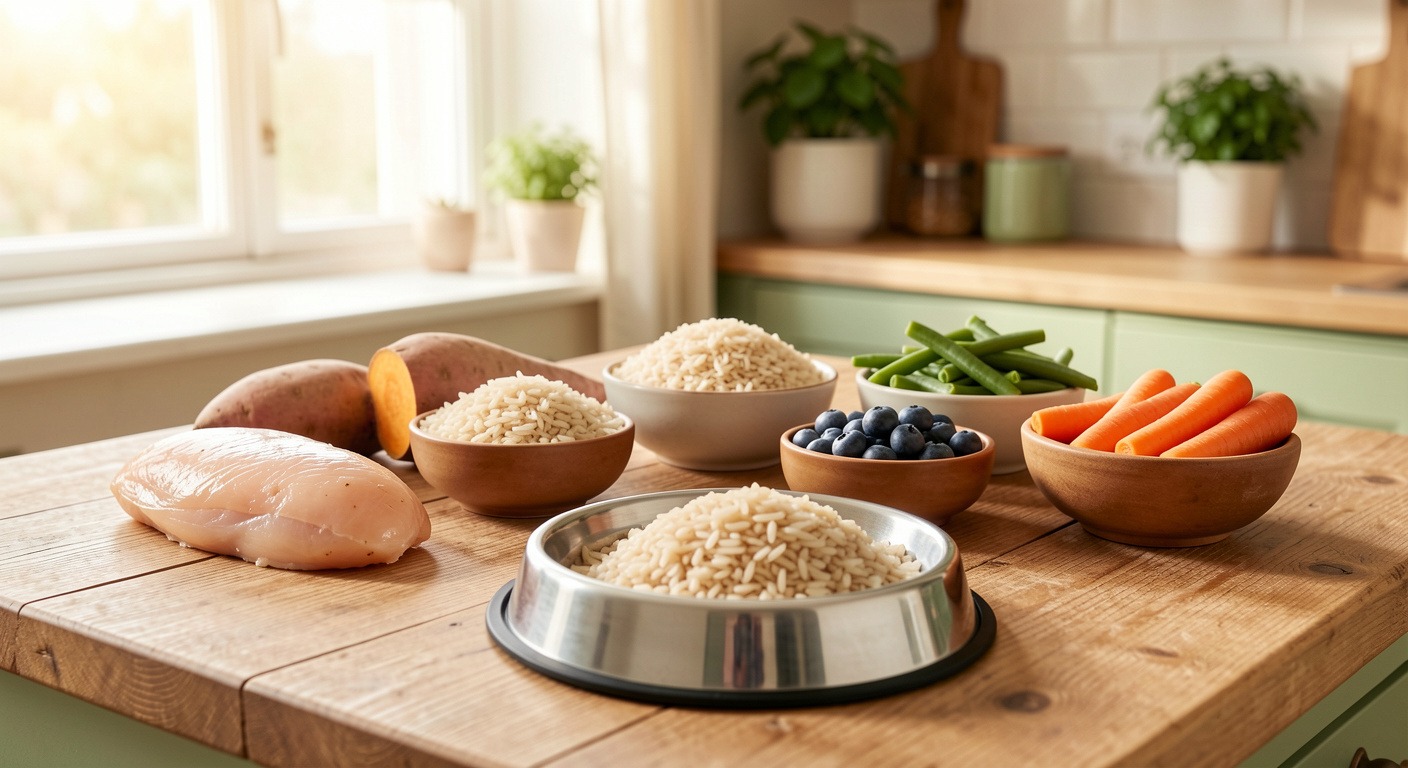
Take Control of What Goes in the Bowl
Walking down the dog food aisle can feel overwhelming. Unpronounceable ingredients, recalls in the news, price tags that make you wince. It’s no surprise that more dog owners are asking: should I just make my dog’s food at home? The answer is yes , but only if you do it right. A poorly balanced homemade diet can do more harm than the cheapest kibble.
Homemade dog food can be healthy and rewarding , but only when it’s nutritionally complete. Most DIY recipes found online are deficient in calcium, zinc, vitamin D, and essential fatty acids. The safest approach: work with a veterinary nutritionist or use a board-certified recipe service like BalanceIT.com. Never feed your dog a homemade diet long-term without professional guidance. For most owners, a high-quality commercial food supplemented with occasional fresh toppers is the practical sweet spot.
What’s Missing From Most Homemade Dog Food Recipes
When veterinary researchers at UC Davis analyzed 200 online homemade dog food recipes, they found over 95% were nutritionally incomplete. The most common deficiencies:
- Calcium , By far the most dangerous omission. Dogs need roughly a 1.2:1 calcium-to-phosphorus ratio. Meat is high in phosphorus, low in calcium. Without added calcium (bone meal, ground eggshells, or a supplement), puppies develop rickets and adults suffer bone loss.
- Zinc , Essential for skin health, immune function, and wound healing. Naturally low in muscle meat.
- Vitamin D , Dogs can’t synthesize it from sunlight like humans. Without it, calcium can’t be absorbed properly.
- Omega-3 fatty acids (EPA/DHA) , Anti-inflammatory, supports brain and joint health. Most recipes skip fish oil.
- Iodine and selenium , Trace minerals that commercial foods supplement but homemade recipes rarely include.
The Safe Way to Start: A Basic Balanced Formula
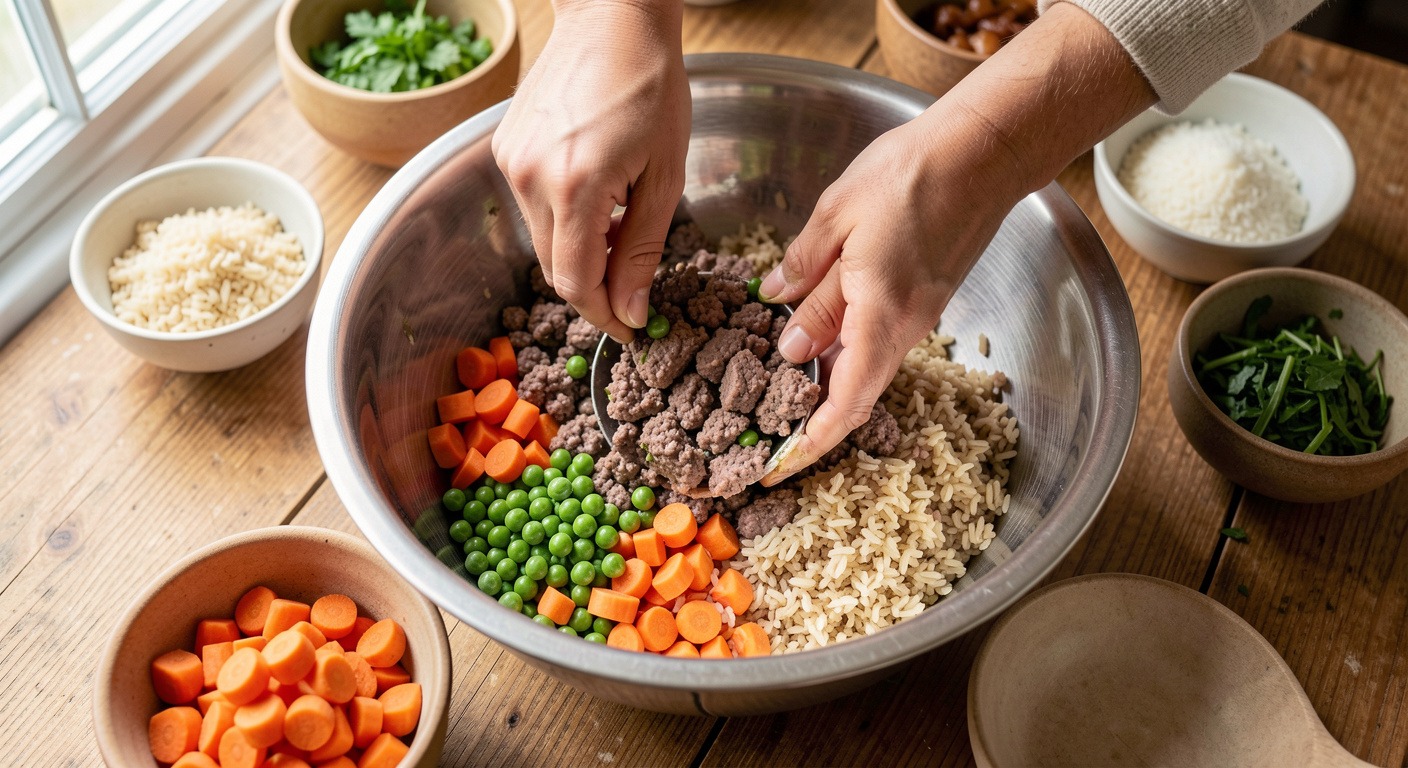
The general template used by veterinary nutritionists follows the 40-30-30 rule: 40% lean protein, 30% complex carbohydrates, 30% vegetables and fruits. But this is just the starting structure , you still need to add the micronutrients that balance the meal.
Protein (40%)
Cooked lean chicken breast, ground beef (90%+ lean), turkey, or fish like salmon. Always fully cook , raw diets carry bacterial risks for both dogs and household members.
Carbs (30%)
Brown rice, oatmeal, sweet potatoes, or quinoa. These provide fiber and slow-release energy. White rice is fine for dogs with sensitive stomachs.
Veggies & Fruits (30%)
Green beans, carrots, spinach, peas, blueberries, pumpkin (plain). Avoid onions, garlic, grapes, raisins, and macadamia nuts , all toxic to dogs.
Plus the essentials: A calcium source (ground eggshells or canine calcium supplement per your vet’s dosing), fish oil for omega-3s, and a veterinary-formulated multivitamin designed for homemade diets.
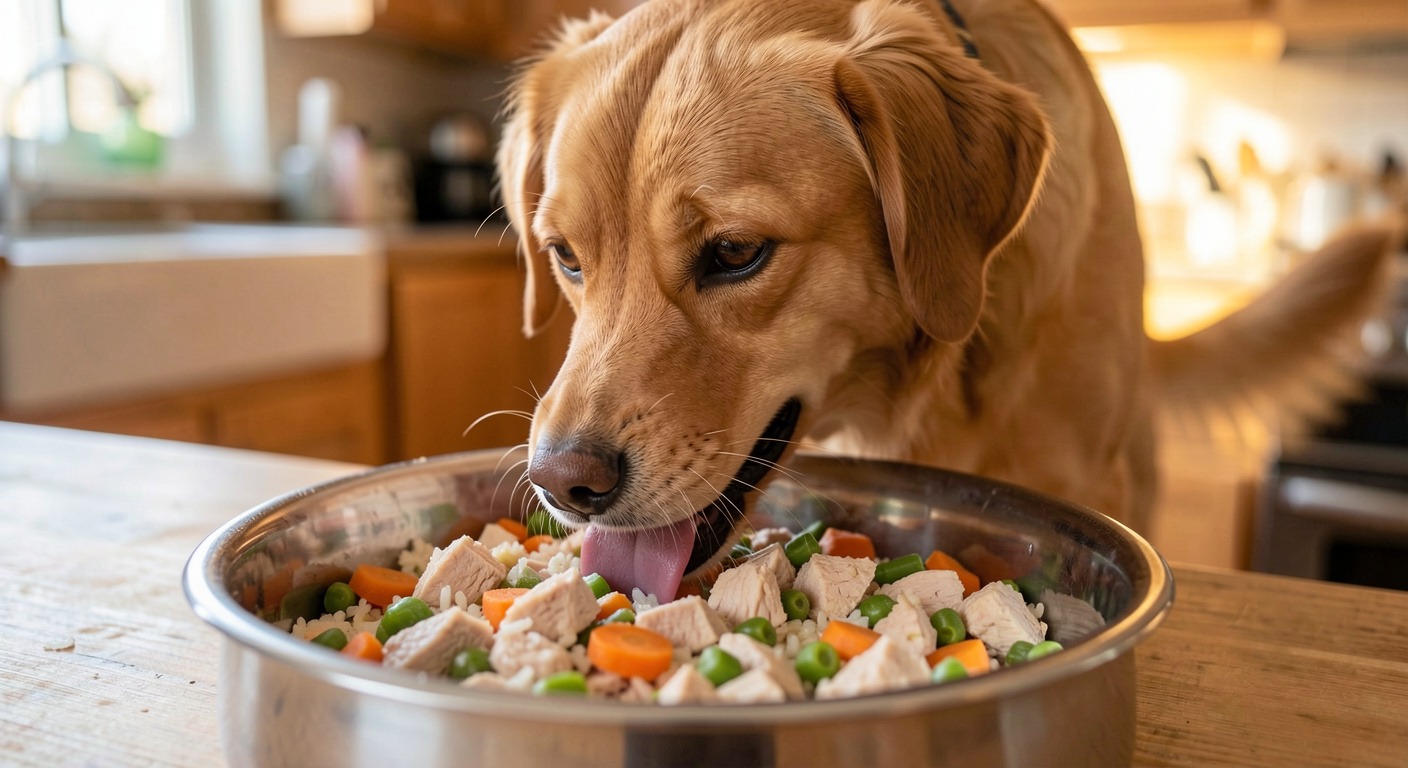
Puptify provides general education, not medical advice. Before switching your dog to a homemade diet , especially if they have kidney disease, pancreatitis, diabetes, food allergies, or are a growing puppy , consult your veterinarian or a board-certified veterinary nutritionist (DACVN). An unbalanced diet can cause serious, sometimes irreversible, health problems within weeks.
The Practical Middle Ground: Fresh Toppers
If a fully homemade diet feels like too much, you can still give your dog fresh, real food by using homemade toppers , simply replace 10-25% of their regular kibble with your home-cooked food. This adds variety, moisture, and whole-food nutrients without risking nutritional imbalance. Think of it as “homemade lite” , all the joy of cooking for your dog, none of the stress about getting the calcium ratio wrong.
FAQ: Homemade Dog Food Questions
Q: Is it cheaper to make dog food at home?
It can be , but only if you’re strategic. Buying ingredients in bulk, using seasonal produce, and cooking in large batches reduces costs. However, once you add the necessary supplements (calcium, fish oil, multivitamin), homemade food often costs about the same as a premium commercial food. The real benefit isn’t savings , it’s knowing exactly what your dog is eating.
Q: Can I just follow a recipe I found online?
Be very careful. A 2021 UC Davis study tested 200 popular online recipes and found that only 5 were complete and balanced. Look for recipes created by board-certified veterinary nutritionists (credentials: DACVN or ECVCN), or use BalanceIT.com , a free tool developed by veterinary nutritionists that generates balanced recipes based on your dog’s specific needs.
Q: What about raw diets?
Raw diets carry documented risks: bacterial contamination (Salmonella, E. coli, Listeria) for both dogs and the humans in the household, nutritional imbalances, and physical hazards from bone fragments. The American Veterinary Medical Association, FDA, and CDC all discourage raw feeding. Cooked homemade diets eliminate the pathogen risk while keeping the fresh-food benefits.
Q: How do I transition my dog to homemade food?
Gradually, over 7-10 days. Start with 25% new food mixed with 75% current food for 2-3 days, then 50/50 for 2-3 days, then 75/25, then fully transitioned. This slow switch prevents digestive upset. Watch for loose stools , if they appear, slow the transition down.
Q: Can I meal prep homemade dog food for the week?
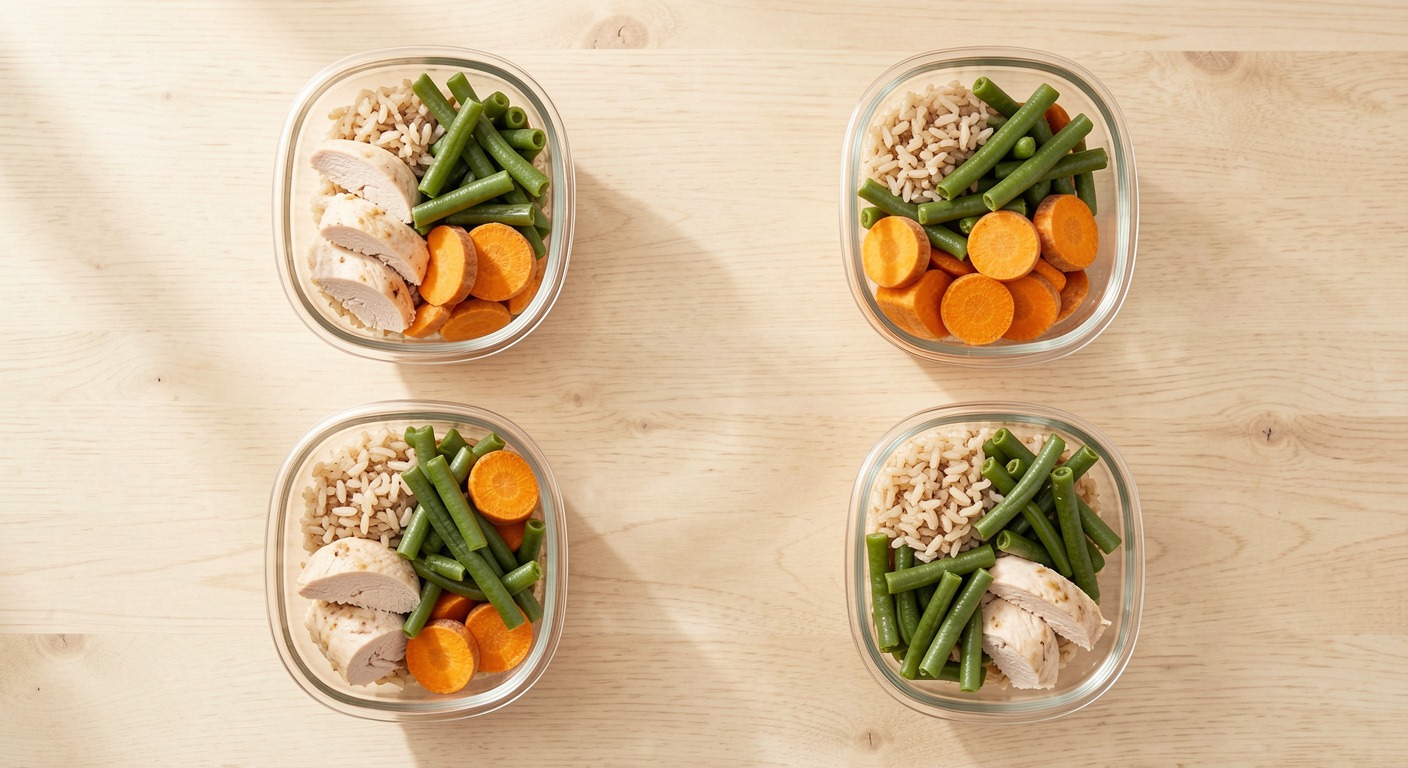
Yes , and you should. Cook a batch, portion into daily servings, and refrigerate up to 3 days or freeze for up to 3 months. Thaw overnight in the fridge. This keeps the routine sustainable and ensures consistency in portions.
🐾 Keep Reading


Cook With Confidence
Learn more about keeping your dog healthy through smart nutrition choices , homemade or store-bought.
Explore Dog Nutrition Guides →