The Weight Management Blueprint for a Longer, Healthier Life
A practical, vet-backed guide to assessing your dog’s weight, understanding the risks, and creating a safe weight loss plan.
Most overweight dogs can reach a healthy weight in 6 to 8 months. The key to successful dog obesity weight management: assess body condition, work with your veterinarian on a diet plan, weigh every portion on a digital kitchen scale, and gradually increase daily exercise. Never start a weight loss program without veterinary guidance.
Start with a Vet Visit
Rule out medical conditions before changing anything. Your vet calculates your dog’s target weight and daily calorie needs for a safe dog weight loss diet.
Weigh Every Meal
Only 16% of owners weigh kibble. Eyeballing portions leads to overfeeding. A digital kitchen scale in grams is your most powerful tool.
Move a Little More
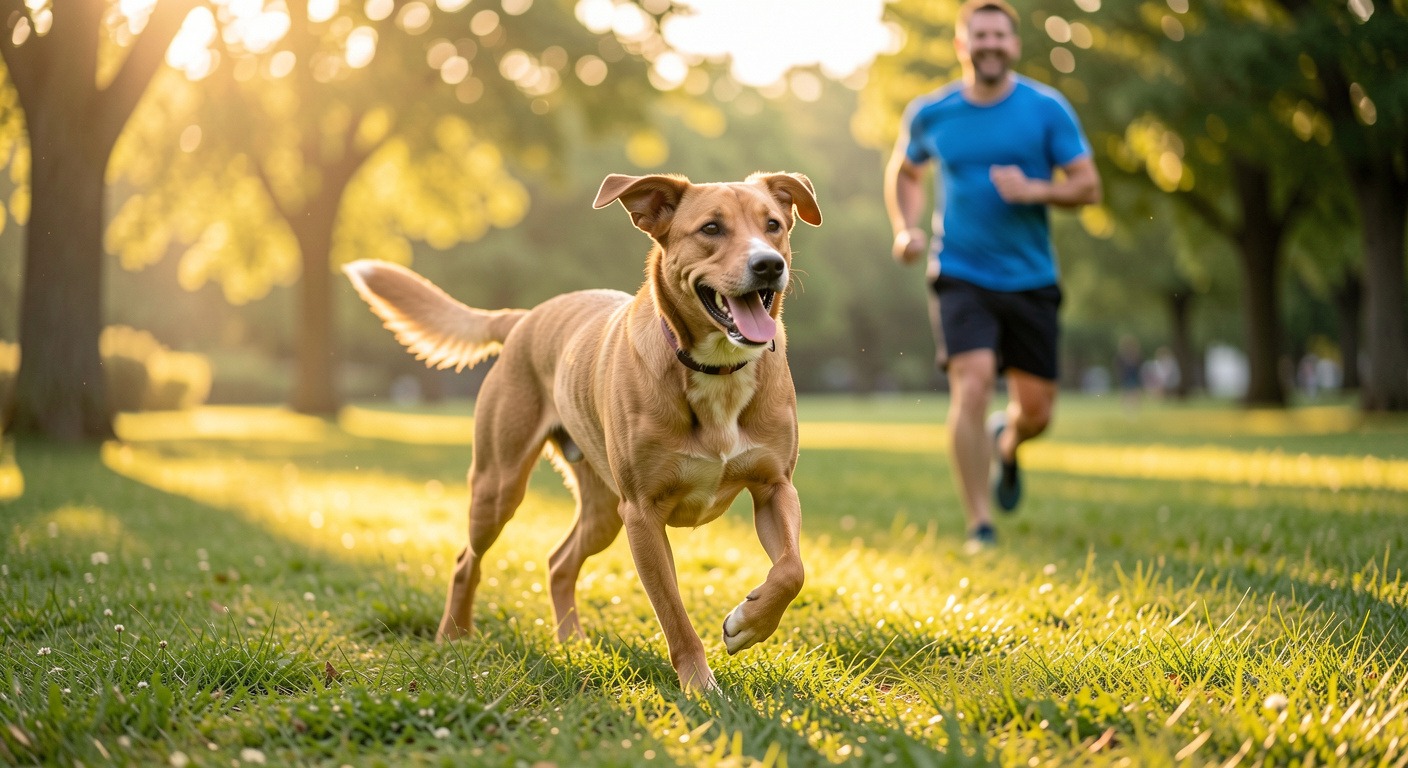
Start with 5 to 10 minute walks and build up gradually. Dog exercise for weight loss in warm weather.
What Is Canine Obesity and How Common Is It?
Canine obesity means a dog carries enough excess body fat to harm their health. On the 9-point Body Condition Score scale, a score of 6 or 7 is overweight and 8 or 9 is obese. A score of 4 or 5 is ideal.
The numbers are sobering. APOP’s 2025 survey found 37% of U.S. dog owners say their dog is above a healthy weight for dogs. The PDSA reports nearly 50% of UK dogs are overweight. Despite 56% of owners attempting weight loss, only 28% successfully reached a healthy weight.
A few extra pounds may not look like much on a 50-pound dog, but it equals 15 to 20 extra pounds on a human. The good news: dog obesity weight management works with small, consistent changes that produce real results.
Overweight Dog Health Risks: What’s at Stake
Carrying extra weight reduces a dog’s lifespan by approximately two years and increases the risk of serious diseases that affect quality of life long before the final years.
Common overweight dog health risks include arthritis, diabetes, cruciate ligament injuries, respiratory disease, high blood pressure, and kidney disease. Certain cancers appear more frequently in overweight dogs. Excess weight raises surgical and anesthesia risks, and chronic inflammation contributes to skin problems and heat intolerance.
Some 95% of veterinary professionals now recognize obesity as a disease. The upside: even modest weight loss of 5 to 10% can reverse or improve many of these conditions.
How to Tell If Your Dog Is Overweight: Body Condition Score Dog
The body condition score dog assessment is the gold standard. The 9-point BCS scale puts 4 to 5 as ideal. A simple three-point check takes seconds at home.
Rib check. Place your hands across the ribcage. You should feel the ribs easily under a thin fat layer, like the back of your hand. Ribs you cannot feel without pressing hard suggest your dog is overweight.
Waist check. Look from above. An hourglass shape behind the ribcage is normal. An oval or rectangular outline suggests excess weight.
Tummy check. View from the side. The abdomen should tuck upward behind the ribcage. A straight or sagging belly indicates extra body fat.
When in doubt, ask your veterinarian. A hands-on BCS assessment removes the guesswork. If your dog scores 6 or above, a weight management conversation is the right next step.

Know Your Breed’s Risk
Dog obesity breeds include Labradors, Golden Retrievers, Pugs, Cocker Spaniels, Cavaliers, Beagles, Dachshunds, Bulldogs, Boxers, Pekingese, and Boston Terriers.
Swap High-Calorie Treats
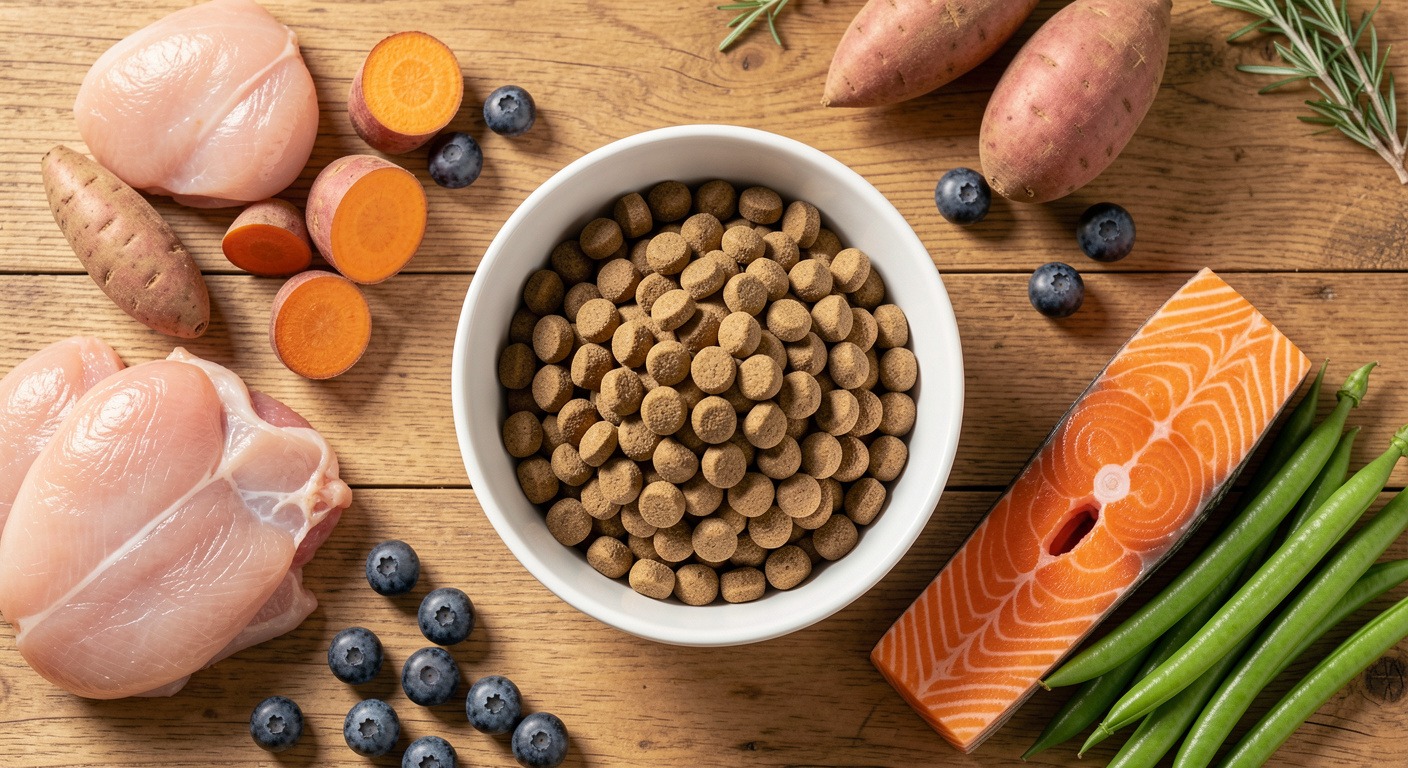
Replace biscuits with baby carrots, green beans, cucumber, or zucchini. Your dog gets the satisfaction for a fraction of the calories.
Track Every Two Weeks
Weigh your dog every 2 to 4 weeks and track the number. Most dogs lose 3 to 5% of body weight per month. Consistency beats perfection.
Common Causes of Weight Gain in Dogs
Overfeeding is the top cause, and imprecise portioning is almost always the reason. Only 16% of dog owners weigh their pet’s food. Measuring cups and scoops can overestimate by 20 to 40%.
Treats are another big contributor. A few biscuits and a spoonful of peanut butter can push treats to 30% of a small dog’s daily calories. Keep treats below 10%.
Medical causes exist too. Hypothyroidism and Cushing’s disease trigger weight gain and need veterinary diagnosis. Neutering slows metabolism, so calorie adjustment after surgery is essential. Some breeds, particularly Labradors, are genetically predisposed to feel hungrier and gain weight more easily than other dogs.
How to Help Dog Lose Weight: A Safe Plan
Your veterinarian is your most important partner. Before any diet changes, your vet rules out medical conditions, calculates target weight, and determines daily calorie needs.
Therapeutic weight loss diets are often the best choice for a dog weight loss diet. Unlike feeding less of a maintenance food, which can cause nutrient deficiencies, therapeutic formulas provide complete nutrition at lower calorie density. Only 22% of owners attempting weight loss use them, despite their effectiveness.
Weigh every meal on a digital kitchen scale in grams. Keep treats under 10% of daily calories and offer low-calorie options like baby carrots, green beans, or cucumber slices. Feed several smaller meals per day. Use food puzzles and slow feeders. In multi-pet homes, feed dogs separately to prevent bowl-stealing.
Dog Exercise for Weight Loss: Where to Start
Increase exercise gradually. A sedentary dog cannot jump into long daily walks without risk of injury. Start with two or three 5 to 10 minute sessions and add a few minutes each week.
Target a minimum of 20 to 30 minutes of daily aerobic activity. Brisk walking at a 12 to 17 minute per mile pace is effective dog exercise for weight loss. This is an exercise walk, not a sniff-and-stroll outing.
Swimming and hydrotherapy are outstanding low-impact options, especially for dogs with arthritis. Brachycephalic breeds like Bulldogs, Pugs, and Boxers need extra caution in warm weather. Exercise during the coolest parts of the day and watch for excessive panting.
Weight Loss Timeline: What to Expect
A safe rate is 1 to 5% of body weight per month, with 3 to 5% being typical. Fast weight loss risks muscle wasting and liver problems.
Most dogs reach their ideal weight within 6 to 8 months. Weigh your dog every 2 to 4 weeks and track the trend. No progress after 90 days? Revisit the plan with your vet.
This is a family effort. Everyone needs to follow the same rules. Frame weight management as an act of love: you are helping your dog live longer, feel better, and enjoy more adventures with you.
| BCS Score | Classification | What You’ll See |
|---|---|---|
| 1-3 | Too Thin | Ribs, spine, and pelvic bones easily visible. No body fat. Severe abdominal tuck. |
| 4-5 | Ideal | Ribs easily felt under thin fat cover, not visible. Visible waist from above. Abdomen tucked up. |
| 6-7 | Overweight | Ribs difficult to feel under moderate fat. Waist barely visible. Abdominal tuck minimal. |
| 8-9 | Obese | Ribs impossible to feel under thick fat. No waist, broad back. Belly distended. Fat deposits on neck, tail base, and limbs. |
This article is for informational purposes only and does not replace professional veterinary advice. Always consult your veterinarian before starting any weight loss program. Sudden diet changes or rapid weight loss can be dangerous. If your dog shows sudden weight gain, inability to lose weight despite consistent effort, excessive thirst or urination, coat changes, lethargy, or constant hunger, these may indicate an underlying medical condition requiring immediate veterinary attention. Never restrict water, attempt starvation diets, or give human weight loss medications without explicit veterinary approval.
Frequently Asked Questions
Q: How do I know if my dog is overweight?
Use the three-point check: feel for ribs under a thin fat layer, look for a visible waist from above, and check for an abdominal tuck from the side. Your veterinarian can confirm with a hands-on body condition score dog assessment.
Q: How fast should my dog lose weight?
A safe rate is 1 to 5% of body weight per month, with 3 to 5% being typical. Faster loss risks muscle wasting and liver problems. Most dogs reach ideal weight in 6 to 8 months.
Q: Can I just feed my dog less of their regular food?
Feeding less of a maintenance food can cause nutrient deficiencies. Veterinary therapeutic weight loss diets provide complete nutrition at lower calorie density. Talk to your vet about the best dog weight loss diet for your dog.
Q: What are the best low-calorie treats for overweight dogs?
Fresh vegetables work great: baby carrots, green beans, cucumber, celery, zucchini, and broccoli in moderation. Keep treats under 10% of daily calories. Avoid anything toxic like onions, garlic, or grapes.
Q: How much exercise does an overweight dog need?
Start with 5 to 10 minute sessions and build gradually to 20 to 30 minutes daily. Brisk walking and swimming are excellent forms of dog exercise for weight loss. Brachycephalic breeds need extra caution in warm weather.
Keep Reading


Ready to Help Your Dog Feel Lighter and Healthier?
Book a vet visit, grab a digital kitchen scale, and start with one small change today. Your dog’s longer, more active life starts now.
Explore All Dog Health Guides →