
What a Dog Really Costs in 2026
The total annual cost of owning a dog in 2026 ranges from $1,390 to $5,295, with a realistic middle ground of about $2,500 per year. Over a 10–12 year lifespan, expect to spend $25,000 to $35,000. Your actual cost depends on your dog’s size, your location, and the choices you make about food, insurance, and care.
First-Year Cost
One-time expenses ($1,000–$2,100) plus annual costs put your first-year total at roughly $3,500–$7,500. The biggest upfront costs: adoption/purchase fee, spay/neuter, initial vet visit, and supplies.
Monthly Budget
Plan on $150–$360/month for a medium-to-large dog. That covers food, pet insurance, flea/tick/heartworm prevention, grooming, and supplies. Small dogs cost less; giant breeds and high-cost areas push the upper end higher.
Biggest Variable
Veterinary care is the hardest expense to predict. A single emergency can cost $2,000–$10,000. Routine care runs $423–$650/year. Pet insurance or an emergency fund is not optional , it’s essential planning.
The Big Picture
According to Rover’s 2025 True Cost of Pet Parenthood report, annual dog care costs range from $1,390 to $5,295. MarketWatch’s 2026 study puts the national average at around $2,524 per year, with a lifetime cost of approximately $28,801 for a Labrador Retriever over an 11-year lifespan.
A giant breed in California costs far more than a small breed in Oklahoma. Your actual number depends on where you live, what kind of dog you get, and the choices you make about food, insurance, and care.
One-Time Costs: What You Spend Before Day One
MarketWatch estimates average upfront costs at $1,038, while the AKC’s survey found closer to $2,100. Here is what those upfront costs typically cover:
- Adoption or purchase fee: $0 to $2,000+
- Spay/neuter: $150 to $300
- Initial vaccines and vet exam: $150 to $400
- Crate, bed, bowls, leash, collar: $150 to $500
- Toys, treats, basic supplies: $100 to $300
Adoption fees from shelters and rescues are typically the most affordable option ($50 to $500) and often include spay/neuter and first vaccines.
Annual Food Costs
Food is your most consistent expense. The AKC reports average annual food spending at $446, while Rover’s 2025 data shows a range of $655 to $1,905 for adult dogs.

What drives the difference? Dog size is the biggest factor. Fresh, human-grade, or prescription diets can push costs past $2,000 per year. Treats add another $50 to $730 annually.
Veterinary Care: The Biggest Variable
Routine vet care averages $423 to $650 per year. Flea and tick prevention runs $120 to $420 per year. Heartworm prevention adds $70 to $200. Dental cleaning costs $300 to $800 every 1 to 2 years.

A sobering statistic from the ASPCA’s 2026 survey: 6 in 10 pet owners are not confident they could afford a pet medical emergency.
Pet Insurance: Is It Worth It?
For many owners, yes. A plan with $5,000 annual coverage, a $250 deductible, and 80% reimbursement runs about $46 per month for dogs. Unlimited coverage bumps that to around $66 per month. A single emergency can cost $2,000 to $10,000. Insurance turns that into a manageable $400 to $2,000 out-of-pocket expense.
Grooming, Boarding, and Everyday Supplies
These expenses add up: grooming ($190 to $645/year), boarding ($223 to $681/year), toys ($20 to $100/year), and training classes ($115 to $290/year).
How Location Affects Cost
California is the most expensive state for dog ownership at $35,452 lifetime, compared to Oklahoma at $24,855. Veterinary costs, boarding rates, and pet food prices all vary by region.
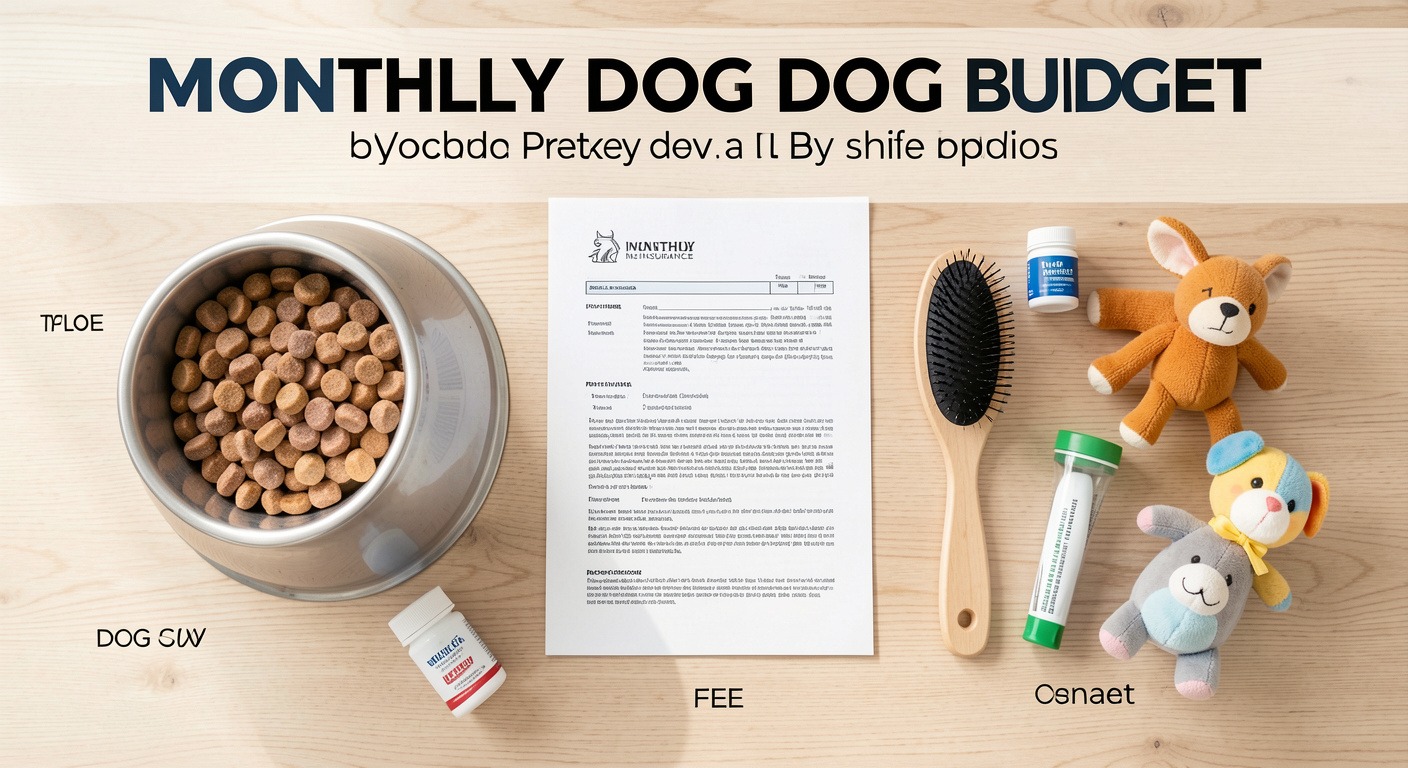
Monthly Budget Breakdown
For a medium-to-large dog:
- Food and treats: $60 to $160
- Pet insurance: $46 to $66
- Flea/tick/heartworm: $15 to $50
- Grooming (averaged): $15 to $55
- Toys and supplies: $15 to $30
Total monthly: $150 to $360.
Saving Strategies
- Get pet insurance early, before pre-existing conditions develop
- Build an emergency fund of $1,500 to $3,000 for vet emergencies
- Use subscription services for auto-ship discounts
- Learn basic grooming at home
- Adopt, don’t shop

The Bottom Line
A dog will cost you somewhere between $1,400 and $5,300 per year, with the realistic middle ground around $2,500. Over a 10 to 12 year lifespan, that is $25,000 to $35,000. The cost is real, and you should plan for it. But ask any dog owner if it is worth it. You already know the answer.
Get pet insurance early , before pre-existing conditions develop , and build an emergency fund of at least $1,500–$3,000. Even a $20/month automatic savings transfer gives you a cushion against the unexpected. The question isn’t whether your dog will have a medical emergency , it’s when. Planning ahead turns a crisis into an inconvenience.
Frequently Asked Questions
Q: What is the cheapest way to get a dog?
Adopting from a shelter or rescue is the most affordable route , fees typically range from $50 to $500 and often include spay/neuter, first vaccines, and a microchip. Adoption also means you’re giving a dog a second chance. Breed-specific rescues are another great lower-cost option if you have a particular breed in mind.
Q: Is pet insurance really worth the monthly cost?
For most owners, yes. At roughly $46–$66/month, a good plan can save you thousands if your dog needs emergency surgery, cancer treatment, or ongoing management for a chronic condition. If you’d struggle to pay a surprise $5,000 vet bill out of pocket, insurance is worth it. If you have a robust emergency fund, you may prefer to self-insure.
Q: How can I save money on dog food without compromising quality?
Buy in bulk when on sale, use auto-ship subscriptions (most retailers offer 5–10% off), and consider high-quality kibble brands that meet AAFCO standards , they’re nutritionally complete at a fraction of the cost of fresh or raw diets. Avoid boutique brands with trendy marketing and no veterinary nutritionist on staff. Your vet can recommend affordable, science-backed options.
Q: Do small dogs really cost less than large dogs?
Yes , often significantly. Small dogs eat less food (lower food bills), need lower doses of preventatives (flea/tick/heartworm), and their supplies (beds, crates, toys) are generally cheaper. Grooming costs can be similar or even higher for small breeds with demanding coats, but overall, a Chihuahua costs substantially less per year than a Great Dane.
Q: What is the one expense most new owners forget to budget for?
Emergency veterinary care. Six in ten pet owners aren’t confident they could afford a medical emergency, yet emergencies happen , dogs eat things they shouldn’t, tear ligaments, and develop sudden illnesses. Whether through insurance or a dedicated savings account, having at least $2,000–$3,000 accessible for your dog is the single most important financial preparation you can make.
Keep Reading



Plan Smart, Love Hard
A dog is a financial commitment , but it’s also one of the most rewarding relationships you’ll ever have. The numbers matter, but they’re the price of a decade of unconditional love. Start with a plan, budget for the expected and the unexpected, and you’ll enjoy every minute without money worries getting in the way.
Explore All New Dog Owner Guides →