
What to Expect, Day by Day
Your rescue dog’s first week is about decompression, not training. Give them a quiet safe space, stick to a boring predictable routine, and don’t introduce visitors, dog parks, or big outings. Focus on the 3-3-3 rule: 3 days to decompress, 3 weeks to settle, 3 months to feel at home. If they hide, let them. If they don’t eat much at first, that’s normal. Patience is your most powerful tool.
Create a Safe Zone
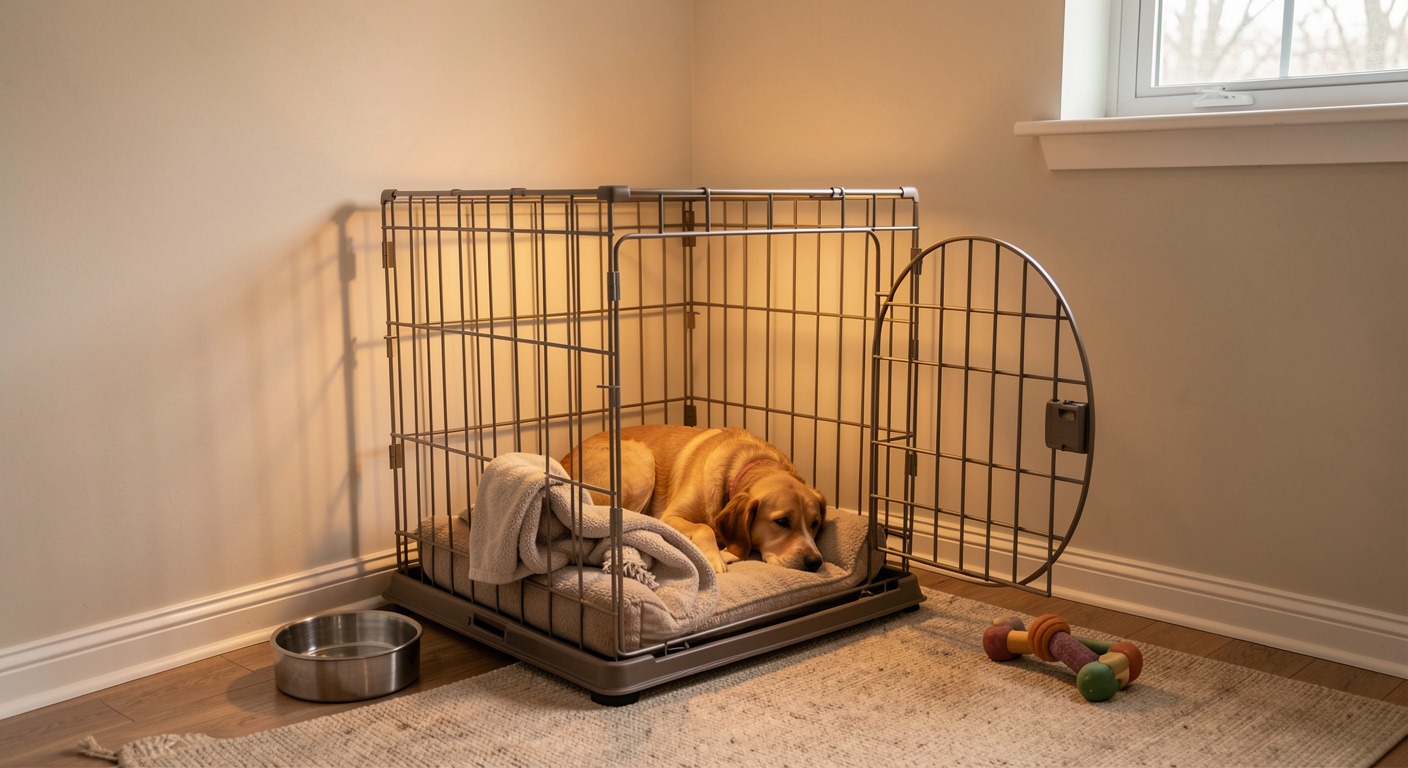
Set up a covered crate or quiet corner with a bed, water, and a chew toy. This is their retreat , never force them into it, and never use it as punishment.
Stick to a Boring Routine
Same wake-up, meals, potty breaks, and bedtime every day. Predictability is the fastest way to build trust with a dog who’s just had their world turned upside down.
Less Is More
No visitors. No dog parks. No pet store trips. No big introductions. The best gift you can give a rescue dog in their first week is space, quiet, and time.
- The 3-3-3 rule: 3 days to decompress, 3 weeks to settle, 3 months to feel at home
- No visitors, dog parks, or big outings during the first week , quiet and routine build trust
- Assume your rescue dog is not house-trained , start potty breaks every 2-3 hours
- Use enrichment (snuffle mats, frozen Kongs) instead of overwhelming physical exercise
- Affection should always be a choice , use the 2-second consent test before petting
Why the First Week Matters More Than You Think
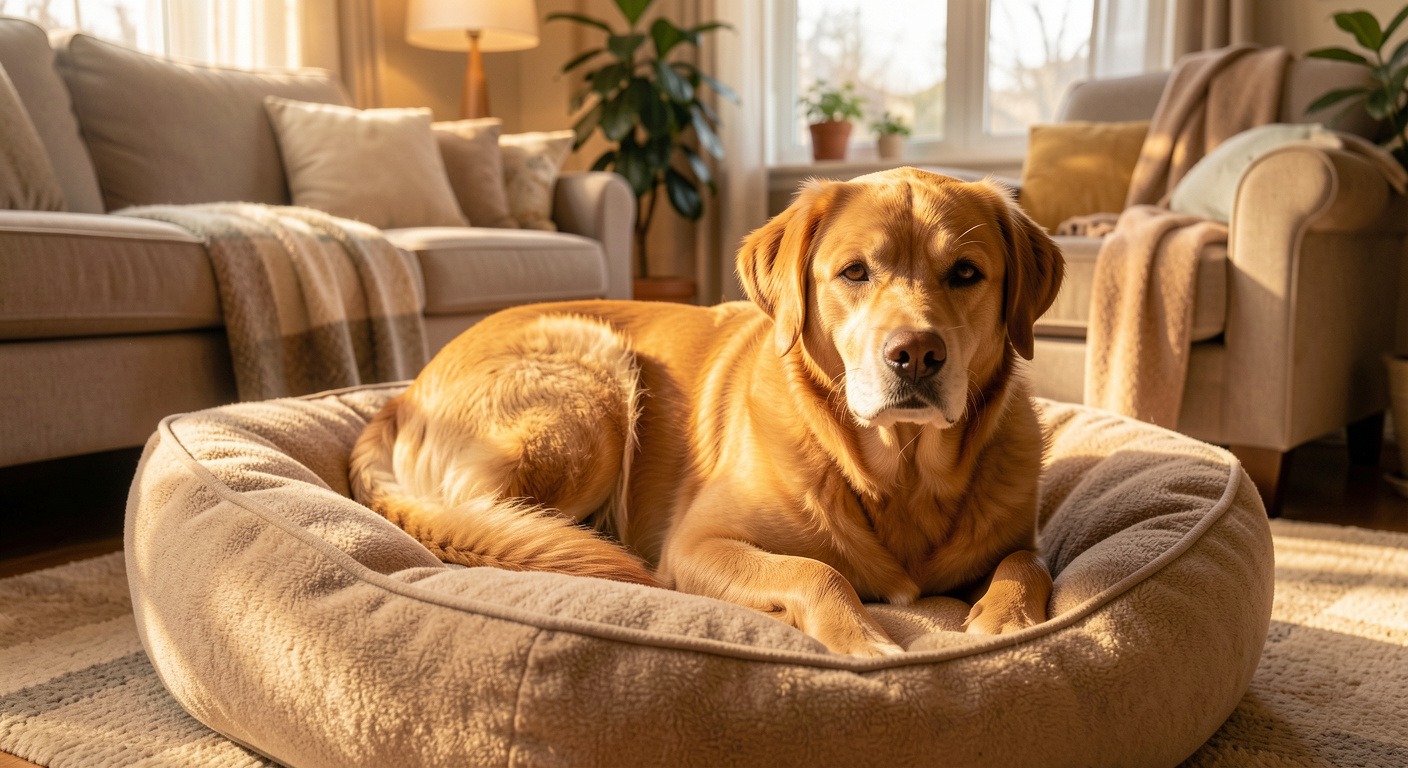
Your rescue dog has just been through a major upheaval. They may have been surrendered, found as a stray, or spent weeks in a noisy, stressful shelter. Now they’re in a completely unfamiliar environment with strangers who smell, sound, and move differently from anyone they’ve known.
In the rescue world, this adjustment period is often called the 3-3-3 rule: three days to stop feeling overwhelmed, three weeks to start settling in, and three months to feel fully at home. The first week sits squarely in that initial decompression phase, and your job is not to rush it.
Key principle: Less is more. RSPCA South Australia puts it simply: “The best gift you can give them right now is time, space, and patience.”
Day 1: The Arrival
When you walk through the door with your new dog, resist the urge to give them a full house tour. Instead:
Take them straight to their potty spot. Even adult dogs may not be house-trained in a new environment. Start the routine immediately , take them to the same outdoor spot, let them sniff, and celebrate quietly if they go.
Show them their safe space. Set up a chill zone before they arrive. This can be a covered crate with the door left open, a cozy bed in a quiet corner, or a blanket under a table. The important thing is that it is theirs , a place they can retreat to when the world feels like too much. Never force them into it.
Let them explore at their own pace. Some dogs will want to smell every corner. Others will hide behind the couch for hours. Both reactions are normal. Do not hover. Do not chase. Just be present and calm.
The First Few Days: Decompression Is Everything
Skip the Social Stuff
It’s tempting to invite friends over or take your new dog to the park to show them off. Don’t. Your dog does not need 15 new human friends right now , they need to learn that your home is safe. Large gatherings, dog parks, beaches, and constant visitors are overwhelming. Save them for week three or four.
Watch Their Body Language
Your dog will tell you how they’re feeling , if you know what to look for. Signs a dog is stressed or overwhelmed include:
- Heavy panting (when not hot or exercised)
- Tucked tail
- Lip licking
- Yawning (when not tired)
- Refusing treats or food
- Pacing or seeming shut down
- Ears pinned back
- Growling or retreating
If you see these signals, stop whatever is happening. Give them space. Try again later.
The Consent Test
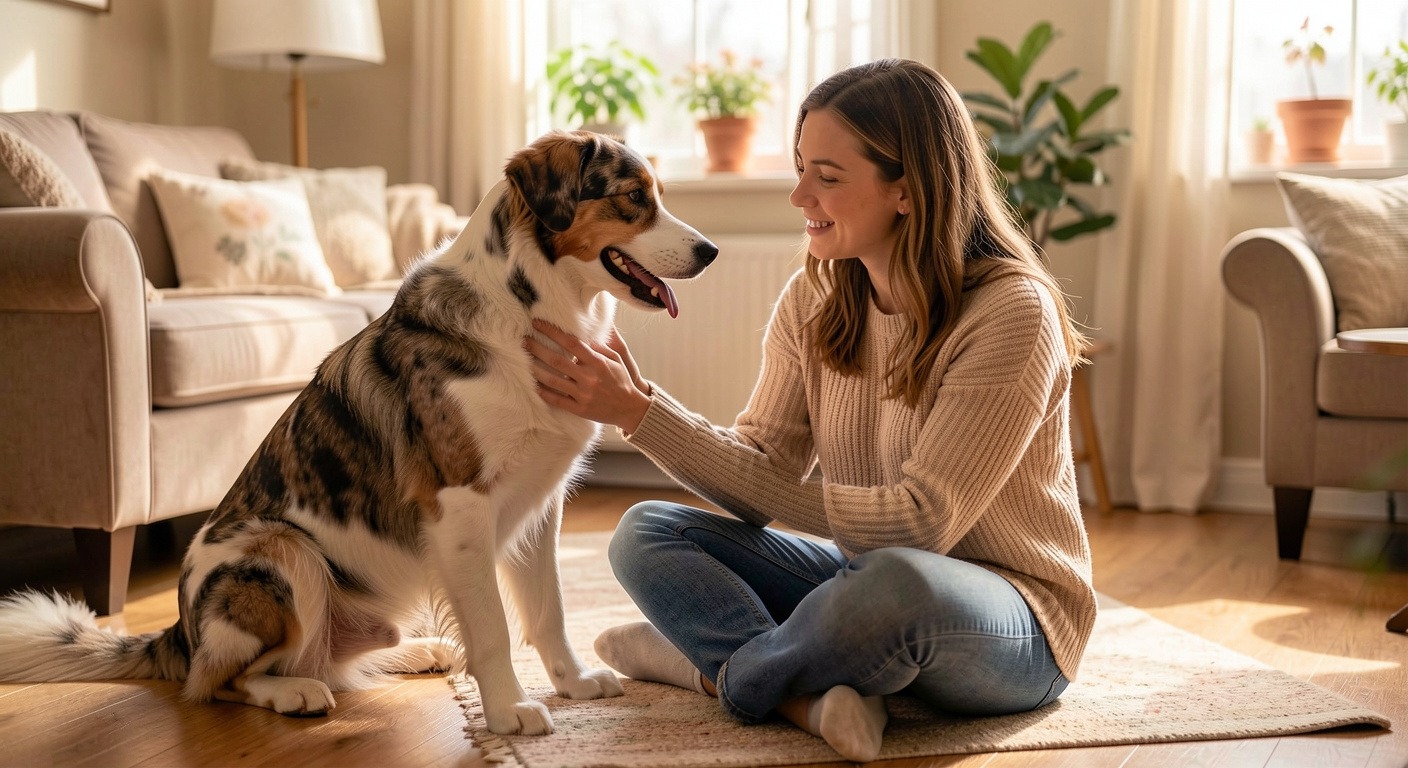
Not every dog wants physical affection right away , and that’s okay. Gently pat their chest or shoulder for 2, 3 seconds. Stop and remove your hand. If they lean in or nudge your hand, continue. If they turn away or show no reaction, give them space. Affection should always be a choice, not a demand.
Toilet Training: Start from Scratch
Even if the shelter said your dog is house-trained, assume they don’t know the rules of your house. A new environment resets everything. Take them out regularly: after meals, after naps, after play sessions, and at least every 2, 3 hours during the day. When they go outside, celebrate , treats, quiet praise, a gentle pat. When accidents happen inside (and they will), don’t punish. Just clean it up and adjust the schedule.
Enrichment: The Secret to a Calm Dog
A tired dog is not necessarily a calm dog. A mentally stimulated dog is a calm dog. Rescue dogs often arrive with pent-up energy and anxiety, and physical exercise alone won’t fix it.
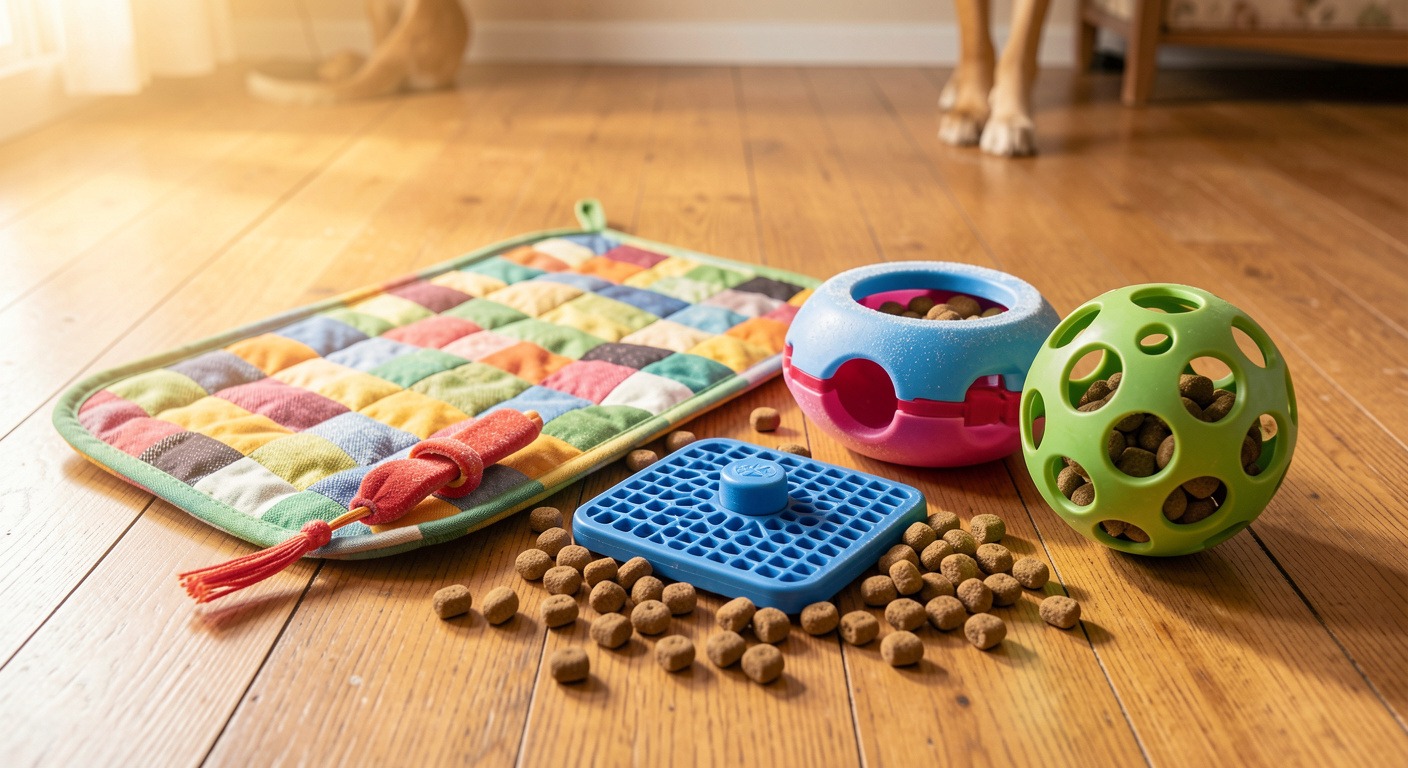
Provide outlets for natural behaviors: sniffing, chewing, licking, shredding. Tools that help:
- Snuffle mats , hide kibble in the folds for scent work
- Lickimats , spread peanut butter or wet food for calming licking
- Treat-dispensing puzzles , mental challenge plus reward
- Frozen Kongs , stuff with food, freeze overnight, and give during quiet time
If You Have Other Pets
Don’t expect instant friendship. Give all animals space to adjust. Keep the new dog separated by a baby gate initially so they can see and smell each other without direct contact. Supervise all early interactions. Some dogs bond within days; others need weeks. Both timelines are normal.
Reinforce What You Want to See
Catch your dog being good. When they lie down quietly, drop a treat. When they sit calmly while you cook, offer a reward. The more you reinforce calm, desirable behavior, the more your dog will repeat it.
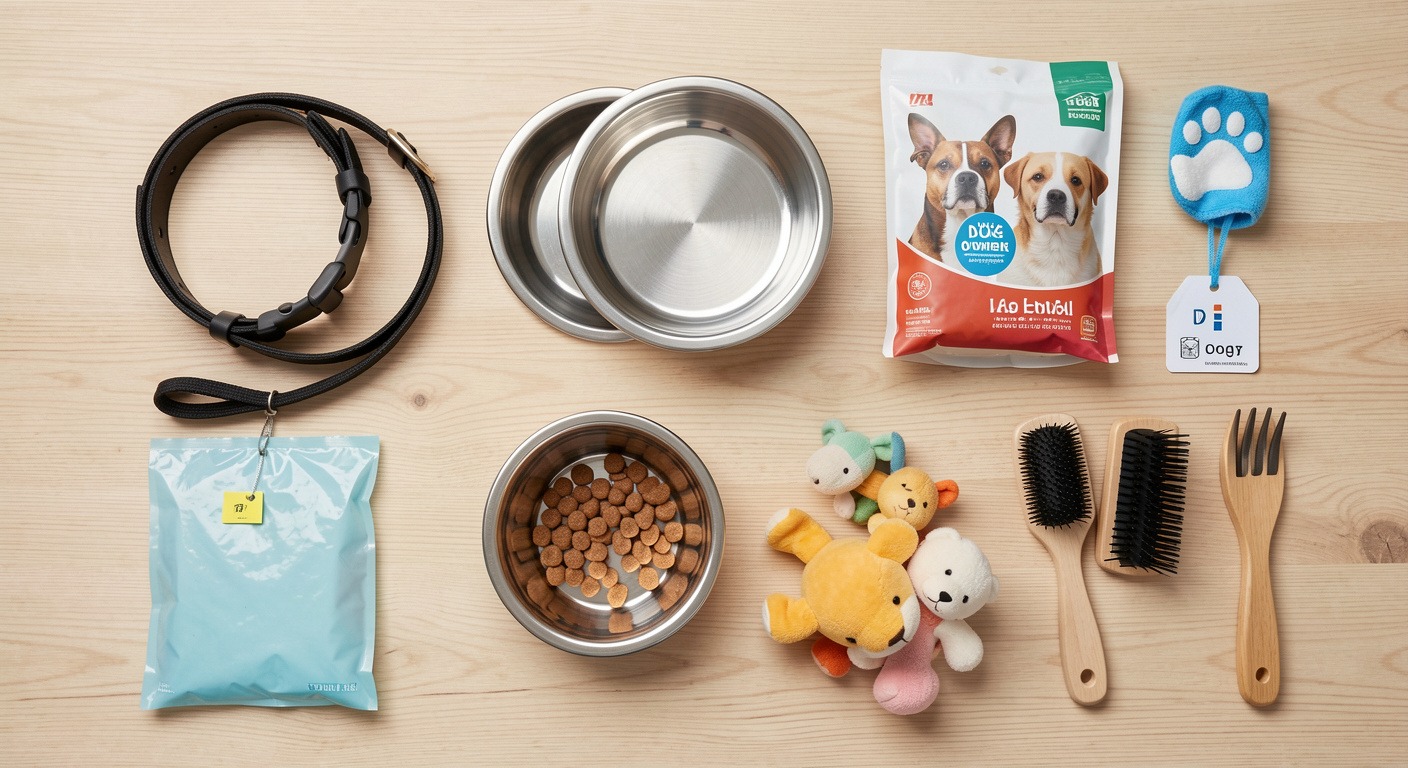
Week One Shopping Checklist
Before your rescue dog arrives, have these ready:
- Comfortable bed or crate (door left open)
- High-quality food (ask the shelter what they were eating)
- Food and water bowls (stainless steel is easiest to clean)
- Collar with ID tag and a secure leash
- Enzymatic cleaner for accidents
- Chew toys, puzzle toys, and a snuffle mat
- Baby gate for separation if needed
Puptify provides general education, not medical advice. If your rescue dog shows severe anxiety (constant pacing, not eating for more than 24 hours, destructive panic when left alone), contact a certified dog trainer or veterinary behaviorist. Some dogs need professional support during the transition , and asking for help is the most responsible thing you can do.
Frequently Asked Questions
Q: My rescue dog won’t eat. Should I be worried?
Stress suppresses appetite , it’s common in the first 2, 3 days. Offer small amounts of their regular food at scheduled times. If they haven’t eaten anything in 48 hours, or show other symptoms (vomiting, diarrhea, lethargy), call your vet.
Q: How long until my rescue dog trusts me?
Trust follows the 3-3-3 rule loosely: 3 days to stop panicking, 3 weeks to start settling, 3 months to feel at home. But every dog is different , some take 6+ months. Consistency, patience, and never breaking their trust once it’s earned is the formula.
Q: Should I crate my rescue dog on the first night?
Yes , with the crate door open and positioned in your bedroom if possible. Having you nearby provides security. Make the crate inviting with blankets and treats. If they cry, resist the urge to let them out immediately; wait for a moment of quiet first, so you reinforce calm, not crying.
Q: Can I walk my rescue dog on day one?
Short, quiet walks are fine , but keep them close to home and avoid busy areas. Use a secure harness (many rescue dogs can slip collars when spooked). Let them sniff freely; sniffing is how dogs decompress. If they seem overwhelmed, cut the walk short.
Q: What if my rescue dog has accidents in the house?
Expect them. Even previously house-trained dogs often regress in a new environment. Don’t punish , clean with an enzymatic cleaner, increase potty break frequency, and reward heavily when they go outside. Punishment only teaches your dog to fear you.
Keep Reading
Your Rescue Dog’s Journey Starts Here
The quiet patience you give in these first days builds the foundation for a lifetime of trust. Be kind to your dog , and be kind to yourself. You’re both learning.
Explore All New Owner Guides →