
Friendly Energy in a Family-Sized Package
A Labrador Retriever is usually a great fit for active families, new dog owners who are ready to train, and homes that can offer daily exercise. Labs are friendly, social, food motivated, and eager to learn, but they shed, chew as puppies, gain weight easily, and need more activity than a short walk. They are best for people who want a close companion and can give structure, supervision, and steady care.
Labs do well with families, singles, and couples who can give them time, exercise, and company.
Most adult Labs need 60 to 90 minutes of exercise plus mental enrichment to stay calm indoors.
Labs often love food, so measured meals, limited treats, and a healthy body shape matter.
Breed Snapshot
| Category | Labrador Retriever Details |
|---|---|
| Breed Group | Sporting group |
| Height | About 21.5 to 24.5 inches at the shoulder |
| Weight | About 55 to 80 pounds, depending on sex, build, and condition |
| Lifespan | Usually 11 to 13 years |
| Coat Type | Short, dense, water-resistant double coat |
| Shedding | Moderate to heavy, with seasonal coat blow periods |
| Exercise Needs | High. Most adults need daily aerobic exercise and play |
| Temperament | Friendly, outgoing, eager, playful, and people focused |
| Best Home Fit | Active homes that want a social dog and can manage training, shedding, and weight |
What Is a Labrador Retriever Like?
Labrador Retrievers are sturdy, cheerful sporting dogs that usually want to be part of family life. Most Labs enjoy people, games, food, water, and daily routines. A happy Lab may follow you from room to room, carry toys around the house, and greet visitors with big enthusiasm.
That friendly nature is a big reason Labs are popular, but young Labs are often bouncy, mouthy, and strong. They may jump, steal socks, chew furniture, or counter surf if they are bored or undertrained. Exercise, reward-based training, and clear routines help turn that energy into a steady family companion.
Labs are not the right fit if you want a low-shedding, low-energy dog that spends most of the day alone. They are better for people who enjoy walks, fetch, training games, and a dog that wants to be involved.
Is a Labrador Retriever Good for First-Time Dog Owners?
Yes, a Labrador Retriever can be a good first dog if the owner is ready for exercise, training, and consistent boundaries. Labs are usually forgiving, food motivated, and eager to learn, which makes training easier than with many independent breeds. They also tend to be social and adaptable when raised with good experiences.
The challenge is their energy and strength. A first-time owner should expect chewing, leash pulling, excited greetings, muddy paws, and shedding. Puppy classes, crate training, gates, and daily practice help a lot.
If you want an easy first dog with very little exercise, a Lab may feel like too much. If you want an active companion and are willing to learn, a Lab can be a wonderful beginner-friendly breed.
Temperament and Personality
Most Labrador Retrievers are outgoing, affectionate, and playful. They were developed to work closely with people, so many Labs enjoy training and cooperation. Each dog is still an individual shaped by genetics, socialization, health, and routine.
With Family
Labs usually bond closely with their household. They like walks, yard play, car rides, and relaxed evenings near their people. They are not ideal for a home where everyone is gone all day with little exercise or companionship.
With Children
Labradors are often excellent family dogs, but no breed is automatically safe with children. Supervision is always important, especially with toddlers and young Labs. Teach children to respect the dog, avoid climbing on them, and give them space when eating or resting.
With Other Dogs
Many Labs enjoy other dogs and do well in multi-dog homes when introductions are slow and positive. Their enthusiasm can be a lot for shy or senior dogs, so polite greetings and breaks matter.
With Strangers
Labs are often friendly with visitors and strangers. Some are so social that they need practice sitting, waiting, and earning attention with four paws on the floor.
Exercise Needs
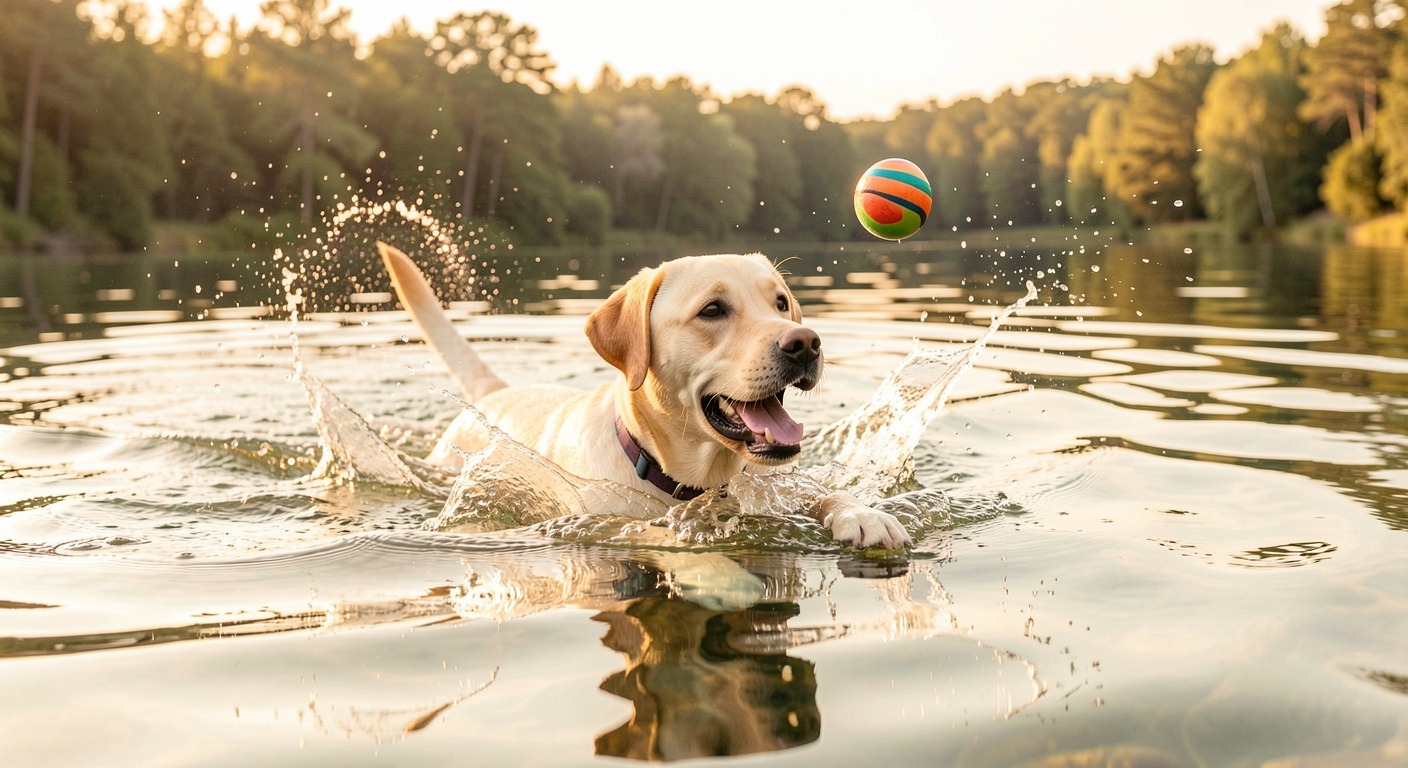
A Labrador Retriever needs real exercise, not just quick bathroom walks. Most healthy adult Labs do best with 60 to 90 minutes of daily activity through walks, fetch, swimming, hiking, training, or safe play in a fenced area. Puppies need shorter sessions, but they still need frequent play and social learning.
Retrieving games are a natural fit. Fetch, scent games, dock diving, field training, and swimming can help burn energy. Mental work matters too. Training, food puzzles, and hide-and-seek can tire a Lab in a different way than walking.
A bored Lab may chew, bark, dig, steal food, or pester people for attention. If your Lab is getting into everything, the answer is often a mix of more exercise, better management, and clearer training, not punishment.
Training Needs
Labradors are usually very trainable because they like food, praise, toys, and human attention. Start with reward-based basics: name response, sit, stay, come, leave it, drop it, loose-leash walking, and calm greetings. Keep sessions short and upbeat.
Impulse control should be a priority. Practice waiting at doors, settling on a mat, releasing toys, and walking past distractions. Use treats and toys to reward the behavior you want.
Avoid dominance-style training. Labs respond best to clear routines, consistency, management, and positive reinforcement. If your Lab is guarding food, showing fear, lunging, or biting, work with a qualified reward-based trainer or veterinary behavior professional.
Grooming and Shedding
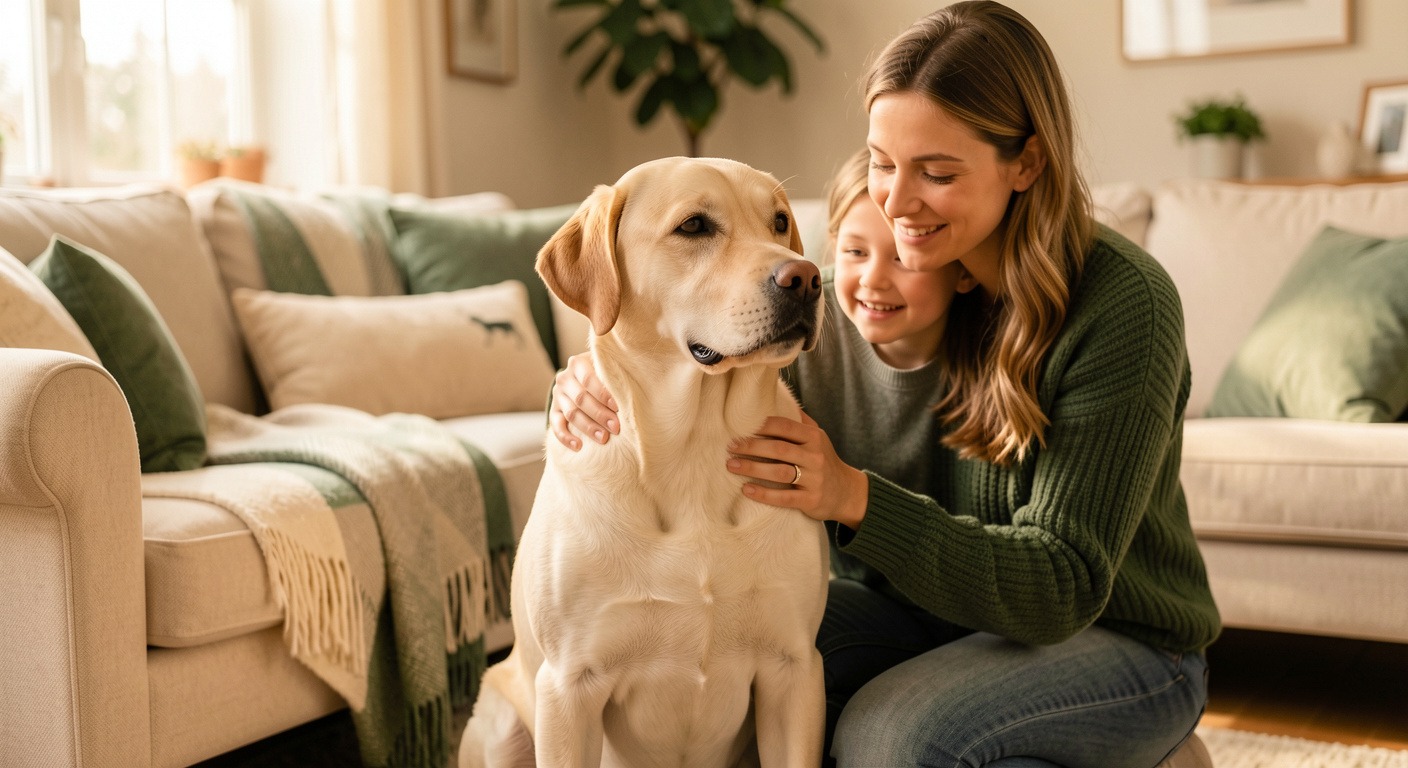
Labradors have a short double coat, but short does not mean low shedding. Expect hair on clothes, floors, couches, and car seats. Weekly brushing helps most of the year, and daily brushing may help during seasonal shedding.
Bathing every 4 to 8 weeks is enough for many Labs, unless they swim, roll in something, or have a skin issue. Rinse and dry the ears after swimming, trim nails regularly, and ask your vet about ear or skin changes.
Common Health Concerns
Like all breeds, Labrador Retrievers can develop health problems. A good breeder should screen breeding dogs for joint, eye, and inherited conditions. Good care also matters. Keeping a Lab lean helps support joint health and long-term comfort.
| Concern | What to Know | Helpful Prevention or Screening |
|---|---|---|
| Hip and elbow dysplasia | Joint issues can lead to pain or arthritis. | Ask about OFA or PennHIP screening and avoid excess weight. |
| Obesity | Many Labs gain weight easily. | Measure meals, limit treats, and track body condition. |
| Ear infections | Floppy ears and swimming can trap moisture. | Dry ears after water play and ask your vet about cleaning. |
| Eye conditions | Some Labs can inherit eye disease. | Responsible breeders use eye exams and genetic testing. |
| Exercise-induced collapse | Some Labs can weaken or collapse after intense activity. | Ask breeders about DNA testing and stop exercise if symptoms appear. |
| Bloat risk | Deep-chested dogs can face stomach emergencies. | Know warning signs and ask your vet about individual risk. |
Puptify provides general education, not diagnosis. For pain, sudden behavior changes, breathing trouble, vomiting, collapse, or serious symptoms, contact a veterinarian.
Feeding and Nutrition
Feed a Labrador based on life stage, body condition, activity level, and your veterinarian’s guidance. Puppies usually need a complete puppy food suitable for their expected adult size. Adult Labs need measured meals, not free feeding.
Use the food label as a starting point, then adjust based on your Lab’s body shape. You should feel ribs with light pressure and see a waist from above. Keep treats limited, especially during training.
Fresh water should always be available. If your Lab eats too fast, a slow feeder or puzzle feeder can help. If your Lab has allergies, recurring diarrhea, vomiting, or unexplained weight changes, ask your vet before switching foods repeatedly.
Best Home Environment
Good fit for
- Active families, couples, or singles who enjoy daily walks and play.
- Homes that want a social dog involved in normal life.
- Owners who can provide training, chew outlets, and food management.
- People who are comfortable with shedding, mud, water, and a big happy tail.
- Homes with respectful children, supervised dog-child interactions, and clear rules.
Not ideal for
- People who want a very low-energy or low-shedding breed.
- Homes where the dog will be alone most of the day with little exercise.
- Owners who cannot manage a strong, excited adolescent dog.
- Anyone who wants a guard dog with natural suspicion of strangers.
- Homes that cannot keep food, trash, and small chewable items safely managed.
Cost of Owning a Labrador Retriever
Costs vary by location, health, and lifestyle. Labs are not usually expensive to groom, but food, training, supplies, and veterinary care can add up.
| Cost Area | What to Budget For |
|---|---|
| Food | Moderate to high because adult Labs eat more than small breeds. |
| Grooming | Brushes, nail trims, ear care, baths, and deshedding tools. |
| Vet care | Exams, vaccines, preventives, dental care, and possible joint or ear care. |
| Toys/supplies | Durable chew toys, fetch toys, beds, crates, leashes, bowls, and cleaners. |
| Training | Puppy class, manners, leash help, or private support if needed. |
Pros and Cons
| Pros | Cons |
|---|---|
| Friendly, affectionate, and usually people focused. | High energy, especially during puppy and adolescent stages. |
| Often good for first-time owners who are willing to train. | Heavy shedding for a short-coated dog. |
| Food motivation can make training easier. | Can gain weight easily without measured meals. |
| Usually enjoys family life, fetch, swimming, and outdoor fun. | Can chew, jump, counter surf, or pull if undertrained. |
| Versatile breed for sport, service work, therapy, and companionship. | Needs consistent exercise and companionship, not long isolation. |
Should You Get a Labrador Retriever?
You should consider a Labrador Retriever if you want a friendly, trainable, active dog and you can commit to daily exercise, steady training, grooming, and weight control. A Lab is often happiest in a home where people enjoy doing things with the dog, not just owning a dog in the background.
A Lab may not be right if you need a calm, low-maintenance companion from day one. Puppies and teenagers can be a handful. If you choose a Lab, plan for classes, chew-safe management, walks, play, and regular vet care. If that sounds realistic, the payoff can be a joyful, loyal dog that brings a lot of warmth to everyday life.
Frequently Asked Questions
Q: Are Labrador Retrievers good family pets?
Yes, many Labs are wonderful family pets for active homes. They are usually affectionate, playful, and social. They still need training, supervision, exercise, and safe routines.
Q: Are Labrador Retrievers good with kids?
Often yes, but supervision is always required. Labs can be gentle and tolerant, yet young Labs can be bouncy and strong. Teach children how to interact kindly and give the dog space.
Q: Do Labrador Retrievers bark a lot?
Labs are not usually known as constant barkers, but they may bark from excitement, boredom, alerting, or lack of exercise. Training and enrichment usually help.
Q: Can a Labrador Retriever live in an apartment?
Some Labs can live in apartments if they get enough outdoor exercise and training. The challenge is their size, energy, shedding, and excitement, not the apartment itself.
Q: Are Labrador Retrievers easy to train?
They are usually easier than many breeds because they are eager, food motivated, and people focused. They still need consistency, impulse control practice, and patience.
Q: Do Labrador Retrievers shed?
Yes. Labs shed year-round and more heavily during seasonal coat changes. Regular brushing helps, but it will not remove shedding completely.
Q: How much exercise does a Labrador Retriever need?
Most healthy adult Labs need about 60 to 90 minutes of activity each day. Walks, swimming, fetch, training games, and scent work can all help.
Q: Are Labrador Retrievers good for beginners?
They can be. Beginners do best when they use puppy classes, reward-based training, measured meals, and a realistic exercise routine from the start.
Helpful Puptify Guides
Use these guides to build a simple care plan for a Labrador Retriever:
- New Dog Owner Guide
- Dog Nutrition Complete Guide
- Dog Training Complete Guide
- Best Dog Beds for Every Breed
- Dog Gear Products Complete Guide
- Dog Health Complete Guide
Keep Reading: More Breed Guides

Still Comparing Dog Breeds?
The right breed should match your schedule, energy, home, and comfort with training. Compare more practical breed guides before you commit.
Explore More Breed Guides →