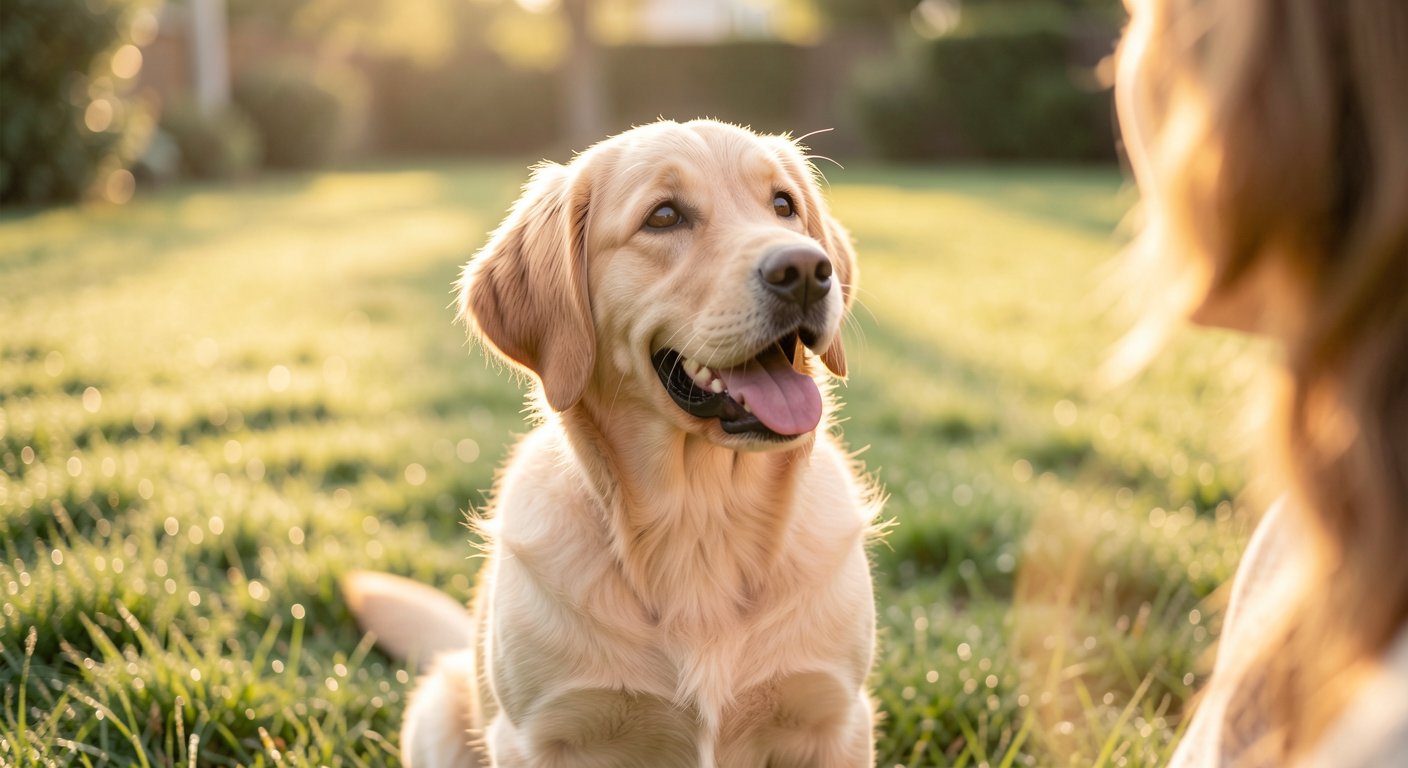
The Step-by-Step Blueprint for Potty Training Success
Everything you need to create a reliable puppy potty training routine, from age-based schedules to troubleshooting accidents. No guesswork, no punishment, just a plan that works.
Potty training success comes from consistency, supervision, positive reinforcement, and understanding your dog’s physical limits. Most puppies are reliably trained by 6 months, but every dog is different. The golden rule: your puppy can hold their bladder roughly 1 hour per month of age, so a 2-month-old needs bathroom breaks every 2-3 hours.
Your puppy’s bladder capacity grows with age. Use our age-based frequency guide to plan potty breaks.
A properly sized crate taps into your dog’s natural den instinct, making house training faster and more reliable.
From giving too much freedom too soon to using the wrong cleaner, these pitfalls slow down progress.
Persistent accidents may signal a medical issue, not a training failure. Know when to seek help.
Your Puppy Potty Training Schedule by Age
The UC Davis School of Veterinary Medicine provides the most reliable puppy potty training timeline, grounded in actual bladder capacity. A 2-month-old puppy cannot physically hold it all day, and expecting them to sets everyone up for frustration.
The bladder capacity rule is simple: 1 hour per month of age, plus 1. A 2-month-old puppy holds it for about 3 hours max. An 8-month-old, roughly 9 hours.
This is a physiological limit, not a training failure. Respect it, and your dog potty training schedule will go much more smoothly.
Here is your dog potty training schedule by age:
| Puppy Age | Potty Trips Per Day | Max Crate Time |
|---|---|---|
| 6-14 weeks | 8-10 trips | 2-3 hours |
| 14-20 weeks | 6-8 trips | 3-5 hours |
| 20-30 weeks | 4-6 trips | 5-7 hours |
| 30+ weeks | 3-4 trips | 7-9 hours |
Always take your puppy out after waking up, eating (within 5-30 minutes), drinking water, playing, and last thing before bed. Carry puppies under 16 weeks outside after they wake up, since their bladder control upon waking is nearly zero.
Crate Training for Potty Training Success
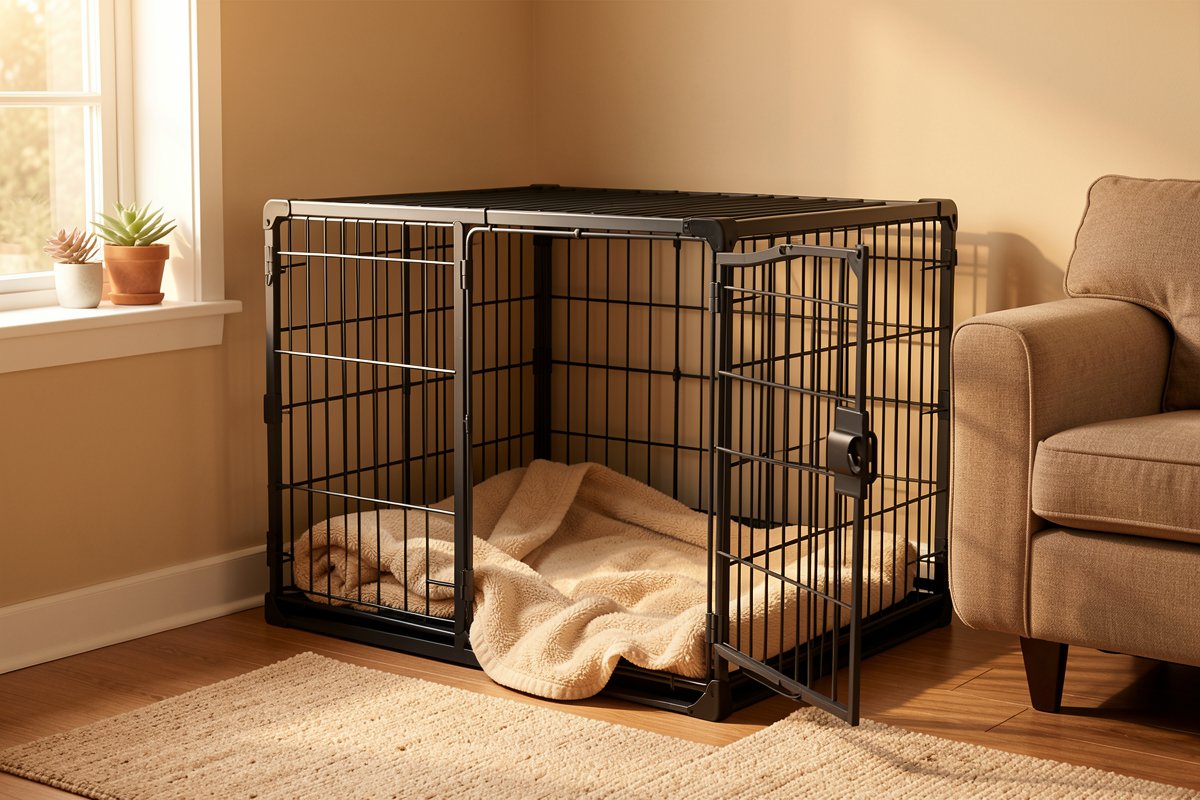
Crate training for potty training works because dogs have a natural den-soiling aversion. A properly sized crate, just large enough to stand up, turn around, and lie down, activates this instinct and becomes your most powerful house training tool.
If the crate is too large, your puppy will use one corner as a bathroom and sleep in the other. Use a divider panel to adjust the space as your puppy grows.
Never leave a dog crated longer than their bladder can hold. Forcing a dog to soil their crate destroys the den instinct and makes future training much harder.
Pair crate time with a simple cycle: potty break when you let them out, supervised playtime, then back in for a nap. Read our complete crate training guide for a full walkthrough.
Essential Supplies
Grab a correctly sized crate with divider, an enzymatic cleaner, high-value treats, a hands-free leash for tethering, and baby gates. See our complete supplies checklist.
Adult Dog House Training: Starting Fresh with an Older Dog
Adult dog house training follows the same principles as puppy training but requires more patience. Rescue dogs and rehomed adults may have no potty training history. The PAWS organization recommends assuming every new adult dog is not house trained until proven otherwise.
Start from scratch: confine them when you cannot supervise, supervise when they are free, and reward every outdoor success immediately. Use tethering to prevent sneaky accidents.
The method for how to house train a dog at any age is the same: be consistent, use positive reinforcement, and never punish mistakes. For a complete walkthrough, visit our new dog owner hub.
Troubleshooting: Stop Dog Peeing Inside and Fix Regression
If you need a strategy for how to stop dog peeing inside, start by ruling out medical causes, then examine your routine for gaps in supervision or scheduling.
Dog Potty Training Regression
Dog potty training regression is common during adolescence (6-18 months), after a move, or when routines change. Return to your basic schedule, increase supervision, and reward outdoor success heavily. Most regression resolves within 1-2 weeks of consistent re-training.
Common Puppy Potty Training Mistakes
The biggest puppy potty training mistakes are predictable: giving too much freedom too soon, punishing after the fact, skipping enzymatic cleaner, inconsistent scheduling, and using a crate that is too large. The VCA standard says 8-12 weeks without any accident before earning more house access.
When Potty Problems Signal a Medical Issue
UTIs, bladder stones, diabetes, parasites, and cognitive dysfunction in senior dogs can all present exactly like potty training failure. Research from Today’s Veterinary Practice found that 20% of pet dogs experience house soiling, and many cases have an underlying medical component.
A veterinary exam with urinalysis is the essential first step when training stalls. For dogs over 5 years old, add a full blood panel. Senior dogs with sudden house soiling may have cognitive dysfunction syndrome, a medical condition needing diagnosis, not punishment.
Positive Reinforcement: The Only Way That Works
The American Veterinary Society of Animal Behavior and AVMA endorse positive reinforcement as the only evidence-based training method. Here are the dog housebreaking tips that deliver results:
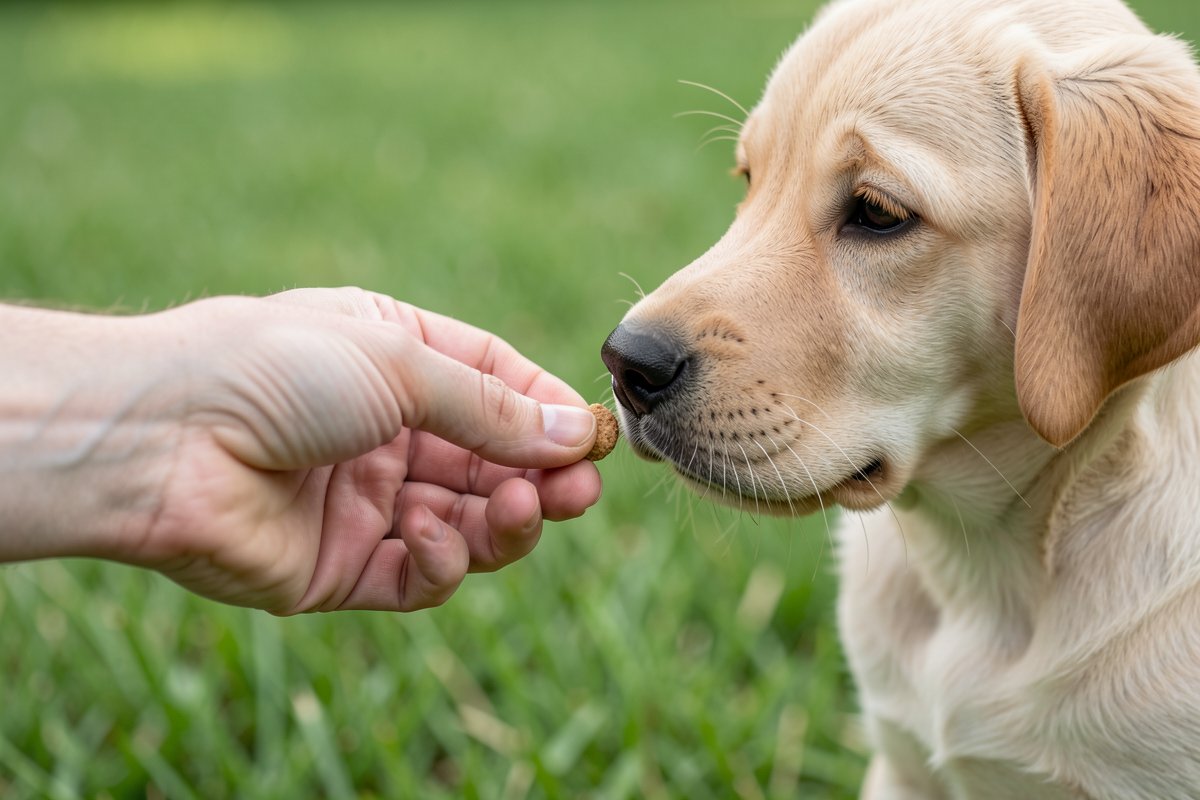
- Reward immediately. Treats must arrive within 1-2 seconds of the dog finishing, or they will not connect the reward to the action.
- Use a potty cue. Say “go potty” every time your dog eliminates outside. Over time, it becomes a reliable trigger.
- Same door, same spot. Use the exact same exit and outdoor spot every trip. Consistency builds habit.
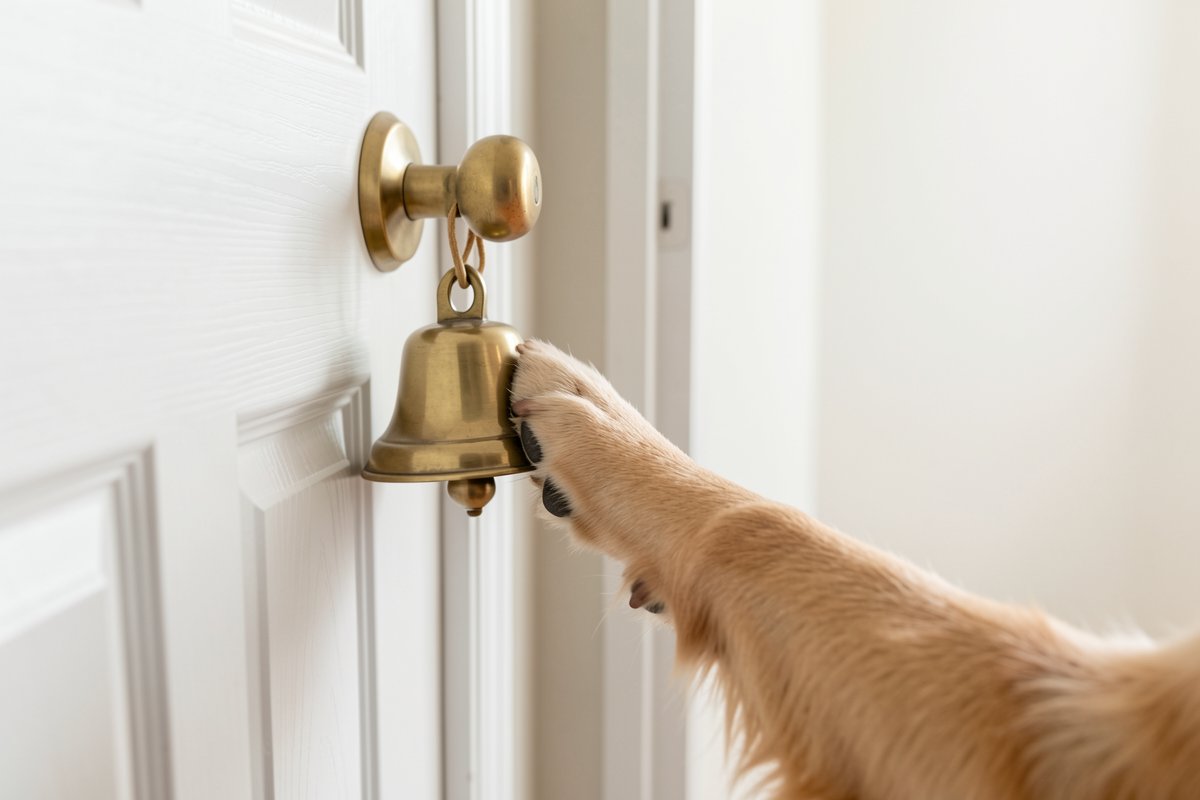
- Try bell training. Hang a bell by the door and ring it before each potty trip. Many dogs learn to ring it within weeks.
- Never punish. No rubbing noses, no yelling, no corrections. Punishment teaches fear and makes dogs hide their accidents.
Cleaning Up Accidents the Right Way
Standard cleaners leave odor molecules your dog’s nose detects long after the spot looks clean. Only enzymatic cleaners like Nature’s Miracle or Urine Away break down the proteins completely.
Blot the liquid, apply the cleaner per label instructions, and let it air dry. Never use ammonia-based cleaners, since ammonia smells like urine to dogs and draws them back to the spot.
Schedule potty breaks on your phone. You will lose track of time. The timer will not.
Log every meal, potty break, and accident for the first 2 weeks. Patterns emerge fast.
Act like outdoor potty is the best thing that ever happened. Enthusiasm is contagious.
Potty training uses positive reinforcement only. Never punish your dog for accidents. No rubbing their nose in it, no yelling, no physical corrections. Punishment causes fear, it creates anxiety, and it can lead to aggression, and teaches dogs to hide elimination from you. All major veterinary behavior organizations endorse positive reinforcement as the only evidence-based training approach.
If house soiling persists after 3-4 weeks of consistent, positive training, schedule a veterinary exam with urinalysis. Medical conditions including UTIs, bladder stones, diabetes, kidney disease, and parasites can present exactly like potty training failure. For senior dogs, sudden house soiling may indicate cognitive dysfunction syndrome requiring veterinary diagnosis. Puptify provides general education, not medical advice. Always consult your veterinarian for persistent concerns.
Frequently Asked Questions
How long does puppy potty training take?
Most puppies are reliably house trained by 6 months, but every dog is different. Small breeds often take longer due to smaller bladder capacity. The VCA standard for fully trained is 8-12 weeks without a single accident.
Why is my previously house trained dog suddenly having accidents?
Sudden changes usually point to a medical issue or a routine disruption. Schedule a vet check with urinalysis first. If medically clear, examine recent changes: new work schedule, a move, new household members, or weather limiting outdoor access. Dog potty training regression is common and resolves with a return to basic scheduling.
Can I use puppy pads during potty training?
Yes, especially for small breed dogs, apartment dwellers, or limited outdoor access. Use pads as a bridge, not a permanent solution. Place them near the door and gradually move them closer to the outside to ease the transition.
What should I do if my dog pees in the crate?
First, rule out a UTI with your vet. Then check your schedule and crate size. A crate that is too large invites elimination in one corner. If the issue persists, remove bedding temporarily and increase potty break frequency.
How do I potty train a dog that was previously outdoor-only?
Treat them like a puppy: start from scratch with confinement, supervision, frequent outdoor trips, and heavy rewards. Tethering helps catch accidents before they happen. Adult dog house training success depends on consistency, not on the dog’s age.
Ready to Start Your Potty Training Plan?
Consistency and kindness are the only tools you need. Grab a crate, pick a schedule, and start building the routine today.
Browse Training Guides