Understanding What Your Dog’s Vomit Means
A single episode of vomiting in an otherwise healthy, energetic dog is usually not an emergency , it may just be an upset stomach. But if your dog vomits more than twice in 24 hours, shows blood in the vomit (red, pink, or black/coffee-ground appearance), becomes lethargic, has a bloated or painful belly, cannot keep water down, or shows signs of unproductive retching , call your veterinarian immediately. Vomiting is a symptom, not a diagnosis, and the color and circumstances contain important clues about what may be happening inside your dog’s body.
Emergency Now
Blood in vomit, black coffee-ground appearance, unproductive retching, bloated belly, suspected toxin, collapse, or a puppy/senior dog who can’t keep water down
Call Vet Today
Vomiting more than twice in 24 hours, vomiting with diarrhea, vomiting in a puppy or senior dog, or vomiting that lasts more than 24 hours
Watch at Home
Single vomit, normal energy, no blood, still interested in water, and no other symptoms , monitor closely and follow the home care steps below
Quick Answer: When Should You Worry About Dog Vomiting?
Most dogs vomit occasionally, and a single episode in an otherwise healthy dog is rarely cause for alarm. Dogs explore the world with their mouths, and their digestive systems sometimes react to things they’ve eaten , grass, table scraps, or something they found on a walk.
But vomiting becomes a concern when it is frequent, contains blood, or appears alongside other symptoms like lethargy, a painful abdomen, or an inability to keep water down. The general rule: if your dog vomits once, acts completely normal afterward, and has no other symptoms, you can usually watch at home. If your dog vomits two or more times in 24 hours, shows any blood, or seems unwell in any other way , call your veterinarian.
This guide walks you through the different types of vomiting, what the color and contents may suggest, when you can manage things at home, and when you need to seek emergency veterinary care. Always remember: you know your dog best. If something feels wrong, trust that instinct and call your vet.
Dog Vomiting vs Regurgitation: What’s the Difference?
One of the most helpful things you can tell your veterinarian is whether your dog vomited or regurgitated. They look similar to most owners but point to very different problems.
| Feature | Vomiting | Regurgitation |
|---|---|---|
| Effort | Active process , heaving, abdominal contractions, visible nausea beforehand (licking lips, drooling, restlessness) | Passive , food comes back up without warning, no heaving or effort |
| Timing | Can happen any time , may be hours after eating or on an empty stomach | Usually happens soon after eating, sometimes immediately |
| Food appearance | Partially digested, may contain yellow or green bile, often liquid | Undigested food, often still in a tubular shape from the esophagus, no bile |
| Warning signs | Nausea, drooling, lip-licking, anxiety, restlessness before the episode | No warning , dog may seem surprised by the food coming back up |
| Common concerns | Stomach or intestinal issues, dietary indiscretion, toxins, pancreatitis, infections, organ disease | Esophageal problems such as megaesophagus, esophageal stricture, or a vascular ring anomaly |
| When to call vet | Repeated vomiting, blood present, lethargy, pain, or inability to keep water down | Frequent regurgitation, weight loss, coughing, or any regurgitation in a puppy |
Frequent regurgitation may indicate an esophageal condition that needs veterinary evaluation. If your dog regurgitates regularly , especially if they are losing weight or coughing , make an appointment with your veterinarian, and mention the word “regurgitation” specifically so they know what to look for.
Dog Vomit Color Guide
The color and consistency of your dog’s vomit can offer clues about what may be going on inside their digestive system. While color alone cannot diagnose a condition, it can help you and your veterinarian narrow down the possibilities. Important: any vomit that contains blood (red, pink, or black/coffee-ground), any dog that vomits repeatedly, or any dog that seems lethargic, painful, or bloated alongside vomiting needs immediate veterinary attention , regardless of vomit color.
| Color | Possible Meaning | What to Do | Urgency Level |
|---|---|---|---|
| Yellow / Foamy | Bile , often from an empty stomach, common in the morning or before meals | Try smaller, more frequent meals; a small bedtime snack may help | 🟡 Watch |
| White / Frothy | Stomach acid or indigestion , may happen after drinking water too fast or with mild stomach irritation | Monitor at home; often resolves on its own within a few hours | 🟡 Watch |
| Clear Liquid | Water or gastric juice , often seen with nausea, motion sickness, or when a dog drinks too much water too fast | Offer small sips of water or ice cubes; withhold food for a few hours | 🟡 Watch |
| Brown (food-colored) | Partially digested food , often from eating too fast, overeating, or a sudden diet change | Consider a slow-feeder bowl; feed smaller portions; monitor | 🟢 Safe at home |
| Green | Bile from the lower GI tract, or grass-eating , may suggest the stomach is empty and bile is being refluxed | Usually harmless if a single episode; monitor for repeated vomiting | 🟡 Watch |
| Red / Pink (fresh blood) | Fresh blood , may be associated with stomach ulcers, injury, toxin ingestion, or a bleeding disorder | Call your vet or go to an emergency animal hospital immediately | 🔴 Emergency now |
| Black / Coffee-Ground | Digested blood , may suggest bleeding in the stomach or upper small intestine; can be associated with ulcers, tumors, or clotting issues | Go to an emergency vet immediately , do not wait for more symptoms | 🔴 Emergency now |
| Worms / Foreign Material | Visible parasites (roundworms look like spaghetti) or pieces of toys, fabric, or other objects | Collect a sample in a bag for your vet; schedule a veterinary appointment | 🟠 Call vet today |
| Repeated Foam with Dry Heaving | Possible bloat (GDV) , the stomach may be twisting; this is a life-threatening emergency | Go to the nearest emergency vet immediately. Do not wait. Do not give food or water. | 🔴 Emergency now |
Vomit color provides clues but cannot diagnose a condition. A dog with yellow vomit who is also lethargic and painful needs a vet just as urgently as a dog with red vomit. Always consider the whole picture: how your dog is acting, how often they have vomited, whether they can keep water down, and whether they have other symptoms. When in doubt, call your veterinarian.
Common Mild Causes of Dog Vomiting
Many episodes of vomiting are mild and self-limiting. Here are the most common causes that typically resolve with simple home care:
- Eating too fast: Food comes back up almost immediately, still whole or barely chewed. A slow-feeder bowl or puzzle feeder often solves this within days.
- Dietary indiscretion: Your dog ate something unusual , grass, table scraps, garbage, or something found on a walk. Usually resolves within 24 hours if it’s a single episode.
- Motion sickness: Common in puppies and young dogs. Vomiting happens during or shortly after car rides. Talk to your vet about safe options for travel.
- Sudden diet change: Switching foods without a gradual transition period (7 to 10 days) can upset the stomach. Always transition slowly by mixing old and new food.
- Stress or excitement: Boarding, travel, loud noises, or changes in routine can cause mild stomach upset in some dogs.
- Grass-eating: Many dogs eat grass occasionally and may vomit afterward. If it is infrequent and the dog acts normal otherwise, it is usually not a concern.
Serious Causes of Dog Vomiting
Some causes of vomiting require prompt veterinary diagnosis and treatment. These conditions do not resolve on their own and may worsen without care:
- Pancreatitis: Inflammation of the pancreas, which can be triggered by fatty foods. Signs may include severe vomiting, hunched posture, abdominal pain, and reluctance to move. Requires veterinary treatment , often hospitalization with IV fluids.
- Intestinal blockage: From swallowed toys, bones, socks, rocks, or other foreign objects. May present with repeated vomiting, unproductive retching, a painful belly, and inability to keep anything down. Often requires surgery.
- Bloat / Gastric Dilatation-Volvulus (GDV): A life-threatening condition where the stomach fills with gas and may twist. This is a dire emergency , see the dedicated bloat section below.
- Toxin ingestion: Chocolate, xylitol (sugar-free gum and peanut butter), grapes, raisins, rat poison, human medications, certain plants, antifreeze, and many household chemicals can cause vomiting and far worse. See the toxin section below.
- Kidney disease: Chronic vomiting may accompany increased thirst, increased urination, weight loss, and lethargy. More common in senior dogs.
- Liver disease: Vomiting along with jaundice (yellow gums or eyes), lethargy, and appetite loss may suggest liver issues.
- Parvovirus: Especially in unvaccinated puppies , severe vomiting with bloody diarrhea, extreme lethargy, and rapid dehydration. This is a life-threatening emergency requiring immediate intensive care.
- Inflammatory bowel disease (IBD): Chronic intermittent vomiting and diarrhea with weight loss. Requires a veterinary workup including bloodwork and possibly endoscopy or biopsy.
Dog Vomiting and Diarrhea
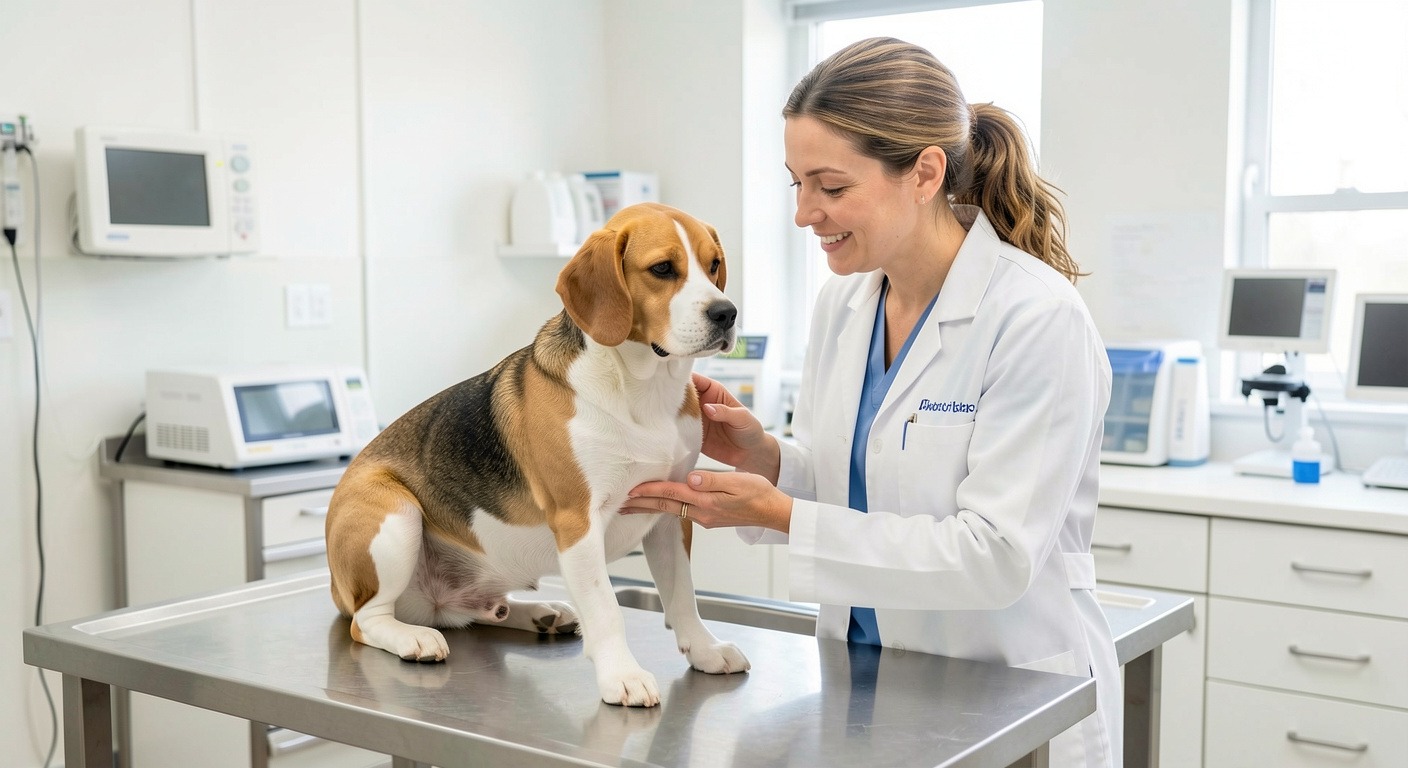
When vomiting and diarrhea occur together, dehydration becomes a serious risk , especially in small dogs, puppies, and seniors. The combination can be associated with dietary indiscretion, infections (viral, bacterial, or parasitic), pancreatitis, or toxin ingestion.
What to do: If your dog has one episode of vomiting and one loose stool but is otherwise bright and alert, you can monitor at home with the fasting and bland-diet steps described later in this guide. However, if both vomiting and diarrhea continue for more than a few hours, if either contains blood, or if your dog becomes lethargic or stops drinking , call your veterinarian. Bloody diarrhea with vomiting in a puppy is a parvo warning sign and needs emergency care immediately.
Dog Vomiting After Eating
If your dog vomits shortly after eating, consider whether it is true vomiting (with heaving and partially digested food mixed with bile) or regurgitation (passive, undigested food). Vomiting right after a meal can be associated with eating too fast, food intolerance, an obstruction that prevents food from moving through, or inflammation of the stomach lining (gastritis).
Try feeding smaller, more frequent meals from a slow-feeder bowl or puzzle toy. If the vomiting after meals continues for more than a day or two, or is accompanied by weight loss or lethargy, schedule a veterinary visit.
Dog Throwing Up Yellow Bile or White Foam
Yellow, foamy vomit , especially first thing in the morning or after a long gap between meals , is usually bile. Bile is produced by the liver, stored in the gallbladder, and released into the small intestine to help digest fats. When a dog’s stomach is empty for too long, bile can reflux into the stomach and irritate the lining, triggering vomiting.
This pattern is sometimes called bilious vomiting syndrome. For many dogs, simply feeding a small snack before bed or dividing meals into three or four smaller portions throughout the day resolves the issue. White, frothy vomit similarly suggests stomach acid or mild indigestion , often harmless if infrequent.
If the yellow or white foamy vomiting happens daily despite feeding adjustments, see your veterinarian to rule out underlying conditions. Persistent bile vomiting can sometimes be associated with gastrointestinal motility disorders, inflammatory conditions, or food sensitivities that need a targeted treatment plan.
Puppy Vomiting: When to Call the Vet
Puppies dehydrate faster than adult dogs and their immune systems are still developing. What might be a minor stomach upset in an adult dog can become serious quickly in a puppy. Vomiting in puppies should always be taken seriously, especially if:
- The puppy is under 6 months old and has vomited more than once
- The puppy is unvaccinated or partially vaccinated (parvo risk)
- The vomit contains blood or has an unusual color
- The puppy is lethargic, not playing, or seems depressed
- The puppy cannot keep water down
- Vomiting is accompanied by diarrhea (especially if bloody)
- The puppy may have eaten a foreign object or toxin
Do not fast a puppy for more than 4 to 6 hours without veterinary guidance , puppies need more frequent nutrition and can become hypoglycemic (low blood sugar) faster than adult dogs. If in doubt, call your veterinarian. Puppy vomiting is never something to ignore overnight.
Senior Dog Vomiting: Why It Needs Caution
Senior dogs (generally 7 years and older) have a higher likelihood of underlying conditions that can cause or worsen vomiting , kidney disease, liver disease, pancreatitis, certain cancers, and other chronic conditions. Vomiting in a senior dog should not be casually dismissed, even if it seems mild at first.
Additionally, senior dogs are more vulnerable to dehydration and electrolyte imbalances from fluid loss. If your senior dog vomits more than once, seems off in any way, or has a known chronic condition, call your veterinarian the same day. A quick blood panel can identify or rule out many of the conditions that cause vomiting in older dogs, and early treatment makes a significant difference in outcomes. Learn more about senior wellness in our Dog Health hub.
Bloat Warning: Unproductive Retching Is an Emergency
Gastric Dilatation-Volvulus (GDV), commonly called bloat, is one of the most life-threatening emergencies a dog can face. It occurs when the stomach fills with gas (dilatation) and may twist on itself (volvulus), cutting off blood flow. Without emergency surgery, a dog with GDV can die within hours. According to the Merck Veterinary Manual, large and giant breed dogs with deep chests , such as Great Danes, German Shepherds, Standard Poodles, Dobermans, and Weimaraners , are at highest risk, but any dog can bloat.
Signs of bloat / GDV:
- Unproductive retching or gagging , the dog tries to vomit but nothing or only small amounts of foam come up
- Restlessness, pacing, unable to get comfortable
- Excessive drooling
- A visibly swollen, firm, or distended abdomen (may not always be obvious)
- Signs of pain , whining, looking at the belly, standing with an arched back
- Rapid breathing or rapid heart rate
- Weakness, collapse, or pale gums (signs of shock)
If you suspect bloat:
- Do not wait. Do not call your regular vet to ask , go directly to the nearest emergency veterinary hospital.
- Do not give food or water.
- Do not attempt home remedies , there are none that work for GDV.
- Call the emergency clinic while you are on the way so they can prepare for immediate triage.
Reference: Merck Veterinary Manual , Gastric Dilatation and Volvulus. For additional information on recognizing life-threatening signs, see the AKC guide on dog vomiting.
Toxin Warning: What If Your Dog Ate Something Poisonous?
Many common household items, foods, and plants are toxic to dogs, and vomiting is often the first visible sign. If you know or suspect your dog has ingested something toxic, act quickly.
Common toxins that can cause vomiting:
- Chocolate , especially dark or baking chocolate
- Xylitol , found in sugar-free gum, some peanut butters, candy, and baked goods
- Grapes and raisins , can cause acute kidney failure even in small amounts
- Human medications , ibuprofen, acetaminophen, antidepressants, ADHD medications, and many others
- Rat poison / rodenticides , different types cause bleeding, neurological signs, or kidney failure
- Cannabis / marijuana , can cause vomiting, disorientation, and in severe cases, loss of consciousness
- Toxic plants , sago palm, lilies, azaleas, tulip bulbs, oleander, and many others
- Household cleaners and chemicals , bleach, drain cleaner, antifreeze (ethylene glycol)
- Wild mushrooms , some species cause liver failure
- Spoiled or moldy food , can contain tremorgenic mycotoxins
What to do:
- Call a poison helpline immediately: ASPCA Animal Poison Control Center at (888) 426-4435 or the Pet Poison Helpline at (855) 764-7661. Both are staffed 24/7 by veterinary toxicologists. Note: consultation fees may apply.
- Do NOT induce vomiting unless specifically instructed to do so by a veterinarian or poison control specialist. Inducing vomiting for certain substances (corrosives, petroleum products, sharp objects) can cause more harm.
- If directed to go to the vet, bring the packaging or a sample of what your dog ate , this helps the veterinary team determine the best treatment.
- Do not wait for symptoms to appear. Some toxins cause damage before visible signs develop.
For a comprehensive list of safe and toxic foods, see our guide to what dogs can and cannot eat. For general pet first aid, see AVMA first aid tips for pet owners and Cornell University’s pet first aid resources.
Keep a Vomit Log
Note the time, color, consistency, and what your dog ate beforehand. This saves valuable minutes when you talk to your vet.
Ice Cubes Over Water Bowls
Dogs recovering from vomiting often gulp water and vomit again. Ice cubes slow them down and hydrate gently.
Take a Photo
It sounds gross, but a photo of the vomit can help your vet identify the problem , especially if there is blood, unusual color, or foreign material.
What to Do at Home for Mild Dog Vomiting
If your dog vomited once, is still alert and energetic, has no blood in the vomit, and shows no signs of pain, bloating, or toxin exposure, you can try these home care steps:
- Withhold food for 6 to 12 hours (for puppies: no more than 4 to 6 hours). This gives the stomach lining a chance to settle. Always provide access to fresh water during this period.
- Offer small amounts of water or ice cubes. Give a few laps of water or one ice cube every 15 to 30 minutes rather than a full bowl. If your dog drinks too much too fast, vomiting may recur.
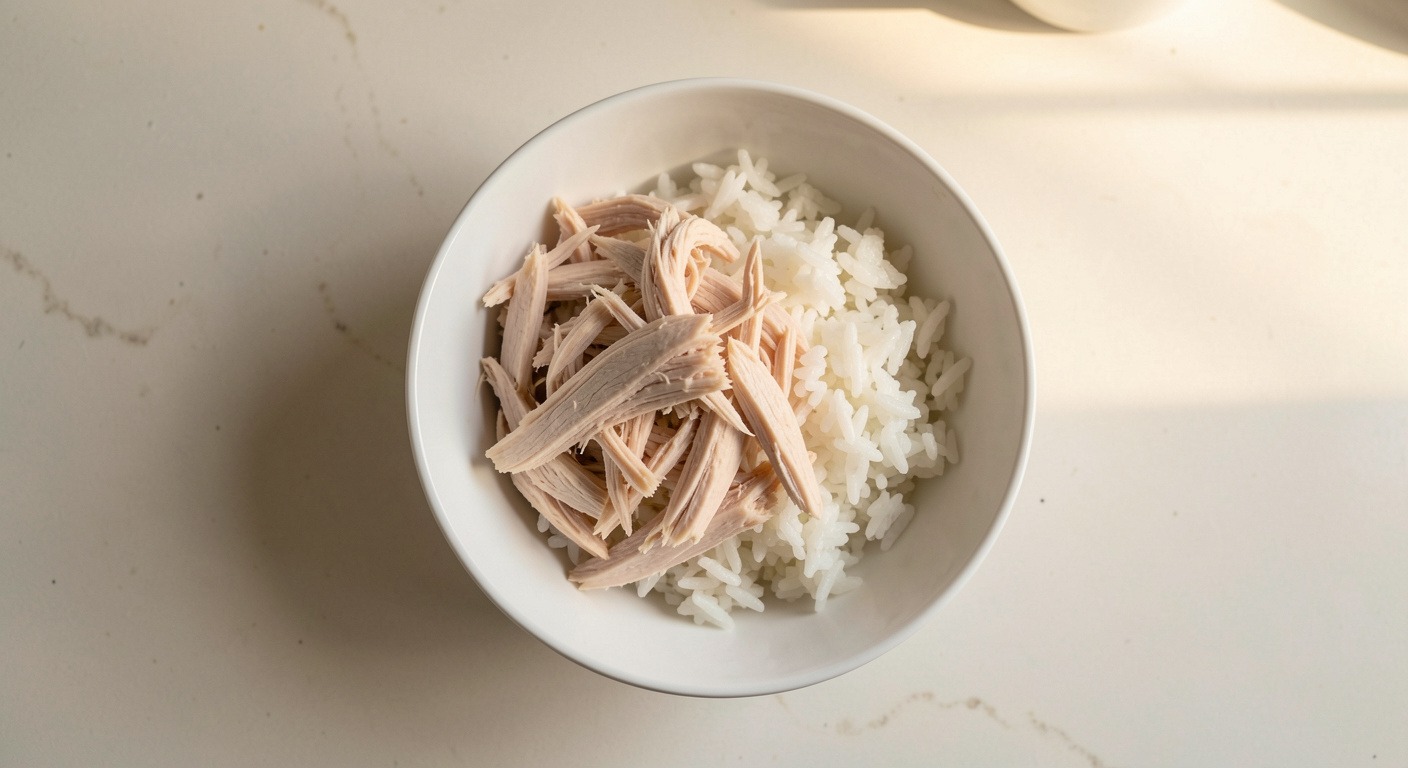
- After the fast, reintroduce a bland diet. Plain boiled white rice and plain boiled, skinless, boneless chicken breast (no seasoning, no oil) in small portions , about the size of a golf ball for a medium dog , every 4 to 6 hours.
- Gradually transition back to regular food over 2 to 3 days once the vomiting has stopped completely. Mix increasing amounts of regular food with the bland diet at each meal.
- Monitor closely. If vomiting returns at any point during this process, stop and call your veterinarian.
What Not to Give a Vomiting Dog
When your dog is vomiting, it is natural to want to reach for something to help. But many well-intentioned home remedies can make things worse , and some are dangerous. Here are ten things not to give a vomiting dog:
- Human anti-nausea medications (such as Pepto-Bismol, Dramamine, or Zofran) , unless specifically prescribed by your veterinarian for your dog at a precise dose. Bismuth subsalicylate (Pepto-Bismol) can be toxic to dogs in certain doses, and it turns stool black, which masks gastrointestinal bleeding.
- Ibuprofen (Advil, Motrin), acetaminophen (Tylenol), or aspirin , these are extremely toxic to dogs, even in small amounts. They can cause stomach ulcers, kidney failure, and liver damage. Never give your dog human pain relievers.
- Hydrogen peroxide to induce vomiting , unless specifically instructed to do so by a veterinarian or a poison control specialist. Inducing vomiting for the wrong substance or in the wrong way can cause aspiration pneumonia or esophageal damage.
- Fatty foods , bacon, sausage, fried foods, butter, and greasy leftovers can trigger pancreatitis, especially in susceptible breeds like Miniature Schnauzers.
- Milk and dairy products , many adult dogs are lactose intolerant, and dairy can worsen gastrointestinal upset, causing more vomiting and diarrhea.
- Essential oils , some owners attempt to use peppermint, tea tree, or other essential oils for nausea or digestion, but many essential oils are toxic to dogs when ingested.
- Random table scraps or leftovers , even “safe” human foods can be too rich, salty, or seasoned for a recovering stomach.
- Forced feeding , do not try to make a vomiting dog eat. A short fast is therapeutic and allows the stomach to settle. Force-feeding can trigger more vomiting and increase the risk of aspiration.
- Large bowls of water right after vomiting , dogs often gulp water when they feel nauseous, which stretches the stomach and triggers more vomiting. Stick to ice cubes or small, frequent sips.
- Any medication, supplement, or home remedy not explicitly approved for your dog by your veterinarian , dogs metabolize substances differently from humans, and what is safe for you may be toxic to them.
When to Call the Vet Immediately
Use the decision table below to quickly assess your dog’s situation. If any one of the “Emergency now” conditions applies, do not delay , go to the nearest emergency veterinary hospital.
| Situation | Watch at Home | Call Vet Today | Emergency Now |
|---|---|---|---|
| Vomited once, normal otherwise | ✓ Yes , monitor | ||
| Vomited 2+ times in 24 hours | ✓ Call vet today | ||
| Vomiting + diarrhea | ✓ Call , sooner if bloody diarrhea | ✓ If bloody diarrhea, puppy, or lethargic | |
| Blood in vomit (red, pink, or black/coffee-ground) | ✓ Emergency , go now | ||
| Cannot keep water down for 12+ hours | ✓ Call vet today | ✓ If gums are dry, eyes sunken, or skin tents | |
| Bloated or distended belly | ✓ Emergency , possible GDV | ||
| Unproductive retching (trying to vomit, nothing comes up) | ✓ Emergency , possible GDV | ||
| Suspected toxin ingestion | ✓ Call poison control + go to vet | ||
| Puppy vomiting (under 6 months) | ✓ Call vet today | ✓ If unvaccinated, lethargic, or bloody | |
| Senior dog vomiting | ✓ Call vet today | ✓ If known chronic condition or lethargic | |
| Pain, collapse, or severe weakness | ✓ Emergency , go now |
What Your Vet May Ask or Test
When you bring a vomiting dog to the veterinarian, being prepared helps them work faster. Here is what your vet will likely want to know, and which tests they may recommend:
Questions your vet may ask:
- When did the vomiting start? How many episodes have there been?
- What color and consistency was the vomit? (Photos help!)
- What has your dog eaten in the past 48 hours , including treats, table scraps, and anything they may have gotten into (trash, compost, plants, toys)?
- Is your dog also having diarrhea? If so, what does it look like?
- Is your dog still eating and drinking? How is their energy level?
- Any signs of pain, bloating, or changes in behavior?
- Any recent diet changes, new treats, or new medications?
- Is your dog up to date on vaccinations? Any pre-existing health conditions?
Tests your vet may recommend:
- Physical exam: Checking hydration, abdominal palpation, gum color, heart rate, and temperature.
- Fecal test: Checking for intestinal parasites.
- Bloodwork (CBC and chemistry panel): Evaluates organ function, checks for infection, anemia, electrolyte imbalances, and signs of pancreatitis.
- X-rays (radiographs): Can reveal obstructions, foreign bodies, bloat/GDV, or masses. Often repeated after a few hours to track changes.
- Ultrasound: Provides a more detailed look at the stomach, intestines, pancreas, liver, and other abdominal organs.
- Parvovirus test (for puppies): A rapid in-clinic test that gives results in minutes.
- Pancreatitis testing (cPL or SPEC cPL): A specific blood test for pancreatic inflammation.
- Hospitalization with IV fluids: For dogs who are dehydrated or cannot keep anything down , IV fluids rehydrate faster and more effectively than anything given by mouth.
For more on what emergency signs demand immediate action, read our guide to 12 emergency signs every dog owner must know. For veterinary perspectives on vomiting, see VCA Animal Hospitals’ comprehensive overview and the AKC’s guide to dog vomiting.
Vomit Log: What to Track Before Calling the Vet
When you call your veterinarian about a vomiting dog, the more specific information you can provide, the better they can advise you , by phone or in person. Keep a simple vomit log. Here is what to write down:
| What to Track | Example Notes |
|---|---|
| Time of each episode | 7:30 AM, 11:15 AM, 4:00 PM |
| Color and consistency | Yellow, foamy; brown, chunky with kibble; clear, watery |
| Amount | Small puddle (about 2 tablespoons); large puddle (about 1/2 cup) |
| What came before | Right after eating; after drinking water; on an empty stomach |
| What your dog ate recently | Normal kibble at 8 AM; found a chicken bone on walk at 3 PM |
| Water intake | Drank normally at 9 AM; refused water since noon; gulped water and vomited |
| Energy level | Normal and playful; quiet but responsive; very lethargic, won’t get up |
| Other symptoms | Diarrhea (describe color/consistency); drooling; belly tender to touch; pacing |
| Photo taken? | Yes , photo of 7:30 AM vomit shows undigested grass |
Take photos. It may feel awkward, but a photo of the vomit , showing color, consistency, and any unusual contents , is one of the most useful things you can show your vet. Put a coin or a familiar object next to it for scale.
Puptify provides general education, not veterinary diagnosis or treatment recommendations. Vomiting is a symptom, not a diagnosis. If your dog has severe or repeated vomiting, blood in vomit, cannot keep water down, shows signs of bloat (unproductive retching with a swollen or painful abdomen), may have eaten something toxic, or seems lethargic or in pain , contact your veterinarian or an emergency animal hospital immediately. Do not wait for symptoms to worsen. This article is informed by veterinary literature including the Merck Veterinary Manual and guidance from the AKC and Cornell University College of Veterinary Medicine, but it does not replace an in-person veterinary examination.
Frequently Asked Questions
Q: My dog vomited but is acting completely normal , should I still worry?
A: A single vomit episode in a dog who is bright, alert, playful, eating, and drinking normally is usually not an emergency. Monitor closely for the next 12 to 24 hours. Offer water in small amounts and consider withholding food for 6 to 12 hours, then try a bland diet. If a second episode occurs, or if your dog’s energy drops at any point, call your veterinarian.
Q: My dog is vomiting and refusing to eat , when should I be concerned?
A: If your dog has vomited and is not interested in food, remove the food for 6 to 12 hours and offer water or ice cubes in small amounts. If your dog still refuses food after the fast , especially if accompanied by lethargy, continued vomiting, or any other symptoms , call your veterinarian the same day. A dog who skips one meal is not automatically an emergency, but vomiting plus appetite loss lasting more than 24 hours needs a veterinary evaluation.
Q: Why does my dog vomit immediately after eating?
A: Vomiting right after a meal can be associated with eating too fast (try a slow-feeder bowl), food intolerance, an obstruction that prevents food from passing, or gastritis (inflammation of the stomach lining). If it happens occasionally and your dog is otherwise normal, a slow-feeder bowl and smaller, more frequent meals often help. If it happens every meal or is accompanied by weight loss or lethargy, schedule a veterinary visit.
Q: My dog throws up yellow bile every morning , what should I do?
A: Yellow, foamy morning vomit is usually bile from an empty stomach , a pattern sometimes called bilious vomiting syndrome. Try feeding a small, plain snack (a few tablespoons of their regular kibble or a small bland biscuit) right before bed, and split meals into three or four smaller portions throughout the day instead of two large ones. If the morning vomiting continues despite these changes for more than a week, see your veterinarian to rule out underlying issues.
Q: What does black vomit in dogs mean?
A: Black vomit , especially when it looks like coffee grounds , may suggest digested blood from the stomach or upper small intestine. This can be associated with stomach ulcers, bleeding tumors, clotting disorders, or ingestion of blood (from licking a wound or swallowing blood from the mouth). Black or coffee-ground vomit is a veterinary emergency. Go to the nearest emergency animal hospital immediately.
Q: Is green vomit serious in dogs?
A: Green vomit is usually bile from the lower GI tract or the result of eating grass. A single episode of green vomit in an otherwise normal dog is typically not a concern. However, if the green vomiting is repeated, contains blood, or is accompanied by lethargy, diarrhea, or appetite loss, have your dog evaluated by a veterinarian , it may suggest that bile is being refluxed from the intestines, which can happen with obstructions or other GI issues.
Q: Can I give my dog Pepto-Bismol for vomiting?
A: Do not give your dog Pepto-Bismol or any human medication without explicit instructions from your veterinarian. Bismuth subsalicylate (the active ingredient in Pepto-Bismol) can be toxic to dogs in certain doses, and it turns stool black , which then makes it impossible for a vet to tell whether your dog has gastrointestinal bleeding. Always call your veterinarian before administering any medication.
Q: Can I give my dog human anti-nausea medication?
A: No , do not give your dog any human anti-nausea medication unless your veterinarian has specifically prescribed it for your dog at a precise, weight-based dose. Medications like Dramamine (dimenhydrinate) may be used in dogs under veterinary direction for motion sickness, but the dose is very different from the human dose, and it should never be given without vet approval. Many human medications are toxic to dogs or can interact dangerously with other conditions.
Q: Should I induce vomiting if my dog ate something toxic?
A: Do not induce vomiting unless specifically instructed to do so by a veterinarian or a poison control specialist. Inducing vomiting for the wrong substance , such as corrosive chemicals, petroleum products, or sharp objects , can cause severe esophageal damage, aspiration pneumonia, or worse. Always call the ASPCA Animal Poison Control Center at (888) 426-4435 or the Pet Poison Helpline at (855) 764-7661 first. They will tell you whether inducing vomiting is appropriate and how to do it safely if it is.
Q: How long should I wait before calling the vet about dog vomiting?
A: Do not wait if: there is blood in the vomit, your dog cannot keep water down, you suspect toxin ingestion, there are signs of bloat (unproductive retching, swollen belly), your dog is a puppy or senior with other symptoms, or your dog seems painful, weak, or collapsed , go to the vet immediately. If none of these red flags are present and your dog has vomited once but is otherwise normal, you can watch at home for 12 to 24 hours. If a second episode occurs within that window, call your veterinarian.
Q: When is puppy vomiting an emergency?
A: Puppy vomiting is an emergency if: the puppy is under 6 months old and has vomited more than once, the puppy is unvaccinated (parvo risk), there is blood in the vomit, the puppy cannot keep water down, there is also bloody diarrhea, the puppy is lethargic or collapses, or there is a chance the puppy ate a foreign object or toxin. Puppies dehydrate and decline faster than adult dogs , do not take a “wait and see” approach with a vomiting puppy.
Q: Why is vomiting more serious in senior dogs?
A: Senior dogs (7+ years) are more likely to have underlying conditions , kidney disease, liver disease, pancreatitis, diabetes, or cancer , that can cause or be worsened by vomiting. They also dehydrate faster and recover more slowly from fluid losses. Vomiting in a senior dog, especially if it happens more than once or is accompanied by lethargy, appetite loss, weight loss, or increased thirst/urination, should prompt a same-day veterinary visit. Bloodwork can often identify the underlying cause quickly.
Q: What should I tell the vet when I call about my vomiting dog?
A: Be ready to share: how many times your dog has vomited and when each episode happened, the color and consistency of the vomit (photos help enormously), what your dog has eaten in the last 48 hours (including treats, table scraps, and anything they may have gotten into), whether they also have diarrhea, whether they can keep water down, their energy level (normal, quiet, very lethargic), any known health conditions or medications, and whether they may have eaten a toxin or foreign object. Use the vomit log template in this guide to organize your notes before you call.
Q: How do I know if my dog is dehydrated from vomiting?
A: Check for these signs: dry or sticky gums, sunken eyes, loss of skin elasticity (gently pinch the skin on the back of the neck , it should snap back immediately; if it stays tented or returns slowly, your dog is dehydrated), lethargy or weakness, and decreased urination. Dehydration is a serious complication of vomiting, especially in small dogs, puppies, and seniors. If you suspect dehydration, your dog needs veterinary care , subcutaneous or IV fluids rehydrate far more effectively than drinking water alone.
Q: Can stress cause a dog to vomit?
A: Yes , stress and anxiety can cause gastrointestinal upset in dogs. Boarding, travel, loud noises (fireworks, thunderstorms), moving to a new home, or changes in routine can trigger vomiting in some dogs. If stress-related vomiting is infrequent and resolves when the stressor is removed, it is usually not a medical emergency. However, if vomiting becomes frequent during stressful events, talk to your veterinarian , there may be ways to manage stress-related GI issues safely.
Q: How can I tell the difference between vomiting and regurgitation?
A: Vomiting is an active process , you will see heaving, abdominal contractions, and signs of nausea (drooling, lip-licking, restlessness) beforehand. The material is partially digested and may contain bile. Regurgitation is passive , food comes back up without warning, there is no heaving or effort, and the food appears undigested, often still in a tubular shape. Frequent regurgitation may indicate an esophageal problem and needs veterinary evaluation. See the detailed comparison table earlier in this guide.
Q: Should I withhold water if my dog is vomiting?
A: Never withhold water completely. Dehydration makes vomiting worse and can become dangerous quickly. Instead, offer small amounts frequently , a few laps of water or an ice cube every 15 to 30 minutes. If your dog cannot keep even small sips of water down for more than 12 hours, or shows signs of dehydration (dry gums, sunken eyes, skin that does not snap back), it is time for the vet.
Q: My dog ate grass and then vomited , should I be worried?
A: Grass-eating is common and not inherently dangerous. Some dogs eat grass because they enjoy it; others appear to do it when their stomach feels unsettled. If your dog eats grass occasionally, vomits once, and then acts completely normal , it is usually fine. However, if grass-eating becomes frantic or compulsive, or if your dog vomits repeatedly after eating grass, see your veterinarian. This can sometimes indicate an underlying gastrointestinal issue that needs attention.
Q: What is the safest way to transition my dog back to regular food after vomiting?
A: After a 6-to-12-hour fast and a bland diet of boiled chicken and rice (fed in small portions for 24 hours), gradually reintroduce regular food over 2 to 3 days. On day 1, mix 25% regular food with 75% bland diet. On day 2, mix 50/50. On day 3, mix 75% regular food with 25% bland diet. By day 4, your dog should be back on their regular food. If vomiting returns at any stage, stop the transition and call your veterinarian. For dogs with sensitive stomachs, see our guide to the best dog food for sensitive stomachs.
ASPCA Animal Poison Control Center: (888) 426-4435 (consultation fee may apply)
Pet Poison Helpline: (855) 764-7661 (consultation fee may apply)
Save these numbers in your phone now , before you need them. In a poisoning emergency, every minute matters.
🐾 Related Guides
Know the Signs Before You Need Them
Bookmark this guide, save the poison control numbers in your phone, and take a moment to learn the red flags , so you will know exactly what to do if your dog ever gets sick.
Explore All Dog Health Guides →Final Safety Tip for Dog Vomiting
Vomiting is one of the most common reasons dog owners call the vet , and for good reason. It can mean nothing, or it can be the first sign of something serious. The safest approach is to know the red flags (listed throughout this guide), trust your instincts, and never hesitate to call your veterinarian when you are unsure. No article, checklist, or online guide can replace a hands-on veterinary examination when your dog is sick.
References: This guide is informed by veterinary literature including the Merck Veterinary Manual (GDV section), American Kennel Club (dog vomiting guide), Cornell University College of Veterinary Medicine (pet first aid), ASPCA Animal Poison Control Center, VCA Animal Hospitals, and AVMA pet first aid guidance. All medical claims are sourced from these references or the linked Puptify guides. This article is vet-informed , it was written using current veterinary references and reviewed for accuracy , but it has not been individually reviewed by a licensed veterinarian for this specific article. Always consult your own veterinarian for advice about your individual dog.