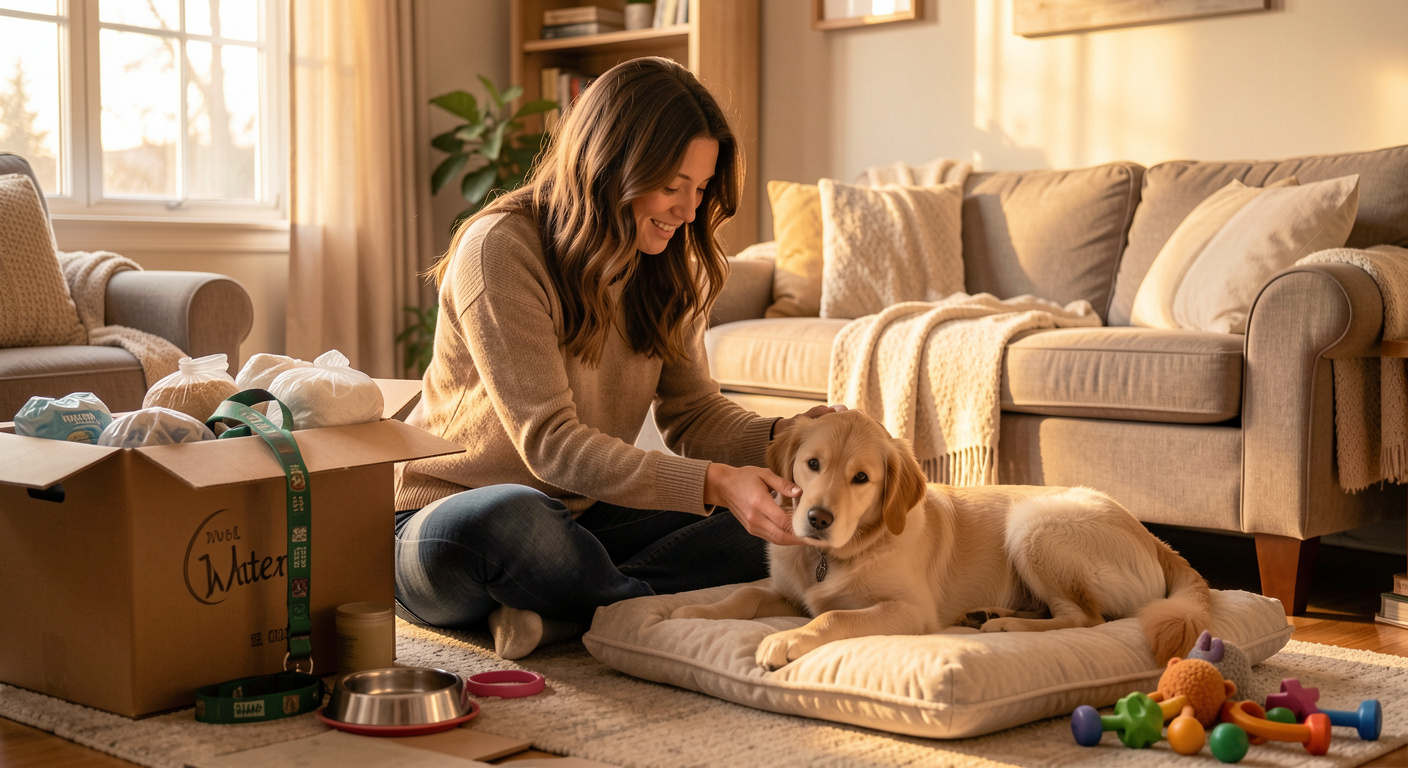
Your First 30 Days Starts Here
The first 30 days are about calm, routine, and patience , not perfection. Focus on potty training, crate comfort, a consistent daily schedule, and letting your dog decompress at their own pace. No dog parks, no big introductions, no visitors in the first week. If you do nothing else: establish a predictable routine and give your dog space to settle in.
Set Up Their Safe Space
Crate or quiet corner with bed, water, and a chew toy. This is their sanctuary , never use it as punishment.
Lock In a Daily Routine
Same wake-up, meals, walks, and bedtime every day. Dogs thrive on predictability , it’s the fastest way to build trust.
Give Them Time to Decompress
No visitors, no dog parks, no big outings in the first week. Let your dog process the biggest change of their life at their own speed.
The First 24 Hours
Your dog has just been transported to a completely unfamiliar place with strangers. Everything they know , smells, sounds, routines, familiar faces , is gone. The most important thing you can give them in the first 24 hours is calm and safety.
What to Do Immediately
- Potty first. Before entering the house, take your dog to the designated potty area. Stand quietly and wait. When they go, reward heavily with treats and calm praise.
- Leashed house tour. Walk your dog through the house on leash , one room at a time. Let them sniff. Keep it calm and quiet. This is reconnaissance, not a party.
- Show them their space. Lead them to their crate or designated area. Toss treats inside. Let them explore it voluntarily. This is their sanctuary , make it inviting.
- Offer water. Always available. If they’re not drinking, don’t force it , stress can suppress thirst temporarily.
- Feed lightly. Offer a small meal at their regular feeding time. Stress can cause digestive upset , a full meal might come back up.
- Quiet bonding. Sit on the floor near them. Don’t force interaction. Let them come to you. Hand-feed a few treats if they’re comfortable.
- Early bedtime. Dogs need 12, 18 hours of sleep daily (puppies need more). The first day is exhausting , let them rest.
The golden rule of day one
No visitors, no trips to the pet store, no dog park, no introductions to the neighbor’s dog. Your dog needs decompression time. There will be plenty of time for everything else , today is about settling in.
Essential Supplies Checklist
Here’s everything you need before your dog comes home , with realistic budget estimates.
| Category | Must-Have | Est. Cost |
|---|---|---|
| Feeding | Stainless steel bowls (2), high-quality food (ask what they’ve been eating), treats for training | $25, 60 |
| Collar & ID | Flat or martingale collar with ID tag (phone number engraved), 6 ft leash | $15, 30 |
| Harness | Front-clip or dual-clip harness for walks | $25, 50 |
| Crate / Bed | Appropriately sized crate with soft bedding, plus a separate dog bed for living areas | $50, 150 |
| Potty Supplies | Poop bags, enzymatic cleaner (Nature’s Miracle), puppy pads if needed | $15, 30 |
| Toys | 2, 3 chew toys (KONG), 1 puzzle toy, 1 tug toy | $25, 50 |
| Grooming | Brush appropriate for coat type, dog shampoo, nail clippers or grinder | $30, 70 |
| Safety | Pet first aid kit, baby gates to block off rooms | $30, 60 |
Total supplies: ~$215, 500 upfront. Ongoing monthly: ~$145, 505 (food, preventatives, treats, grooming, pet insurance). This is a 10, 15 year financial commitment , budget accordingly.
The 3-3-3 Rule: What to Expect
This is the timeline most rescue organizations use , it applies to puppies and adult dogs alike.
First 3 Days , Overwhelm
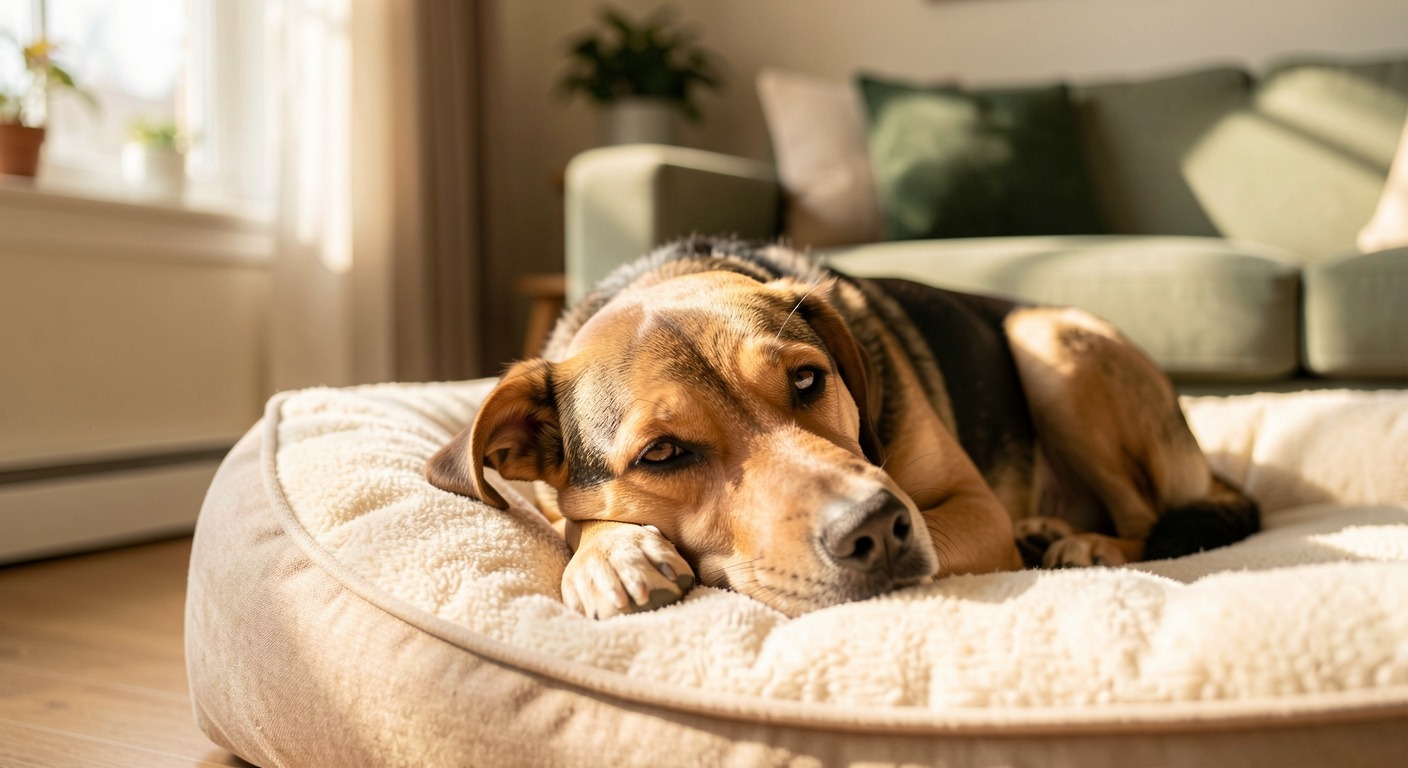
Your dog is in survival mode. They may not eat much, may hide, may have accidents even if previously house-trained. This is normal. Don’t push training. Focus on safety, routine, and gentle exposure to their new world.
First 3 Weeks , Settling In
Your dog is starting to learn the routine. They’re testing boundaries (normal), showing more personality, and beginning to trust you. Start basic training , simple commands, leash manners, consistent rules. Keep expectations low.
First 3 Months , Home
Your dog finally feels like they belong. They’ve learned the household rhythm, built trust with you, and their true personality is shining through. Most behavior “problems” at this stage are just a dog being a dog , consistent training resolves them.
Puppy-Proofing: Room by Room
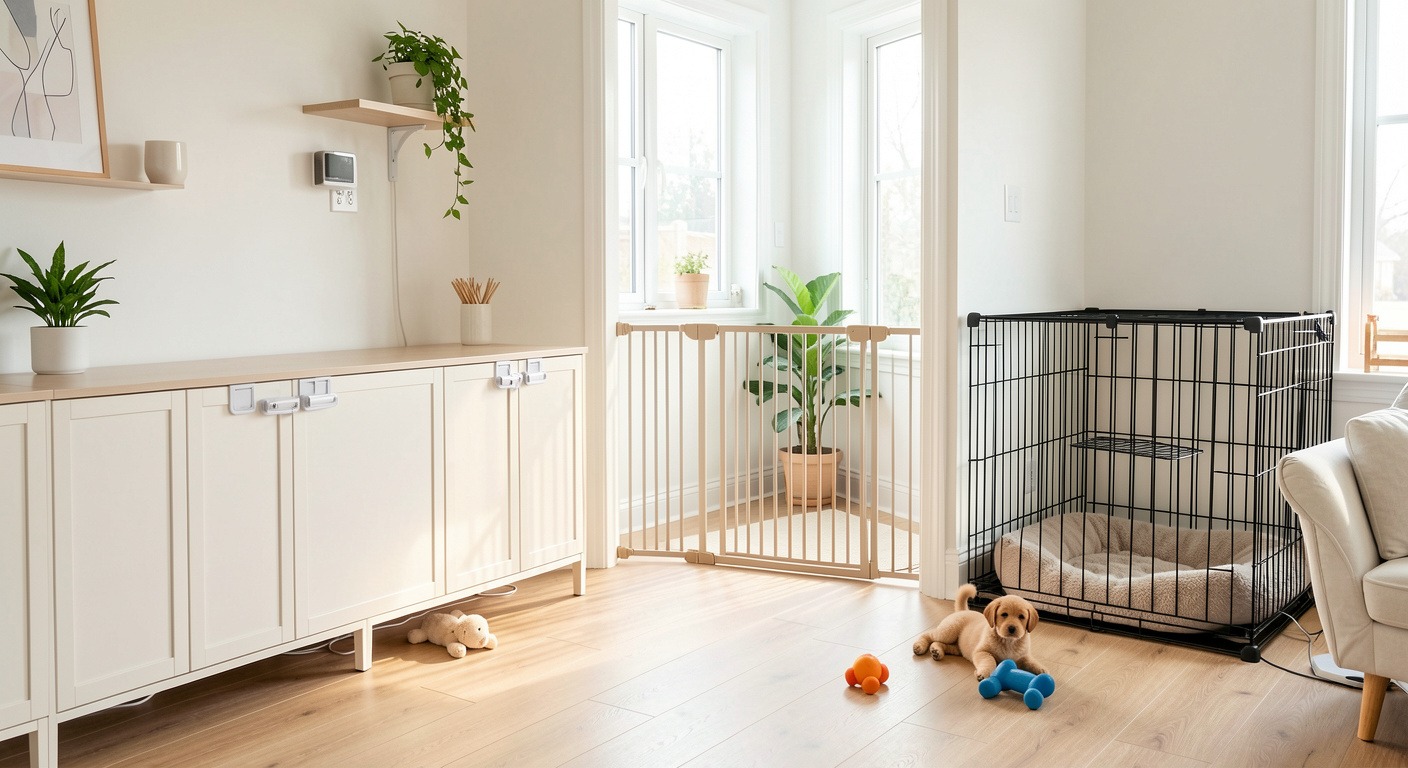
Get down on your hands and knees and look at your home from a dog’s eye level. Anything at snout height or lower is fair game.
Living Room
Secure all electrical cords. Remove toxic houseplants (pothos, philodendron, lilies, snake plants). Block access behind entertainment centers. Hide remote controls , the batteries inside are dangerous if punctured.
Kitchen
Install childproof latches on lower cabinets. Move cleaning supplies to high shelves. Use a covered trash can. Know which foods are toxic: chocolate, grapes, onions, garlic, xylitol, macadamia nuts.
Bathroom & Laundry
Close toilet lids , cleaners are toxic and some dogs drink from toilets. Store medications in closed cabinets. Keep dryer sheets, detergent pods, and cleaning products out of reach.
Bedroom
Shoes in the closet with the door closed. Jewelry, hair ties, and socks in drawers , these are top swallowing hazards. Phone chargers unplugged when not in use. Medications on a high shelf, never on the nightstand.
First Week Daily Schedule
A sample schedule for a new puppy or adult dog. Adjust times to your life , consistency matters more than exact timing.
| Time | Activity |
|---|---|
| 6:30 AM | Wake up, immediate potty break (carry puppy if needed). Praise + treat for going outside. |
| 7:00 AM | Breakfast in crate or designated spot. Then another quick potty trip. |
| 7:30 AM | Short walk or play session (10, 15 min for puppies, 20, 30 min for adults). |
| 8:00 AM | Crate time / nap. Dogs sleep 12, 18 hours , they need this. |
| 12:00 PM | Potty break + lunch + short play. Then back to crate/nap. |
| 5:00 PM | Potty break + dinner. Then longer walk or training session (15, 20 min). |
| 7:00 PM | Calm family time , chewing on a KONG, gentle petting, quiet bonding. |
| 10:00 PM | Final potty break. Then bedtime in crate. No water 2 hours before bed to reduce accidents. |
For an adult dog: same structure but longer stretches between potty breaks, and they can typically hold it through the night from day one.
Introducing to Pets & Children
Dog-to-Dog Introductions
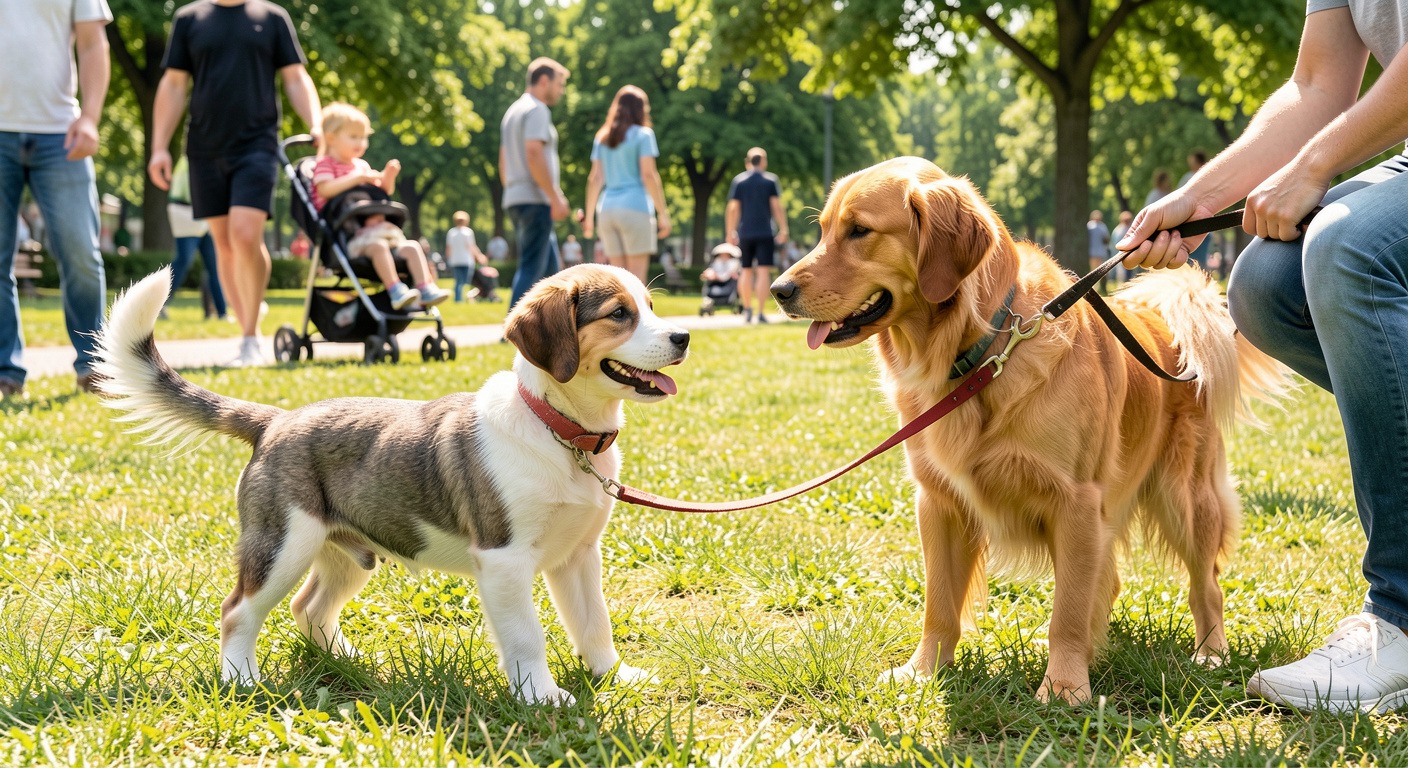
- Neutral territory first. Have both dogs meet on a walk , not in your home or yard. Walk parallel at a distance, gradually closing the gap.
- Watch body language. Relaxed wagging tails, play bows, loose bodies = good. Stiff posture, raised hackles, hard stares = intervene calmly.
- Walk home together. After a positive meeting, walk both dogs home side by side. This builds “we’re a pack” energy.
- Supervised indoor time. Keep leashes on initially. Separate feeding areas. Remove high-value toys and chews to prevent resource guarding.
Introducing to Children
- Teach children the “five-second consent rule”: pet for five seconds, then stop. If the dog leans in or nudges for more, continue. If they pull away, respect it.
- No hugging, no face-in-face, no tail/ear pulling, no bothering the dog while eating or sleeping.
- Children under 5 should never be left alone with any dog , no exceptions.
- Model calm behavior. Dogs mirror the energy around them.
Puptify provides general education, not diagnosis. If your new dog shows signs of severe stress (not eating for 48+ hours, vomiting, diarrhea lasting more than 24 hours, hiding constantly, or aggression), contact your veterinarian or a certified behaviorist. Some dogs need professional support during the transition , that’s okay.
12 First-Time Owner Mistakes
- Too much freedom too fast. Restrict access to one or two rooms initially. Expand as trust builds.
- Skipping the vet visit. Schedule a wellness exam within the first week , even if the shelter or breeder already did one.
- Changing food suddenly. Transition over 7, 10 days by mixing old and new food. Sudden switches cause digestive upset.
- No ID tag + microchip. Collars slip off. A registered microchip is the only permanent ID. Do both.
- Punishing accidents. If you find an accident, clean it and move on. Punishment after the fact teaches nothing , your dog can’t connect the dots.
- Introducing too many people at once. One new person at a time, in a calm setting. Let the dog approach, not the other way around.
- Overexercising a puppy. The 5-minute rule: 5 minutes of structured exercise per month of age, twice daily. Overexercising damages developing joints.
- Ignoring mental exercise. A 15-minute training session or puzzle toy tires a dog out faster than a 30-minute walk.
- Inconsistent rules. If the couch is off-limits, it’s off-limits always. If jumping is not allowed, enforce it every time. Mixed signals confuse dogs.
- Waiting too long to start training. Start basic commands (sit, come, stay, leave it) on day two. Training isn’t just about obedience , it’s how you communicate.
- Not budgeting for emergencies. An emergency vet visit costs $800, 3,000. Get pet insurance or set aside an emergency fund before you need it.
- Comparing your dog to others. Every dog decompresses at their own pace. Some settle in days, others take months. Your journey is yours , don’t measure it against someone else’s Instagram.
Frequently Asked Questions
Q: My new dog won’t eat. Should I be worried?
Stress suppresses appetite , it’s common in the first 2, 3 days. Offer small amounts of their regular food at scheduled times. If they haven’t eaten anything in 48 hours, or show other symptoms (vomiting, diarrhea, lethargy), call your vet.
Q: How long until my rescue dog trusts me?
Trust follows the 3-3-3 rule loosely: 3 days to stop panicking, 3 weeks to start settling, 3 months to feel at home. But every dog is different , some take 6+ months. Consistency, patience, and never breaking their trust once it’s earned is the formula.
Q: Can I leave my new dog alone on day one?
Ideally no. Arrange for someone to be home for at least the first 2, 3 days. If you must leave, keep it under 2 hours and confine them to their safe space with a KONG or puzzle toy. Separation anxiety can develop if a new dog is left alone for long stretches before they feel secure.
Q: When can I take my new dog to the dog park?
Wait at least 2, 4 weeks. You need to know your dog’s recall, how they react to other dogs, and whether they’re fully vaccinated. Dog parks are high-stress, unpredictable environments , not the place for a dog still building confidence.
Q: Crate training feels cruel. Is it really necessary?
When done correctly, crate training is the opposite of cruel , it gives your dog a den-like sanctuary where they feel safe. Never use the crate as punishment. Feed meals in it, toss treats in randomly, and make it the coziest spot in the house. Most dogs come to love their crate.
Keep Reading
Your Journey Starts Now
The first month is the hardest , but it’s also the foundation for a lifetime of companionship. Be patient with your dog, and be patient with yourself. You’re both learning. The bond you’re building right now will be one of the most rewarding relationships of your life.
Explore All New Owner Guides →