
The Small Companion With Big Care Needs
French Bulldogs are affectionate, funny, people-focused dogs that can suit apartments, small homes, and many first-time owners. They are not high-endurance dogs, but they do need daily walks, training, weight control, and careful heat management. Their biggest consideration is health: breathing, spine, skin, eye, allergy, and heat issues mean owners should budget for proactive vet care.
Homes that want a close companion, can keep exercise gentle, and can avoid hot-weather overexertion.
Short, upbeat sessions work best. Frenchies are smart, food-motivated, and sometimes stubborn.
Choose a responsible breeder or rescue, keep them lean, and treat breathing or overheating signs seriously.
| Breed Snapshot | French Bulldog Details |
|---|---|
| Breed Group | Companion, non-sporting |
| Height | About 11 to 13 inches |
| Weight | Usually under 28 pounds |
| Lifespan | About 10 to 12 years |
| Coat Type | Short, smooth coat with facial folds |
| Shedding | Low to moderate, often seasonal |
| Exercise Needs | Low to moderate, gentle daily activity |
| Temperament | Affectionate, playful, social, sometimes stubborn |
| Best Home Fit | Indoor homes, apartment owners, families who can manage heat and health needs |
What Is a French Bulldog Like?
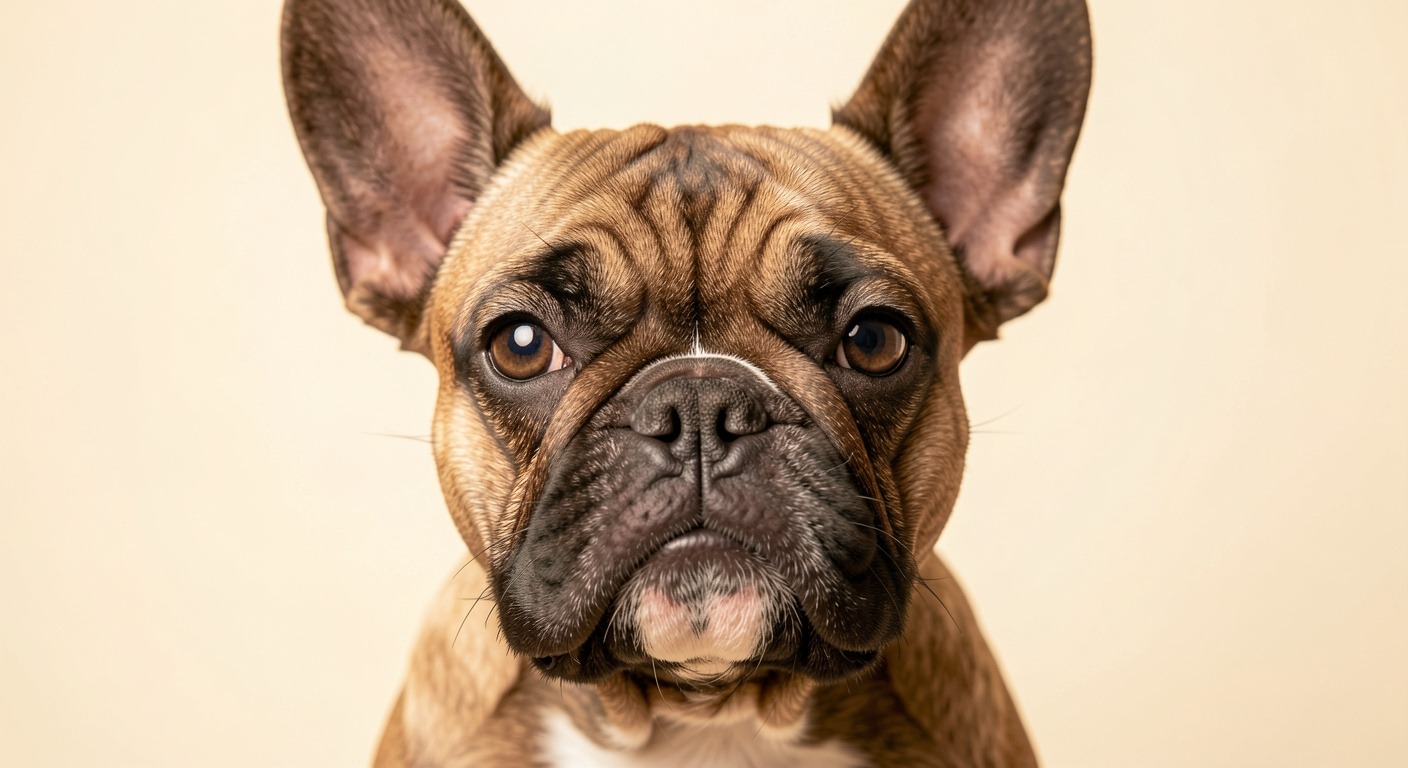
A French Bulldog is usually a compact, people-loving companion dog with a playful streak and a strong desire to be near their humans. Many Frenchies enjoy lounging, following family members from room to room, and joining low-key daily routines.
They are not usually the dog for someone who wants a jogging partner, long hiking buddy, or all-weather outdoor dog. Their short muzzle makes heat, humidity, and intense exercise riskier than it is for many longer-nosed breeds.
French Bulldogs can be charming, silly, and expressive. They can also be opinionated. A Frenchie may happily learn a cue one day and pretend not to hear it the next, especially if the reward is not worth the effort. That does not mean they need harsh handling. It means they need patient, consistent training and clear routines.
Is a French Bulldog Good for First-Time Dog Owners?
French Bulldogs can be good for first-time dog owners if the owner understands the breed’s limits. They are small, usually people-oriented, and do not require intense exercise. That can make daily life easier than with a high-drive working breed.
The catch is health and management. A first-time owner should be ready to monitor breathing, prevent overheating, keep the dog lean, clean skin folds, and pay for regular veterinary care. Pet insurance or a dedicated savings plan is worth considering before bringing home a Frenchie.
A French Bulldog is a better beginner dog for someone who wants companionship and routine than for someone who wants a carefree, low-cost, outdoor adventure dog.
Temperament and Personality
French Bulldog temperament is one reason the breed is so popular. Most are social, affectionate, and happiest when included in the household. Still, every dog is an individual, and early socialization matters.
With Family
With their own people, Frenchies are often cuddly, playful, and attention-seeking. They may follow you around, nap nearby, or ask to be part of whatever is happening. Some can develop separation stress if they are suddenly left alone for long stretches, so practice calm alone time early.
With Children
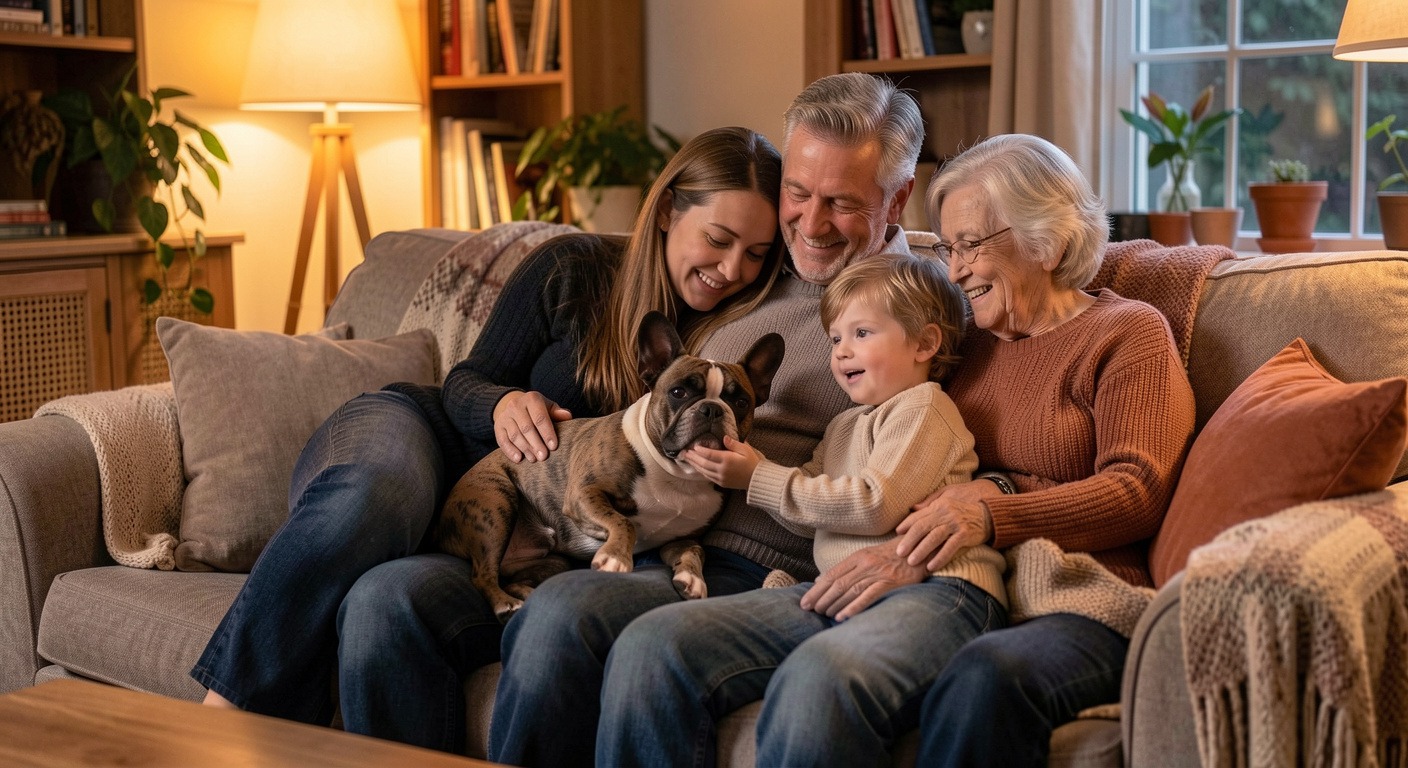
French Bulldogs can do well with respectful children, but no breed is automatically safe with kids. Supervision is always important. Teach children not to pick up, squeeze, chase, or disturb a sleeping dog. Because Frenchies are compact and sturdy-looking, children may assume they can handle rough play. They still need gentle treatment.
With Other Dogs
Many Frenchies enjoy other dogs, especially when socialized early and introduced calmly. Some can be pushy, excitable, or selective with unfamiliar dogs. Short, positive introductions are better than crowded dog parks, especially in hot weather.
With Strangers
French Bulldogs are often friendly with visitors, though some are alert or reserved at first. They may bark when someone comes to the door, then settle once they understand there is no threat. Reward calm greetings and avoid encouraging jumping or frantic excitement.
Exercise Needs
French Bulldogs need daily movement, but they do not need hard exercise. Most do well with two short walks, gentle play, and a few minutes of mental enrichment. Think steady routine, not long-distance activity.
- Good activities: short neighborhood walks, indoor fetch, puzzle feeders, scent games, and gentle training games.
- Use caution with: hot weather, humid days, stairs, rough jumping, and long play sessions without breaks.
- Avoid: running beside a bike, intense hikes, forced jogging, and swimming without close support.
Frenchies can overheat quickly. Walk during cooler parts of the day, bring water, and stop if your dog is noisy, struggling, slowing down, drooling heavily, or acting weak.
Training Needs
French Bulldogs are intelligent, but they are not always eager to repeat boring drills. Keep training short, clear, and rewarding. Food rewards often work well, but use small treats so weight does not creep up.
Start with practical basics: name response, sit, down, stay, come, leash walking, drop it, leave it, and calm crate or pen time. House training may take patience, especially with young puppies or dogs adjusting to a new home.
Use positive reinforcement, consistency, and gentle boundaries. Do not use dominance-style training, intimidation, or physical corrections. Frenchies respond better when they understand what earns rewards and when their routine is predictable.

Grooming and Shedding
French Bulldog grooming is simple on the surface, but the details matter. Their short coat usually needs brushing once or twice a week to remove loose hair and spread natural oils. Shedding is usually low to moderate, with heavier periods for some dogs.
Facial folds need regular checks. Moisture and debris can collect in wrinkles and cause irritation. Clean folds gently as your veterinarian recommends, then dry them well. Also check ears, trim nails, and brush teeth regularly. Dental care is especially important because small breeds can develop dental problems over time.
Bathing should be occasional unless your dog gets dirty or has a vet-guided skin plan. Too much bathing can dry the skin, while too little fold care can allow odor or irritation to build.
Common Health Concerns
Like all breeds, French Bulldogs can be wonderful dogs and still have breed-related health risks. The goal is not to scare you. The goal is to help you choose carefully and respond early when something looks wrong.
- BOAS and breathing issues: Brachycephalic obstructive airway syndrome can cause noisy breathing, exercise intolerance, sleep trouble, gagging, or collapse in serious cases.
- Heat sensitivity: Frenchies do not cool themselves efficiently. Heat and humidity can become dangerous fast.
- Skin folds and allergies: Wrinkles, ears, paws, and skin can become itchy, red, yeasty, or infected.
- IVDD and spine concerns: Back pain, weakness, dragging feet, or sudden reluctance to move needs urgent attention.
- Eye problems: Prominent eyes can be more prone to injury, dryness, ulcers, or irritation.
- Weight gain: Extra weight can worsen breathing, joints, heat tolerance, and overall comfort.
For pain, sudden behavior changes, breathing trouble, vomiting, collapse, or serious symptoms, contact a veterinarian.
If a French Bulldog has labored breathing, blue or pale gums, collapse, severe weakness, suspected overheating, repeated vomiting, or sudden back-end weakness, contact a veterinarian or emergency vet immediately. Do not wait to see if severe breathing or heat signs pass on their own.
Feeding and Nutrition
French Bulldogs need a balanced diet that matches their age, body condition, and activity level. Puppies need growth-appropriate food. Adults need measured meals that help them stay lean. Seniors may need adjustments based on weight, teeth, digestion, or medical needs.
Because extra weight can make breathing and heat tolerance worse, portion control matters. Use the food label as a starting point, then adjust with your veterinarian based on body condition. Treats should stay small and should not replace balanced meals.
Fresh water should always be available. If your Frenchie eats too fast, ask your vet about slow feeders or food puzzles. If they have chronic vomiting, diarrhea, itching, ear infections, or gas, do not keep switching foods randomly. Talk to your veterinarian about allergies, sensitivities, or other causes.
Best Home Environment
French Bulldogs are best as indoor companions. They usually do well in apartments because they are small and do not need a yard, but they still need walks, enrichment, and training.
Good fit for
- Apartment or small-home living with climate control.
- Owners who want a close companion and can spend daily time with their dog.
- Families who supervise children and teach gentle handling.
- People who can budget for veterinary care and possible insurance.
Not ideal for
- Homes that want a running, hiking, or swimming partner.
- Very hot environments without reliable cooling and careful planning.
- Owners who want a dog left outside or alone for most of the day.
- Anyone who cannot manage breed-specific health risks and costs.
Cost of Owning a French Bulldog
French Bulldogs can be more expensive than many new owners expect. Fees vary widely, but ongoing care matters most over the dog’s life.
| Expense | What to Expect |
|---|---|
| Food | Moderate monthly cost, with careful portions to prevent weight gain. |
| Grooming | Usually low professional grooming cost, but regular fold, ear, nail, and dental care at home. |
| Vet care | Can be higher than average because breathing, skin, eyes, spine, allergies, and heat issues may need care. |
| Toys/supplies | Harness, cooling plan, crate or pen, puzzle toys, dental supplies, bed, and safe chew items. |
| Training | Puppy class or basic manners help with leash skills, greetings, house training, and calm alone time. |
Pros and Cons
| Pros | Cons |
|---|---|
| Affectionate and usually people-focused | Higher health management than many breeds |
| Small size works well for apartments | Heat and humidity can be dangerous |
| Moderate exercise needs | Not suited for hard running, long hikes, or unsupervised swimming |
| Short coat is easy to brush | Skin folds, ears, teeth, and weight need steady care |
| Often playful and entertaining | Can be stubborn or vocal without training |
Should You Get a French Bulldog?
You should consider a French Bulldog if you want a small indoor companion, enjoy a dog with a funny personality, and are prepared for careful health management. The best Frenchie owner is realistic, patient, and proactive rather than someone who expects a low-effort dog.
You may want a different breed if you need an athletic partner, live in extreme heat, want a dog that can swim safely with little concern, or cannot budget for potential veterinary costs. If you do choose a French Bulldog, work with a reputable rescue or a breeder who prioritizes health testing, breathing quality, temperament, and lifetime support.
Frequently Asked Questions
Q: Are French Bulldogs good family pets?
They can be. Many Frenchies are affectionate and social with their families, but they still need training, supervision, and health-aware care.
Q: Are French Bulldogs good with kids?
French Bulldogs can do well with respectful children, but interactions should be supervised. Children should learn gentle handling and should not climb on, squeeze, or disturb the dog.
Q: Do French Bulldogs bark a lot?
Some bark at doors, sounds, or excitement, but many are not constant barkers. Training and enough enrichment help reduce nuisance barking.
Q: Are French Bulldogs good apartment dogs?
Yes, they often fit apartment life because they are small and have moderate exercise needs. They still need daily walks, training, and cooling in hot weather.
Q: Are French Bulldogs easy to train?
They are smart, but they can be stubborn. Short reward-based sessions, consistency, and patience work better than pressure or punishment.
Q: Do French Bulldogs shed?
Yes. Their coat is short, but they still shed lightly to moderately. Weekly brushing helps manage loose hair.
Q: How much exercise does a French Bulldog need?
Most need short daily walks, gentle play, and mental enrichment. Avoid intense exercise, especially in heat or humidity.
Q: Can French Bulldogs swim or handle heat?
They are usually poor swimmers and should never be left near water unsupervised. They are also heat-sensitive, so use shade, air conditioning, water, and short cool-weather walks.
Helpful Puptify Guides
Related Breed Guides

Labrador Retriever Guide
A friendly, active breed for homes that can provide exercise, training, and family time.
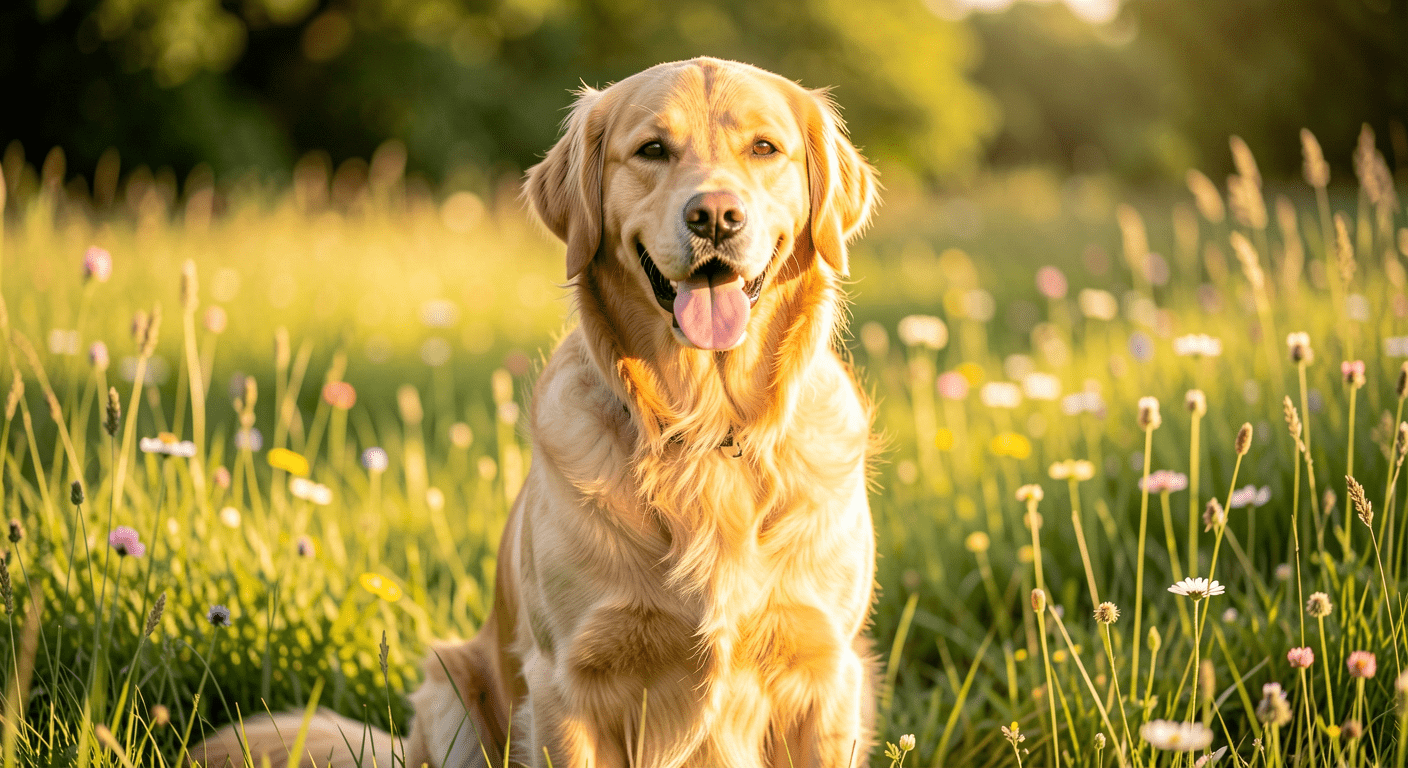
Golden Retriever Guide
Learn why this affectionate sporting breed needs training, grooming, and steady activity.
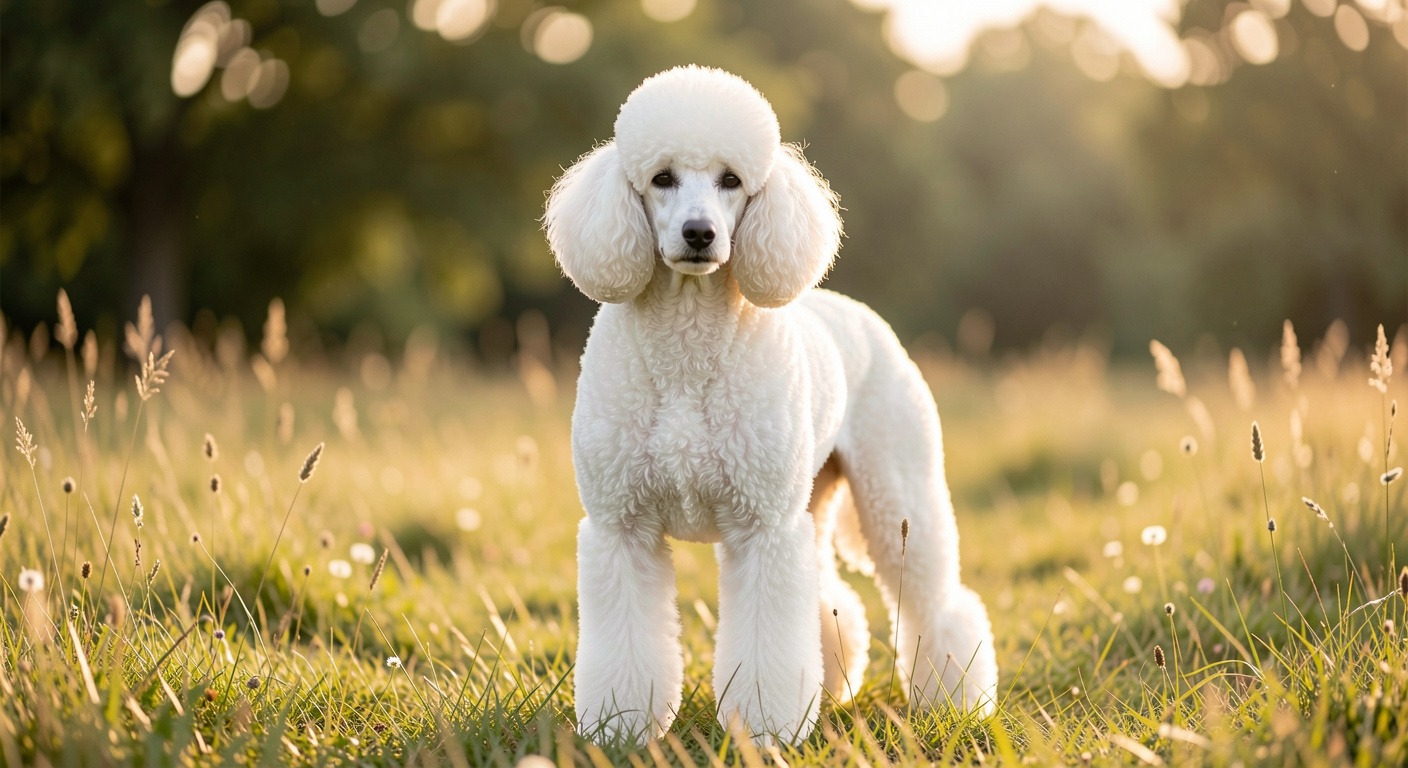
Poodle Guide
Compare Poodle sizes, care needs, grooming, and owner fit before choosing the breed.
Choosing a Frenchie? Plan for comfort first.
The right match is not just about cuteness. Build a simple plan for training, cooling, weight control, vet care, and daily companionship.
Explore More Breed Guides →