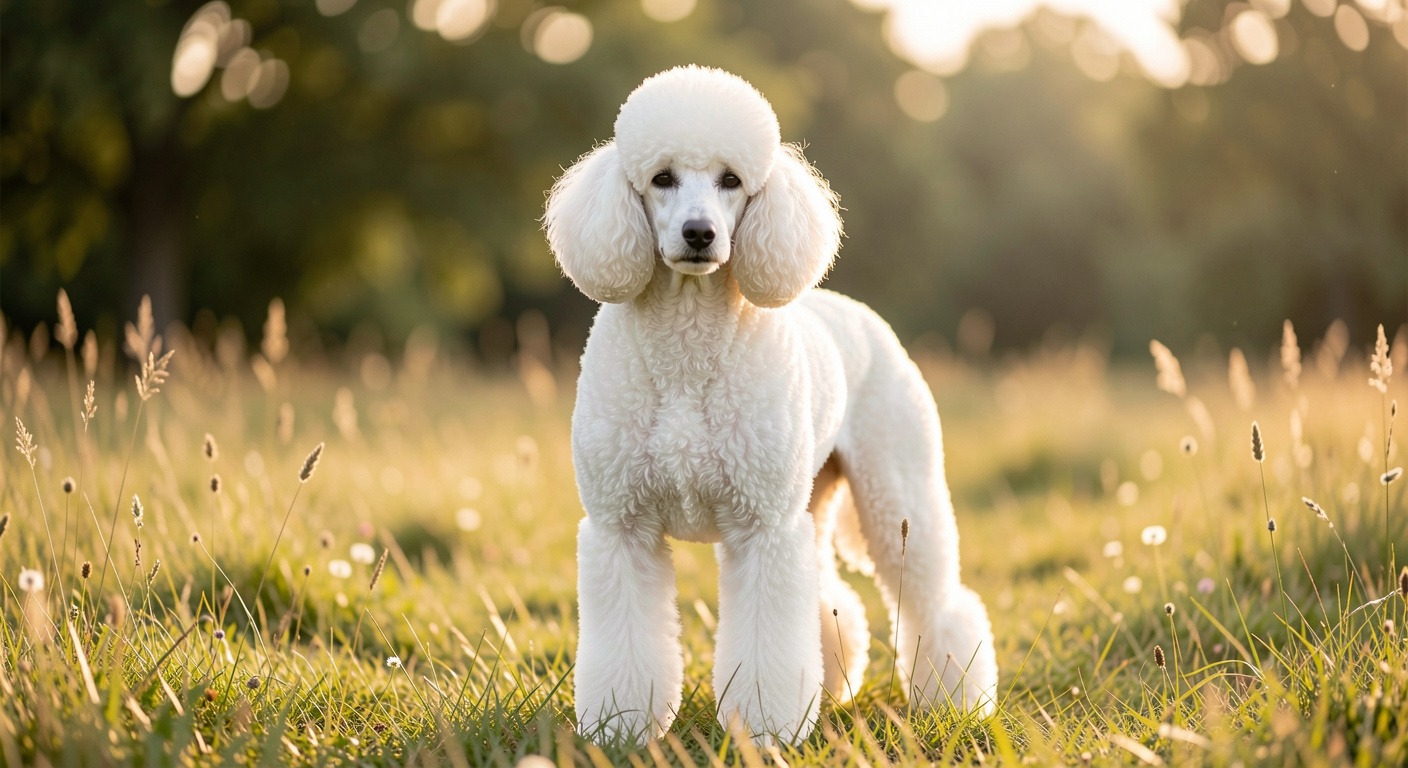
Smart, Athletic, and More Work Than They Look
Poodles can be wonderful family dogs for people who want a smart, involved companion and can keep up with grooming. Standard, Miniature, and Toy Poodles share the same bright, sensitive personality, but their exercise needs, fragility, and space needs differ. No dog is 100% hypoallergenic, but Poodles may work for some allergy-sensitive homes because they shed very little. Spend time with adult Poodles first if allergies are a concern.
Poodles are quick learners who enjoy training, games, routines, and being included in daily life.
The curly coat needs brushing, combing, and professional grooming every 4 to 8 weeks.
They suit homes that can provide exercise, mental work, gentle training, and a real grooming budget.
Poodle Breed Snapshot
| Trait | Poodle Details |
|---|---|
| Breed Group | Non-Sporting Group |
| Height | Toy: under 10 inches; Miniature: 10 to 15 inches; Standard: over 15 inches |
| Weight | Toy: about 4 to 6 pounds; Miniature: about 10 to 15 pounds; Standard: about 40 to 70 pounds |
| Lifespan | About 10 to 18 years, often longer in smaller Poodles |
| Coat Type | Dense, curly, continuously growing coat |
| Shedding | Low shedding, but not maintenance free |
| Exercise Needs | Moderate to high, depending on size and age |
| Temperament | Intelligent, alert, people-focused, playful, sensitive |
| Best Home Fit | Owners who enjoy training, can budget for grooming, and want an involved companion |
What Is a Poodle Like?
A Poodle is not just a fancy haircut. This breed started as a water retriever, which explains the athletic body, sharp mind, and strong desire to work with people. Even Toy and Miniature Poodles often act like big dogs in small bodies.
Standard Poodles are usually the most athletic and need the most physical exercise. Miniature Poodles are a nice middle ground for many homes because they are sturdy, portable, and energetic. Toy Poodles are small companion dogs, but they still need training, enrichment, and careful handling.
Most Poodles are affectionate without being lazy. They like routines, learn household patterns quickly, and often follow their people from room to room. The flip side is that a bored Poodle may bark, pace, dig, chew, or invent games that do not match your furniture plans.
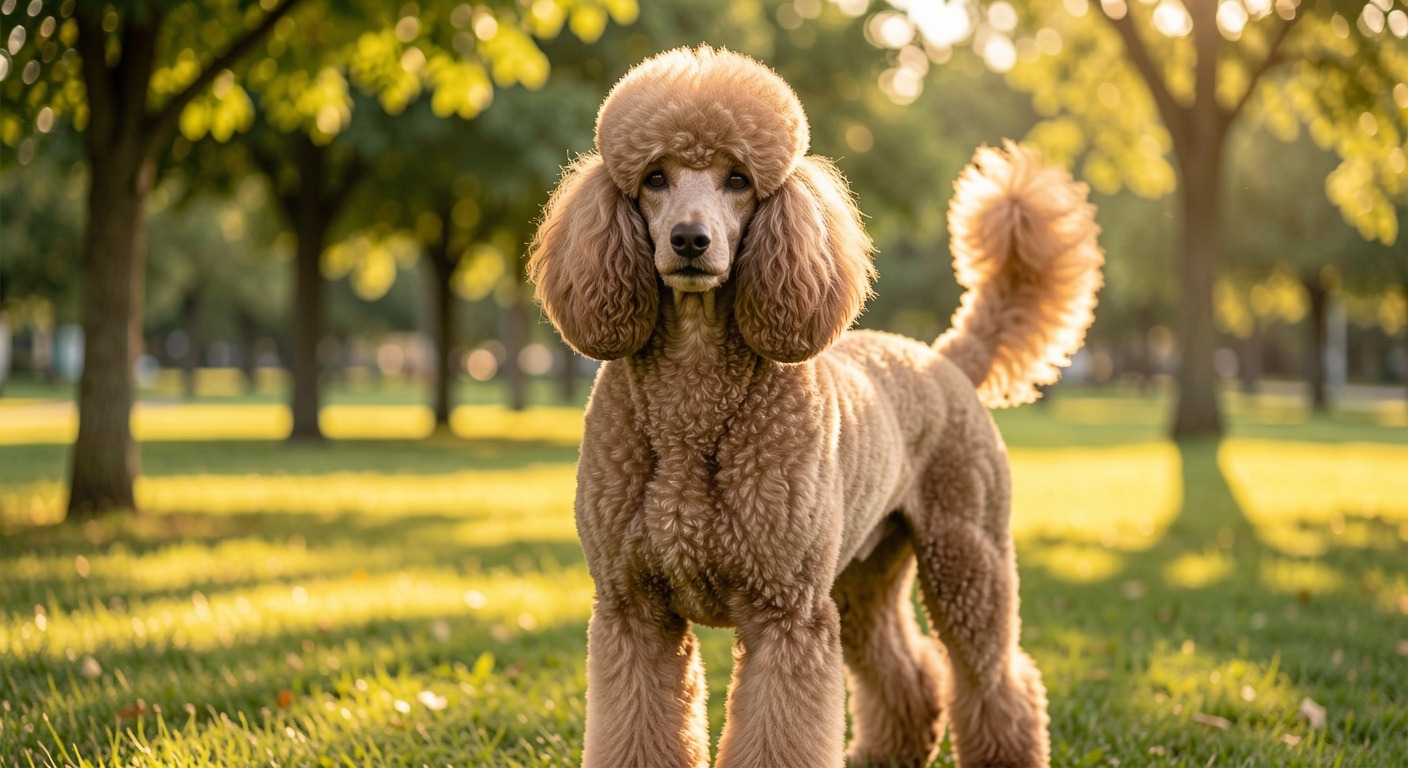
Is a Poodle Good for First-Time Dog Owners?
Yes, a Poodle can be a good first dog if the owner is ready for grooming, training, and daily activity. They are usually eager to learn and respond well to kind, consistent guidance. That helps new owners build good habits early.
The harder part is maintenance. A Poodle is not a low-effort breed. Skipping brushing can cause painful mats. Skipping mental stimulation can lead to barking and restless behavior. A first-time owner who wants a smart dog and is willing to follow a routine can do very well. A first-time owner who wants an easy, low-grooming dog may be happier with another breed.
Temperament and Personality
With Family
Poodles usually bond closely with their people. Many are cheerful, funny, and tuned in to household emotions. They do best when treated like family members, not yard dogs. Long days alone can be hard for them, especially if they do not get enough exercise first.
With Children
Poodles can live happily with children, but no breed is automatically safe with kids. Supervision matters. Standard Poodles may be a better match for active families with respectful children because they are sturdier. Toy Poodles are fragile and can be injured by rough handling, falls, or being squeezed. Teach children to give the dog space during meals, sleep, grooming, and rest.
With Other Dogs
Many Poodles are friendly with other dogs when socialized early. Standards may enjoy active dog friends. Smaller Poodles can be cautious around large, bouncy dogs, so introductions should be calm and controlled. Match playmates by size, confidence, and play style.
With Strangers
Poodles are often alert and may announce visitors. That does not mean they should be pushy or aggressive. Early socialization helps them learn that new people, sounds, and places are normal. Some Poodles warm up quickly, while others prefer a polite introduction first.
Exercise Needs
Poodles need both body exercise and brain work. The exact amount depends on size, age, health, and personality.
- Standard Poodles: often need 60 to 90 minutes of activity per day, split into walks, fetch, swimming, hiking, or training games.
- Miniature Poodles: often do well with 45 to 60 minutes per day plus play and puzzles.
- Toy Poodles: may need 30 to 45 minutes per day, but in smaller, gentler sessions.
Good activities include sniff walks, fetch, trick training, food puzzles, and safe swimming. Avoid forcing intense exercise on puppies, seniors, or dogs with pain. If your Poodle suddenly slows down, limps, pants heavily, or refuses normal activity, check with your veterinarian.
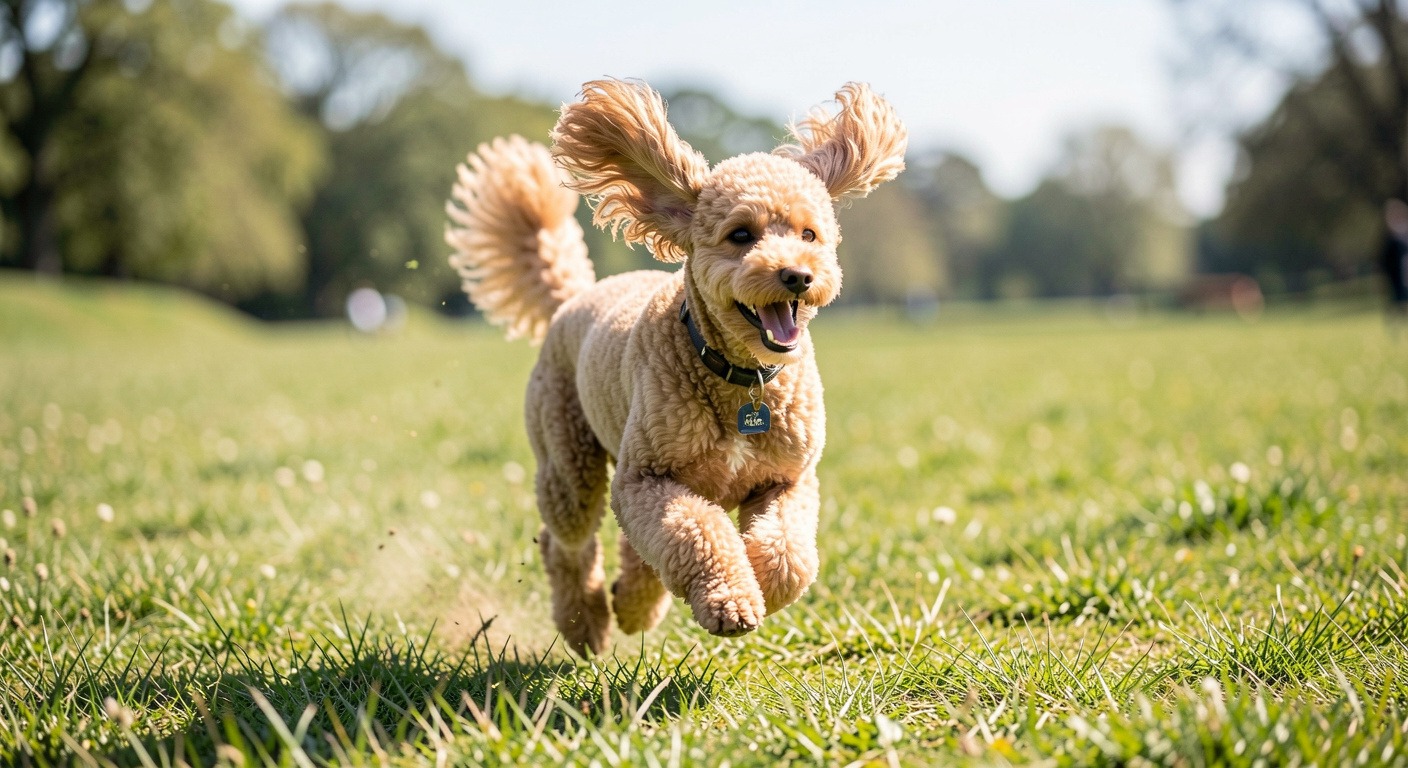
Training Needs
Poodles are highly trainable, but they are also sensitive. They do best with positive reinforcement, clear rules, short practice sessions, and rewards that matter to them. Food, play, praise, sniffing, and access to favorite activities can all be useful rewards.
Start with name response, sit, down, stay, come, leash walking, handling practice, and calm settling. Add grooming handling early, including paws, ears, face, tail, and standing on a non-slip surface. This makes future grooming and vet visits less stressful.
Common challenges include barking, jumping, separation distress, leash excitement, and picky reward habits. Do not use harsh corrections. A confused or overwhelmed Poodle may shut down or become more anxious.
Grooming and Shedding
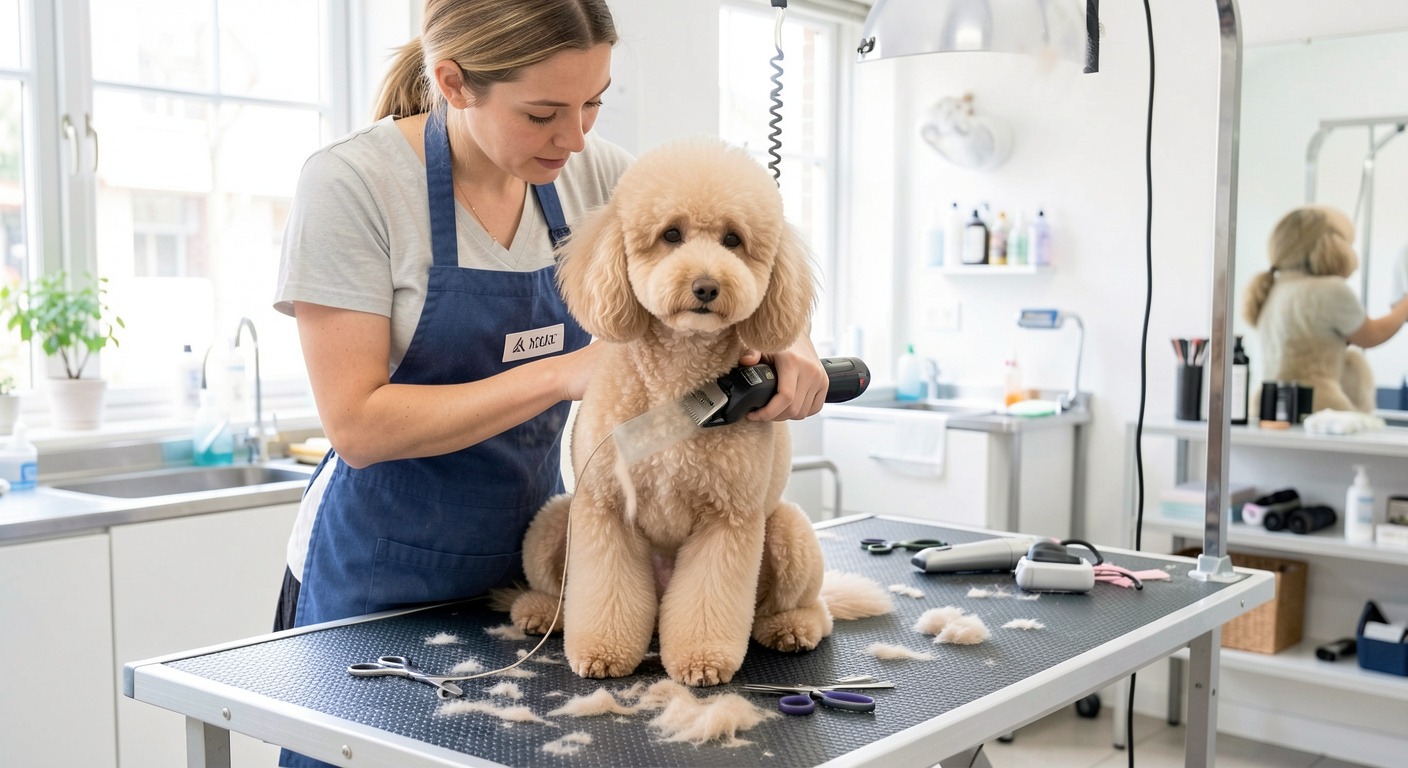
Grooming is the biggest lifestyle factor for this breed. A Poodle’s coat grows continuously and can mat close to the skin. Mats pull painfully, trap moisture, and can hide skin irritation. Low shedding does not mean low maintenance.
- Brushing and combing: Brush several times a week, then check with a metal comb down to the skin.
- Professional grooming: Plan for a full groom about every 4 to 8 weeks.
- Bathing: Bathe as needed with dog-safe products, then dry the coat fully to prevent tangles.
- Ears: Poodles can be prone to ear issues because hair and moisture may collect in the ear canal.
- Nails and teeth: Trim nails regularly and build a dental care routine at home.
No dog is 100% hypoallergenic. Poodles may bother some allergy-sensitive people less because they shed less loose hair, but allergens also come from dander, saliva, and urine. Meet the breed in person before committing.
Common Health Concerns
Like all breeds, Poodles can be prone to certain health problems. Good breeders screen parent dogs, share health results, and do not pressure you to buy quickly. Rescue dogs can also be wonderful, but a vet exam and realistic budget are still important.
| Concern | What to Know | More Common In |
|---|---|---|
| Hip dysplasia | A joint problem that can cause pain, stiffness, and arthritis. | Standard Poodles |
| Bloat or GDV | A sudden, life-threatening stomach emergency that needs urgent veterinary care. | Mostly Standard Poodles |
| Luxating patella | A kneecap problem that may cause skipping, limping, or discomfort. | Toy and Miniature Poodles |
| Progressive retinal atrophy | An inherited eye disease that can lead to vision loss. | Miniature and Toy Poodles |
| Addison’s disease | A hormone disorder that can cause vague signs such as weakness, vomiting, or collapse. | All sizes |
| Sebaceous adenitis | An inflammatory skin condition that can affect coat quality and comfort. | More often Standards |
Puptify provides general education, not diagnosis. Ask your veterinarian about breed-specific screening, dental care, parasite prevention, weight management, and emergency risks such as bloat in Standard Poodles. For pain, sudden behavior changes, breathing trouble, vomiting, collapse, or serious symptoms, contact a veterinarian.
Feeding and Nutrition
Feed a complete and balanced food that matches your Poodle’s life stage, size, and body condition. Puppies need puppy food, while adults need maintenance food unless your veterinarian recommends something else. Toy and Miniature Poodles may need smaller kibble and measured meals because weight gain shows quickly.
Standard Poodles should avoid huge meals right before or after hard exercise because deep-chested dogs can be at higher risk for bloat. Ask your vet about feeding schedule, ideal weight, and preventive steps. Keep training treats small, and always provide fresh water.
Best Home Environment
Good fit for:
- Owners who want a clever, interactive dog.
- Families who can supervise children and teach gentle handling.
- Apartment homes that provide walks, enrichment, and training.
- Active homes that enjoy games, classes, hikes, or swimming.
- People prepared for grooming costs and home coat care.
Not ideal for:
- People who want a low-grooming dog.
- Homes where the dog will be alone for very long days with little enrichment.
- Families with toddlers considering a fragile Toy Poodle.
- Owners who dislike barking, training practice, or regular coat maintenance.
Cost of Owning a Poodle
| Expense | What to Expect |
|---|---|
| Food | Small Toy Poodles cost less to feed, while Standards need more food. Quality, size, and health needs change the monthly total. |
| Grooming | This is often the largest routine cost. Professional grooming every 4 to 8 weeks is normal. |
| Vet care | Budget for wellness exams, vaccines, parasite prevention, dental care, and possible breed-related testing. |
| Toys/supplies | Plan for puzzle toys, grooming tools, a comfortable bed, leash, harness, bowls, and safe chews. |
| Training | Puppy classes, manners classes, or private help can be worth it for barking, leash skills, and confidence. |
Pros and Cons
| Pros | Cons |
|---|---|
| Very intelligent and trainable | Needs regular grooming and brushing |
| Low shedding compared with many breeds | Can bark when bored or under-stimulated |
| Comes in three sizes for different homes | Can be sensitive to harsh handling or chaotic routines |
| Often playful, affectionate, and people-focused | Toy Poodles can be fragile around young children or large dogs |
| Can excel in training, sports, therapy work, and family life | Needs mental enrichment, not just a quick walk |
Should You Get a Poodle?
Consider a Poodle if you want a smart, affectionate dog and can provide structure, grooming, exercise, and gentle training. They suit owners who enjoy daily walks, tricks, classes, swimming, or calm routines at home.
Choose another breed if grooming costs feel stressful, if enrichment time is limited, or if you want a dog that mostly entertains itself. Poodles are wonderful companions, but they are not background pets.
Frequently Asked Questions
Q: Are Poodles good family pets?
Yes, many Poodles are excellent family pets when their exercise, grooming, and training needs are met. Standard Poodles are often a sturdy choice for active families, while smaller Poodles need more careful handling.
Q: Are Poodles good with kids?
They can be, but supervision is important. Children should learn to respect the dog’s space, and adults should prevent rough handling. Toy Poodles are fragile and may not be the best match for toddlers.
Q: Do Poodles bark a lot?
Poodles can be alert barkers. Enough exercise, early socialization, calm routines, and reward-based training can reduce nuisance barking. If barking is sudden or unusual, rule out pain, stress, or hearing changes.
Q: Can Poodles live in apartments?
Yes, especially Toy and Miniature Poodles, and some Standards can adapt too. Apartment life works best when the dog gets daily walks, training, puzzles, and enough bathroom breaks.
Q: Are Poodles easy to train?
They are usually quick learners, but they still need consistency. Keep sessions short, kind, and rewarding. Teach grooming handling early so coat care does not become a battle.
Q: Do Poodles shed, and are they hypoallergenic?
Poodles shed very little compared with many breeds, but no dog is 100% hypoallergenic. Some allergy-sensitive homes do well with Poodles, but people should spend time with adult Poodles before bringing one home.
Q: How much exercise does a Poodle need?
Toy Poodles may need about 30 to 45 minutes per day, Miniatures often need 45 to 60 minutes, and Standards often need 60 to 90 minutes. Brain games matter just as much as walking.
Q: Is a Poodle a good beginner dog?
Yes for beginners who want to train, groom, and stay involved. No for beginners who want a very low-maintenance dog. The breed is forgiving in training, but the coat and mental needs are real commitments.
Helpful Puptify Guides
- New Dog Owner Guide
- Dog Nutrition Complete Guide
- Dog Training Complete Guide
- Best Dog Beds for Every Breed
- Dog Gear Products Complete Guide
- Dog Health Complete Guide
Keep Reading: More Breed Guides


Ready to Compare More Breeds?
Choosing a dog is easier when you compare real care needs, not just cute photos. Browse more practical breed guides before you decide.
Explore All Breed Guides