The First Month Blueprint
Veterinary & Behavioral Disclaimer: Puptify provides general education, not diagnosis or treatment. Every rescue dog is an individual with a unique history. The guidance in this article draws on recommendations from the ASPCA, the American Kennel Club, the Humane Society of the United States, and the American Veterinary Society of Animal Behavior (AVSAB). If your dog shows signs of severe anxiety, aggression, or any behavior that concerns you, consult a veterinarian or a certified force-free behavior professional.
Quick Answer: What Should You Expect in the First 30 Days with a Rescue Dog?
The first 30 days with a rescue dog follow a predictable pattern known as the 3-3-3 rule: 3 days to decompress, 3 weeks to learn your routine, and 3 months to feel fully at home. During the first month, your priorities are simple: provide safety, establish a predictable routine, and let the dog set the pace for bonding. Do not overwhelm them with visitors, dog parks, or intense training. Trust is built in quiet moments.
Expect your rescue dog to be overwhelmed at first. Most dogs follow the 3-3-3 rule: 3 days of decompression (hiding, low appetite), 3 weeks of routine learning (testing boundaries, personality emerging), and 3 months to feel truly at home. During the first 30 days, prioritize quiet, routine, and patience. Do not introduce visitors, dog parks, or formal training in week one. Let the dog approach you.
What Is the 3-3-3 Rule for Rescue Dogs?
The 3-3-3 rule is a widely used guideline among rescue organizations, veterinarians, and shelters. It describes three phases of adjustment that nearly every rehomed dog passes through. Understanding these phases prevents the most common mistake new rescue owners make: expecting too much, too soon. According to the American Kennel Club, this timeline helps adopters set realistic expectations.
The 3-3-3 rule describes three adjustment phases after adoption: 3 days to decompress (the dog is overwhelmed, may hide or refuse food), 3 weeks to learn household routines (personality starts to emerge, boundaries are tested), and 3 months to feel fully at home (the dog trusts their environment and bonds deeply with their family). This is a guideline, not a deadline. Some dogs need longer.
| Phase | What the Dog Feels | What You Should Do | What to Avoid |
|---|---|---|---|
| First 3 Days | Overwhelmed, scared, confused. May hide, refuse food, or shut down completely. Some dogs become hypervigilant. | Provide a quiet, designated safe space. No visitors, no forced interaction. Hand-feed meals to build trust. Keep walks short and calm. | Loud gatherings, dog parks, pet stores, forced cuddling, baths, reaching over the dog’s head. |
| First 3 Weeks | Starts to understand your routine and household rhythms. Begins testing boundaries. True personality starts peeking through. | Keep the routine consistent (same walk times, same feeding times). Introduce basic positive reinforcement training. Schedule the vet checkup. Start alone-time practice. | Inconsistent rules between family members, overwhelming new experiences, punishment for fear-based behaviors like growling. |
| First 3 Months | Feels secure in the home. Full personality is visible. Deeper bonding occurs. Ready for more advanced training and socialization. | Gradually increase exposure to new experiences. Continue positive reinforcement training. Celebrate progress, and recognize that some behaviors may still be works in progress. | Comparing your dog’s timeline to other rescue dogs. Every dog moves at their own pace. |
Before Bringing Your Rescue Dog Home
The work starts before your dog walks through the door. A few hours of preparation can prevent days of stress for both of you. Here is what you need before pickup day:
✅ Before-Bringing-Home Checklist
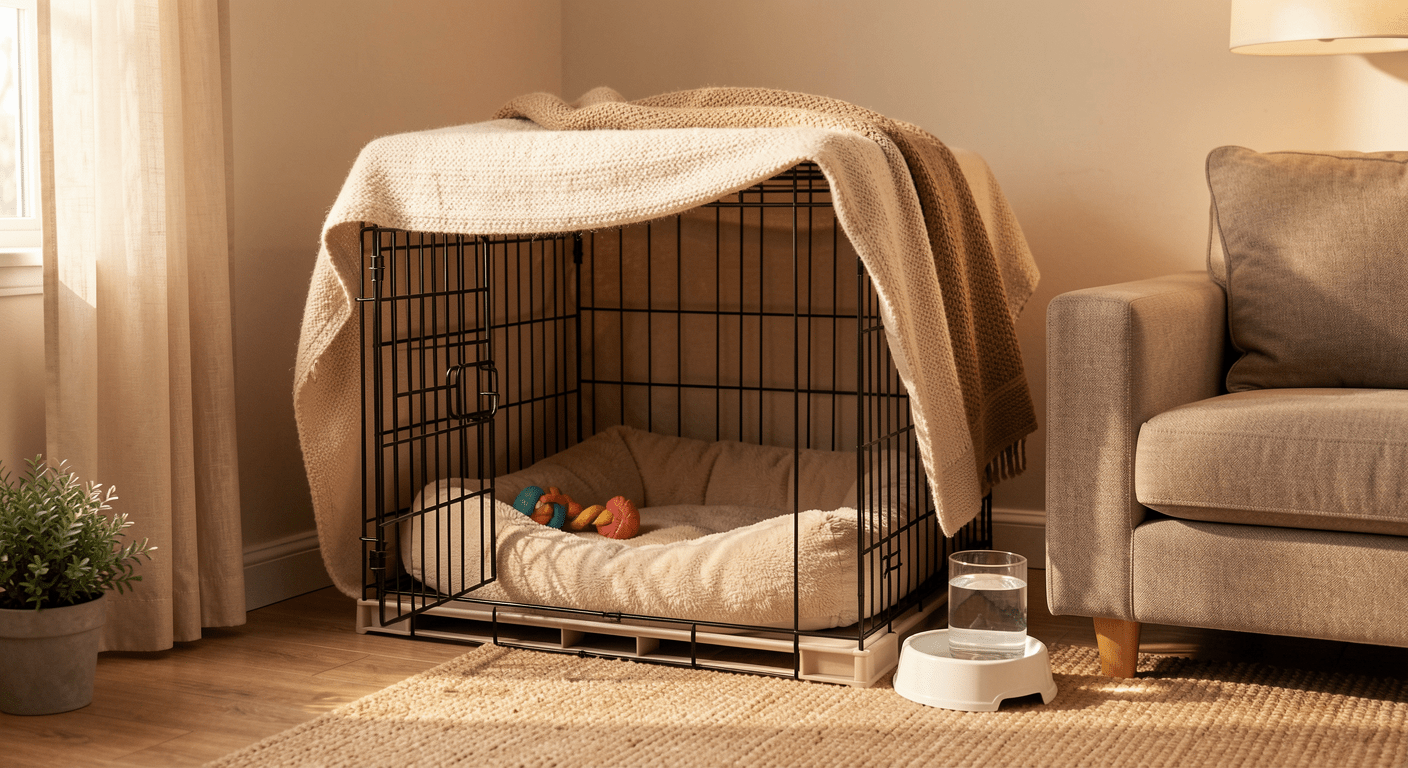
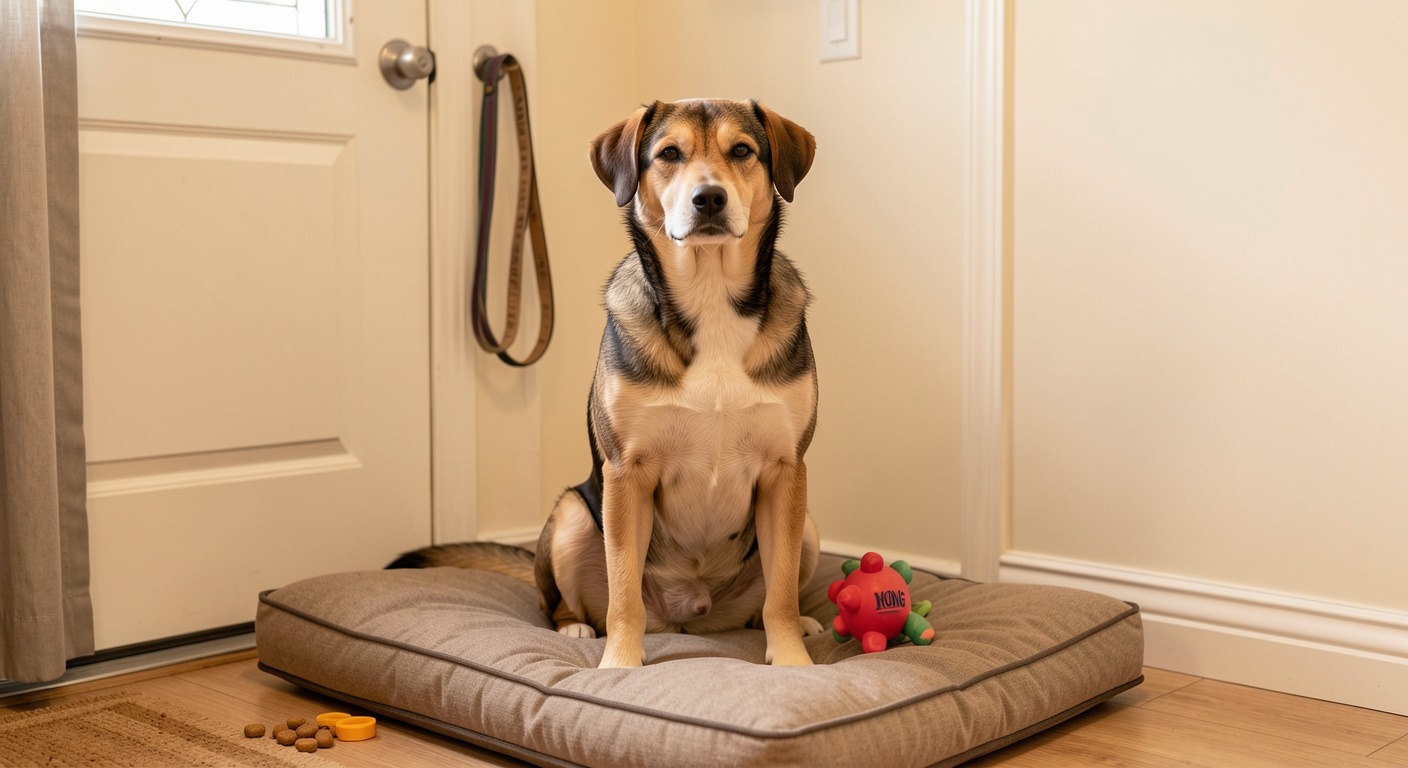
- Quiet zone. Set up a designated safe area: a crate with the door left open and a soft bed inside, placed in a quiet corner of a room where family spends time. This is your dog’s sanctuary where no one bothers them. Never drag your dog out of this space.
- Essential supplies. Food and water bowls (stainless steel, nonslip), a martingale collar or well-fitted harness with ID tag, a 6-foot nylon or leather leash (no retractable leashes for the first month), high-value treats (freeze-dried liver, small cheese cubes, boiled chicken), a few safe chew toys (Kong or similar), poop bags, and an enzymatic cleaner for accidents.
- Hazard sweep. Walk through your home at dog height. Secure loose electrical cords, toxic houseplants (lilies, sago palm, pothos), medications, cleaning supplies, and small objects that could be swallowed. Use baby gates to block off unsafe rooms.
- House rules discussion. Get every household member on the same page. Who feeds the dog? Who walks them? Is the dog allowed on furniture? Consistency from day one reduces confusion and stress for your new dog.
- Veterinary appointment. Schedule a wellness check within the first week. According to VCA Animal Hospitals, a baseline exam, stool sample, and discussion of vaccination history help catch issues that shelters may have missed. Bring any records the rescue provided.
Day 1: Keep Everything Quiet and Simple
Pickup day is exciting, but your rescue dog is not excited. They are confused, possibly terrified. Drive straight home. Do not stop at the pet store. Do not invite the neighbors over. Keep the first 24 hours as boring and predictable as possible.
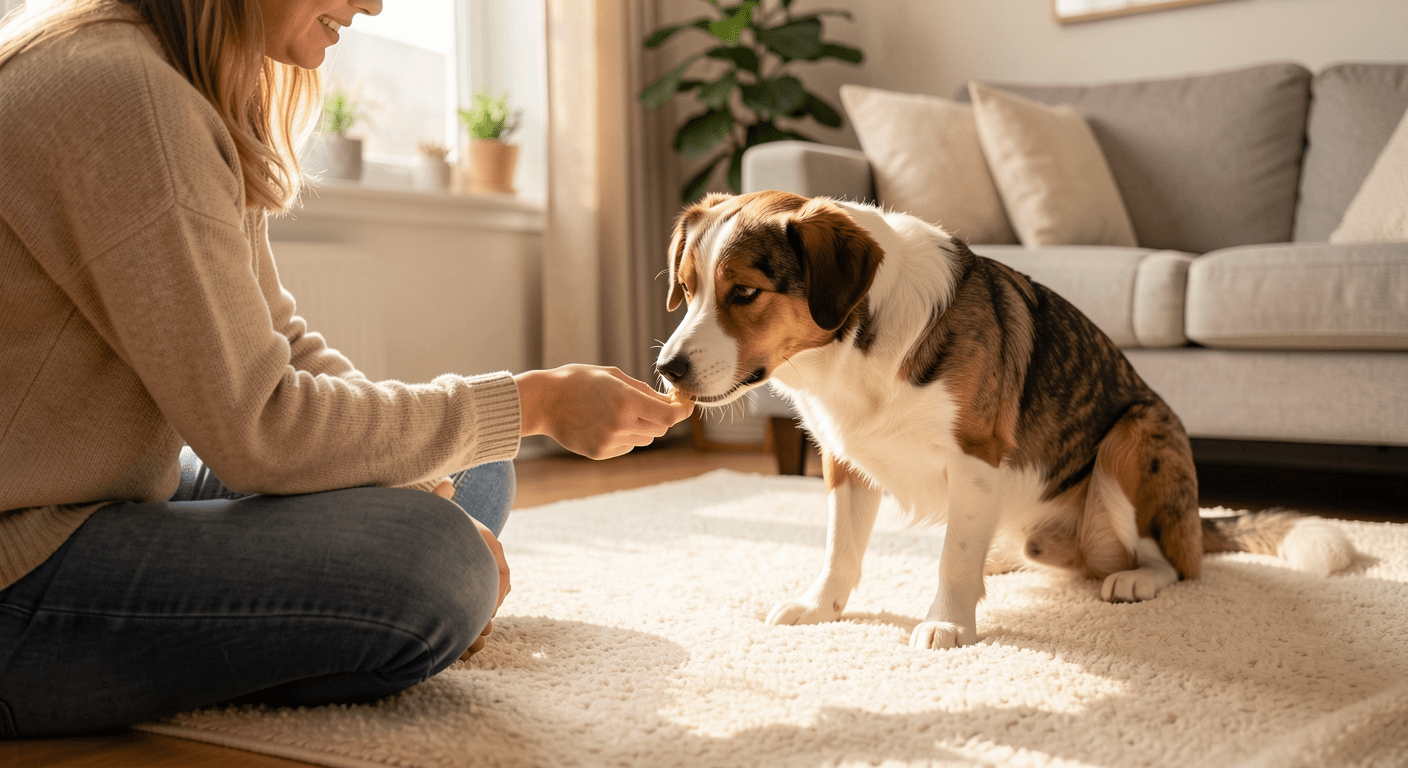
When you arrive home, take your dog on a short, calm walk around the block or yard first (on leash) to let them sniff and relieve themselves. Then bring them inside and lead them directly to their safe zone. Show them the water bowl. Sit on the floor nearby, sideways, and let them observe you. Do not reach for them. Toss a few treats near you and wait. If they hide, let them hide. Fear Free Happy Homes emphasizes that forcing interaction on a frightened dog damages trust before it can begin to form.
Days 1–3: Decompression and Safety
During the first three days, your dog is not themselves. They are running on stress hormones, processing a massive life change. The ASPCA recommends keeping the environment as low-stimulation as possible during this critical decompression window.
What to do during days 1 through 3:
- Establish feeding times immediately. Predictability is calming. Feed at the same times each day. If your dog will not eat from the bowl, try hand-feeding small amounts or scattering kibble on the floor near their safe zone.
- Take short, calm leash walks in quiet areas. Avoid busy streets, dog parks, and off-leash areas. Let your dog sniff (sniffing lowers stress). Keep walks to 10 to 15 minutes.
- Let the dog come to you. Sit on the floor sideways at dog level. Toss treats near you. Scratch under the chin or chest if the dog approaches (never reach over their head). If they do not approach, that is fine. Try again later.
- Skip the bath, the groomer, the pet store trip. These can all wait until week 2 or 3.
- Keep household noise low. No loud music, yelling, or vacuuming near the dog’s safe zone.
Signs your dog is decompressing well: eating normally, sleeping deeply (not just dozing alertly), approaching you voluntarily, tail starting to relax from a tucked position, and less whale eye (showing the whites of their eyes).
Hiding is a normal stress response in the first days after adoption. Your rescue dog has lost everything familiar: their previous home, routine, and possibly people they trusted. Hiding makes them feel safe while they process the change. Do not drag them out or force interaction. Sit quietly in the same room, toss treats near their hiding spot, and let them emerge on their own timeline. Most dogs stop hiding within 3 to 7 days.
Week 1: Let Your Rescue Dog Settle In
The first full week is about decompression and observation. Your dog is learning your household rhythms: when you wake up, when meals happen, when walks happen. They are watching you. They are deciding whether this place is safe.
Most rescue dogs begin to settle noticeably within 2 to 3 weeks. You will see the first signs around day 7 to 10: deeper sleep, voluntary approach behavior, tail wags, and beginning interest in toys or play. Full settling (where the dog shows their complete personality and feels genuinely at home) typically takes 3 months. Dogs with trauma histories may need 6 to 12 months. Trust the process and let the dog set the pace.
Week 1 priorities:
- Create a safe zone your dog controls. A crate with the door open, a soft bed, water, and a chew toy placed in a quiet corner. Teach every household member (including children) that when the dog is in this space, they are off-limits. The dog must learn that retreat is always available. This is the single most important tool for building trust with a fearful rescue.
- Begin hand-feeding. Reserve a portion of each meal to offer by hand while sitting calmly near your dog. Your hands become the source of good things. This is one of the fastest ways to build trust.
- Start name recognition. Say your dog’s name in a happy voice. When they look at you, mark with “yes!” and give a treat. Repeat 10 to 15 times throughout the day using small, high-value treats.
- Schedule the veterinary checkup. Per VCA Hospitals, a wellness exam within the first 7 days establishes a health baseline. Bring a stool sample. Discuss vaccination status, spay or neuter history, and any behavioral observations. Your vet can also recommend a board-certified veterinary behaviorist if needed.
Stress suppresses appetite. It is very common for a rescue dog to skip meals in the first 24 to 72 hours. Offer food at regular times and leave it available for 15 to 20 minutes before removing it. Try warming the food slightly, adding warm water, or hand-feeding small amounts. If your dog has not eaten anything after 48 hours, or shows signs of illness (vomiting, diarrhea, lethargy), contact your veterinarian.
Week 2: Build Routine and Gentle Trust
By week 2, your dog should understand the basic rhythm of your household. This is the week to introduce gentle structure while continuing to build trust. According to the American Veterinary Society of Animal Behavior, positive reinforcement training strengthens the human-animal bond and should be the foundation of all interactions with a new dog.
Week 2 priorities:
- Continue hand-feeding. It remains one of the fastest trust-builders through the entire first month.
- Start alone-time practice. Leave your dog in their safe zone with a stuffed frozen Kong or long-lasting chew for 5 to 10 minutes while you step into another room. Gradually increase duration. This helps prevent separation anxiety from developing.
- Introduce gentle handling. While your dog is relaxed, briefly touch their paws, ears, and mouth, then immediately give a treat. This builds comfort with handling for future vet visits and dental care.
- Start basic impulse control games. Wait for eye contact before placing the food bowl down. Ask for a sit before leashing up for walks. These small moments teach your dog that calm behavior gets rewarded.
Weeks 3–4: Start Training and Watch for Emerging Behaviors
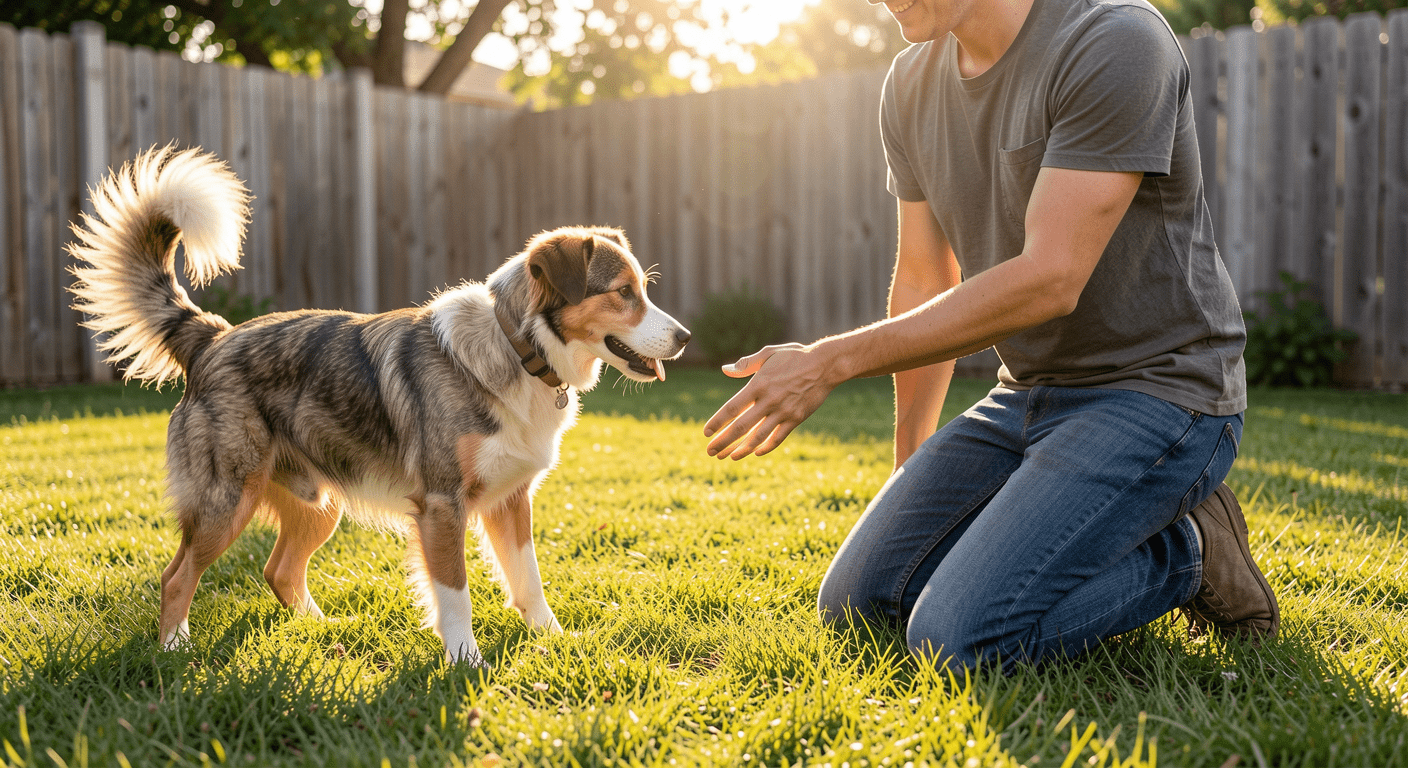
Around the three-week mark, something shifts. Your dog starts to believe this might actually be home. You will see more tail wags, more eye contact, more playfulness. You may also see some less delightful behaviors: counter-surfing, testing rules, or mild resource guarding. This is normal. Your dog feels safe enough now to show you who they really are.
Start very gentle, positive training by day 3 or 4: name recognition, hand targeting, and treat-based engagement games. Save formal obedience training (sit, stay, come, loose leash walking) for week 3 or later, when your dog has decompressed and can focus. A stressed brain cannot learn. Keep training sessions short (5 to 10 minutes), use high-value treats, and always end on a success. Force-free methods are recommended by AVSAB for all rescue dogs.
Week 3 to 4 priorities:
- Start basic positive reinforcement training. Sit, stay, come, and loose leash walking. Keep sessions to 5 to 10 minutes. Use high-value treats (freeze-dried liver, cheese, chicken). End every session on a success.
- Introduce one new experience at a time. A car ride around the block. A quiet coffee shop patio at off-peak hours. Meeting one calm, known dog on neutral ground. Watch your dog’s body language: lip licking, yawning, and whale eye (showing whites of eyes) are stress signals. Back off when you see them.
- If problem behaviors emerge (resource guarding, leash reactivity, fear of specific triggers), do not punish them. Per the AVSAB position statement on humane dog training, punishment-based methods increase fear and aggression risk. Instead, note the triggers and consult a certified force-free trainer (IAABC or CCPDT).
- Extend alone-time to 30 to 60 minutes if practice has gone well. If your dog shows signs of separation anxiety (destruction at exits, continuous vocalization, house soiling despite being trained), slow down and consult a professional.
Wait at least 7 to 10 days before introducing your rescue dog to visitors. When you do introduce someone new, have them ignore the dog completely at first: no eye contact, no reaching, no excited voices. Let the dog approach on their own terms. Have the visitor toss treats away from themselves so the dog can retreat. One visitor at a time. If your dog shows fear or stress, end the visit. Trust is more important than socializing.
First 30 Days Rescue Dog Checklist
| Week | Primary Goal | Owner Focus |
|---|---|---|
| Before Pickup | Prepare the environment | Set up safe zone, buy supplies, hazard-proof the home, schedule vet appointment, align household on rules. |
| Week 1 | Decompression and routine | Quiet space, predictable meals and walks, hand-feeding, no visitors, no dog parks, no training beyond name recognition. |
| Week 2 | Gentle structure and trust | Continue hand-feeding, start alone-time practice (5 to 10 minutes), gentle handling exercises, vet checkup if not done yet. |
| Week 3 | Basic training and observation | Start positive reinforcement obedience (sit, stay), introduce one new experience at a time, watch for emerging behaviors. |
| Week 4 | Deepening the bond | Extend alone-time (30 to 60 minutes), continue training, gradual exposure to more environments, celebrate progress. |
How to Build Trust with a Rescue Dog
Build trust by letting the dog set the pace. Hand-feed meals so your hands predict good things. Create a safe zone no one enters. Sit sideways at floor level rather than looming over the dog. Never punish fear-based behaviors like growling (it is communication, not defiance). Use positive reinforcement only. Be predictable: same walk times, same feeding times, same calm voice. Trust with a rescue dog is earned in dozens of small, consistent moments over weeks, not days.
Hand-Feed Meals
The fastest trust-builder. Your hands become the source of good things, not something to fear.
Respect the Safe Zone
Never drag your dog out of their crate or bed. The safe zone is inviolable. That is what makes it safe.
Let the Dog Set the Pace
Some rescue dogs bond in days. Others take months. Both timelines are normal. Do not rush it.
Common Rescue Dog Behaviors During the First Month
During the first 30 days, your rescue dog may display behaviors that seem concerning. Most are normal adjustment responses. Here is what each behavior means and how to respond. Always remember: growling is communication, not “bad behavior.” Never punish a growl. The ASPCA and AVSAB both emphasize that punishing warning signals can lead to bites without warning.
| Behavior | What It Means | What to Do | When to Get Help |
|---|---|---|---|
| Hiding | Normal fear response. Your dog feels overwhelmed and is seeking safety. | Let them hide. Sit quietly nearby, toss treats. Do not drag them out. | If hiding continues past 2 weeks with no improvement despite a calm environment. |
| Not eating | Stress suppresses appetite. Common in the first 48 to 72 hours. | Offer food at regular times. Try warming it or adding warm water. Hand-feed small amounts. | If no food is consumed after 48 hours, or if accompanied by vomiting, diarrhea, or lethargy. |
| House soiling | Even previously house-trained dogs may regress due to stress and new routine. | Do not punish. Go back to basics: frequent potty breaks (every 2 to 3 hours), praise and treats for going outside, supervision or safe zone when you cannot watch them. Use enzymatic cleaner. | If accidents continue past 2 to 3 weeks of consistent routine, rule out medical causes with your vet. |
| Following you everywhere | “Velcro dog” behavior. You are the only familiar thing in a strange world. | This is normal in the first 2 to 3 weeks. Gently encourage independence with stuffed Kongs in the safe zone while you are in another room. | If it persists past the first month with panic when you leave, it may indicate separation anxiety. |
| Sleeping a lot | Decompression is exhausting. Your dog is processing a massive life change. | Let them sleep. A dog who sleeps deeply (not just dozing alertly) is decompressing well. | If excessive sleep continues past 3 to 4 weeks with no alert, engaged periods, consult your vet. |
| Barking at everything | Hypervigilance. Your dog is on high alert in an unfamiliar environment. | Do not punish. Manage the environment (close curtains, white noise). Redirect to a chew or toy. Reward calm behavior. See our barking guide. | If barking is nonstop, prevents sleep, or escalates to panic, consult a force-free trainer. |
| Growling | Communication. Your dog is saying “I am uncomfortable.” This is a warning, not aggression. | Never punish a growl. Note what triggered it and give the dog space. Punishing growling removes the warning without removing the fear. | If growling escalates to snapping or lunging, or if the trigger is unpredictable, consult a board-certified veterinary behaviorist immediately. |
| Resource guarding | Protecting food, toys, or space. This is fear-based, not dominance. | Do not punish. Manage the environment (feed in separate spaces, remove high-value items during adjustment). Trade for higher-value items rather than taking things away. | Seek professional help if guarding escalates or involves snapping. Resource guarding can be dangerous and requires expert guidance. |
| Leash pulling | May be excitement, fear, or simply never having been taught loose leash walking. | Use a front-clip harness. Stop walking when the leash goes tight. Reward walking beside you. See our leash training guide. | If pulling is accompanied by lunging or reactivity toward other dogs or people, consult a force-free trainer. |
| Sudden confidence | Your dog is starting to feel safe. This is good! But it may come with boundary testing. | Celebrate the progress. Maintain consistent rules and routines. Redirect inappropriate behaviors calmly. | Rarely needs professional help unless accompanied by new aggressive behaviors. |
Mistakes to Avoid with a New Rescue Dog
- Too many introductions too soon. Let the dog settle for at least 7 to 10 days before meeting extended family or friends. When you do introduce new people, have them ignore the dog at first. Let the dog approach.
- Correcting fear-based behaviors. If your dog growls, do not punish the growl. A growl is communication: “I am uncomfortable.” Punishing it removes the warning without removing the fear, which can lead to bites without warning.
- Skipping the veterinary visit. Even if the rescue provided records, get your own vet’s baseline. Some conditions (heartworm, dental disease, parasites) are easily missed in shelter environments. Bring a stool sample.
- Inconsistent rules between family members. If one person allows the dog on the couch and another scolds them for it, the dog gets confused and anxious. Align on rules before the dog arrives.
- Using punishment-based training. Shock collars, prong collars, alpha rolls, yelling, or physical corrections have no place with a rescue dog. The AVSAB strongly recommends positive reinforcement only. Punishment increases fear and can trigger aggression in traumatized dogs.
- Expecting the dog to be “grateful.” Rescue dogs do not owe us gratitude. We chose them. Our job is to earn their trust, not demand their affection.

When to Get Professional Help
Most rescue dogs adjust well with patience and consistency. But some dogs need more support, and recognizing when to seek professional help is part of responsible ownership. None of the signs below mean you have failed. They mean your dog has needs that go beyond what a general guide can address.
Contact a board-certified veterinary behaviorist (ACVB) or a certified force-free trainer (IAABC or CCPDT) if your dog shows any of the following:
- Severe anxiety that does not improve after 3 to 4 weeks despite a calm, consistent environment. Signs include nonstop pacing, trembling, refusal to eat beyond 48 hours, or panic vocalization.
- Aggression toward people or other pets. This includes growling, snapping, lunging, or biting. Do not attempt to “fix” aggression on your own. Aggression is a serious safety issue that requires professional assessment.
- Extreme fear that prevents normal daily activities. If your dog cannot leave their safe zone to eat, drink, or go outside to eliminate after the first week.
- Self-injury. Chewing paws until they bleed, breaking teeth on crate bars, or head-banging against walls. These are signs of severe distress requiring immediate intervention.
- Resource guarding that escalates. If your dog freezes, growls, snaps, or bites when approached near food, toys, or resting spots.
- Separation anxiety. Destruction focused on exit points, continuous howling or barking when left alone, self-injury during absences, or house soiling in an otherwise house-trained dog when left. See our separation anxiety guide.
Some rescue dogs benefit from short-term or long-term anti-anxiety medication prescribed by a veterinary behaviorist. Medication is not “giving up.” It is giving your dog’s brain enough relief that training and bonding can actually happen. Think of it like glasses: they do not change who your dog is. They help your dog see the world more clearly.
Find a qualified professional through the American College of Veterinary Behaviorists (ACVB) directory for medication and behavior plans, or the International Association of Animal Behavior Consultants (IAABC) or Certification Council for Professional Dog Trainers (CCPDT) for force-free training support.
Frequently Asked Questions
🐾 Is it normal for my rescue dog to sleep a lot during the first month?
Yes. Decompression is mentally and physically exhausting. Your dog is processing a massive life change, and sleep is how the brain recovers. A dog who sleeps deeply (not just dozing alertly with one eye open) is actually decompressing well. If excessive sleep with zero alert periods continues beyond 3 to 4 weeks, mention it to your vet.
🐾 Should I crate my rescue dog on the first night?
It depends on your dog. If the rescue or foster reported that the dog is comfortable with a crate, set it up with the door open and a soft bed inside. Place it in your bedroom so the dog can smell and hear you. If the dog has no crate history or shows fear of confinement, set up a bed in a quiet corner instead and use baby gates if needed. Never force a rescue dog into a crate on the first night. For a complete guide, see our crate training article.
🐾 When should the first veterinary visit happen?
Schedule it within the first 7 days, even if the rescue provided health records. Shelters and rescues do their best, but some conditions (heartworm, dental disease, parasites, skin issues) can be missed in a shelter environment. Bring a stool sample and any paperwork the rescue gave you. Your vet will establish a health baseline and can discuss any concerns you have noticed during the first week.
🐾 How soon can I leave my rescue dog alone?
Start with very short absences (5 to 10 minutes) by week 2, provided the dog is settling well. Leave them in their safe zone with a stuffed frozen Kong. Gradually increase duration: 15 minutes, 30 minutes, then 1 hour. By week 4, many dogs can handle 2 to 3 hours alone. If your dog shows signs of separation anxiety (destruction at exits, continuous vocalization, house soiling), slow down and see our separation anxiety guide.
🐾 Should I let people visit during the first week?
No. The first 7 to 10 days should be as quiet as possible. Your dog needs to learn that your home is safe before they can process meeting new people. When you do introduce visitors after the first week, have one person visit at a time. Ask them to ignore the dog completely (no eye contact, no reaching, no excited voices). Let the dog approach on their own terms. If the dog hides or shows stress, end the visit.
🐾 How do I introduce my rescue dog to children?
Supervision is non-negotiable. Before the dog arrives, teach children the rules: no hugging the dog, no approaching the dog when they are in their safe zone, no taking toys or food from the dog, and no running or screaming near the dog. When children do meet the dog (after at least 7 days of settling), have them sit quietly on the floor and let the dog approach. Children should pet the dog gently on the chest or side, not on the head. Keep early interactions short (2 to 3 minutes) and always end on a positive note.
🐾 How do I introduce my rescue dog to my existing dog?
Introduce them on neutral territory first: a quiet street or park, not inside your home. Walk them parallel to each other at a distance of 20 to 30 feet, gradually closing the gap over 10 to 15 minutes. Keep both on leash. Watch for relaxed body language (loose wagging tails, play bows, relaxed ears). Bring them inside together. Separate them during meals and high-value treats for at least the first 3 to 4 weeks to prevent resource guarding. Never leave them unsupervised together until you are fully confident in their relationship.
🐾 What if my dog growls at me?
Do not punish the growl. Growling is communication. Your dog is telling you: “I am uncomfortable with what is happening right now.” Punishing a growl removes the warning signal without addressing the fear, which can lead to bites without warning. Instead, stop what you are doing, note what triggered the growl (reaching for the food bowl, touching a sensitive area, approaching while the dog is resting), and give the dog space. If growling happens repeatedly in similar situations, consult a certified force-free trainer.
🐾 What if my rescue dog has accidents inside the house?
House-training regression is normal during the adjustment period. Do not punish. It will damage trust. Go back to basics: frequent potty breaks (every 2 to 3 hours), praise and high-value treats for going outside, and supervision or safe zone time when you cannot watch them. Use an enzymatic cleaner (not ammonia-based) to remove all trace of odor. Most dogs relearn house training within 2 to 3 weeks of a consistent routine. If accidents continue past 3 weeks, rule out a urinary tract infection or other medical cause with your veterinarian.
🐾 Can the adjustment period take longer than 3 months?
Absolutely. The 3-3-3 rule is a guideline, not a deadline. Dogs with trauma histories (abuse, neglect, puppy mill backgrounds, multiple rehomings) may need 6 to 12 months or longer to fully trust and relax. Some behaviors may be lifelong management challenges rather than things to “fix.” The goal is not a perfect dog. It is a dog who feels safe enough to be themselves, whatever that timeline looks like.
🐾 My rescue dog will not eat for the first day or two. Is that normal?
Yes, it is very common. Stress suppresses appetite. Offer food at regular times and leave it available for 15 to 20 minutes. Hand-feeding small amounts may help. Try warming the food slightly or adding a little warm water to make it more aromatic. If your dog has not eaten anything after 48 hours, contact your vet.
🐾 When can I start formal training with my rescue dog?
You can start very gentle, positive training by day 3 or 4: things like name recognition and hand targeting. Save formal obedience training for week 3 or later, when your dog has decompressed and can focus. A stressed brain cannot learn. Keep sessions short (5 to 10 minutes) and use high-value treats. Never use punishment, corrections, or aversive tools. Training should always be a positive experience that strengthens your bond.
🐾 How do I introduce my rescue dog to my existing dog?
Introduce them on neutral territory: a quiet street or park, not inside your home. Walk them parallel to each other at a distance, gradually closing the gap over 10 to 15 minutes. Keep both on leash. Watch for relaxed body language (loose wagging tails, play bows, relaxed ears). Bring them inside together. Separate them during meals and high-value treats for the first few weeks to prevent resource guarding.
🐾 How long until my rescue dog is fully adjusted?
Every dog is different, but most rescues follow the 3-3-3 timeline: 3 days to stop being terrified, 3 weeks to start feeling comfortable, 3 months to truly feel at home. Some dogs who experienced severe trauma may take 6 to 12 months to fully relax. The timeline is not a test. It is just a guide. Your dog will show you when they are ready for more.
Final Tip: Go Slow, Stay Consistent, Build Trust
The first 30 days with a rescue dog are not about training, showing off your new companion, or rushing to the dog park. They are about proving one thing to your dog: this time, the home is permanent.
Go slow. Be predictable. Let the dog set the pace for bonding. The dog who hides in the corner on day 1 and the dog who greets you with a wagging tail on day 30 are the same dog. They just needed time to believe they were safe. You gave them that. That is everything.
Related Guides
Puppy Crate Training: A Positive Guide
How to build positive crate associations from day one with your new dog.
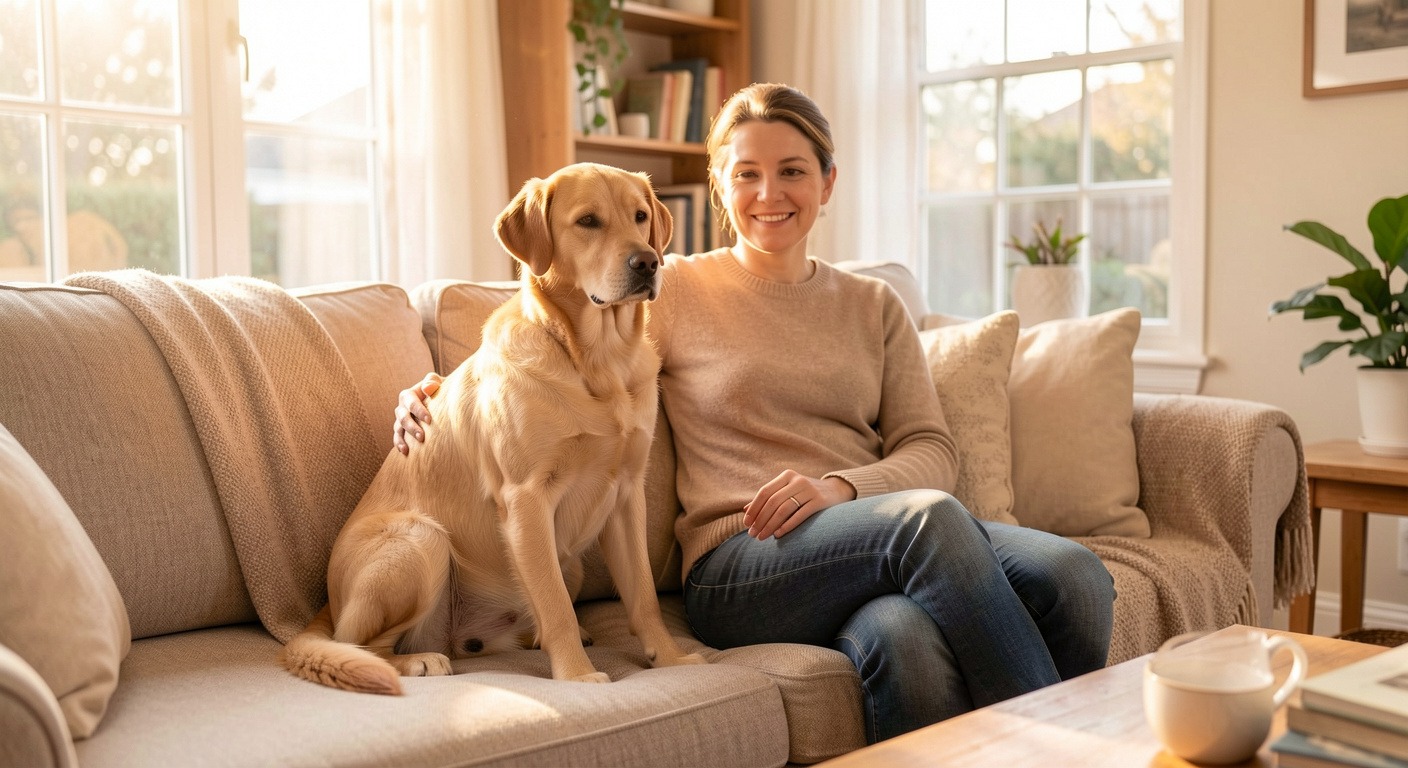
Separation Anxiety in Dogs
Signs, causes, and a step-by-step training plan for dogs who panic when left alone.
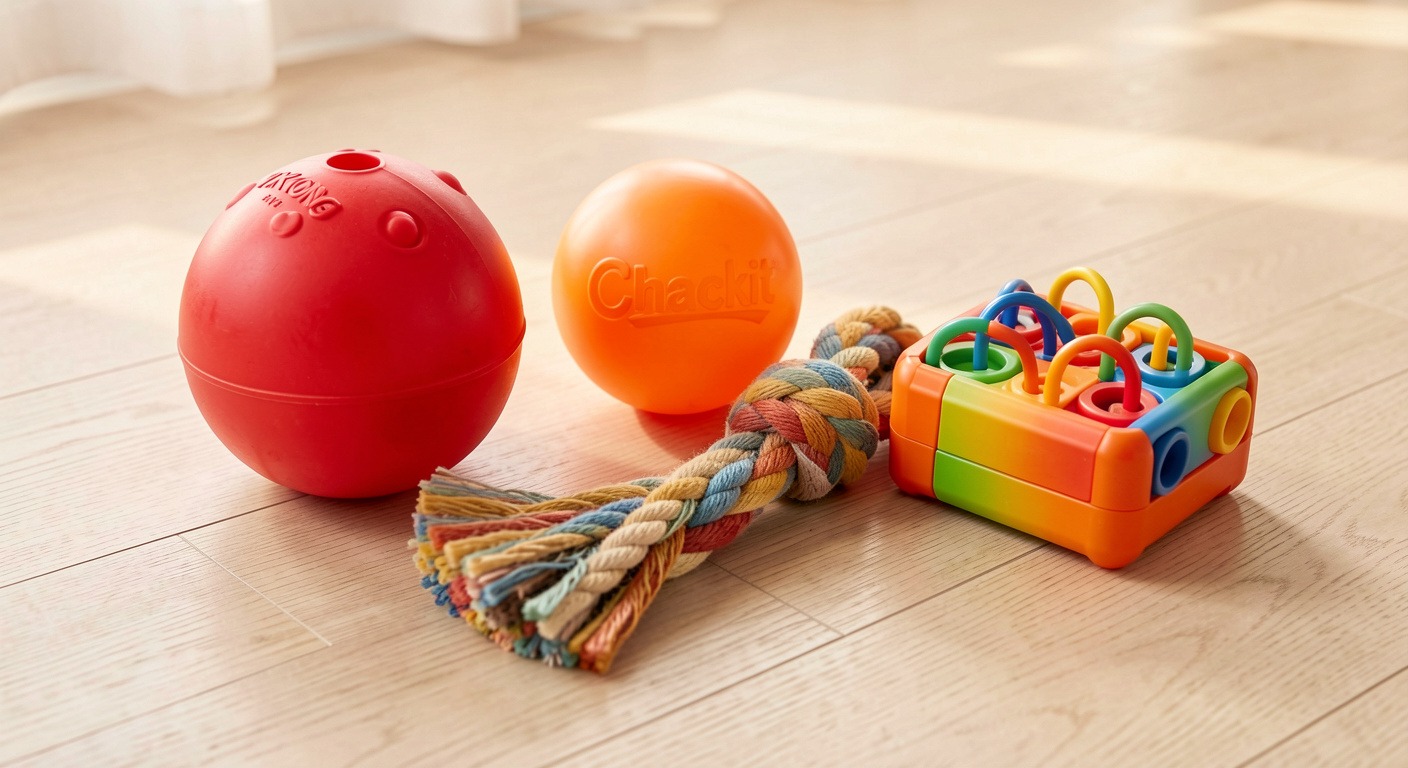
Stop Dog Barking: A Positive Guide
Identify the cause of your dog’s barking and address it without punishment.
More Resources for Your New Rescue

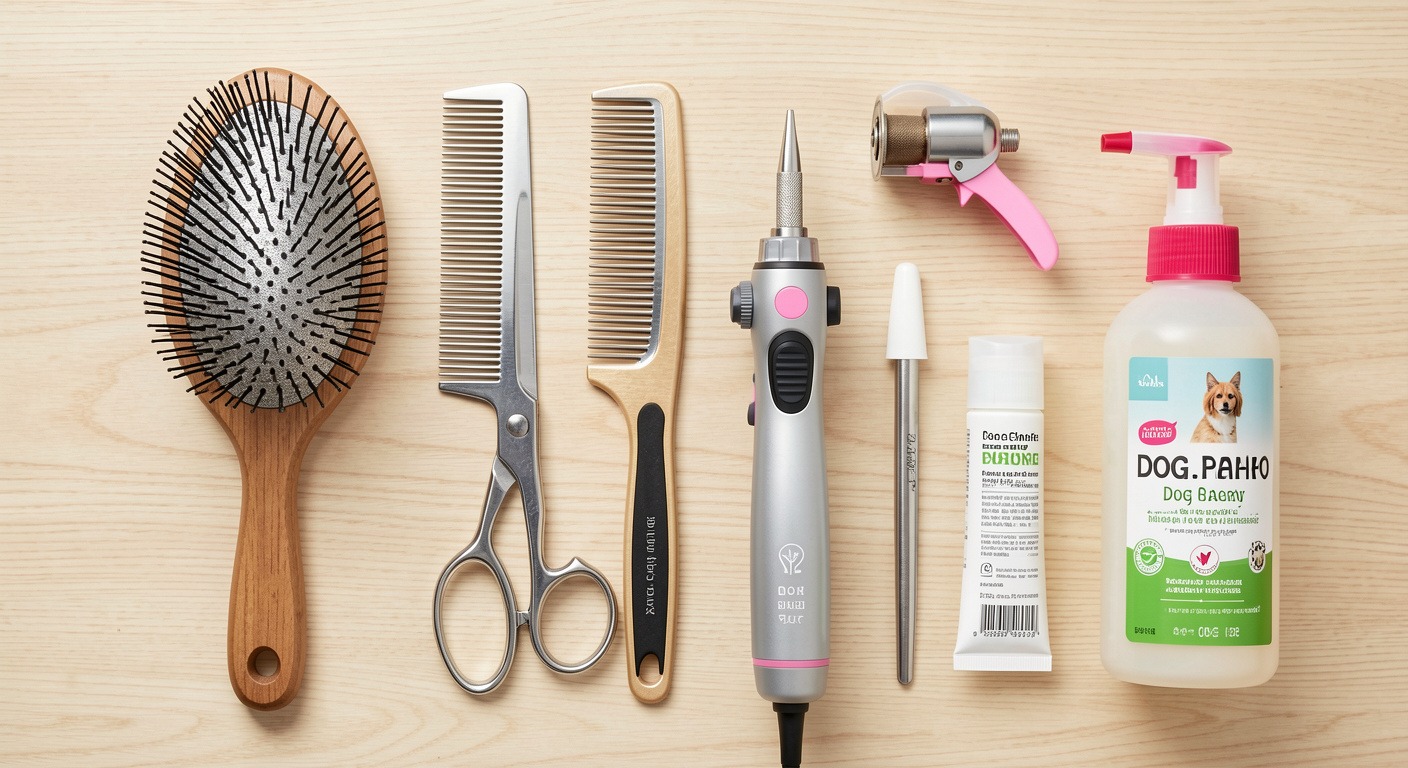
You Are Giving a Dog a Second Chance
Be patient. Be consistent. Let the love grow at the dog’s pace. What you are building is worth every quiet, careful moment. Explore our complete libraries for more guidance.
Explore New Owner Guides → Explore Dog Training →Puptify provides science-backed dog care education for everyday dog parents. Our guides are researched using veterinary sources, certified behaviorist recommendations, and positive reinforcement training methodology. This article references the ASPCA, American Kennel Club, Humane Society of the United States, Fear Free Happy Homes, VCA Animal Hospitals, American Veterinary Society of Animal Behavior (AVSAB), International Association of Animal Behavior Consultants (IAABC), Certification Council for Professional Dog Trainers (CCPDT), and the American College of Veterinary Behaviorists (ACVB). For specific concerns about your dog’s behavior or health, consult your veterinarian or a certified force-free behavior professional.