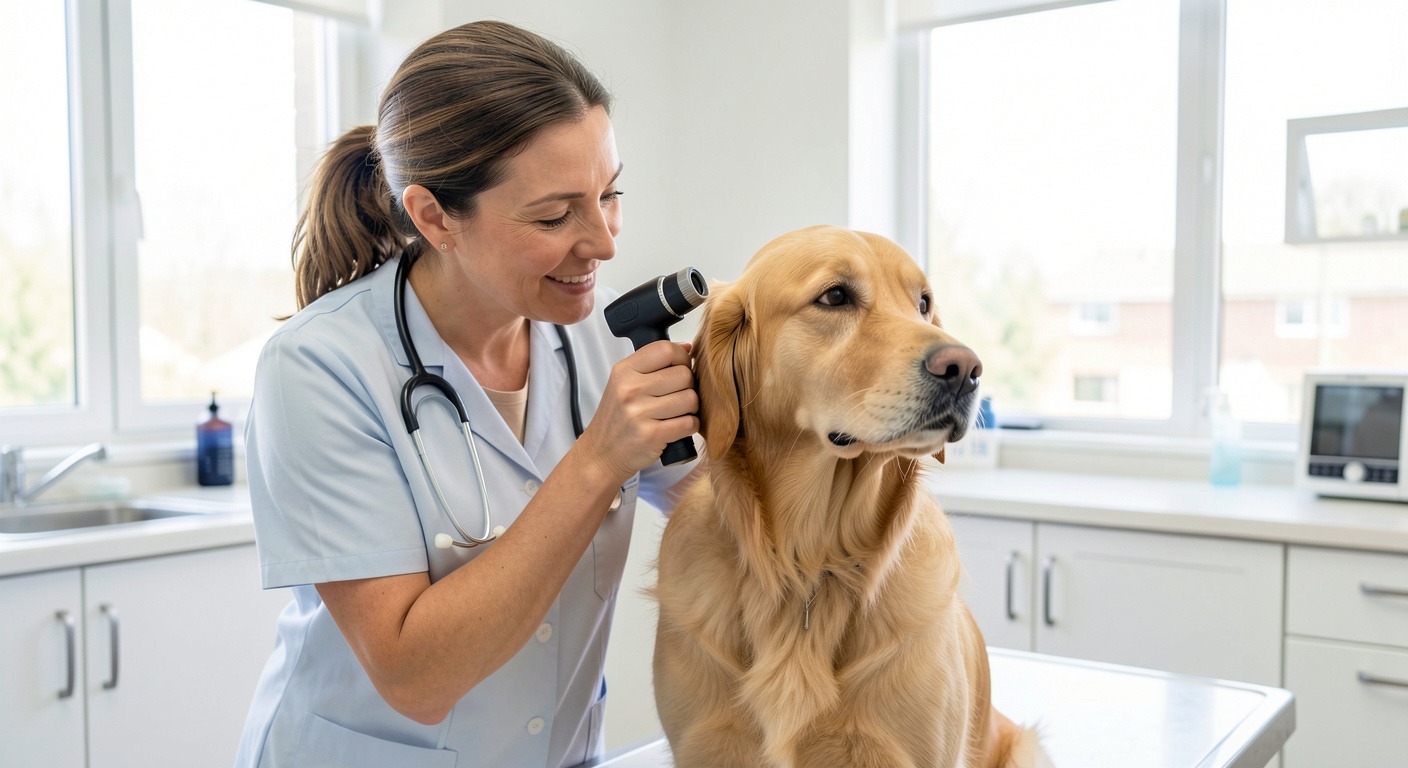
Spot It Early, Treat It Right
Quick Answer: How Do You Know If Your Dog Has an Ear Infection?
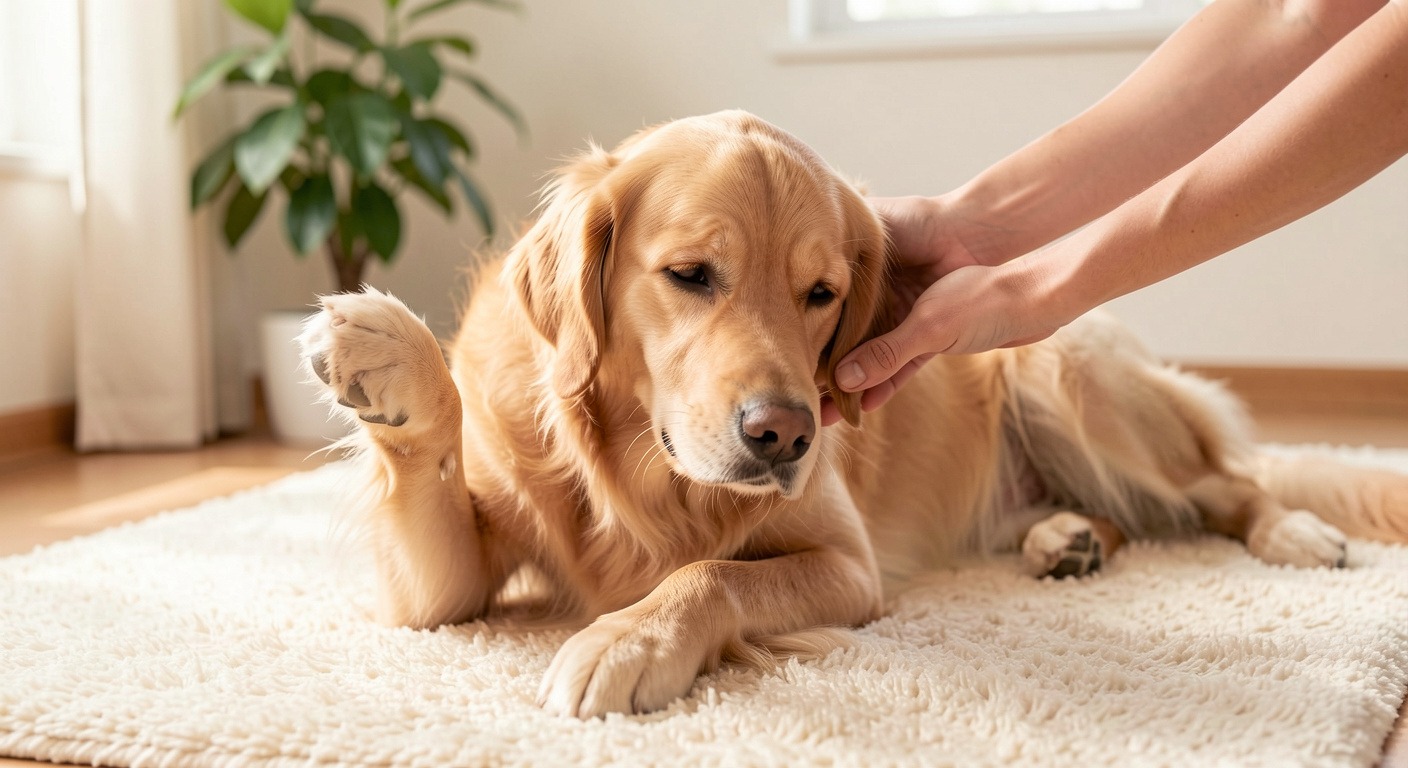
A dog with an ear infection typically shakes their head frequently, scratches at one or both ears, and may have visible redness, swelling, or discharge inside the ear flap. A strong odor , often described as yeasty, musty, or foul , is another common clue. Ear infections are painful and usually worsen if ignored. Most require a veterinarian’s diagnosis because bacteria, yeast, and ear mites each need different treatment. Ear infections usually need a veterinarian if there is pain, swelling, discharge, strong odor, head tilt, balance problems, or symptoms lasting more than 2-3 days.
If your dog has been shaking their head more than usual or pawing at their ears like something is seriously bothering them, you are not alone. Dog ear infections are one of the most common reasons dogs visit the vet , accounting for roughly 20% of all canine veterinary appointments, according to the American Kennel Club. The good news? Most ear infections are highly treatable when caught early. The key is recognizing the signs and understanding what you are dealing with , so your dog gets the right help, not guesswork.
Know the Signs
Head shaking, scratching, odor, redness, and discharge , learn all 12 symptoms and their urgency levels.
Identify the Cause
Bacteria, yeast, mites, allergies, and moisture each need different approaches. Guessing can make things worse.
Home Care Done Right
Safe cleaning techniques, what never to put in your dog’s ears, and when to call the vet immediately.
What Is a Dog Ear Infection?
A dog ear infection , medically called otitis externa when it affects the outer ear canal , happens when bacteria, yeast, or other microorganisms overgrow inside the ear. A healthy dog ear has natural defenses that keep these microbes in check. But when moisture gets trapped, the ear canal’s delicate balance tips, and infection takes hold.
Dogs are particularly prone to ear infections because of the shape of their ear canal. Unlike the straight human ear canal, a dog’s ear canal is L-shaped , it goes down vertically, then takes a sharp turn horizontally before reaching the eardrum. This design traps moisture, wax, and debris, creating the perfect breeding ground for trouble. Floppy-eared breeds face an extra challenge because the ear flap itself reduces airflow.
Dog Ear Infection Symptoms
Dogs cannot tell us when their ears hurt, but their behavior speaks volumes. The table below covers the full range of symptoms, what they may indicate, and how urgently each deserves attention. Remember , these are general patterns, not a substitute for a veterinary exam.
| Symptom | What It May Indicate | How Urgent It Is |
|---|---|---|
| Head shaking | Ear irritation or discomfort , often the earliest sign | Monitor; if persistent beyond 24 hours, consult your vet |
| Scratching at ears | Itching from inflammation, yeast, or mites | Monitor; may indicate an issue needing diagnosis |
| Ear odor | May be associated with yeast (musty, bread-like) or bacteria (foul, sour) | Vet evaluation recommended if odor is strong or new |
| Redness inside the ear | Inflammation in the ear canal , can be early infection or allergy flare | Vet check recommended, especially if paired with other signs |
| Brown, waxy discharge | Often associated with yeast overgrowth | Vet visit for proper diagnosis and treatment |
| Yellow or green discharge | May indicate a bacterial infection | Vet visit within 48 hours |
| Black, coffee-ground debris | May indicate ear mites , classic sign is dry, crumbly dark debris | Vet visit; all household pets may need checking |
| Pain when ear is touched | Deep inflammation or infection | Vet visit within 24 hours |
| Swollen ear flap | Possible aural hematoma (blood-filled swelling from shaking) | Vet visit within 24-48 hours |
| Head tilt | May indicate middle or inner ear involvement | Emergency vet visit |
| Loss of balance or circling | Can be associated with inner ear infection or vestibular issues | Emergency vet visit |
| Hearing changes | Advanced or chronic infection may affect hearing | Vet visit as soon as possible |
Common Causes of Dog Ear Infections
Ear infections do not happen randomly. They almost always have an identifiable trigger, and understanding which one applies to your dog is critical for getting the right treatment. The VCA Animal Hospitals note that otitis externa can be driven by several distinct underlying factors , and treating the wrong cause can make things worse.
Bacterial Ear Infections
Bacteria are among the most common culprits in dog ear infections. The warm, moist ear canal provides an ideal environment for organisms like Staphylococcus and Pseudomonas to multiply rapidly. Bacterial infections often produce a foul odor and yellow or greenish discharge. They typically require prescription antibiotic ear medications from a veterinarian , over-the-counter products are rarely effective against established bacterial infections.
Yeast Ear Infections
Yeast overgrowth , most commonly Malassezia pachydermatis , causes a distinct musty, bread-like smell and dark brown, waxy discharge. The ear may look greasy and inflamed. Yeast thrives in moisture, so dogs who swim frequently or live in humid climates are at higher risk. Antifungal ear medications prescribed by a vet are the standard treatment. A yeast infection can look similar to other conditions, so a veterinary diagnosis with ear cytology is important.
Ear Mites
Ear mites (Otodectes cynotis) are tiny parasites that cause intense itching and a dry, crumbly discharge that may resemble coffee grounds. They are more common in puppies and outdoor cats but can affect dogs of any age. Ear mites are contagious between pets, so if one animal in the household has them, all should be checked. Prescription parasiticides clear them up quickly, but treatment must cover all affected pets to prevent reinfestation.
Allergies and Chronic Ear Inflammation
Allergies are a leading cause of recurring ear problems. Both food allergies and environmental allergies (pollen, dust mites, mold) can trigger chronic inflammation in the ear canal, creating an environment where secondary infections take hold. Up to 80% of dogs with food allergies may develop recurrent ear infections. If your dog has ongoing ear issues alongside skin problems, paw licking, or seasonal flare-ups, allergies may be the underlying driver. A dog allergy symptoms evaluation with your veterinarian can help break the cycle. For related skin and coat care, our best dog grooming tools guide covers brushes that help reduce irritation.
Moisture, Swimming, and Bathing
Water trapped in the ear canal after swimming, bathing, or even a walk in heavy rain creates the warm, humid conditions that yeast and bacteria need to flourish. This is sometimes called “swimmer’s ear” in dogs, and it is especially common in water-loving breeds like Labrador Retrievers. Drying the outer ear gently after water exposure is one of the simplest and most effective prevention steps you can take. For more on keeping your Lab healthy, see our Labrador Retriever care guide.
Why Some Dogs Get Recurring Ear Infections
If your dog seems to battle ear infections over and over, there is likely an underlying factor that has not been addressed. Recurring infections are rarely just bad luck. Common predisposing factors include:
- Floppy ears , Breeds like Cocker Spaniels, Basset Hounds, and Golden Retrievers have heavy ear flaps that trap moisture and reduce airflow. See our Golden Retriever care guide for breed-specific ear care tips.
- Allergies , Food and environmental allergies are a primary driver of chronic ear inflammation. Treating the allergy often resolves the ear infections.
- Excess ear hair , Breeds like Poodles and Schnauzers grow hair inside the ear canal, blocking airflow and trapping debris.
- Frequent swimming or bathing , Water in the ear canal creates ideal conditions for yeast and bacteria overgrowth.
- Anatomical differences , Narrow ear canals or polyps can prevent proper drainage and ventilation.
- Underlying health conditions , Hypothyroidism and other hormonal imbalances can affect skin and ear health.
If your dog has had three or more ear infections in a 12-month period, your veterinarian may recommend a deeper investigation , including allergy testing, dietary trials, or imaging , to identify and address the root cause rather than just treating each flare-up. This is also a good time to review your dog’s overall wellness; our dog health guides cover comprehensive care strategies.
Dog Ear Infection vs Ear Mites vs Allergies
Many ear problems in dogs produce similar-looking symptoms , redness, itching, discharge, and discomfort. This is why guessing at home can lead to the wrong treatment. The table below compares common ear issues, but it is not a diagnostic tool. A veterinarian uses an otoscope to see the full ear canal and ear drum, and an ear cytology test under a microscope to identify yeast, bacteria, or mites. Always get a veterinary diagnosis before starting any treatment.
| Problem | Common Signs | Typical Discharge / Smell | Common Next Step |
|---|---|---|---|
| Yeast infection | Itching, head shaking, redness, greasy ear | Brown, waxy discharge; musty or bread-like smell | Veterinary exam with ear cytology to confirm yeast |
| Bacterial infection | Pain, swelling, head shaking, possible hearing changes | Yellow or green discharge; foul or sour odor | Veterinary exam; culture may be needed for chronic cases |
| Ear mites | Intense itching, head shaking, scratching | Black, dry, crumbly debris (coffee-ground appearance) | Veterinary exam; parasite treatment for all household pets |
| Allergies | Recurring ear issues, paw licking, skin redness, seasonal patterns | Varies; often brown and waxy, without strong odor | Veterinary allergy evaluation; may include diet trial or testing |
| Foreign body | Sudden onset, usually one ear only, severe pain, head shaking | May include blood if object has scratched the canal | Emergency veterinary visit for removal |
| Aural hematoma | Swollen, fluid-filled ear flap; often follows head shaking from infection | No discharge from ear canal; swelling is inside the ear flap | Veterinary drainage and treatment within 48 hours |
How Vets Diagnose Dog Ear Infections
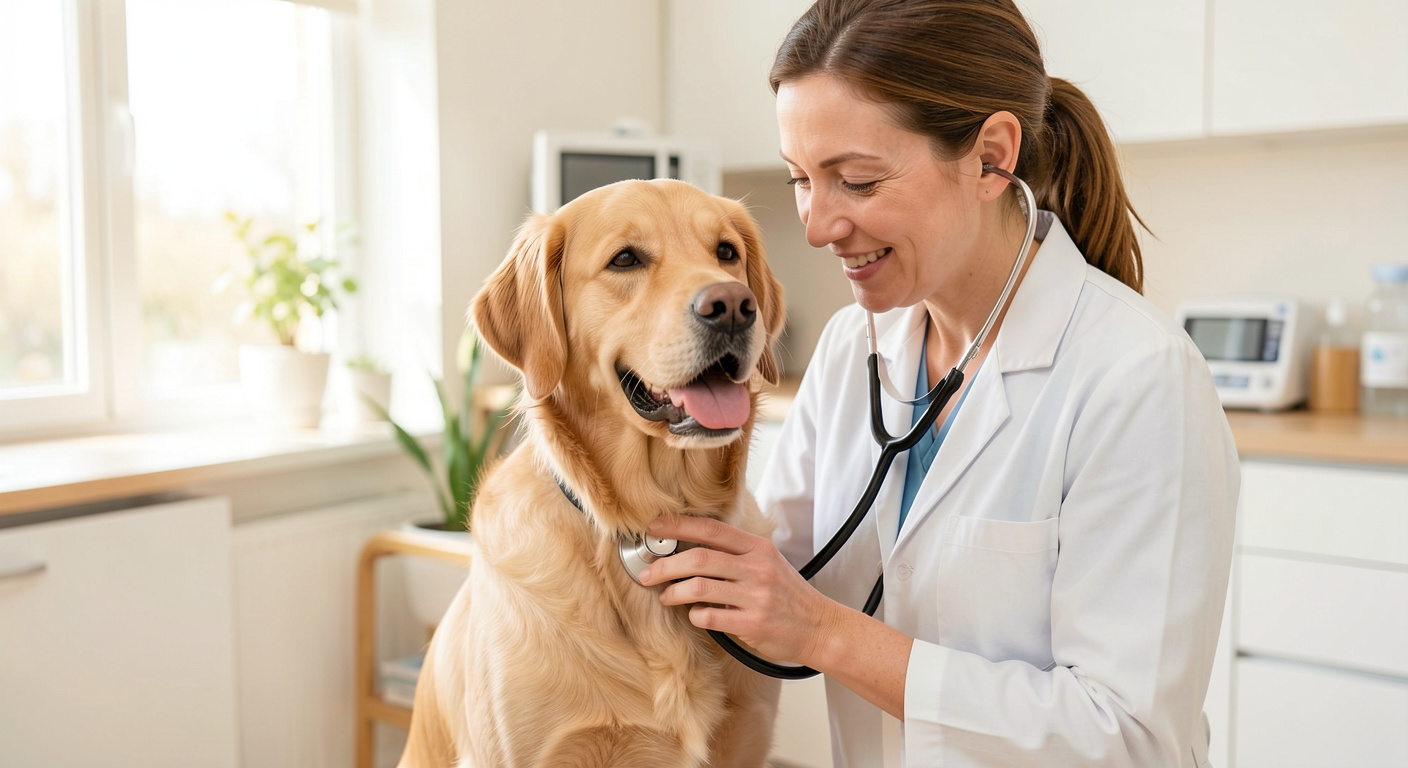
When you bring your dog to the vet for an ear problem, the exam typically follows a systematic process. Understanding what happens during the visit can help you feel more prepared and ensure your dog gets the right diagnosis.
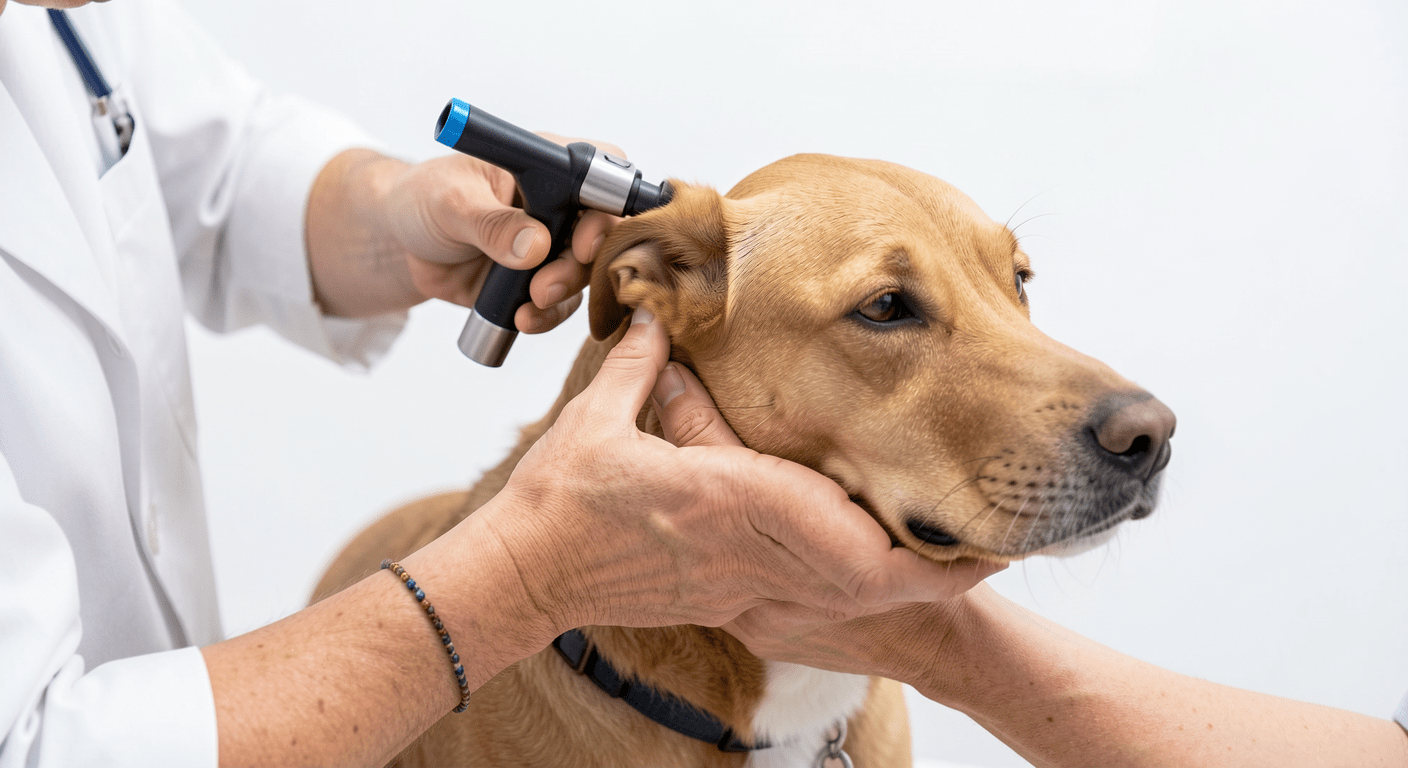
- Otoscope exam , The veterinarian looks deep into the ear canal using a lighted instrument called an otoscope. This allows them to see the ear drum (tympanic membrane), check for foreign objects or masses, and assess the extent of inflammation. A healthy ear drum is essential , some ear medications can cause damage if the ear drum is ruptured.
- Ear cytology , The vet takes a small sample of debris from the ear canal, places it on a slide, stains it, and examines it under a microscope. This test identifies whether yeast, bacteria (and what type), or mites are present. It is the most important step for choosing the right medication.
- Culture and sensitivity , For chronic or recurrent infections that do not respond to standard treatment, a culture may be sent to a lab. This identifies the exact bacterial species and determines which antibiotics are most effective against it.
- Allergy evaluation , If allergies are suspected as the underlying trigger, the vet may discuss food trials, intradermal skin testing, or blood allergy testing. This is especially relevant for dogs with recurring ear problems alongside skin issues, according to the Merck Veterinary Manual.
A correct diagnosis matters because different causes need different treatments. Using the wrong medication , or stopping treatment too early , are two of the most common reasons ear infections come back. For comprehensive guidance on canine health topics, visit the AVMA pet health resources.
Dog Ear Infection Treatment Options
Treatment depends entirely on the underlying cause. Here is how veterinarians typically approach each type:
- Bacterial infections , Prescription antibiotic ear drops or ointments. The specific antibiotic depends on what the ear cytology or culture reveals. Finish the full prescribed course even if the ear looks better after a few days.
- Yeast infections , Prescription antifungal ear medications. These may be combined with anti-inflammatory ingredients to reduce swelling and discomfort.
- Ear mites , Prescription parasiticides that kill the mites. Because mites are contagious between pets, all dogs and cats in the household may need treatment simultaneously.
- Allergy-driven inflammation , Long-term management may include dietary changes, allergy medications, immunotherapy, and regular ear cleaning to prevent secondary infections from taking hold. Treating the allergy is often the key to stopping recurring ear issues.
- Severe or deep infections , May require oral antibiotics or antifungals in addition to topical ear medications. Sedation or anesthesia may be needed for a deep ear flush if the canal is severely clogged with debris.
Always finish the full prescribed course of medication. Stopping early because the ear “looks better” is one of the most common reasons infections return , often more resistant to treatment than before. If you are unsure whether the medication is working, contact your veterinarian rather than stopping.
Safe Home Care: What You Can and Cannot Do
Home care has a role in managing ear health, but it has clear limits. A veterinarian-approved ear cleaning routine can help with mild debris buildup and prevention in at-risk dogs. However, home care does not replace veterinary treatment for an active infection. If your dog has pain, swelling, discharge, odor, or symptoms lasting more than 2-3 days, skip the home remedies and see a vet.
Safe home ear care is appropriate when: the ear is only mildly dirty, there is no pain when you touch the ear, your dog is not shaking their head excessively, and your veterinarian has already shown you how to clean your dog’s specific ears. Even then, use only a vet-recommended ear cleaning solution , never water, peroxide, alcohol, or homemade mixtures.
How to Clean Your Dog’s Ears Safely
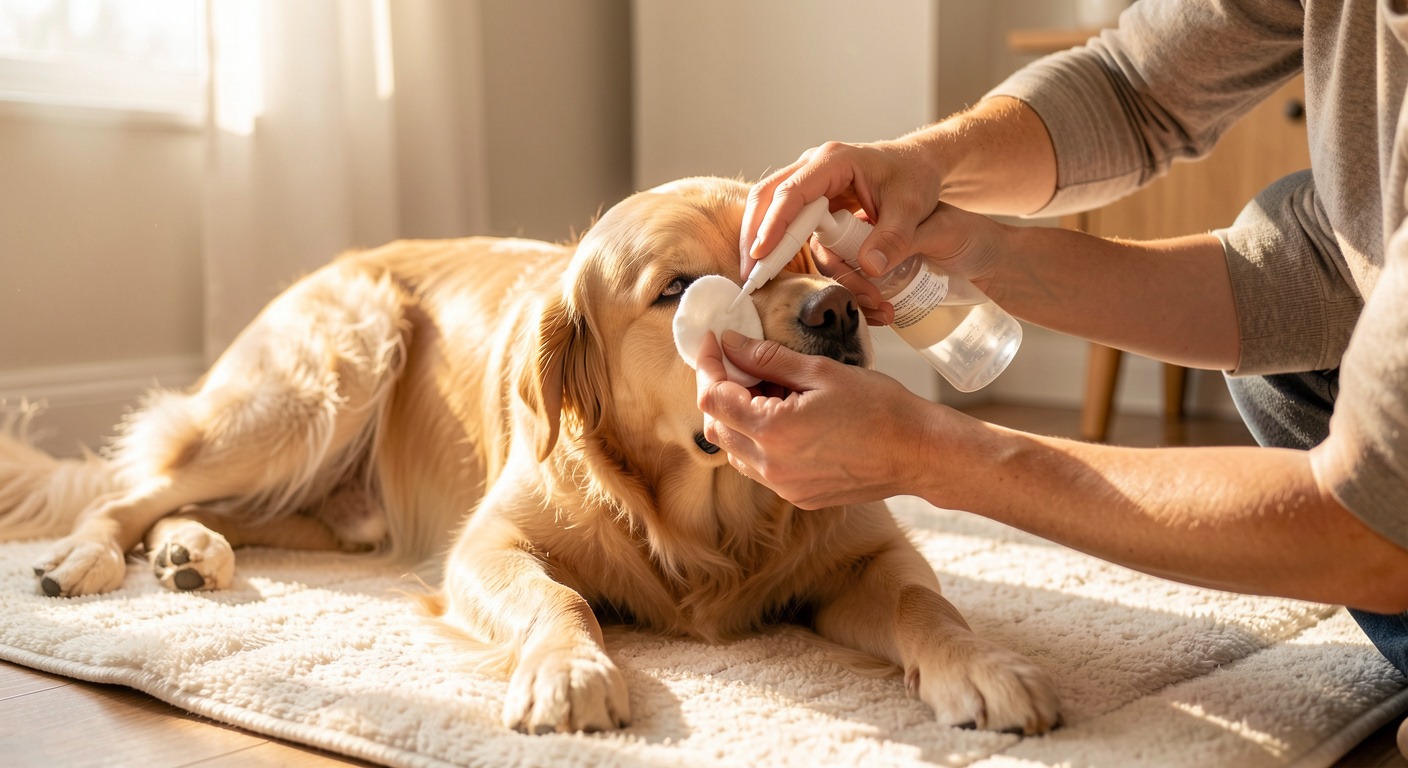
If your veterinarian has recommended ear cleaning as part of your dog’s routine or treatment plan, follow these steps exactly. Improper technique can push debris deeper, irritate the canal, or damage the ear drum.
- Check first. Gently lift the ear flap and look inside with a flashlight. If you see swelling, discharge, or your dog shows pain, stop and contact your vet. Do not clean an ear that may have a ruptured ear drum.
- Gather supplies. Use a veterinarian-recommended ear cleaning solution, cotton balls or soft gauze pads, and a towel. Have treats ready to reward your dog.
- Position your dog. Choose a quiet space. For smaller dogs, you may sit them on a table with a non-slip surface. For larger dogs, sit beside them on the floor.
- Apply the solution. Hold the ear flap upright and fill the ear canal with the cleaning solution until you see it at the opening. Do not force the bottle tip deep into the canal.
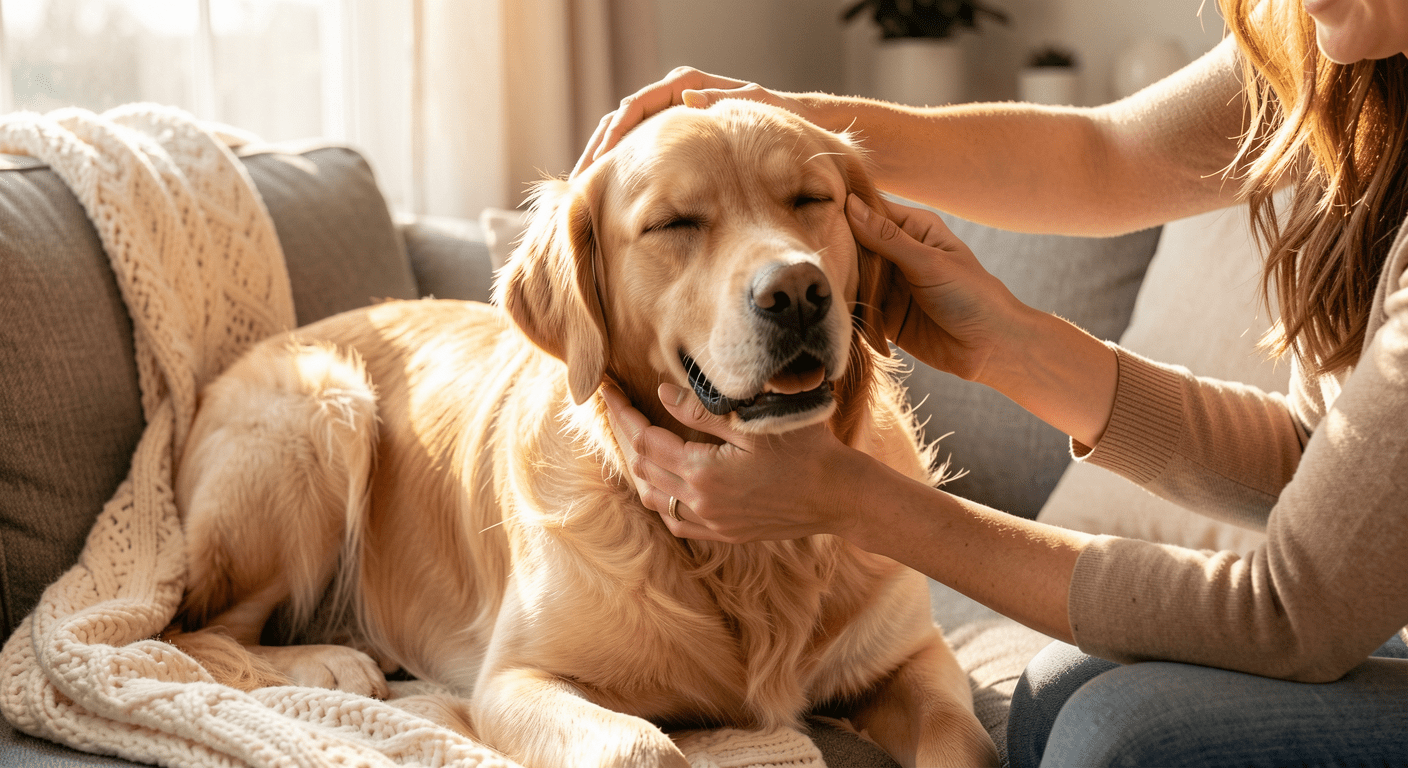
- Massage the base of the ear. Gently massage the base of the ear (where it meets the head) for 20-30 seconds. You should hear a squelching or squishing sound , this means the solution is breaking up debris inside the canal.
- Let your dog shake. Release the ear and let your dog shake their head. This is natural and helps bring loosened debris to the surface. Step back or drape a towel , you may get splashed.
- Wipe the outer ear only. Use a cotton ball or soft gauze to gently wipe away visible debris from the outer ear and the parts of the canal you can easily see. Never use Q-tips or insert anything into the ear canal , you risk pushing debris deeper or rupturing the ear drum.
- Reward and repeat. Give your dog a treat and praise. If cleaning both ears, repeat on the other side with a fresh cotton ball.
- Watch for reactions. After cleaning, monitor your dog for increased head shaking, redness, or signs of discomfort. If you notice any of these, stop cleaning and contact your veterinarian.
What Not to Put in Your Dog’s Ears
Some products that seem harmless or are commonly suggested online can actually cause significant harm to your dog’s ears. The ear canal is delicate tissue, and the ear drum is a thin membrane that can be damaged by harsh or inappropriate substances. Here are nine things to avoid:
- No hydrogen peroxide. Too harsh for the sensitive tissue inside the ear canal. It can irritate, delay healing, and damage healthy cells.
- No rubbing alcohol. Causes stinging and drying that can worsen inflammation. It may also damage the delicate skin lining the ear canal.
- No vinegar (unless vet-directed). While diluted vinegar is sometimes used in specific veterinary protocols, using it without guidance can alter the ear’s pH in ways that favor certain infections or cause irritation.
- No essential oils. Tea tree oil, lavender oil, and other essential oils can be toxic to dogs when absorbed through the skin or ingested during grooming. Some are specifically neurotoxic to dogs.
- No human ear drops. Human ear products are formulated for straight human ear canals and may contain ingredients that are unsafe for dogs or ineffective against canine ear pathogens.
- No leftover antibiotics. Using leftover medication from a previous infection , even if the symptoms look similar , can promote antibiotic resistance and may be the wrong treatment for the current problem.
- No Q-tips or cotton swabs deep in the ear canal. Q-tips push debris further down toward the ear drum and can rupture it. Use them only on the visible outer ear folds, if at all.
- No homemade mixtures. Internet recipes combining water, vinegar, alcohol, witch hazel, or other household ingredients are not sterile, not tested for canine ear safety, and may cause more harm than good.
- No ear medication if a ruptured ear drum is possible (unless vet-prescribed). Many ear medications are ototoxic , they can cause permanent hearing loss or balance damage if they reach the middle or inner ear through a ruptured ear drum. Only use ear medications when a veterinarian has confirmed the ear drum is intact.
When to Call the Vet Immediately
Some ear symptoms signal a problem that needs urgent veterinary attention. Delaying treatment in these situations can lead to worsening infection, chronic pain, hearing loss, or deeper involvement of the middle and inner ear. Use this table as a reference, not a diagnostic tool , when in doubt, call your vet.
| Sign | Possible Concern | Recommended Action |
|---|---|---|
| Severe pain (yelping, snapping when ear is touched) | Deep infection, possible ruptured ear drum, or foreign body | Emergency veterinary visit within 24 hours |
| Swollen, hot ear flap | Aural hematoma or severe infection | Veterinary visit within 24-48 hours |
| Bloody discharge | Trauma, ruptured ear drum, or severe infection | Emergency veterinary visit |
| Pus-like discharge | Advanced bacterial infection | Veterinary visit within 24 hours |
| Strong, foul odor | Deep bacterial infection, possibly involving resistant organisms | Veterinary visit within 48 hours |
| Head tilt | Middle or inner ear infection | Emergency veterinary visit |
| Loss of balance or circling | Inner ear or vestibular involvement | Emergency veterinary visit |
| Repeated vomiting with balance issues | Possible severe inner ear or vestibular disease | Emergency veterinary visit immediately |
| Symptoms lasting more than 2-3 days without improvement | Infection needs prescription diagnosis and treatment | Schedule a veterinary appointment |
| Recurring infections (3 or more per year) | Underlying condition such as allergies or anatomical issues | Veterinary evaluation for root cause |
| Puppy with severe ear irritation | Young dogs are more vulnerable to complications and may have ear mites | Veterinary visit within 24 hours |
Keep Ears Dry
After swimming or baths, gently dry the outer ear with a soft towel. Never insert anything deep into the canal.
Regular Cleaning
For dogs prone to infections, clean ears weekly with a vet-recommended solution , not every dog needs this routine.
Treat the Root Cause
Managing allergies, removing excess ear hair, and addressing underlying conditions stops the cycle of recurring infections.
How to Prevent Future Ear Infections
The best ear infection is the one your dog never gets. While not every ear infection is preventable , especially those driven by allergies or breed anatomy , a consistent prevention routine can dramatically reduce how often they occur:
- Weekly ear checks. Lift the ear flap, look inside, and take a quick sniff. Know what your dog’s “normal” smells and looks like so you catch changes early.
- Dry ears after water exposure. Swimming, bathing, even a walk in heavy rain , dry the outer ear gently with a soft cloth afterward. Consider a best dog grooming tools kit that includes drying cloths.
- Manage underlying allergies. If your dog has seasonal or food allergies, work with your vet on a management plan. Treating the allergy often stops the ear infections. See our guide on dog allergy symptoms for more.
- Grooming for hairy-eared breeds. Ask your groomer or vet about plucking excess ear hair if your breed needs it. More airflow means fewer infections.
- Regular vet checkups. Annual exams catch ear problems before they become painful, expensive infections. For dogs with a history of ear issues, twice-yearly checks may be recommended.
- Parasite prevention. Year-round flea and tick prevention also helps reduce the risk of ear mites and other parasites that can affect ear health.
- Good overall health. A strong immune system helps fight off minor issues before they become infections. A balanced diet , see our dog nutrition guide , and regular exercise make a difference. Good dog dental care also supports overall health.
Frequently Asked Questions
Can I use hydrogen peroxide to clean my dog’s ears?
No. Hydrogen peroxide is too harsh for the sensitive tissue inside the ear canal. It can cause irritation, delay healing, and damage healthy cells. Use only a veterinarian-recommended ear cleaning solution made specifically for dogs.
How long does a dog ear infection take to heal?
With proper veterinary treatment, most uncomplicated ear infections improve within 3-7 days and fully resolve within 1-2 weeks. Chronic or deep infections can take 4-6 weeks. Always finish the full prescribed course of medication, even if the ear looks better , stopping early is a common reason infections return.
Are some breeds more likely to get ear infections?
Yes. Breeds with floppy ears , such as Cocker Spaniels, Basset Hounds, Labrador Retrievers, and Golden Retrievers , are significantly more prone because their ear flaps reduce airflow. Breeds with hairy ear canals, like Poodles and Schnauzers, also face higher risk. Dogs with allergies of any breed are also more susceptible. See our Golden Retriever care guide for breed-specific ear care advice.
Can ear infections go away on their own?
Rarely. While a very mild irritation might resolve if the ear dries out, true bacterial or yeast infections typically worsen without treatment. Waiting too long allows the infection to spread deeper into the ear canal, becoming more painful, harder to treat, and potentially causing permanent damage.
Is a dog ear infection contagious to other pets or humans?
Most bacterial and yeast ear infections are not contagious between pets or to humans. The exception is ear mites, which are highly contagious between dogs and cats. If one pet has ear mites, all household pets should be checked and treated simultaneously.
How can I tell if my dog has a yeast ear infection?
Yeast infections often produce a distinct musty or bread-like smell from the ear, along with dark brown, waxy discharge. The ear may look greasy and red. However, these signs can overlap with bacterial infections, so a veterinary exam with ear cytology is needed to confirm yeast versus bacteria , do not self-diagnose.
What does brown discharge in my dog’s ear mean?
Brown, waxy discharge is often associated with yeast overgrowth, but it can also appear with certain bacterial infections. The color alone does not tell you the cause. A veterinarian can take a sample and examine it under a microscope (ear cytology) to determine whether yeast, bacteria, or both are present.
Why does my dog keep shaking their head?
Head shaking is a sign of ear discomfort. It may be caused by an ear infection, ear mites, a foreign object (such as a grass seed), allergies, or even a buildup of wax and debris. If head shaking persists beyond a day, a veterinary exam can identify the cause. Persistent shaking can also lead to an aural hematoma , a blood-filled swelling of the ear flap that needs veterinary treatment.
Can allergies cause recurring ear infections?
Yes, allergies are one of the most common underlying causes of chronic and recurring ear infections in dogs. Both food and environmental allergies can trigger inflammation in the ear canal, which creates an environment where secondary yeast or bacterial infections repeatedly take hold. If your dog has ear infections three or more times per year alongside skin issues or paw licking, ask your veterinarian about an allergy evaluation.
Are ear infections painful for dogs?
Yes. Ear infections cause inflammation, swelling, and pressure inside the confined space of the ear canal, which can be very painful. Dogs may show pain by flinching when their ear is touched, whining, holding their head to one side, or becoming more withdrawn or irritable. Even if your dog does not vocalize, the infection can still be causing significant discomfort.
Can I use olive oil or coconut oil in my dog’s ears?
There is no veterinary evidence that olive oil or coconut oil safely or effectively treats ear infections in dogs. Oils can trap moisture and debris in the ear canal, potentially making some infections worse. If your dog has ear irritation, consult your veterinarian before putting anything , including natural oils , into their ears.
Should I clean my dog’s ears every day?
No. For most dogs, daily ear cleaning is unnecessary and can cause irritation. Dogs prone to infections may benefit from weekly cleaning with a vet-recommended solution. For dogs with active infections, your veterinarian will give you a specific cleaning schedule , this may be daily for a few days but should not be continued long-term without veterinary guidance.
How often should I clean my dog’s ears?
For most healthy dogs, monthly ear checks are sufficient, and cleaning is only needed when you see visible debris or after swimming. For dogs with a history of ear infections or floppy-eared breeds, weekly cleaning with a veterinarian-recommended solution may be recommended. Ask your vet what schedule is right for your individual dog.
Can swimming cause dog ear infections?
Swimming itself does not directly cause ear infections, but water trapped in the ear canal after swimming creates the warm, moist conditions where yeast and bacteria thrive. Dogs who swim frequently are at higher risk of developing “swimmer’s ear.” Drying the outer ear gently after swimming is one of the simplest and most effective prevention steps.
What happens if a dog ear infection is left untreated?
Untreated ear infections can spread deeper , from the outer ear (otitis externa) into the middle ear (otitis media) and potentially the inner ear (otitis interna). This can cause severe pain, permanent hearing loss, facial nerve damage, balance problems, and in rare cases, the infection can spread to the brain. An untreated aural hematoma can cause permanent deformity of the ear flap. Early treatment prevents these serious complications.
What should I do if my dog’s ear infection keeps coming back?
Recurring ear infections , three or more per year , signal an underlying issue that has not been addressed. Schedule a veterinary evaluation focused on identifying the root cause. This may include allergy testing, a diet trial, imaging of the ear canal, or referral to a veterinary dermatologist. Continuing to treat only the symptoms without addressing the underlying trigger will likely lead to more frequent and more resistant infections.
Can I use over-the-counter ear drops for my dog?
Over-the-counter ear products are generally not recommended for treating active ear infections. They may be ineffective against the specific organism causing the infection, and using them delays proper treatment. Additionally, if your dog has a ruptured ear drum , something only a veterinarian can confirm , many ear drops can cause permanent hearing or balance damage. Always get a veterinary diagnosis before using any ear medication.
How do vets test for ear infections?
Veterinarians use two primary tests. First, an otoscope exam allows them to look deep into the ear canal and check the ear drum. Second, ear cytology involves taking a small sample of debris, staining it, and examining it under a microscope to identify yeast, bacteria (by shape and type), and parasites like ear mites. For chronic or resistant infections, a culture and sensitivity test may be sent to a lab to identify the exact bacterial species and the most effective antibiotic.
Related Guides
Stay Ahead of Ear Problems
Bookmark this guide and check your dog’s ears weekly. Early detection saves your pup from pain , and saves you from expensive vet bills. For more expert guidance, explore our complete collection of dog health resources.
Explore Dog Health Guides →