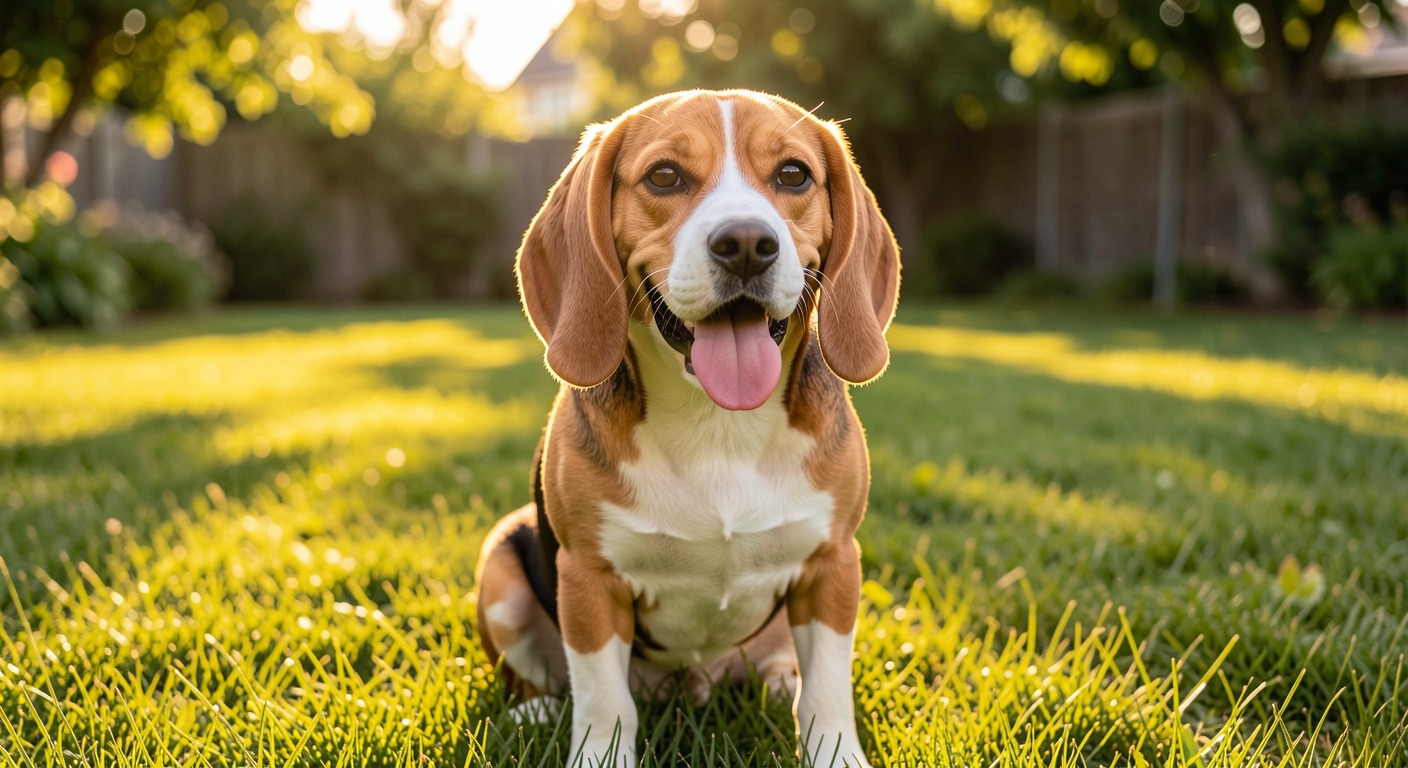
The Nose Knows: A Honest Look at Life With a Beagle
Beagles are friendly, compact, playful scent hounds that make wonderful family companions for the right home. They are best for active owners with a securely fenced yard, people who are home for much of the day, and those who can accept a dog that follows its nose first and listens second. They are a challenging fit for apartments, anyone wanting reliable off-leash freedom, or households where the dog is left alone for long stretches. A well-cared-for Beagle can be a loyal, entertaining companion for 12 to 15 years. For health concerns or sudden changes, always contact your veterinarian.
Compact hound, 13 to 15 inches tall, 20 to 30 lbs. Lifespan 12 to 15 years. AKC Hound Group.
Active families, homes with secure fenced yards, multi-dog households, and people who enjoy daily sniff walks.
Apartments with noise-sensitive neighbors, owners away all day, and anyone wanting an off-leash dog with instant recall.
Beagle Breed Snapshot
| Trait | Beagle Details |
|---|---|
| Breed Group | Hound (scent hound) |
| Origin | England, bred to hunt rabbits in packs |
| Height | 13 to 15 inches at the shoulder (two size varieties: under 13 in. and 13-15 in.) |
| Weight | 20 to 30 lbs |
| Lifespan | 12 to 15 years |
| Coat Type | Short, dense, weather-resistant double coat |
| Coat Colors | Tricolor (black/tan/white), red and white, lemon and white, blue tick, and more |
| Shedding | Moderate year-round, heavier in spring and fall |
| Exercise Needs | High for a small dog: 45 to 60 minutes daily plus sniffing and mental enrichment |
| Trainability | Moderate. Intelligent but independent; very food-motivated |
| Barking Level | High. Bred to bay loudly while hunting, and they still use their voice regularly |
| Temperament | Friendly, curious, merry, food-driven, independent, pack-oriented |
| Good With Children | Often patient and playful; supervision always needed |
| Good With Other Dogs | Usually excellent; bred to work in packs |
| Best Home Fit | House with a secure fence, people around most of the day, and tolerance for some baying |
Beagle Temperament and Personality
There is a saying among Beagle owners: you do not own a Beagle, you negotiate with one. These compact hounds were bred to hunt rabbits in packs, following a scent for miles with a loud, musical bay that hunters could track from a distance. That history still shapes every Beagle today. When a Beagle locks onto an interesting smell, their ears seem to switch off. They are not being stubborn for the sake of it. Their brain is simply wired to follow their nose above almost everything else. This is the single most important thing to understand before you bring one home.
At home, Beagles are cheerful, affectionate, and a little goofy. They love their people, settle into family life happily, and usually greet strangers as new friends rather than threats. They are not guard dogs, though they may bay at the doorbell. They are also independent thinkers who like having a job, a routine, and plenty of company.
Important: These are general breed tendencies, not guarantees. Every dog is an individual shaped by genetics, early socialization, training, health, and environment. Meet the specific dog before making decisions.
With Family
Beagles bond closely with their family and love being part of daily activity. They are affectionate, playful, and happiest when they are included rather than left on their own. Expect a dog that follows you from room to room and wants to be where the action is.
With Children
Beagles are often patient and playful with children, which is part of why families love them. No breed is automatically safe with kids, though. Always supervise interactions between dogs and young children, teach children to be gentle and to respect the dog’s food and rest, and give the Beagle a quiet space to retreat to. Because Beagles are so food-focused, teach kids not to tease or hand-feed without an adult.
With Other Dogs
As pack hounds, Beagles usually enjoy the company of other dogs and often thrive in multi-dog homes. A second dog can also ease their dislike of being alone. Introduce new dogs slowly and on neutral ground, and watch closely around food because resource guarding can appear in food-driven dogs.
With Strangers
Most Beagles are friendly and curious with strangers rather than protective. They may bay or howl when someone arrives, but that is announcement, not aggression. This makes them poor guard dogs and excellent social companions. Early, positive socialization helps them stay confident and relaxed around new people.
Are Beagles Good for First-Time Owners?
Maybe, and it depends on your daily life. A Beagle can be a great first dog if you have the time, patience, and the right setup. They are sturdy, friendly, and forgiving, which helps when you are still learning.
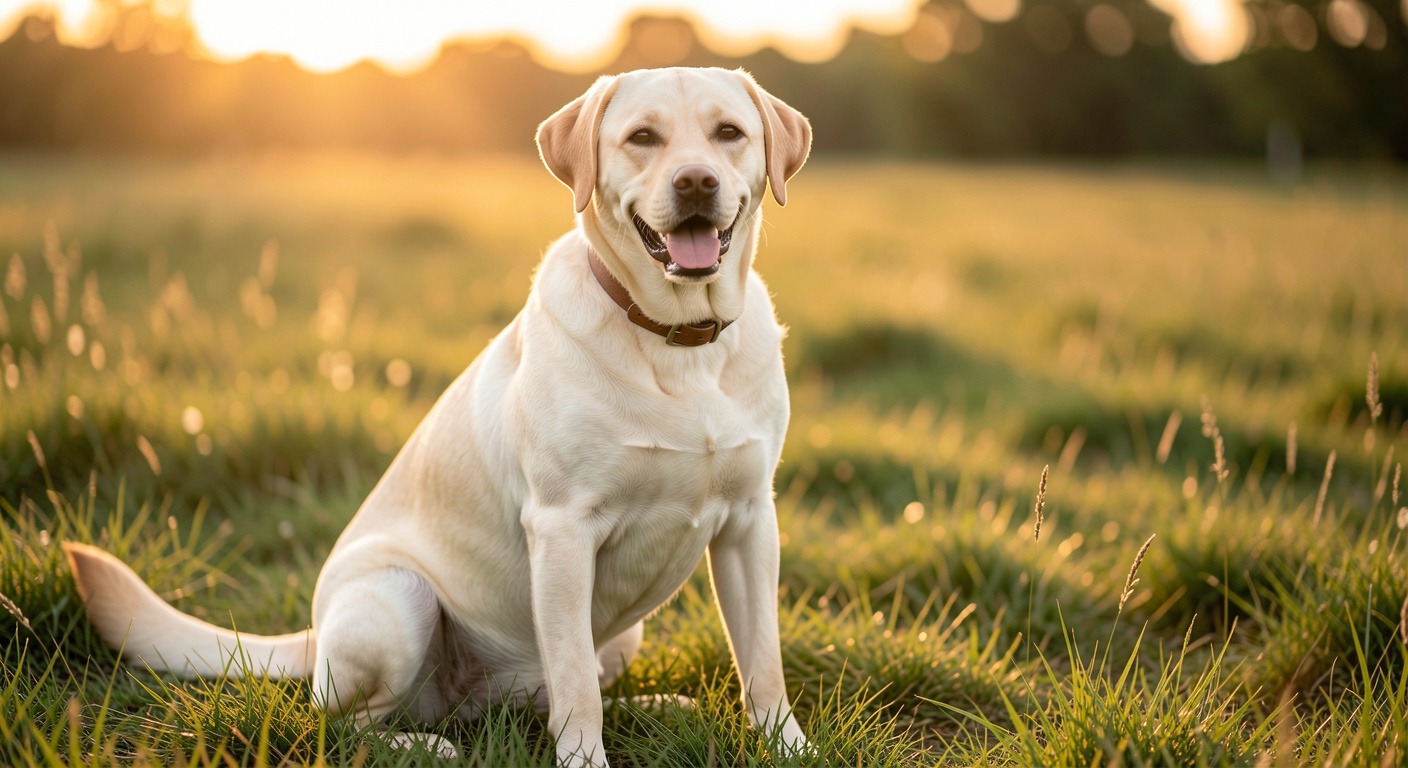
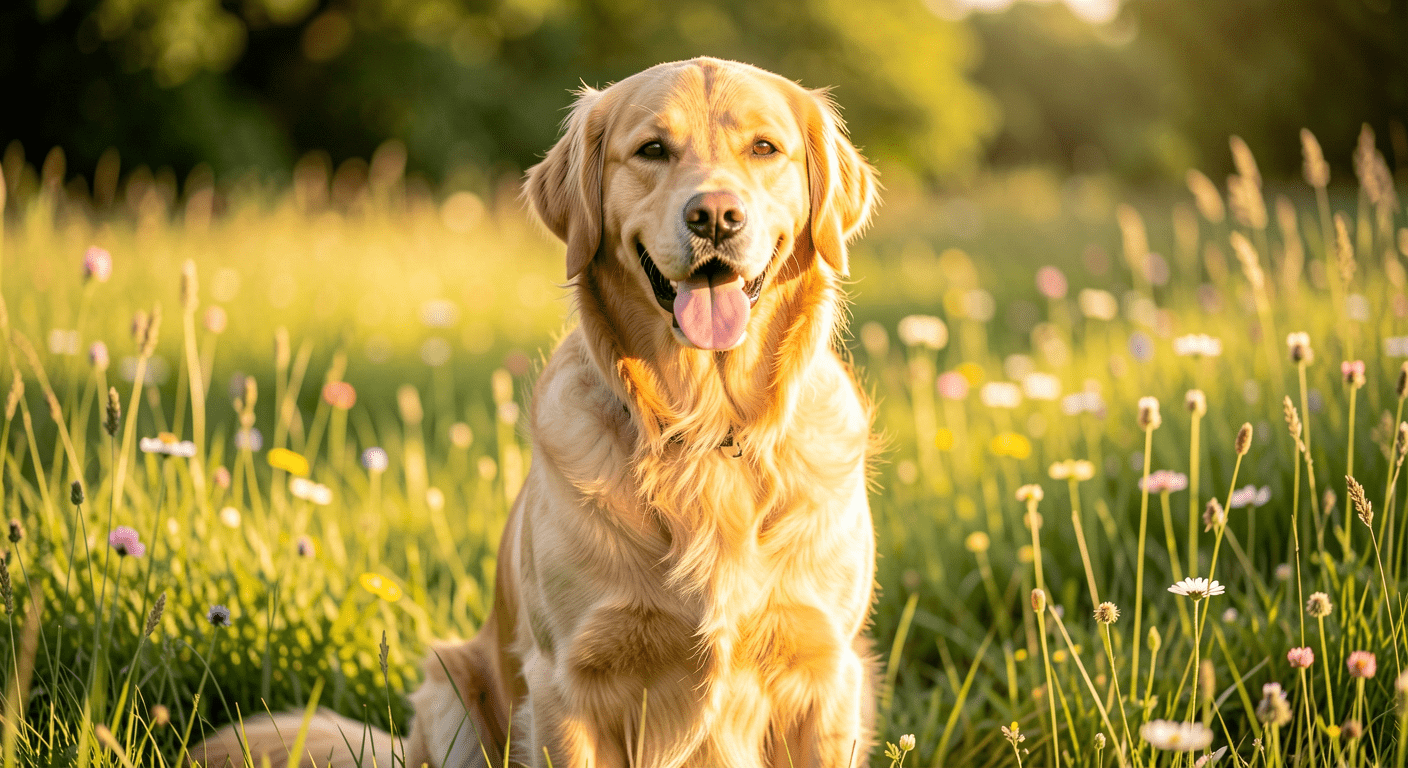
A Beagle is a good first-time match if you are home for much of the day, have a securely fenced yard, and are ready for patient reward-based training. It is a harder first-time match if you live in an apartment, work long hours away from home, or expect quick obedience and off-leash reliability. If that describes you, a Golden Retriever or Labrador Retriever may suit your routine better as a more handler-focused first breed.
Are Beagles Good Apartment Dogs?
The honest answer: usually not, unless you carefully manage three things: noise, boredom, and exercise. Beagles were bred to bay loudly across fields while hunting. That instinct is still strong, and it does not respect lease agreements or thin walls. A Beagle who spots a squirrel through the window, hears a delivery truck, or simply gets bored while you are at work can produce a carrying bay that travels through walls and floors.
If you are committed to apartment living with a Beagle, you need a realistic plan:
- Noise management: Soundproofing panels, white noise machines, and never leaving windows open when you are not home.
- Exercise commitment: At least two solid walks plus indoor enrichment daily. A tired Beagle is a quieter Beagle.
- Separation preparation: Gradual alone-time training from day one. A Beagle who panics when left alone will bay for hours.
- Neighbor relationships: Be upfront with neighbors and have a plan for complaints.
A ground-floor unit with direct yard access is far better than a third-floor walkup. If you cannot commit to all of the above, a quieter breed may save you and your neighbors a lot of stress.
Why Beagles Bark, Bay, and Howl
Beagles do not just bark. They bay, which is a loud, musical, drawn-out howl bred into them over centuries of hunting. Hunters needed to hear their dogs from a distance while tracking through dense brush, so breeders selected for a voice that carries. That voice is still present in every Beagle today.
A Beagle uses their voice for many reasons: excitement at mealtime, spotting a squirrel, hearing a strange noise, boredom, loneliness, greeting you at the door, or sometimes for no reason that makes sense to a human. This is not a behavior problem to “fix” with punishment. It is a deeply wired breed trait.
Shock collars, citronella sprays, and anti-bark devices can increase anxiety, worsen the behavior, and damage your relationship with your dog. Debarking surgery is banned or restricted in many countries and is considered inhumane by the AVMA. Work with a qualified reward-based trainer instead.
What helps: plenty of exercise and sniffing, food puzzles and enrichment toys, not leaving your Beagle alone for long hours, teaching a “quiet” cue with positive reinforcement, and managing the environment so there is less to bark at. For more strategies, read our guide on positive training methods and consult a certified behavior professional if baying is excessive.
Beagle Exercise Needs
Do not let the small size fool you. Beagles are athletes bred to run with hunters all day. A short stroll around the block will not be enough. Aim for at least 45 to 60 minutes of activity daily, split into two sessions.
Good options include brisk walks with plenty of sniff breaks, securely fenced off-leash running, hide-and-seek scent games, food puzzle toys, and nose work classes. Sniffing work tires a Beagle’s brain faster than physical exercise alone, so build plenty of nose time into every walk. A 30-minute sniff walk can be more tiring than an hour of mindless jogging.
Without enough exercise and mental stimulation, a Beagle will find their own entertainment, which usually means digging, chewing, baying, counter surfing, and escaping the yard.
Beagle Training Needs
Beagles are intelligent but independent. They are not dogs that live to please, so training has to compete with the most exciting thing in their world: their nose. The good news is that they are extremely food-motivated, which gives you a powerful, friendly tool.
What works: high-value food rewards, short five to ten minute sessions, plenty of variety, and patient consistency. Reward-based methods build a Beagle that wants to work with you. Start recall and leash skills early, and practice them in low-distraction places before adding the temptation of outdoor smells.
What to avoid: repeating commands they are ignoring, harsh corrections, and any dominance-style approach. These methods make a sensitive Beagle shut down and slow your progress. House training can take longer than with some breeds, so keep a steady schedule, use crate training, and reward every success outdoors. Expect four to six months of patient work with a puppy.
Can Beagles Be Trusted Off-Leash?
No. For the vast majority of Beagles, off-leash freedom in unfenced areas is not safe. This is one of the hardest truths for new Beagle owners to accept, because these dogs are so friendly and seem so manageable on a leash. But the math is simple: a Beagle’s scent drive outweighs their recall training almost every time.
When a Beagle catches an interesting smell, their brain locks on. They follow the trail without looking up, without checking for cars, and without hearing your voice. This is not disobedience. It is two centuries of selective breeding for exactly this behavior. Beagles that stopped to check in with the hunter were not the ones that got bred.
NEVER let a Beagle off-leash in an unfenced area. Use a securely fenced yard (check for gaps and dig spots monthly). For hiking and open spaces, use a long training line (15 to 30 feet), not off-leash freedom. Microchip your Beagle and keep ID tags current at all times. A Beagle that slips out the door can be a mile away following a scent before you realize it is gone.
If you want a dog that can hike off-leash, romp at the beach, and come reliably every time, a Beagle is probably not your breed. A Labrador or Golden Retriever is a better fit for that lifestyle. For more on building reliable leash skills, see our leash training guide.
Beagle Grooming and Shedding
Grooming a Beagle is refreshingly simple. Their short, dense, weather-resistant coat needs a weekly brush with a hound glove or rubber curry brush to manage shedding. They shed moderately year-round and more heavily in spring and fall, so an extra weekly brushing during those seasons helps.
Bathe only as needed, usually every one to two months or when they roll in something interesting. Trim nails every few weeks and brush teeth several times a week to support dental health.
The one area you cannot skip is ears. Those long, floppy ears trap moisture and reduce airflow, which makes Beagles prone to ear infections. Check and clean ears weekly with a veterinarian-approved cleaner, and watch for redness, odor, or head shaking.
Beagle Health Issues
Like all breeds, Beagles have some health conditions they are more prone to. Responsible breeders screen their breeding dogs, and routine vet care catches most problems early. This is general education, not medical advice. Always consult your veterinarian about your individual dog’s health.
Common concerns to be aware of include:
- Obesity: The number one practical health risk for Beagles. They are food-obsessed and gain weight easily, which worsens nearly every other health problem. Keeping a Beagle lean is the single most important health decision you will make.
- Ear infections: Floppy ears trap moisture, so weekly cleaning matters.
- Hip dysplasia: A malformed hip joint that can cause arthritis and pain.
- Intervertebral disc disease (IVDD): Spinal disc problems made worse by extra weight and jumping from heights.
- Hypothyroidism: An underactive thyroid causing weight gain and low energy, usually managed with daily medication.
- Epilepsy: A seizure disorder that is often manageable with veterinary care.
- Musladin-Lueke Syndrome (MLS): A genetic connective tissue disorder found in Beagles. Affected dogs have tight skin, stiff joints, and a characteristic tip-toe gait.
- Factor VII deficiency: A mild to moderate bleeding disorder; affected dogs may need extra care during surgery.
- Cherry eye: Prolapse of the third eyelid gland, correctable with surgery.
Beagle Health Testing Checklist
If you are getting a Beagle puppy from a breeder, ask to see health testing documentation. Responsible breeders screen for:
| Test | What It Checks | Registry |
|---|---|---|
| Hip Evaluation | Hip dysplasia risk | OFA or PennHIP |
| Eye Examination | Inherited eye diseases (yearly) | OFA (CAER) |
| Thyroid Evaluation | Autoimmune thyroiditis | OFA |
| Cardiac Exam | Heart abnormalities | OFA |
| MLS DNA Test | Musladin-Lueke Syndrome | Lab testing (UC Davis, Embark, etc.) |
| Factor VII DNA Test | Bleeding disorder | Lab testing |
Always meet the mother dog (and father if possible). Observe their temperament, living conditions, and overall health. A reputable breeder welcomes these questions and provides documentation. For more information, visit the AKC Beagle page, the Orthopedic Foundation for Animals (OFA), and the National Beagle Club of America.
Puptify provides general education, not diagnosis. For pain, sudden behavior changes, breathing trouble, vomiting, collapse, or serious symptoms, contact a veterinarian. Keep up with routine checkups and ask your vet about screening and a healthy weight target for your dog. For breed-specific health information, consult your veterinarian and resources like VCA Animal Hospitals.
Beagle Feeding and Weight Management
Feeding a Beagle is mostly about portion control. They will happily eat far more than they need and are experts at acting starving, so structure matters more than with almost any other breed.
Feed a complete, balanced food suited to your dog’s life stage. Puppies usually eat three to four small meals a day, while adults do well on two measured meals. Always measure portions with a cup or kitchen scale rather than free-feeding. Use the guidance on the bag adjusted for your dog’s weight and activity.
Keep treats to about ten percent of daily calories and count them toward the daily total. Slow-feeder bowls and food puzzles slow fast eaters and add mental work. Store food securely because Beagles will find and raid any accessible bag or bin.
Because obesity is the most common health problem in Beagles, check your dog’s waistline regularly. You should feel ribs with light pressure and see a visible waist from above. Ask your veterinarian before changing the diet of a puppy, senior, or dog with a health condition. See our Dog Nutrition Complete Guide for more on healthy feeding.
Beagle Puppy Care
Beagle puppies are adorable, compact bundles of energy with a nose that starts working almost immediately. The first few months set the foundation for a well-adjusted adult dog, so focus on these key areas:
- Crate training: Start day one. A crate gives your puppy a safe den and is essential for house training. Never use the crate as punishment.
- Potty training: Beagles can take longer to house train than some breeds. Stick to a strict schedule, take them out every 2 to 3 hours, immediately after meals and naps, and reward every success outdoors with high-value treats. Expect four to six months of consistent effort.
- Food rewards carefully: Yes, Beagles are food-motivated, which helps training enormously. But puppyhood is when food habits form. Use tiny pea-sized treats, count them toward daily portions, and never leave food bowls down all day.
- Scent games early: Hide treats in a snuffle mat, scatter kibble in the grass, or play simple find-it games. This channels their nose in a positive direction and tires them out faster than running.
- Alone-time practice: Beagles are pack dogs that hate being alone. From the first week, practice short, positive separations. Leave them with a stuffed Kong, step out for two minutes, return calmly. Gradually extend the time. This prevents separation-related howling later.
- Socialization: Expose your puppy to different people, friendly vaccinated dogs, sounds, surfaces, and experiences. Keep it positive and never force interactions.
- Puppy-proof aggressively: Beagle puppies explore with their mouths. Secure trash cans, put away shoes, cover electrical cords, and keep food off counters. A Beagle puppy that learns counter surfing early is very hard to retrain.
Enroll in a positive-reinforcement puppy class. It builds your training skills, gives your Beagle structured socialization, and starts your working relationship on the right foot. Also see our rescue dog settling guide if you are adopting an adult Beagle.
Best Home Environment for a Beagle
Beagles thrive where there is company, a secure space to explore, and a steady routine. They are adaptable but have clear needs that cannot be ignored.
- Houses with a fully fenced yard (check fence line monthly for gaps and dig spots)
- Families that are home for much of the day
- Active owners who enjoy daily walks and sniff games
- Multi-dog households
- Homes where some baying is accepted as part of the package
- Apartments or homes with noise-sensitive neighbors
- People who are away all day
- Owners wanting an off-leash or guard dog
- Anyone who cannot commit to measured meals and weekly ear care
- Homes where food must be left on counters or in accessible bins
Walk the fence line monthly. Beagles are escape artists that dig and squeeze through gaps. A loose board is an invitation.
Skip free-feeding. Measure every portion and use slow-feeder bowls to protect your Beagle from their own appetite.
Make ear checks a weekly ritual to prevent the most common reason Beagles see the vet.
You will say “leave it” a thousand times. Your trash can will need a lock. Your fence will be tested weekly. Your neighbors will hear your dog before they see your dog. Your Beagle will steal food you did not know was accessible. And you will laugh more than you expected, because living with a Beagle is chaotic, joyful, and never boring. Know what you are signing up for, and you will be fine.
Cost of Owning a Beagle
Beagles are a mid-range breed to own. Your biggest ongoing costs are food, routine veterinary care, and preventatives. Here is a rough monthly budget once your dog is settled in.
| Expense | Estimated Monthly Cost |
|---|---|
| Food | $35 to $60 |
| Grooming | $5 to $20 (mostly at-home, occasional nail or bath) |
| Vet care | $50 to $90 (routine care plus preventatives, averaged) |
| Toys and supplies | $15 to $30 (puzzle toys, chews, beds, leashes) |
| Training | $20 to $50 (classes early on, less later) |
Upfront costs vary widely. A puppy from a responsible breeder often runs $800 to $2,000, while adoption fees are usually $150 to $500. First-year supplies and vet visits commonly add $1,500 to $3,000. Pet insurance can help with surprise bills and runs roughly $30 to $60 a month.
Beagle Pros and Cons
| Pros | Cons |
|---|---|
| Friendly, merry, and great with family life | Loud baying makes apartment living very difficult |
| Usually good with kids and other dogs | Strong scent drive means poor off-leash reliability |
| Sturdy, compact, and adaptable size | Food-obsessed and highly prone to obesity |
| Low-maintenance, easy-to-groom coat | Floppy ears need weekly cleaning to prevent infections |
| Highly food-motivated, which helps training | Independent and can strongly dislike being left alone |
| Long lifespan (12 to 15 years) | Can be escape artists; fences must be secure |
| Excellent nose work and scent game partner | House training can take longer than average |
Beagle vs Basset Hound vs Dachshund
All three are short-legged scent hounds with floppy ears and big personalities, but they differ in important ways that affect daily life. Here is how they compare:
| Trait | Beagle | Basset Hound | Dachshund |
|---|---|---|---|
| Height | 13 to 15 inches | Up to 15 inches | 8 to 9 inches (standard) |
| Weight | 20 to 30 lbs | 40 to 65 lbs | 16 to 32 lbs (standard) |
| Lifespan | 12 to 15 years | 10 to 12 years | 12 to 16 years |
| Energy Level | High for a small dog | Low to moderate; famously laid-back | Moderate; bred to hunt independently |
| Barking/Baying | Loud, frequent bay | Deep, resonant bay; less frequent | Alert barker; can be persistent |
| Trainability | Moderate; food helps but nose wins | Low to moderate; famously stubborn | Moderate; smart but independent |
| Shedding | Moderate year-round | Moderate to heavy | Low to moderate (varies by coat type) |
| With Kids | Usually good; sturdy and playful | Usually excellent; very patient | Variable; can be snappy if handled roughly |
| With Other Dogs | Usually excellent (pack breed) | Usually good | Can be selective; same-sex aggression possible |
| Health Concerns | Obesity, ears, IVDD, epilepsy | Obesity, ears, back problems, eye issues | IVDD (spinal), obesity, dental issues |
| Best For | Active families with a yard | Laid-back homes, lower exercise needs | Small-space living, attentive owners |
Bottom line: Choose a Beagle if you want an active, playful small hound and can manage the baying and exercise needs. Choose a Basset Hound if you want a calmer, heavier hound that is content with shorter walks. Choose a Dachshund if you want a small, spirited dog for apartment or small-home living but are prepared for potential back problems and a strong independent streak. All three are scent-driven, food-motivated, and will test your patience in their own way.
Should You Get a Beagle?
Get a Beagle if you want a cheerful, sturdy, people-loving dog and you can offer a securely fenced yard, daily exercise with plenty of sniff time, and patient reward-based training. They reward the right home with years of affection, good humor, and a loyal companion that makes everyday life more entertaining.
Think twice if you live in an apartment, are away from home all day, or hope for an off-leash dog that comes the moment you call. The best Beagle owner is around often, enjoys an active routine, keeps meals measured, and finds a little baying more charming than annoying. If that sounds like you, a Beagle could be a fantastic match.
If you are ready, consider a breed-specific rescue first. Beagles are among the most common dogs in shelters and research-lab release programs, so many wonderful dogs are looking for homes. Organizations like the National Beagle Club rescue network and regional Beagle rescues place dogs regularly. If you buy from a breeder, choose one who health-tests both parents, lets you meet the mother, and is transparent about their breeding program. See our rescue dog settling guide if you adopt.
Frequently Asked Questions
Q: Are Beagles good family dogs?
Yes, many Beagles make excellent family dogs. They are friendly, playful, and love being included in daily life. They do best in homes with company for much of the day, a secure yard, and owners who accept some baying as part of the package.
Q: Are Beagles good with kids?
Beagles are often patient and playful with children, but no breed is automatically safe with kids. Always supervise young children with any dog, teach gentle handling, and give the Beagle a quiet place to rest away from busy play.
Q: Do Beagles bark or bay a lot?
Yes. Beagles do not just bark. They bay, which is a loud, musical, drawn-out howl bred into them for hunting. They are vocal dogs, which makes them a poor choice for apartments or homes with noise-sensitive neighbors.
Q: Are Beagles good for apartments?
Usually not the best fit. Their carrying bay can disturb neighbors, and they need a secure outdoor space for running and sniffing. A house with a fenced yard suits them far better. If you must try apartment living, you need a serious plan for daily exercise, sound management, and separation training.
Q: Can Beagles be trusted off-leash?
For the vast majority of Beagles, no. Their scent drive overrides recall training once they catch an interesting trail. Keep them leashed in open spaces, use a securely fenced yard for free running, and microchip them in case they slip out.
Q: How much exercise does a Beagle need?
Plan on at least 45 to 60 minutes of activity daily, split into two sessions, plus scent games and mental enrichment. Sniffing work tires their brain quickly, so include nose time on every walk along with physical exercise.
Q: Are Beagles easy to train?
They are moderately trainable. Beagles are intelligent but independent, so training is less about the dog not understanding and more about the dog deciding that following a scent is more interesting. High-value food rewards, short sessions, and consistency work best. House training can take four to six months.
Q: How much do Beagles shed?
Beagles shed a moderate amount year-round and more heavily in spring and fall. A weekly brush with a hound glove or rubber curry brush keeps loose hair under control, with an extra brushing during seasonal sheds.
Q: Are Beagles good for first-time owners?
They can be, if you are home often, have a fenced yard, and are ready for patient training. They are harder for first-timers who work long hours, live in apartments, or expect quick off-leash obedience.
Q: What is the average Beagle lifespan?
Beagles typically live 12 to 15 years. Keeping them lean, providing regular exercise, staying current on vet care, and maintaining dental health all contribute to a longer, healthier life.
Q: What health problems do Beagles have?
Common concerns include obesity, ear infections, hip dysplasia, IVDD (spinal disc disease), hypothyroidism, epilepsy, and genetic conditions like MLS and Factor VII deficiency. Responsible breeders screen for these. Regular vet care and keeping your Beagle at a healthy weight are the best preventative steps.
Q: Do Beagles need a lot of grooming?
No, grooming a Beagle is relatively easy. Weekly brushing, occasional baths, nail trims, and regular teeth brushing cover the basics. The most important grooming task is weekly ear cleaning to prevent infections.
Q: Are Beagles good with cats?
Many Beagles can live peacefully with cats, especially if raised together from puppyhood. However, their strong prey drive and scent instinct mean they may chase a running cat. Slow introductions, positive associations, and never leaving them unsupervised until you are confident are essential.
Q: Do Beagles have separation anxiety?
Beagles are pack dogs that strongly dislike being alone. Without gradual training, they can develop separation-related howling, destructive behavior, and anxiety. Start alone-time practice early, keep departures low-key, and provide enrichment toys. If your Beagle panics when left alone, work with a qualified behavior professional.
Q: How do you potty train a Beagle?
Beagles can take longer to house train than some breeds. Use a strict schedule (every 2 to 3 hours as a puppy), take them out immediately after meals, naps, and play, reward every outdoor success with high-value treats, and use crate training as part of the routine. Expect four to six months of consistent work. Never punish accidents; just clean thoroughly and adjust the schedule.
Q: How much does a Beagle cost?
A Beagle puppy from a responsible breeder typically costs $800 to $2,000. Adoption fees range from $150 to $500. Monthly costs for food, vet care, grooming, toys, and training run roughly $125 to $250. First-year supplies and vet visits often add $1,500 to $3,000.
Q: What is the best food for a Beagle?
There is no single best food for all Beagles. Choose a complete, balanced food appropriate for your dog’s life stage (puppy, adult, senior) from a reputable brand that meets AAFCO standards. The most important factor is portion control because Beagles gain weight so easily. Measure every meal, limit treats, and consult your veterinarian for specific recommendations.
Q: How do I know if my Beagle is overweight?
Look at your Beagle from above: you should see a visible waist behind the ribs. Run your hands along their sides: you should feel ribs with light pressure (not visible, but easily felt). If the waist is gone or ribs are hard to find, your Beagle is likely overweight. Your veterinarian can confirm and help with a safe weight-loss plan.
Q: Male or female Beagle: which is better?
There is no consistent temperament difference between male and female Beagles that applies to every dog. Both sexes can be friendly, playful, and food-driven. Individual personality, socialization, training, and whether the dog is spayed or neutered matter far more than sex. Meet the specific dog and choose the one that fits your household.
Q: What should I ask a Beagle breeder?
Ask to see health testing results (OFA hips, eyes, thyroid, cardiac, and DNA tests for MLS and Factor VII). Ask to meet the mother dog. Ask about the parents’ temperaments, how puppies are socialized, what health guarantee they offer, and whether they will take the dog back if you cannot keep it. A good breeder welcomes these questions and answers them openly. If a breeder is defensive, cannot provide documentation, or refuses to let you meet the mother, walk away.
Q: Should I adopt or buy a Beagle?
Consider adoption first. Beagles are one of the most common breeds in shelters and rescue organizations, including dogs released from research facilities through programs like the Beagle Freedom Project. Adoption fees are lower and you give a dog a second chance. If you buy from a breeder, choose one who health-tests, socializes puppies, and is transparent. Avoid pet stores and online listings that cannot show you the mother and living conditions.
Q: How do I stop my Beagle from howling when I leave?
This is usually separation distress, not naughtiness. Start with short, positive departures (2 minutes, return calmly, gradually extend). Leave a stuffed Kong or food puzzle when you go. Keep arrivals and departures low-key. Make sure they are well-exercised before you leave. If the howling continues despite training, consult a veterinarian or certified separation-anxiety behavior professional. Do not use shock collars, citronella sprays, or punishment.
Q: What is the difference between a 13-inch and 15-inch Beagle?
The AKC recognizes two size varieties: Beagles under 13 inches at the shoulder and those 13 to 15 inches. They are the same breed with the same temperament. The size difference is simply a matter of breeding lines. Both varieties compete in the same AKC Hound Group and make equally good pets; the smaller variety may be slightly easier to manage in tighter living spaces.
🐾 Related Breed Guides
Is a Beagle Right for You?
Compare breeds and find the one that fits your lifestyle, home, and family.
Explore All Breed Guides →